Is The Gold Souk Worth Visiting In Dubai
The Gold Souk is one of Old Dubai's most photographed stops, and it sits a few minutes' walk from some of the city's best cheap eats. Here is what a visit actually involves, how bargaining works, and how to fold the souk into a Deira food walk.
Short answer
Yes, for most visitors the Gold Souk is worth a visit. Entry is free, the covered lanes of jewellery displays are genuinely striking, and it sits inside Deira's street food district, so it pairs naturally with a tasting walk. Most shops are reported open from about 10am to 10pm, and the Gold Souq metro station is a short walk away. Go to look, bargain politely if buying, and eat nearby.
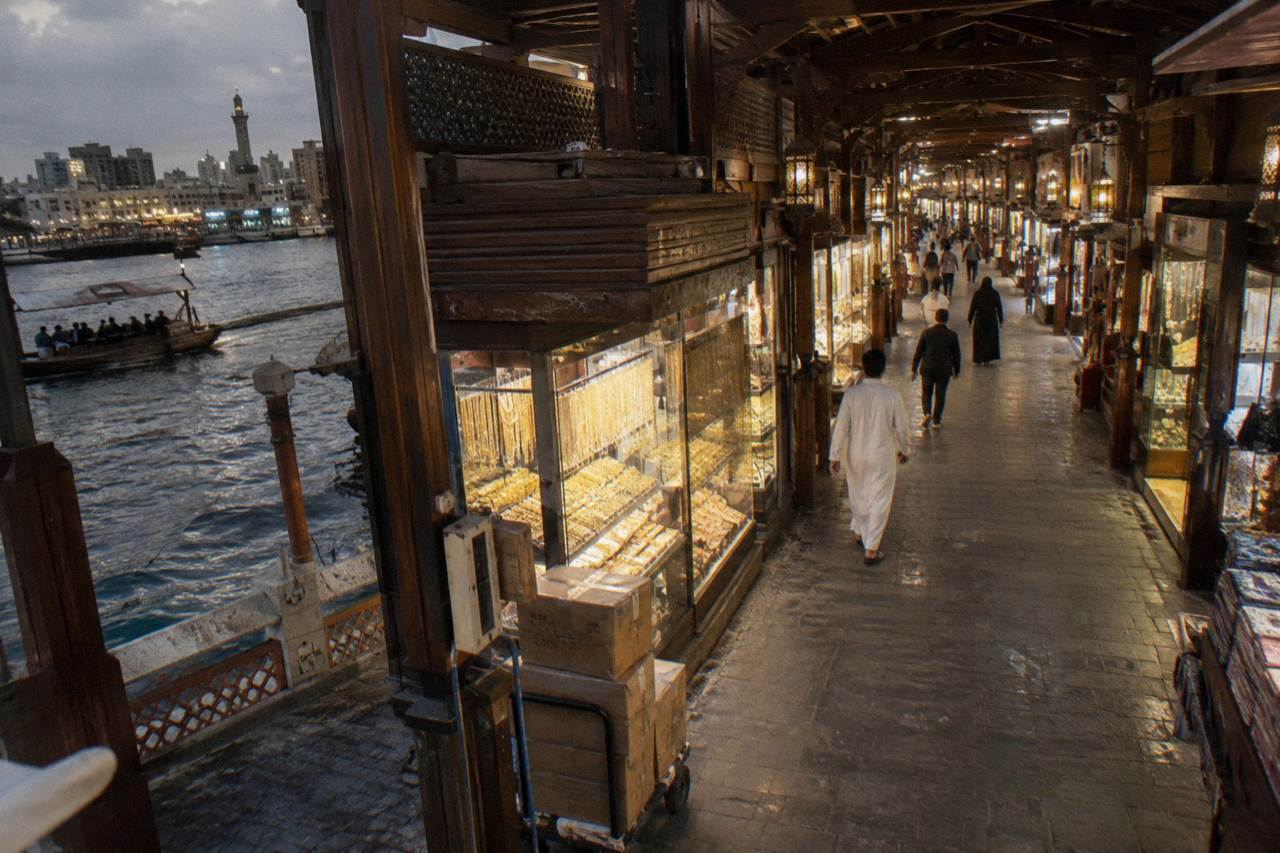
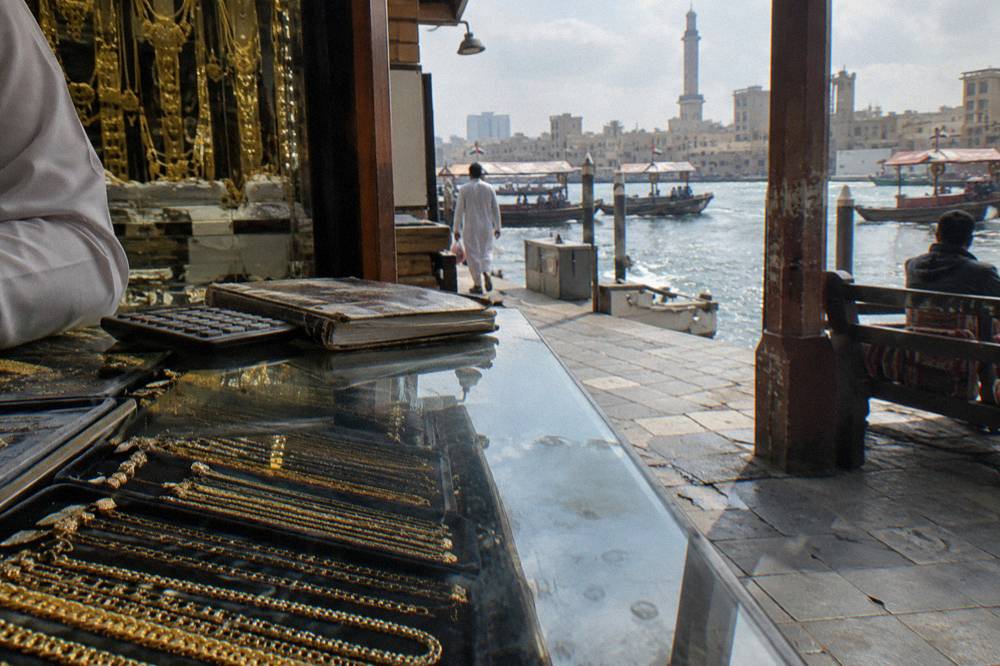
The Gold Souk in Deira is a covered market of several lanes where hundreds of shopfronts display gold jewellery in floor to ceiling glass cases, lit so brightly the arcades glow even at midday. It is free to walk through, it is one of the most recognisable images of Old Dubai, and it sits inside the same district as shawarma stalls, karak cafeterias and the Spice Souk. That combination, a striking market next to a dense street food scene, is why the question of whether it is worth visiting usually answers itself for food minded travellers. Before you head out with your wallet, the guide to real Gold Souk prices and how they compare clears up whether those glittering displays actually cost less than back home.
Prices for gold change daily with the market and must be checked at the souk itself; this page does not quote them. What follows is the practical picture: what the souk is, how bargaining works, what a visit costs beyond the shopping, and how to combine it with eating, since the two sit so close together that most visitors do both in one outing.
What Is The Gold Souk And Where Is It?
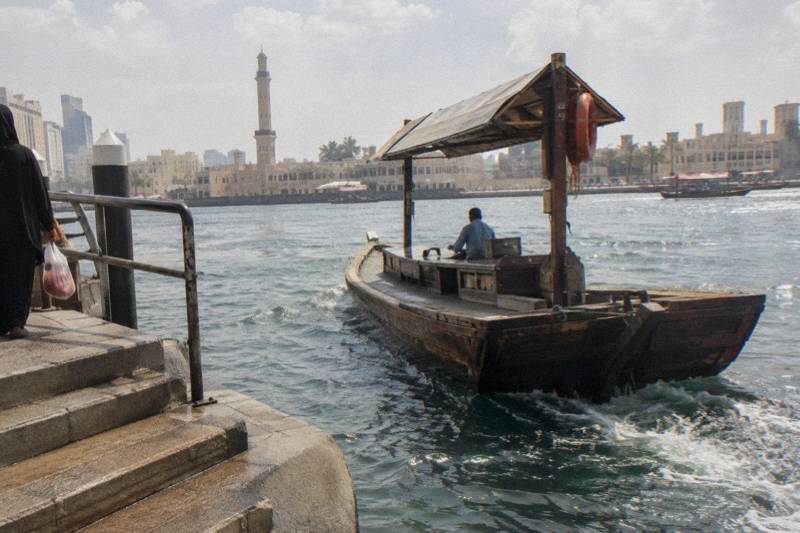
The Gold Souk is a dedicated jewellery market in Deira, on the Dubai Creek's eastern bank, a short walk from the Spice Souk and the Al Ras and Gold Souq metro stations. Entry costs nothing, the lanes are covered and air conditioned, and the market is purely retail: you go to look, to buy, or to use it as a landmark while exploring Old Dubai.
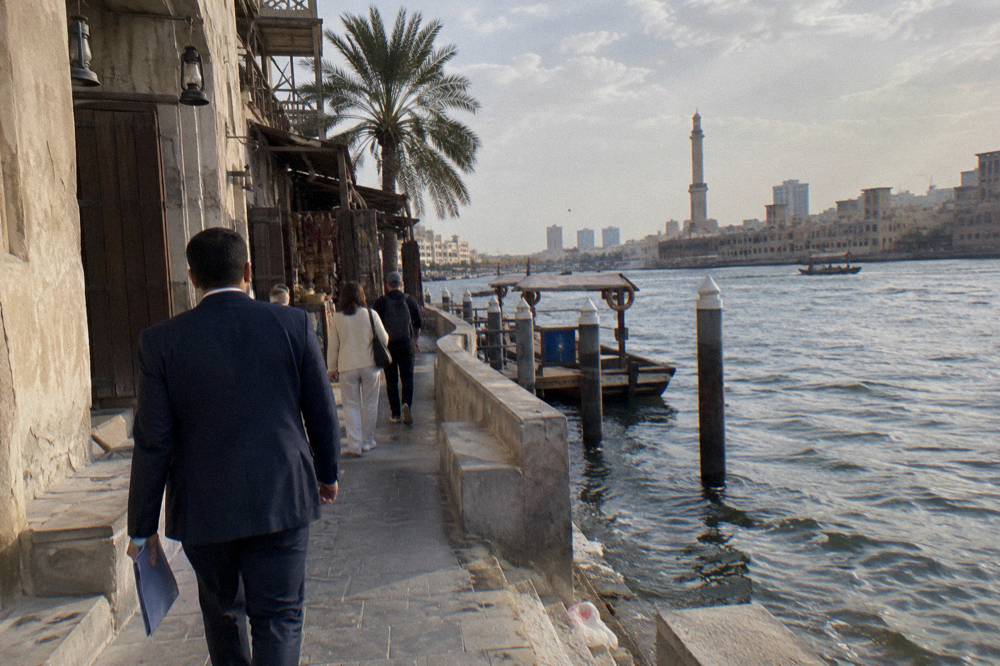
Deira is the older commercial half of Dubai on the Creek's north eastern side, and the souk sits at its heart, close to the waterfront promenade. The market occupies a compact grid, so a full loop of the main lanes takes most casual visitors well under an hour. Photography is part of the experience for many people, though the etiquette point matters here: always ask permission before photographing individuals, especially in traditional attire, since photographing people without consent can breach privacy expectations.
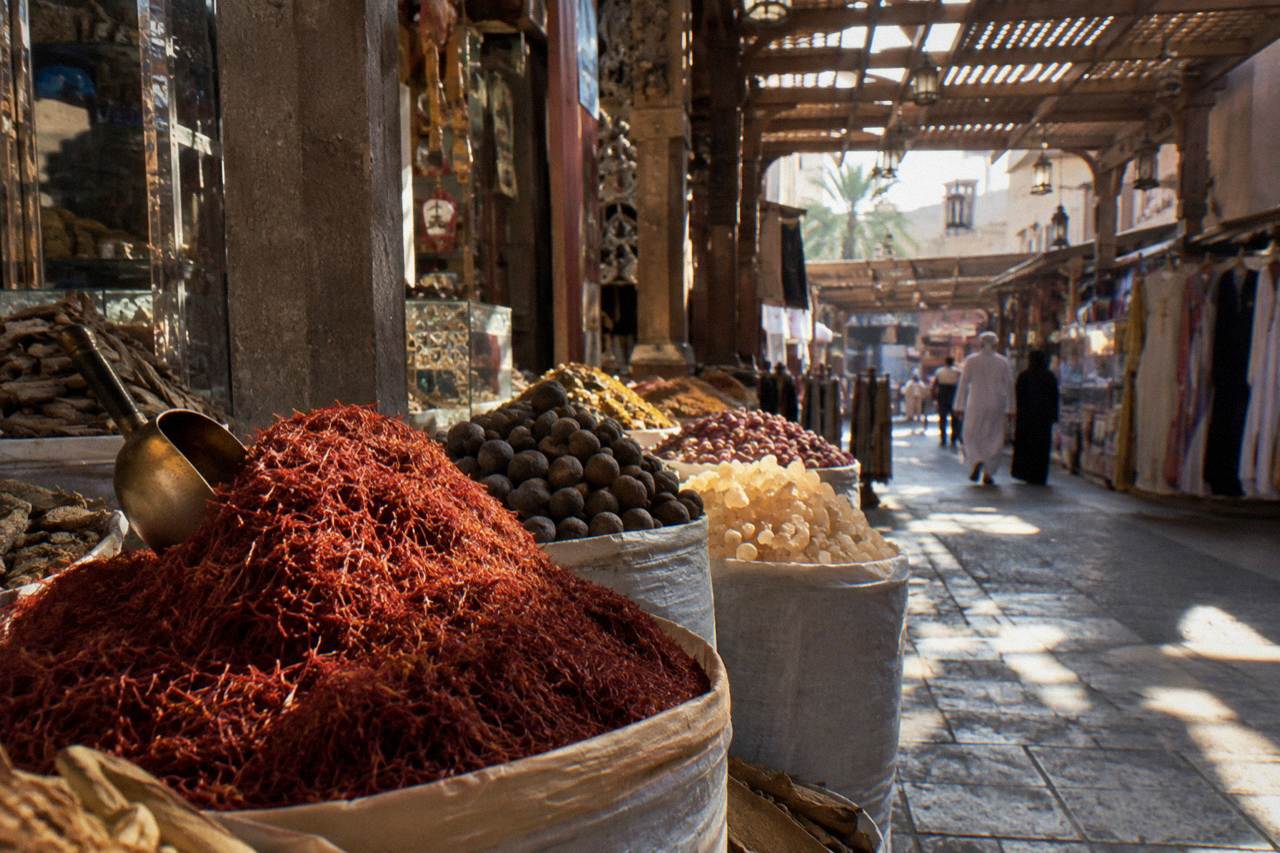
The souk is not a food destination in itself. It is a shopping district. Its value for a food traveller is location: the Spice Souk is a few minutes away on foot, the Creek waterfront is close, and the lanes around the market hold exactly the kind of cheap cafeterias and snack stalls that Old Dubai is known for. A visitor who walks the souk, crosses to the Spice Souk and eats along the way covers the classic Deira circuit. To plan the eating stops around that walk, the guide to food-led things to do in Dubai covers souk walks, Creek crossings and street food costs in one place.
The essentials of the place, as reported by the official and tourism sources in this site's research, are compact enough to set out in one view:
| Fact | Detail as reported |
|---|---|
| Location | Deira, north east bank of Dubai Creek |
| Entry | Free, no ticket or gate |
| Shop hours | Most shops about 10am to 10pm, individual shops vary |
| Nearest metro | Gold Souq (G22) and Al Ras (G23), Green Line |
| Walking links | Spice Souk, Creek waterfront, abra docks, all on foot |
| Time needed | Thirty minutes to an hour for browsing |
One practical note on timing: the Spice Souk is reported to open earlier than 8am and run past 9pm, but many spice shops close during the daytime on Fridays and some take midday breaks. The Gold Souk's shops mostly run on the roughly 10am to 10pm pattern reported above. If you are combining both, late afternoon into evening is the safest window, and check the official Visit Dubai souk pages before setting a firm plan. For a fuller picture of how the Textile, Spice and Gold Souks connect with the food stops and abra crossings between them, the guide to a Dubai souk tour with markets, food and history covers costs and timing too.
What A Visit To The Gold Souk Actually Feels Like
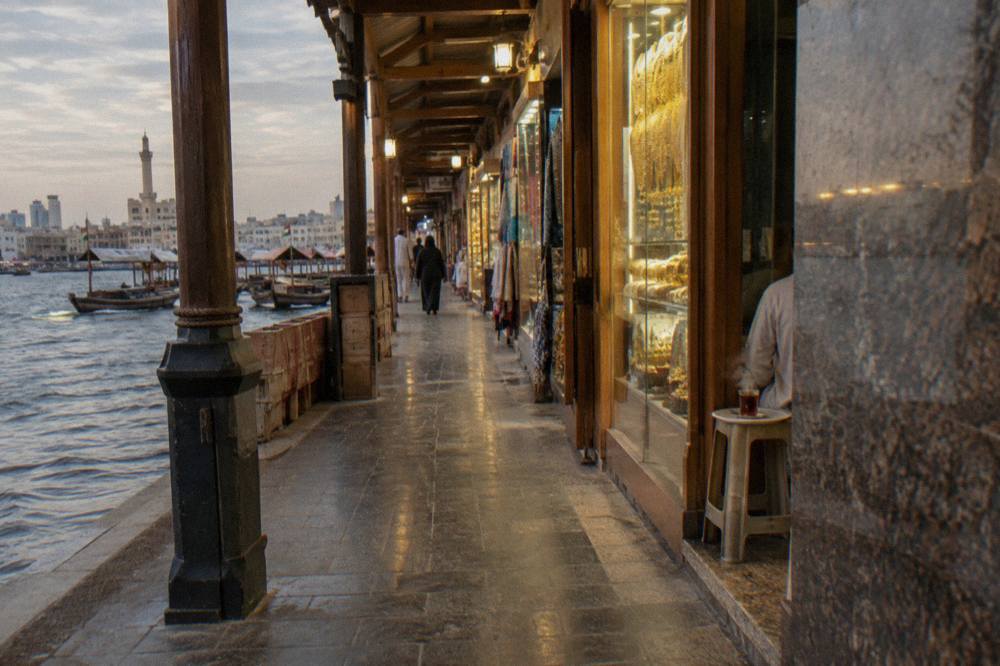
Expect a bright, dense, covered shopping arcade rather than a historic monument. The displays are the attraction: window after window of gold jewellery, some of it elaborate display pieces, arranged along lanes that stay cool in summer. There is no entry fee, no ticket and no route you must follow. Most visitors spend thirty minutes to an hour walking, photographing the shopfronts and browsing.
The first impression is the light. Because the lanes are covered and every case is backlit, the arcades have a glow that photographs well at any hour. The second impression is scale: this is a working wholesale and retail market, not a tourist diorama, so alongside visitors you will see traders, delivery staff and local buyers. It is busy but walkable, and the grid is small enough that getting genuinely lost is difficult.
For food travellers, the souk works best as one stop on a Deira loop rather than a destination in its own right. The natural sequence is the Gold Souk lanes, a walk to the Spice Souk for the scent stalls and sacks of cardamom and dried limes, then the waterfront. The two souks are close enough that the walk between them passes snack stalls and cafeterias, which is where the eating happens. If you'd rather have someone map those snack stalls for you, the guide to whether Dubai food tours earn their price weighs what a guided walk adds over going solo.
If you would rather have a guide handle the route, the history and the food stops in one booking, several Old Dubai walks cover the souks with tastings included. The three below are the ones this site compares most often for this circuit.
A guided option makes particular sense in summer, when the covered souk lanes are cooler than open streets, and when a route planned around shade and air conditioning saves a lot of guesswork. This site's Dubai food tours in summer heat and timing guide covers that planning in detail.
How Bargaining Works When You Buy Gold
Bargaining is customary at the Gold Souk: shopkeepers expect negotiation on making charges, the fee added for craftsmanship, and treat the metal price itself as a market rate. Nothing here quotes prices, rates or savings, because they change daily and must be checked at the counter. The practical rule is simple: compare several shops, negotiate politely, and only buy when satisfied.
The two-part pricing structure is the thing to understand before you shop. The metal is priced by weight at the day's market rate, which no shop sets and no guide can usefully quote in advance. The making charge, the workshop fee for crafting the piece, is where negotiation happens. Ask for the making charge to be stated clearly, compare it across a few shops, and treat the first figure offered as a starting point rather than a final one. Reported practice is that polite, unhurried bargaining works better than aggressive haggling.
If you are visiting mainly to look, none of this is required. Plenty of visitors walk the lanes, photograph the displays and buy nothing, and that is a normal, unremarkable way to experience the souk. The market's visual appeal does not depend on shopping.
Two cautions worth stating plainly. First, buy only from established shopfronts inside the souk, not from street solicitors, and keep receipts. Second, ignore any claim about rates, purity or savings percentages made in conversation: verify terms at the counter before paying. The souk is a legitimate, long established market, and the standard advice is simply to shop where the fixed shops are and to check everything on the invoice.
For visitors who want the souk experience with zero shopping pressure, a guided walk solves it neatly: the guide sets the pace, the group keeps moving, and the food stops give the visit a purpose beyond retail. The Deira spice souk tasting and buying guide on this site covers the neighbouring market's side of the same trip.
Is The Gold Souk Free To Visit And What Does It Cost?
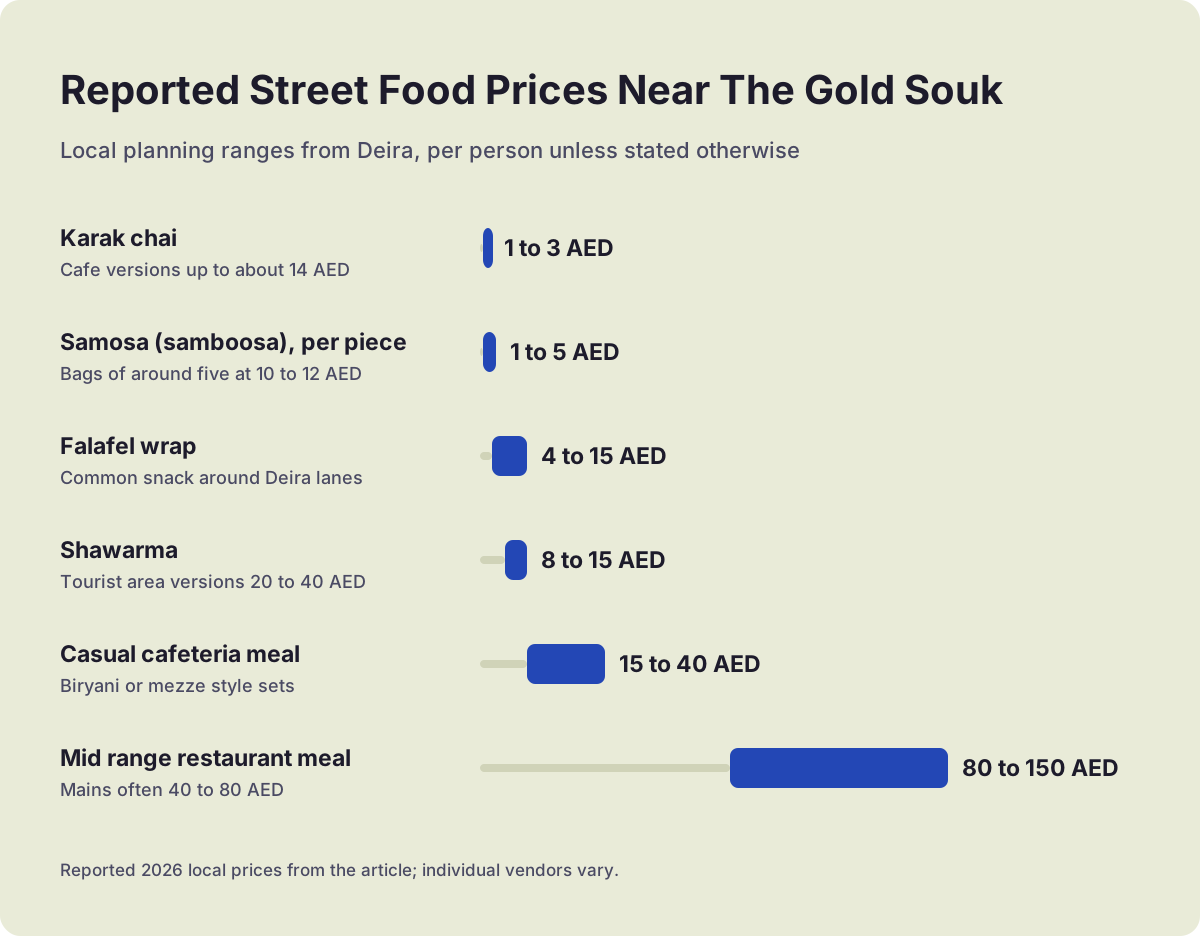
Walking through the souk costs nothing. There is no ticket, no entry gate and no obligation to buy. The costs that do arise are optional: transport to Deira, food and drink around the market, and any shopping. Reported street food prices nearby run from 1 to 3 AED for karak chai to roughly 15 to 40 AED per person for a casual cafeteria meal.
For most visitors the real budget question is the food either side of the souk visit, and Deira is one of the cheapest districts in the city to eat well. The figures below are reported local prices from 2026 sources, not quotes from any single stall: individual vendors vary, so treat them as planning ranges and check prices where you buy.
| Item | Reported price range | Notes |
|---|---|---|
| Karak chai | 1 to 3 AED at local cafeterias | Cafe versions reported higher, up to about 14 AED |
| Falafel wrap | 4 to 15 AED | Common snack around Deira lanes |
| Shawarma | 8 to 15 AED at local spots | Tourist area versions reported 20 to 40 AED |
| Samosa (samboosa) | 1 to 5 AED per piece | Bags of around five reported at 10 to 12 AED |
| Casual cafeteria meal | 15 to 40 AED per person | Biryani or mezze style sets |
| Mid range restaurant meal | 80 to 150 AED per person | Mains often 40 to 80 AED |
Restaurant bills carry their own arithmetic worth knowing: venues commonly add a service charge of up to 10 per cent, which is venue retained rather than a government levy, plus 5 per cent VAT. Cash tips of 5 to 10 per cent, or simply rounding up, are common but voluntary. This site's tipping and paying in Old Dubai guide walks through that in full.
If a guided walk is the plan, tour prices sit on each operator's booking page rather than in this article, since per person from prices vary by group size and date. What the listing shows, alongside the price, is the inclusion list: which tastings, drinks and transport are covered. That inclusion list is what actually separates one walk from another at this price level.
Pairing The Gold Souk With Deira's Food Streets
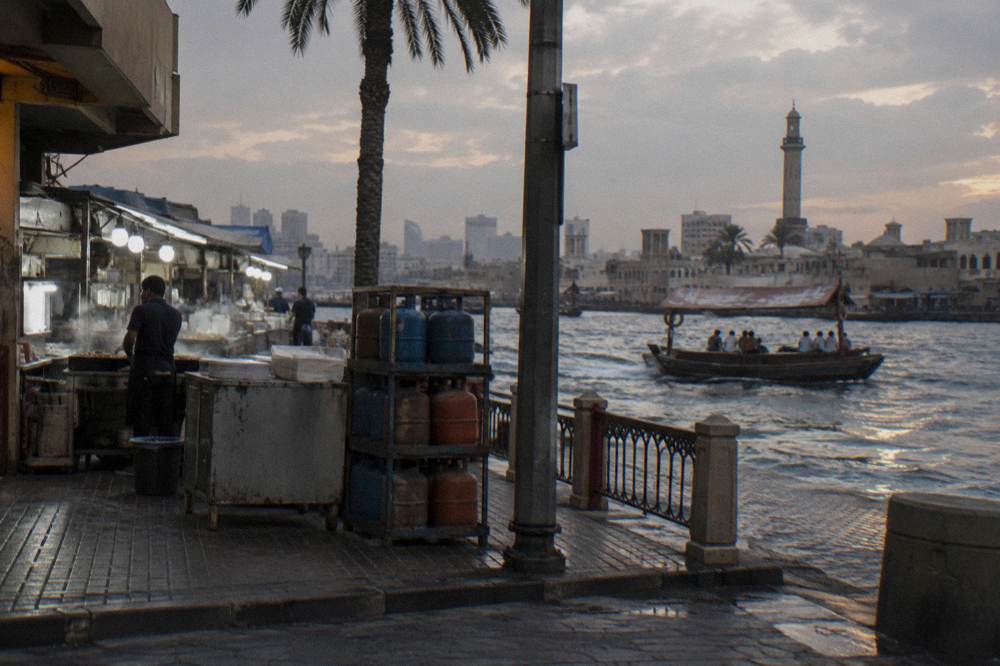
The Gold Souk and Deira's eating lanes are the same outing: the Spice Souk is minutes away on foot, the Creek waterfront is close, and the snack stalls and cafeterias sit along the walking routes between them. The classic pairing is souk browsing late afternoon, then shawarma, falafel or karak as you walk, with a sit down cafeteria meal to finish. Allow two to three hours for the loop.
The pairing works because Deira's food culture grew up around its markets. The traders, port workers and residents who made the souks busy are the same customers who keep the district's Iranian, Afghan, Indian, Pakistani and Lebanese cafeterias running, so the eating is embedded in the streets you walk anyway. A visitor does not need to detour to eat here; the food is on the route. Other pages covering the same trip are gathered on Dubai Food Tours.
A practical sequence for an evening: start at the Gold Souk while the shops are at their brightest, walk to the Spice Souk while it is still open past 9pm as reported, then eat. Karak chai at 1 to 3 AED makes a cheap walking drink, and a bag of samosas at a reported 10 to 12 AED is the kind of snack that bridges stops. For a full meal, the casual cafeteria range of 15 to 40 AED per person covers biryani and mezze style plates.
Visitors who want the counted version of this circuit, with tastings listed and a guide explaining what each dish is, can book a walk that strings the souks and the food together. The Deira food guide to eating in Old Dubai on this site covers the independent version in detail for travellers who would rather self direct.
One Old Dubai walk in this family runs 3 to 4 hours and strings the Old Town lanes, the souks, street food and an abra ride together in a single guided route, which suits visitors who want the whole Deira and Bur Dubai circuit in one booking rather than piecing it together themselves.
Guided Food Walks That Include The Souk
Several guided walks in the Old Dubai family include the Gold Souk alongside the Spice Souk, the Creek and counted street food tastings. Durations run from about 2 to 4 hours depending on the tour, and each listing states its own price basis, inclusions and meeting point. The three compared most often here are the Al Fahidi and souks walk with an abra cruise, the Old Town walk with an Emirati house visit, and the premium guided tour. A tasting walk also pairs well with reading up on where Dubai's food scene actually earns its fame, so see the guide to the most famous restaurant in Dubai before choosing a tour.
The Al Fahidi Old Town, Souks, Street Food and Abra Cruise tour is the one this site features for this circuit: it runs 2.5 to 4 hours, starts from the Al Fahidi side, covers the souks with street food, and includes the Creek crossing by boat. The listing states the price, the tasting inclusions and the meeting point, and those details change with date and group size, so the booking page is the place to confirm them. Check availability if that route matches your plan.
The Old Town, Street Food, Creek, Souks and Emirati House tour takes a different angle: a 3 hour walk that adds an Emirati house visit to the souks and street food, which suits visitors who want the cultural context alongside the eating.
The premium guided option runs 3 to 4 hours with street food and an abra ride, aimed at visitors who want a smaller group format and a more paced route through Old Dubai.
The three sit side by side like this on the basics that do not change with date:
| Tour | Duration | Format and angle |
|---|---|---|
| Al Fahidi Old Town, Souks, Street Food & Abra Cruise | 2.5 to 4 hours | Souks plus street food, Creek crossing by boat |
| Old Town, Street Food, Creek, Souks & Emirati House | 3 hours | Souks and food with an Emirati house visit |
| Premium Guided Tour with Street Food & Abra Ride | 3 to 4 hours | Smaller group, paced route, abra ride |
What a guided walk adds over the independent loop is mostly counted tastings and context: the listing for each tour states how many tastings and which dishes are included, and a guide handles the route, the pacing and the souk navigation. What it does not remove is your own bargaining if you shop; guides typically allow free time in the souk, and the buying conversation stays between you and the shopkeeper.
Dietary needs are worth raising before booking. The listings state what they state about vegetarian and other options; where a listing does not say, message the operator before booking rather than assuming. This site's vegetarian and dietary needs on a Dubai food tour guide covers the practical questions to ask.
Getting To The Gold Souk: Metro, Abra And On Foot
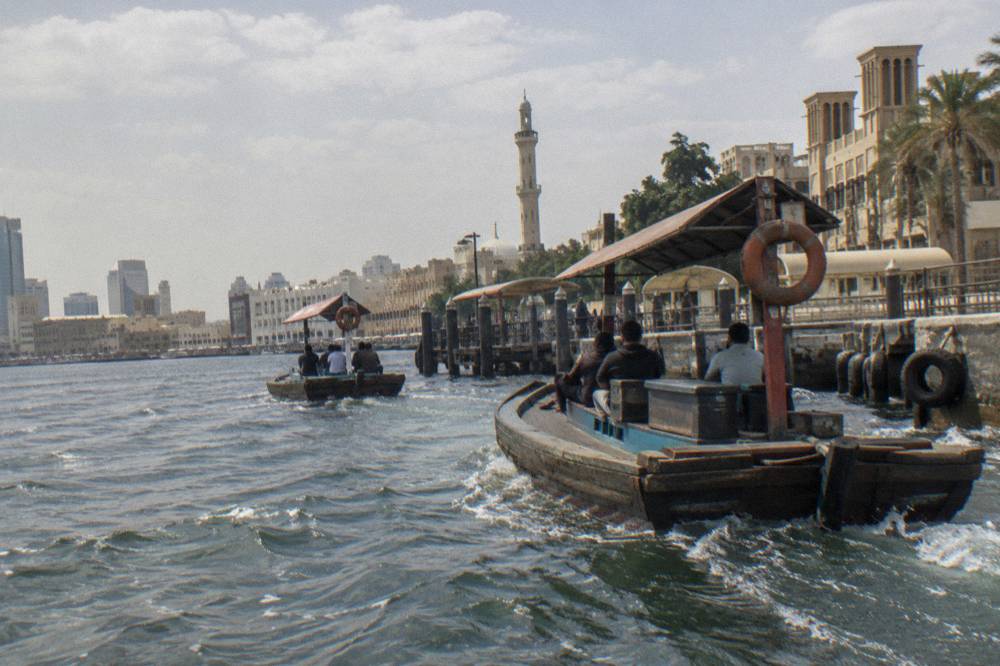
The Green Line serves the souk directly: Gold Souq station (G22) and Al Ras station (G23) both sit within a short walk of the market, and Baniyas Square (G21) is also close. The metro runs from 5am to midnight Monday to Thursday and Saturday, from 5am to 1am on Friday, and from 8am to midnight on Sunday. An abra crossing of the Creek connects the Bur Dubai side to Deira, with the fare paid at the dock. Once you've sorted out the metro route, the guide to Dubai's most famous market covers what to buy and how much things cost once you arrive.
The metro is the simplest approach from anywhere on the Red or Green Line, with an interchange at Union station. The official RTA metro station map lists the station names and order, and the Nol card used for fares is a reloadable smart card costing 25 AED including initial credit. The fare for abra crossings is paid at the dock; check the RTA Creek abra page for routes and current details, as the RTA lists several crossing routes between Bur Dubai and Deira including connections at Al Seef and Al Fahidi.
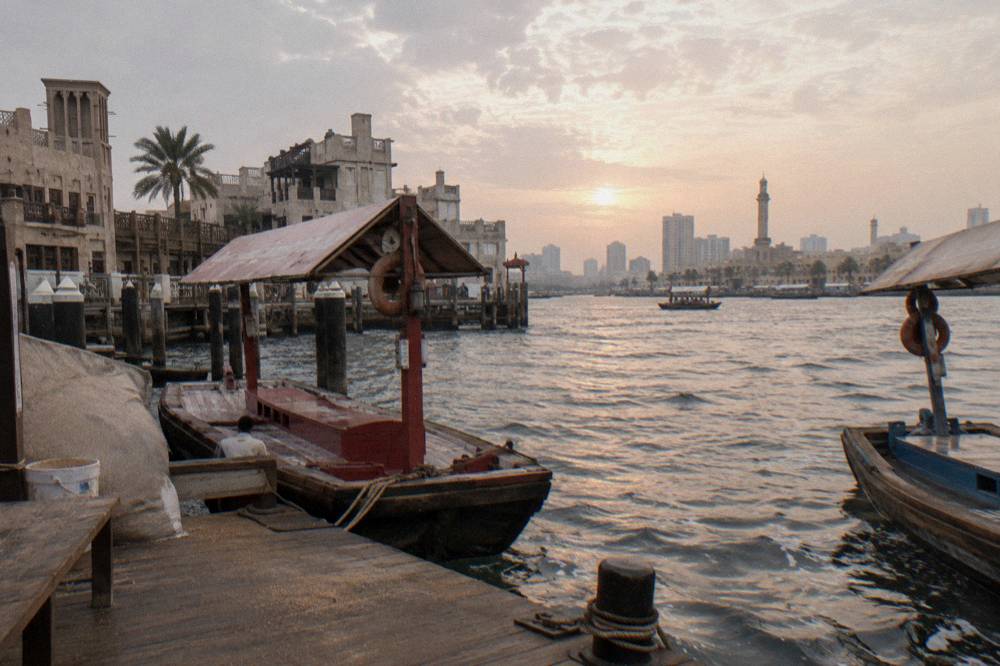
Walking the district is easy once you arrive. Standard walking connections link Al Fahidi, Al Seef, the Textile Souk, the abra stations and the Deira souks, and no route closures were reported for pedestrian access in 2026. The Al Seef promenade on the Bur Dubai side is a free, roughly 1.8 km waterfront stretch, and Al Fahidi Historical Neighbourhood's lanes are open daily from 7am to 8pm per Dubai Culture, so a full Old Dubai day can run: Al Fahidi in the morning, the Creek crossing, the souks and food in Deira in the afternoon and evening.
Taxis are an alternative from hotels outside the metro catchment. Reported road pickup starting fares are 5 AED between 6am and 10pm and 5.5 AED overnight for regular taxis, with the meter running from there. This site's getting to Old Dubai by metro and abra guide covers the full journey picture, including which station exit serves which souk.
What To Wear And How To Behave In The Souk
Cover shoulders and knees in the souk and the surrounding heritage streets: this is reported etiquette rather than a fine carrying rule, but it is the norm in Deira's traditional districts and it avoids unwanted attention. Ask before photographing individuals, especially Emirati women and families. There is no dress code law aimed at tourists, and swimwear belongs at beaches and pools only.
The souk is a working market in a traditional district, and the etiquette that applies across Old Dubai applies here. Beyond dress and photography, the main points are everyday courtesy: greet shopkeepers, bargain politely rather than aggressively, and accept that a refusal to engage is fine on both sides. Gahwa, Arabic coffee, is served in some settings with its own etiquette, received in the right hand, and shaking the empty cup side to side signals no more refills.
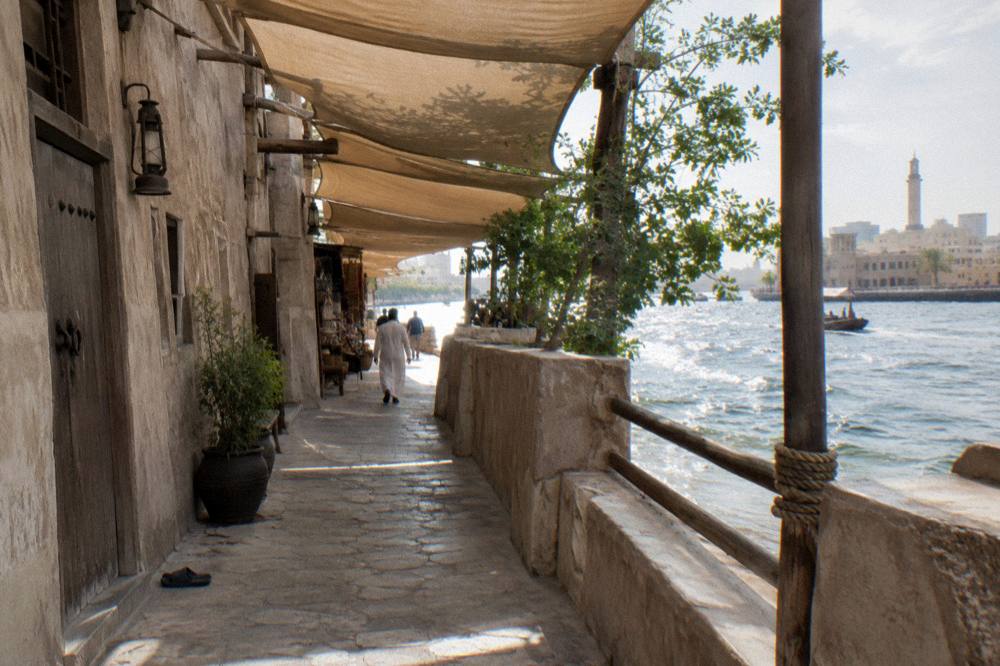
Smoking rules matter for visitors who pair shisha or cigarettes with souk wandering: smoking is banned in enclosed public spaces including malls and restaurants without designated ventilated areas, and permitted only in licensed outdoor designated zones. Alcohol is served only at licensed venues to visitors over 21, and drinking in public outside licensed venues is not allowed. Food walks through Old Dubai serve no alcohol unless a listing states otherwise, so check the booking page if that matters to your plan.
Ramadan changes the texture rather than the access. Non Muslims are not required to fast, restaurants operate as normal, and dining establishments serve through the day; the reported etiquette point is discretion when eating or drinking outdoors during daylight fasting hours. The official Dubai Ramadan page is the reference to check before a fasting season visit. This site's food tours in Dubai during Ramadan guide covers the practical detail.
When Is The Best Time To Visit The Gold Souk?
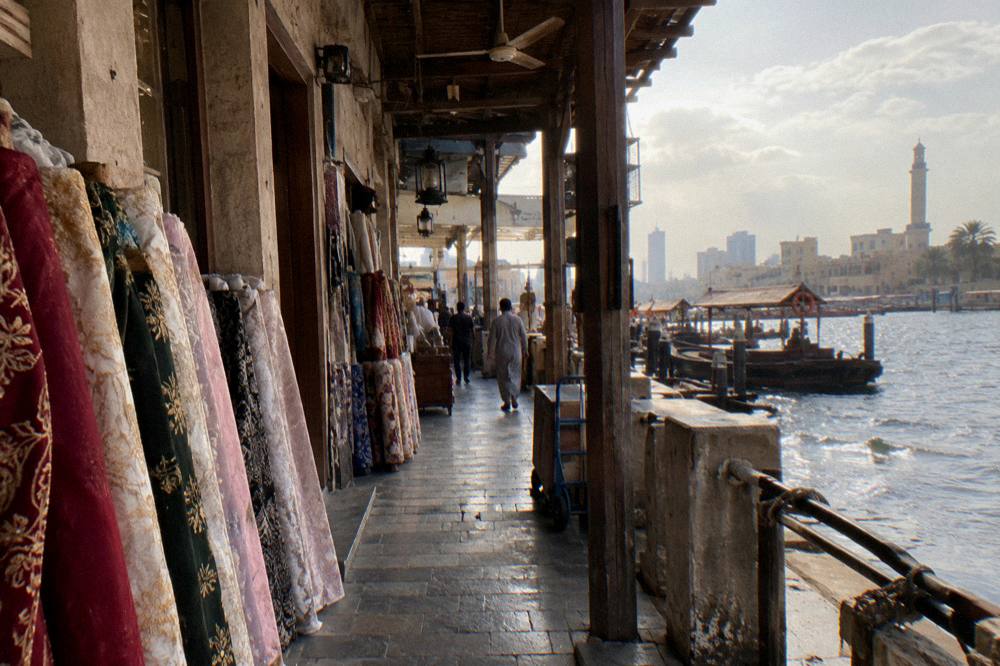
December to February is the most comfortable window: reported monthly normals give daytime highs of about 24 to 26 °C in those months, against summer heat that makes covered lanes the best place to be. Within any day, late afternoon to evening suits the souks best, since shops are reported open until about 10pm, the Spice Souk runs past 9pm, and the displays photograph best under their own lights. Avoid Friday daytime, when spice shops are reported closed.
The weather numbers come from NCM derived monthly normals for Dubai International Airport: December mean daily maximum 26.5 °C, January 24.4 °C, February 26.1 °C, March 28.9 °C. Winter sunrise to sunset runs roughly 7am to 5.30pm, so an evening souk visit in the cooler months happens partly after dark, which is when the covered arcades look their best. In summer, the souk's covered, air conditioned lanes are actually an advantage over open air sightseeing, but the walk between the Gold Souk and the Spice Souk should be short and shaded.
| Month | Reported mean daily max | Reported mean daily min |
|---|---|---|
| December | 26.5 °C | 17.3 °C |
| January | 24.4 °C | 15.3 °C |
| February | 26.1 °C | 16.4 °C |
| March | 28.9 °C | 18.6 °C |
Friday planning matters more than most visitors expect. The Spice Souk is reported closed during the daytime on Fridays, with some shops taking midday breaks on other days, while the Gold Souk's shops follow the general pattern of opening from around 10am, with the Old Souk area on the Bur Dubai side commonly running Friday from about 4pm after prayers. Individual shops vary, and no single official timetable covers every stall, so check the official souk pages for anything time critical.
Crowds and queues are not something this page can promise either way: they vary with season, day and time. What can be said is structural: the souk is at its brightest and most active in the evening, the covered lanes stay cool, and the food stalls around Deira serve late, which makes the combined loop an evening plan by design rather than by accident.
Common Questions About The Gold Souk
Is The Gold Souk Worth Visiting In Dubai?
For most visitors, yes. Entry is free, the covered lanes of illuminated jewellery displays are among Old Dubai's most striking sights, and the market sits inside Deira's street food district, so it combines naturally with a Spice Souk walk and a meal. Allow thirty minutes to an hour for the souk itself, longer if you are shopping.
How Much Does It Cost To Visit The Gold Souk?
Nothing to enter. The optional costs are transport, food nearby and any shopping. Reported street food prices around Deira run from 1 to 3 AED for karak chai to 15 to 40 AED per person for a casual cafeteria meal, and gold prices themselves change daily and must be checked at the souk.
Can You Bargain At The Gold Souk?
Yes, bargaining is customary, particularly on making charges, the craftsmanship fee added to the metal price. Compare several shops, ask for the making charge clearly, and negotiate politely. The metal price itself moves with the market daily, so no guide can quote it in advance.
What Are The Gold Souk Opening Hours?
Visit Dubai reports most shops open from about 10am to 10pm, with individual shop hours varying. The nearby Spice Souk is reported open earlier than 8am to past 9pm but closed during the daytime on Fridays. Check the official souk pages for anything time critical.
How Do I Get To The Gold Souk?
The Green Line serves it directly: Gold Souq station (G22) and Al Ras station (G23) are both a short walk away. From the Bur Dubai side, an abra crossing of the Creek connects to Deira, with the fare paid at the dock. Taxis are an alternative, with reported road pickup starting fares of 5 AED daytime.
Can I Combine The Gold Souk With A Food Tour?
Yes, several guided Old Dubai walks include the souks alongside counted street food tastings, with durations from about 2 to 4 hours. Each listing states its own price, inclusions and meeting point, so check the booking page for the tour that matches your route and dietary needs.
If the combined souks and food circuit sounds like your kind of day, these are the three walks compared most often for exactly that outing.