What Is The Most Famous Restaurant In Dubai?
There is no single most famous restaurant in Dubai. This piece explains why fame works differently in this city, what the food is actually known for, and how a guided tasting walk through Old Dubai covers the dishes a famous table would.
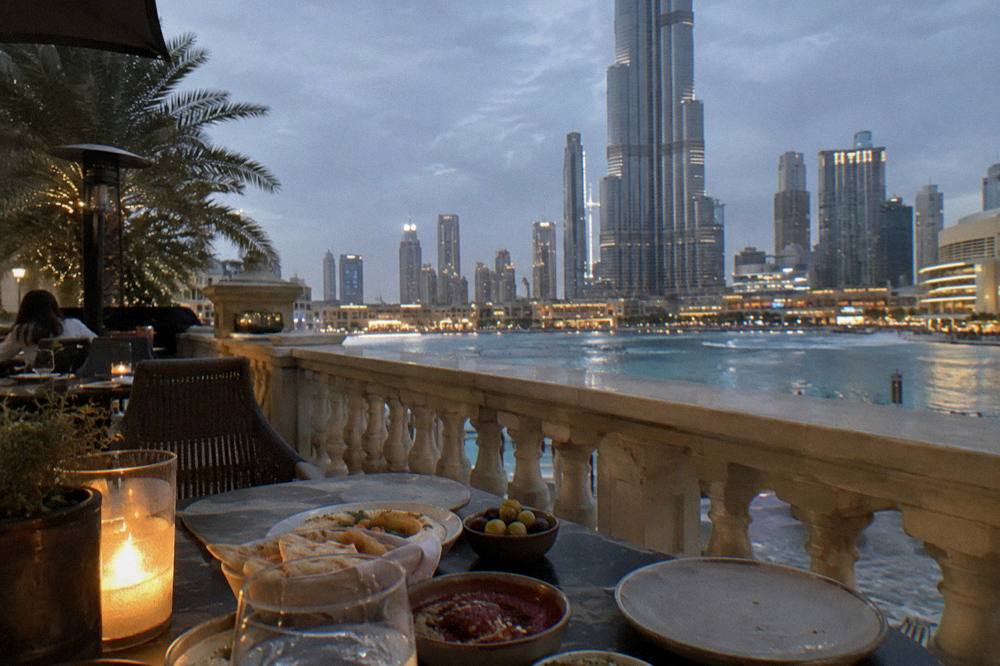
No single restaurant owns that title in Dubai, and any confident answer you read elsewhere is really just an opinion dressed as fact. Fame here splits between skyline dining around Burj Khalifa, the heritage cafés of Al Fahidi, and the street food of Deira, and no one address dominates all three. What Dubai is genuinely famous for is its range, from a 3 hour tasting walk through Old Dubai to a waterfront table beside the world's tallest building. If your food day needs a sweet finish, the guide to finding Dubai's famous chocolate and sweets covers where to buy them and what they cost.
Search the question and you will get lists. Fine dining names from Downtown, beach clubs from Jumeirah, maybe a decades-old cafeteria in Deira. The lists disagree with each other, which is the honest answer in itself. Dubai's dining scene grew too fast and in too many directions for one restaurant to become the city's shorthand the way a century-old bistro might in Paris or a pizzeria in Naples. What exists instead are several distinct food worlds, each with its own claim to fame.
The skyline world is the one most visitors picture first. Restaurants near Burj Khalifa and the Dubai Marina serve the view as much as the food, and the views are genuinely spectacular. The heritage world is smaller and quieter: courtyard cafés in the Al Fahidi Historical Neighbourhood, Emirati dining rooms, and cultural meals where the point is conversation as much as cuisine. The street food world runs through Deira and Bur Dubai, where shawarma, falafel, karak chai and luqaimat are sold a few dirhams at a time. Of those three worlds, the heritage one rewards the most preparation, and the guide to what actually happens at an Emirati host's table explains the rituals, costs and expectations before you book.
If you want to eat what Dubai is actually known for rather than chase a name, the practical move is to cover the last two of those worlds in one walk. A guided tasting route does in three hours what would otherwise take a week of restaurant bookings, and it comes with someone who can explain what is on the plate. The options compared here range from short souk walks with a sit-down dinner to private half-day routes built around your own pace.
Why No Single Name Wins, And What Fame Means In Dubai
Fame in Dubai is a moving target because the restaurant scene is young and enormous. The city has more restaurants per resident than almost anywhere, openings happen weekly, and the places that dominate conversation tend to be new rather than historic. What stays constant is the food itself: shawarma, karak, luqaimat, machboos and harees were being eaten here long before any current address opened. That is why the dishes, not the dining rooms, are the reliable famous thing.
A city earns a "most famous restaurant" through time. Decades of consistent cooking, one location, generations of the same family at the pass. Dubai's old food traditions are absolutely real, but they lived in homes, souks and cafeterias rather than in one celebrated dining room. The Emirati dishes worth knowing, from machboos to balaleet, were cooked family-style, and the places that serve them today are spread across several neighbourhoods rather than concentrated at one address.
The modern scene works differently again. The restaurants that get talked about internationally are often destinations in themselves, perched high in a tower or spread along a beach, and their fame travels with the building as much as the kitchen. A dinner there is a genuine experience, but it is not the same thing as eating the food Dubai grew up on, and the two are frequently confused in listicles.
There is a third kind of fame worth knowing about before you book anything. Ask a long-term resident where to eat and the answer is rarely a skyline address. It is a specific cafeteria for karak, a shawarma counter in Deira, or an Emirati dining room in Bur Dubai. Those places rarely top international lists because they are cheap, unglamorous and everywhere, which is precisely why locals trust them.
“We were fortunate enough to be the only couple on the tour. Our guide for the day was Malick and he was brilliant.”
The honest conclusion is that "famous" depends on who is asking. A visitor photographing a sunset dinner wants one answer. A food traveller wants another. The rest of this piece follows the second path, because the dishes and the neighbourhoods that made them are the part of Dubai's food story a short trip can actually cover well, and a guided walk is the most efficient way to cover them. Before choosing where to eat, it helps to know what to order, and the guide to Dubai's signature dishes, from karak to luqaimat explains which foods actually define the city and how a tasting walk can cover them in one evening.
The Dishes Dubai Is Famous For, Whatever The Address
Dubai's famous food is street and home food: shawarma and falafel from counters in Deira, karak chai from cafeterias, luqaimat drizzled with date syrup, and the Emirati mains machboos and harees. Recent price reporting puts a shawarma at 8 to 15 AED at local spots, karak at 1 to 3 AED, and a casual neighbourhood meal at 15 to 40 AED per person, all reported figures worth checking on arrival.
Start with the snacks because they are the most accessible. Shawarma in Dubai is a wrap of marinated chicken or lamb shaved from a vertical spit, and the reported price gap between a local counter and a tourist strip is wide: 8 to 15 AED at local spots versus 20 to 40 AED in touristy areas, as reported by 2026 price trackers. Falafel wraps run a reported 4 to 15 AED. Samosas, sold as samboosa in the older cafés, cost a reported 1 to 5 AED each or 10 to 12 AED for a bag of around five.
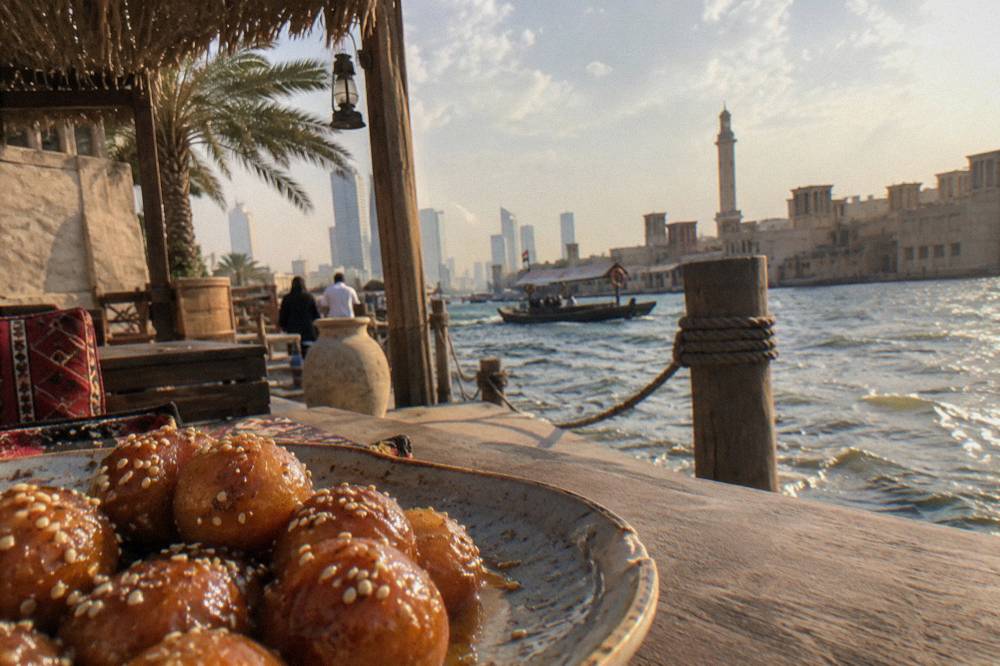
Then there is karak chai, the spiced milky tea that might be Dubai's true daily ritual. At local cafeterias a cup costs a reported 1 to 3 AED, though café versions run higher, with one cited example at 14 AED. Luqaimat are the dessert of record: crisp fried dough dumplings drizzled with date syrup and sesame seeds, served warm and eaten immediately, reported at 10 to 18 AED in the Deira and Bur Dubai stalls that sell them.
| Item | Reported price at local spots | Notes from 2026 reporting |
|---|---|---|
| Shawarma | 8 to 15 AED | Tourist areas reported at 20 to 40 AED |
| Falafel wrap | 4 to 15 AED | Cited example at 13 AED |
| Karak chai | 1 to 3 AED | Café versions higher, one cited at 14 AED |
| Samosa / samboosa | 1 to 5 AED each | Bags of about five reported at 10 to 12 AED |
| Luqaimat | 10 to 18 AED | Served warm, eaten immediately |
| Casual meal per person | 15 to 40 AED | Biryani or mezze sets, neighbourhood cafeterias |
The Emirati mains are the deeper layer. Machboos, often described as the UAE's national dish, is long-grain rice slow-cooked with lamb, chicken or fish, dried limes, baharat spices, cardamom, saffron and cinnamon, served family-style on a platter. Harees is wheat and meat cooked for six to eight hours until it turns smooth and porridge-like, finished with ghee. Balaleet, sweet saffron and cardamom vermicelli topped with a thin omelette, is the classic breakfast, and chebab are saffron pancakes eaten with cream cheese and date syrup.
None of these dishes belongs to one restaurant, and that is the point. They belong to a cuisine, and the useful question is not which famous dining room serves them but which part of the city serves them best. The answer, consistently, is Old Dubai: Al Fahidi, Al Seef, the souks and the streets behind them. Our emirati food guide to the dishes worth knowing breaks each one down in more detail.
A guided route stitches those dishes together. The Dubai: Flavors of Arabia Souk Tour with Tastings & Dinner runs 2.5 hours through the souk district with a guide, tastings and a dinner to finish, and its price and availability are on the listing. It is the closest thing to a "famous restaurant" experience in the sense most visitors actually mean: a known route, a known set of dishes, and someone explaining the plate in front of you.
Old Dubai: Where The City's Food Reputation Was Actually Built
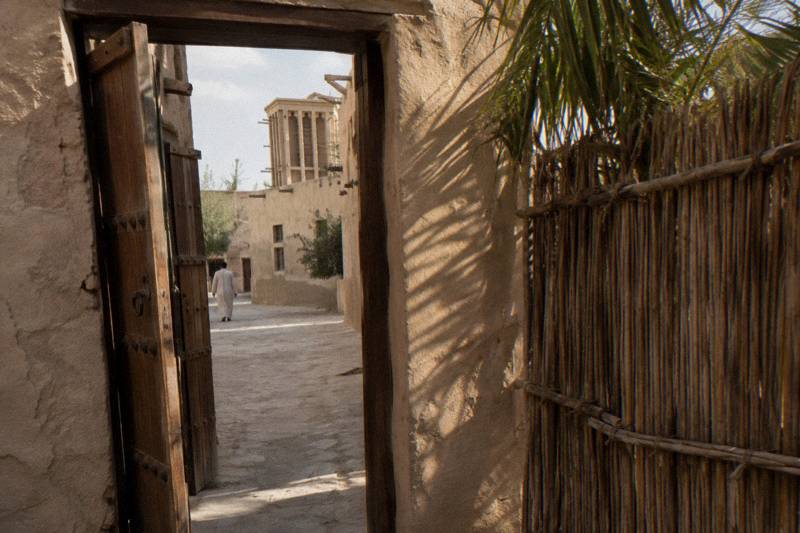
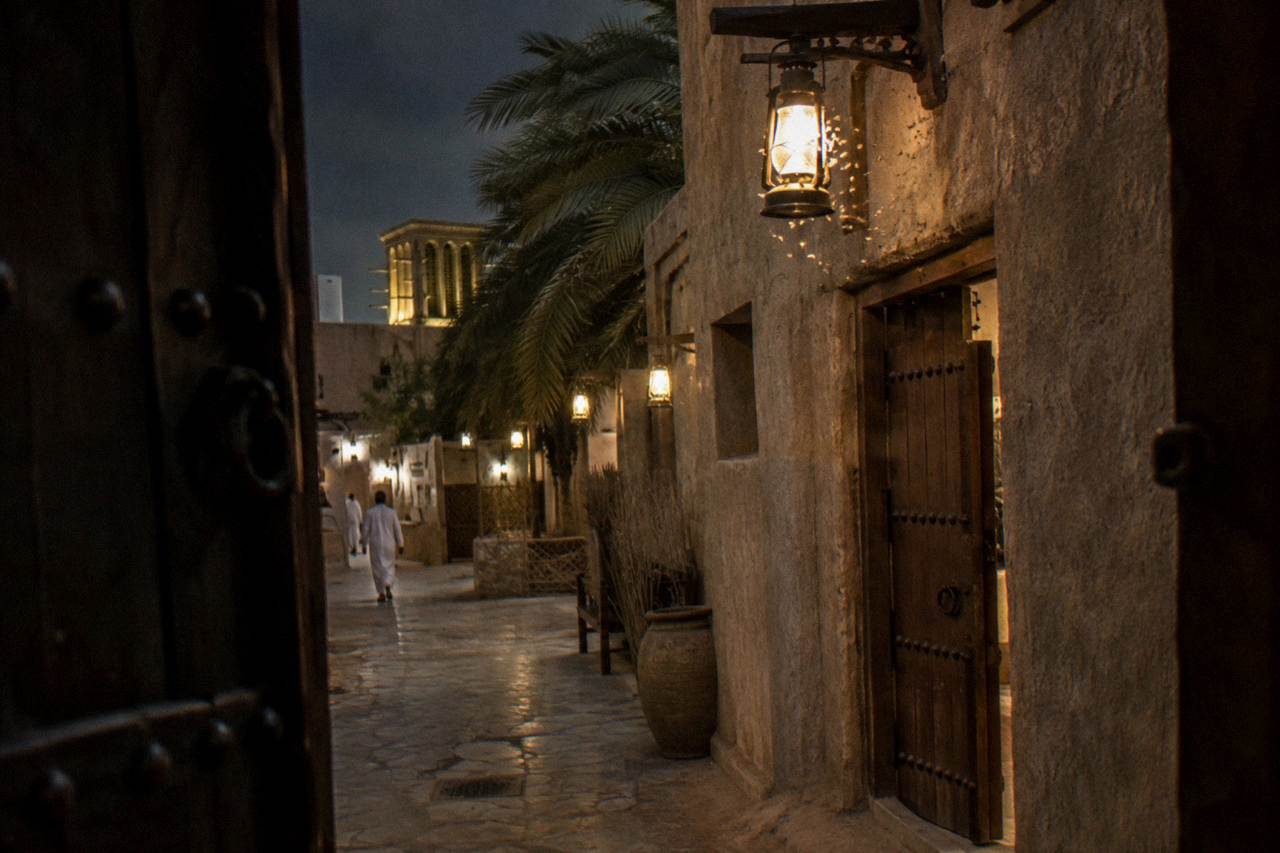
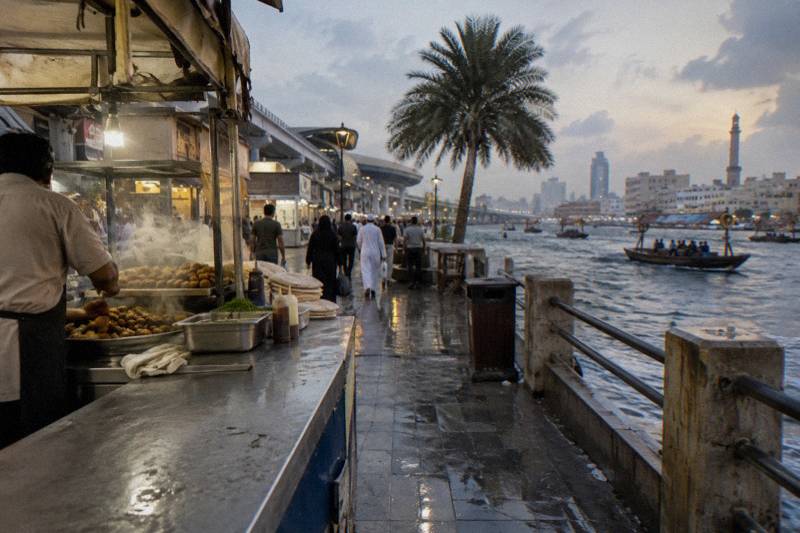
Al Fahidi, Al Seef and the Deira souks are where Dubai's food story started, and they remain the densest eating ground in the city. The Al Fahidi Historical Neighbourhood keeps its lanes open for walking, the Al Seef promenade runs about 1.8 km of free waterfront, and the Spice and Gold Souks sit a short Creek crossing away. This is the district a tasting walk covers, and no famous restaurant name replaces it.
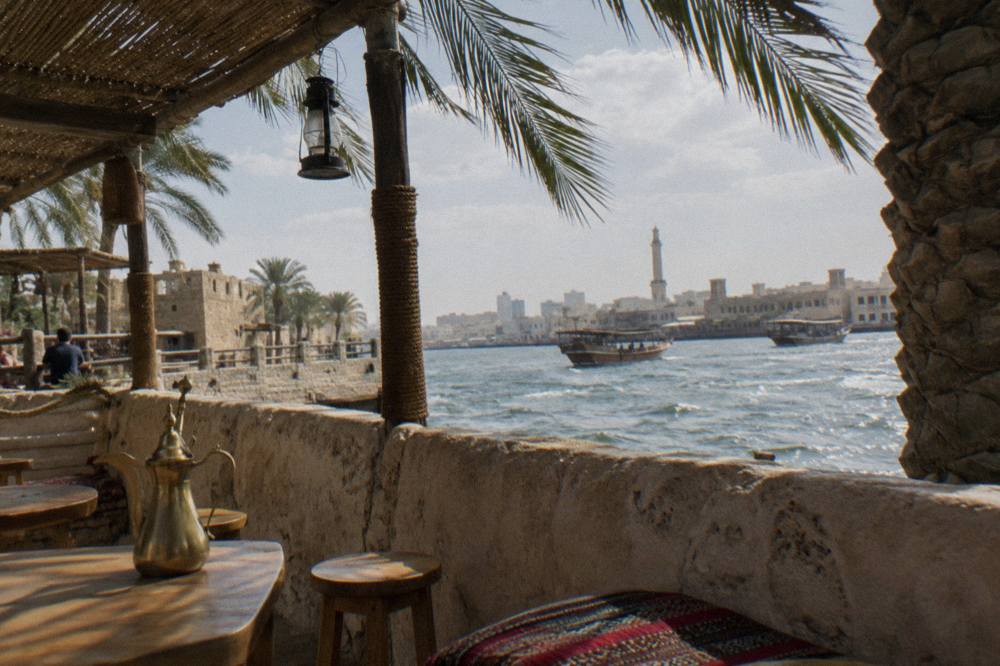
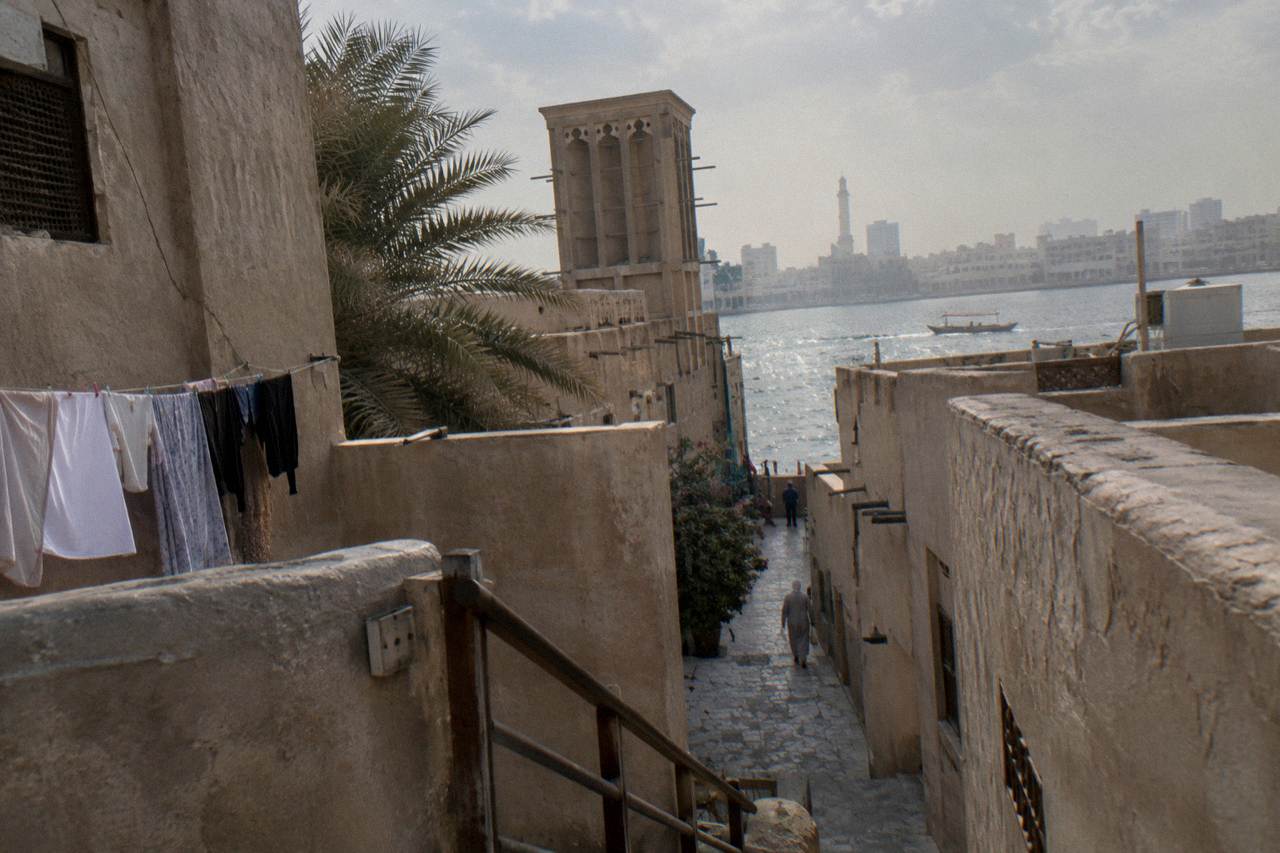
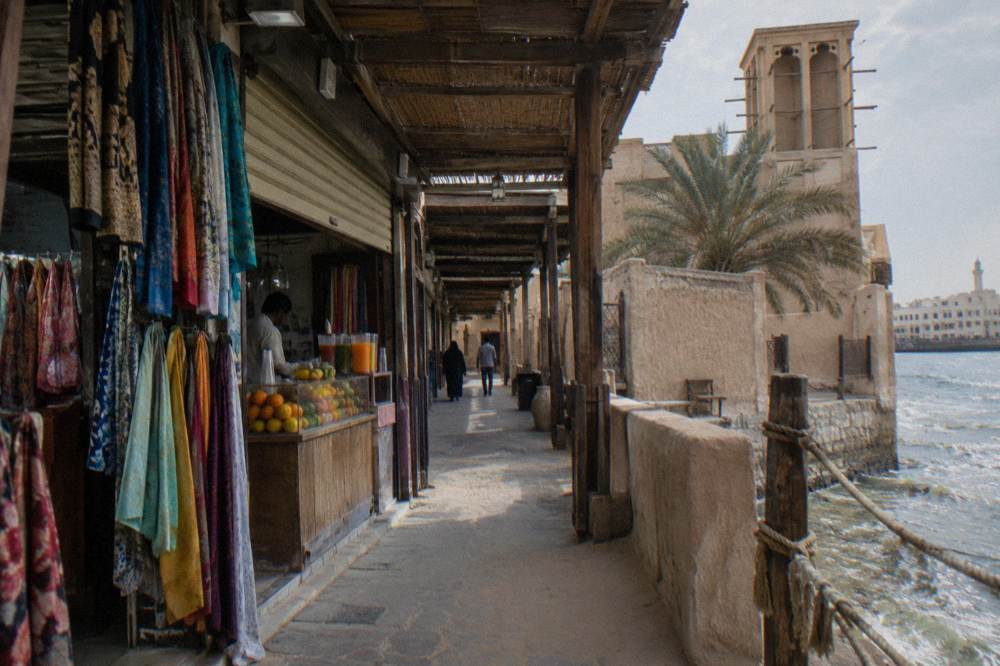
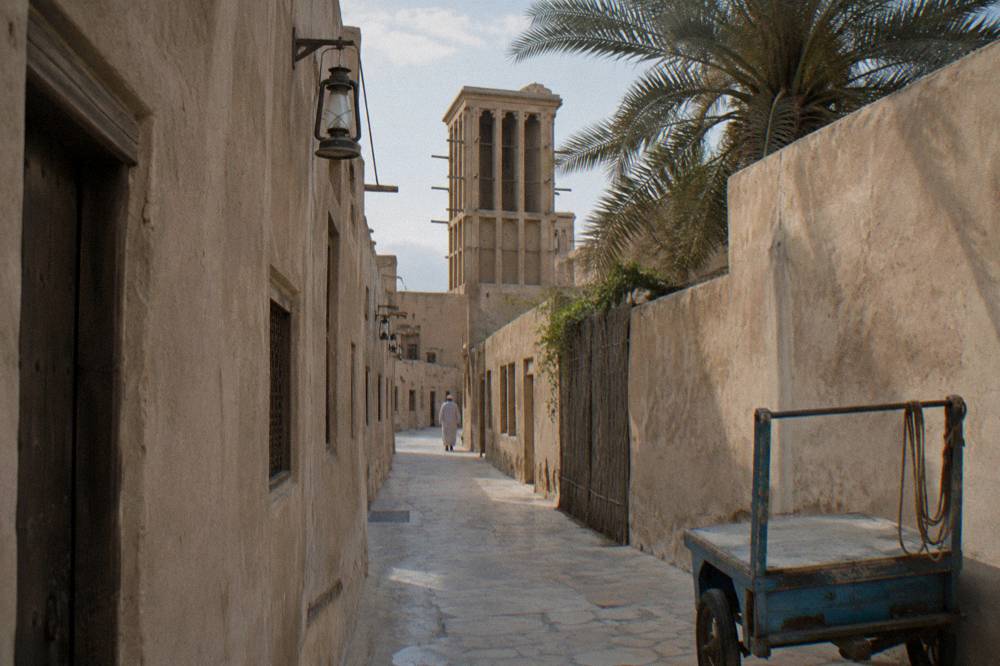
The geography matters because it explains the food. Al Fahidi's coral stone and gypsum houses, its wind towers and courtyard cafés, are the oldest built fabric in the city, and Dubai Culture states the neighbourhood's hours as 7am to 8pm daily with free public access to lanes and galleries. The Al Seef waterfront promenade on the Bur Dubai side of the Creek is fully operational, free to enter, and runs a stretch of about 1.8 km, mixing heritage architecture with modern sections.
Across the Creek, Deira holds the souks. Visit Dubai's guidance, as reported, puts most Gold Souk shops at roughly 10am to 10pm, while the Spice Souk opens earlier than 8am and runs past 9pm, with a daytime closure on Fridays and midday breaks at many stalls. Individual shop hours vary, and there is no single official timetable, so a morning or late-afternoon visit is the safer bet.
Two current changes are worth knowing. The Al Fahidi Fort, the city's oldest building and the long-time home of Dubai Museum, has been closed for major restoration since 2021, with reports from late 2026 indicating preparations for a reopening with new galleries in the coming weeks or months. And the Dubai Creek Lights project is underway along roughly 8 km of the Creek, including the Gold Souq promenade and Al Seef, with more than 5,000 lighting units and a scheduled completion in the first quarter of 2027.
For eating, the district is unmatched in variety. Iranian, Afghan, Indian, Pakistani and Lebanese cafés sit alongside Emirati dining rooms and juice counters, and the street food reporting cited above comes almost entirely from these few square kilometres. The practical way to eat through it is a route that connects Al Fahidi, the Textile Souk, a Creek crossing and the Deira souks in one loop, which is exactly the shape most guided walks here take.
If you are planning the visit yourself, the getting to Old Dubai by metro and abra guide covers the Green Line stations that serve the district. Baniyas Square, Gold Souq and Al Ras stations sit on the Deira side, and Sharaf DG serves the Al Fahidi area, per the official RTA metro map.
Emirati Dining Rooms And Cultural Meals In Al Fahidi
If any single experience comes closest to a "famous restaurant" for Emirati food, it is the cultural meal: a seated lunch or dinner with local hosts, Arabic coffee, dates and an open question session about customs and daily life. The Sheikh Mohammed Centre for Cultural Understanding in Al Fahidi runs reported 1.5 hour cultural meals at AED 130 for breakfast up to AED 160 for dinner, booking required, and independent Emirati dining rooms serve machboos and harees nearby.
The cultural meal format is unique to this district and worth understanding before you choose between it and a walking tour. The Sheikh Mohammed Centre for Cultural Understanding, known as SMCCU, operates from the Al Fahidi Historical Neighbourhood and serves breakfast, lunch, tea time and dinner seatings with Emirati hosts who answer questions about customs, Islam and daily life, alongside Arabic coffee and dates. Reported prices are AED 130 for breakfast or brunch, AED 145 for lunch, AED 150 for fuala tea time and AED 160 for dinner, with booking required and Ramadan seatings adjusted to iftar. Current prices and schedules are on the centre's own page at cultures.ae.
Around it sit the independent Emirati dining rooms. Reporting on the heritage restaurant scene names venues in Al Fahidi and Deira serving machboos with lamb or fish at a reported AED 58 to 65, harees at around AED 42, and thareed or margoog at AED 55 to 58, in settings that lean heritage rather than polished. One Al Fahidi courtyard café is reported to serve balaleet at around AED 52 alongside Emirati breakfast boards.
| Experience | Format | Reported cost | Best for |
|---|---|---|---|
| SMCCU cultural meal | Seated meal with hosts and Q&A, 1.5 hours | AED 130 to 160 by seating | Context, conversation, Arabic coffee etiquette |
| Emirati dining room | Restaurant mains, family-style | Mains reported AED 42 to 65 | Machboos, harees, thareed at a table |
| Souk tasting walk | Guided walk with tastings, 2.5 to 4 hours | From $24 per person | Covering many dishes across a district |
| Independent street eating | Self-guided counters and cafés | Items reported 1 to 40 AED | Budget travellers and repeat dishes |
Gahwa, the lightly spiced unsweetened cardamom coffee served in small finjan cups, comes with its own etiquette at these tables: it is received in the right hand, and the cup is gently shaken side to side when you have had enough. Dates, the traditional companion, are at their best in the UAE's fresh rutab season, which runs through summer with a peak from June to September and around 150 varieties grown, reported from as little as AED 15 per kilogram at markets.
A guided walk and a cultural meal are not rivals; they cover different ground. The meal gives you one table and depth of conversation. The walk gives you a dozen tastes across a district and the geography to understand them. Travellers with time do both, and travellers with one slot choose based on whether they want to sit or roam.
“Our guide was amazing and knowledgeable. We learned alot about the history of UAE and Emirati culture. As for the food it was filling and tasty. This is a tour you should not miss and want be disappointed.”
How A Guided Tasting Walk Compares To Chasing A Famous Name
A tasting walk beats a famous-restaurant hunt on three practical counts: coverage, context and cost certainty. In three to four hours you taste across multiple venues with a guide explaining each dish, the route is fixed so no booking juggling is needed, and the tastings are included as the listing states rather than added to a bill. The trade-off is that you eat standing and walking rather than seated at one celebrated table.
The comparison is worth making honestly. A dinner at a celebrated address gives you one kitchen, one menu, one room, and often a booking made weeks ahead. A tasting walk gives you shawarma from one counter, luqaimat from another, karak from a cafeteria, a souk to walk through and a guide connecting all of it to the city's history. For a first visit of a few days, the walk is usually the better spend of an evening, and the dinner is the better spend of a second visit.
Among the options compared here, the formats split cleanly. The Dubai: Flavors of Arabia Souk Tour with Tastings & Dinner, a 2.5 hour emirati-cultural-dining route, pairs souk walking with a seated dinner finish, which suits travellers who want the walk but not a purely standing evening. The Dubai: Half-Day Street Food Tour runs 4 hours as a private format for depth and flexibility. The Private Food Tour with 10 Tastings with Locals runs 3 hours, also private, built around tastings with local hosts. Prices and current availability for each are on the listings.
Dietary needs deserve a note here. All meat sold and served in Dubai's restaurants and markets is halal, and pork appears only in designated licensed sections. Listings are not individually described as vegetarian, vegan, gluten-free or kosher unless their own details say so, so message the operator before booking if any of that matters to your table. Alcohol is a separate question: visitors over 21 may drink at licensed venues only, and food walks through Old Dubai serve no alcohol unless the listing states otherwise, so check the booking page for what is included.
Tipping on the food side is straightforward and unstressed. Visit Dubai's own guidance says there are no set rules and it is personal preference, with 10 to 15 per cent usual at restaurants and AED 5 to 10 at cafés, and it advises checking with the waiter that a card-added tip reaches the staff. That page is at visitdubai.com.
What A First-Time Visitor Should Actually Do
Book one guided tasting walk for your first or second evening, eat independently around it, and skip the famous-name hunt unless a specific restaurant genuinely appeals. Use the walk to learn the dishes and the district, then revisit the two or three counters you liked on your own time. If a skyline dinner matters to you, book it separately as an event rather than as your introduction to Dubai food.
The sequence works because Old Dubai rewards repetition. A walk teaches you where the good karak counter is relative to the Spice Souk, which lane in Al Fahidi has the courtyard café, and how the abra docks connect the two sides of the Creek. On a 3 to 4 hour guided route you learn the map of the food district in one evening, and everything after that is you moving through it on your own with confidence.
“What a fantastic tour. I can highly recommend to anyone visiting Dubai for the first time. So interesting and a great fun way to learn about the history of the city, the country and experience the culture. Food was authentic and delicious.”
Timing matters more than address. December through February brings the lowest average daytime highs, 24 to 26 °C per the NCM-derived monthly normals, which is walking weather. Mid-winter sunrise and sunset sit around 07:00 and 17:30 local time, so an afternoon walk slides into a lit-up evening souk, and the Creek Lights project due to complete in the first quarter of 2027 will brighten the waterfront promenades further.
Dress is the other practical note. There is no single dress-code law for tourists, but covering shoulders and knees in heritage areas, souks and malls is the stated guidance, and it earns quieter respect in Al Fahidi and the souks. Comfortable shoes matter more than people expect: the routes between Al Fahidi, the Textile Souk and the Deira souks add up, and the walking surfaces are a mix of lane, promenade and market floor.
For the wider picture of what to order once you are standing at a counter, the famous food in Dubai guide lists the dishes locals actually point to, and the question of what a must eat in Dubai is is answered in full elsewhere on Dubai Food Tours. Between them and this piece you have the full picture of a food city whose fame is in its streets.
Common Questions About Dubai's Most Famous Restaurants
What Is The Most Famous Restaurant In Dubai?
There is no single most famous restaurant in Dubai. Fame splits between skyline dining around Burj Khalifa, heritage cafés and Emirati dining rooms in Al Fahidi, and the street food of Deira and Bur Dubai. The dishes the city is genuinely known for, shawarma, karak, luqaimat, machboos and harees, are best reached on foot through Old Dubai rather than at any one address.
Is There A Famous Emirati Restaurant In Old Dubai?
Several Emirati dining rooms serve the traditional mains in and around Al Fahidi and Deira, with reported prices of AED 58 to 65 for machboos and around AED 42 for harees. The Sheikh Mohammed Centre for Cultural Understanding in Al Fahidi also runs reported 1.5 hour cultural meals from AED 130 to 160 with Emirati hosts, booking required.
Is A Food Tour Better Than A Famous Restaurant Dinner?
For a first visit, usually yes. A 2.5 to 4 hour tasting walk covers multiple dishes and venues with a guide, while a single dinner covers one kitchen. The Dubai: Flavors of Arabia Souk Tour with Tastings & Dinner combines both formats, walking the souks and finishing with a seated dinner. Prices and availability are on the listing.
What Does Street Food Cost In Dubai?
Reported 2026 figures put shawarma at 8 to 15 AED at local spots, falafel wraps at 4 to 15 AED, karak chai at 1 to 3 AED, samosas at 1 to 5 AED each, luqaimat at 10 to 18 AED, and a casual neighbourhood meal at 15 to 40 AED per person. Tourist areas run higher, with shawarma reported at 20 to 40 AED. Check prices on arrival as they vary.
Can You Drink Alcohol On A Food Tour In Dubai?
Visitors over 21 may drink alcohol at licensed venues only, such as hotels, restaurants and lounges, and alcohol is not allowed in public places outside licensed venues. Food walks through Old Dubai serve no alcohol unless the listing states otherwise, so check the booking page for what is included before you book.
Where Should A First Timer Eat In Dubai?
Start in Old Dubai. Walk Al Fahidi and Al Seef, cross the Creek to the Deira souks, and eat from the counters in between, ideally with a guide on your first evening so you learn the district quickly. Add a cultural meal or an Emirati dining room for the traditional mains, and save skyline dining for a separate occasion.