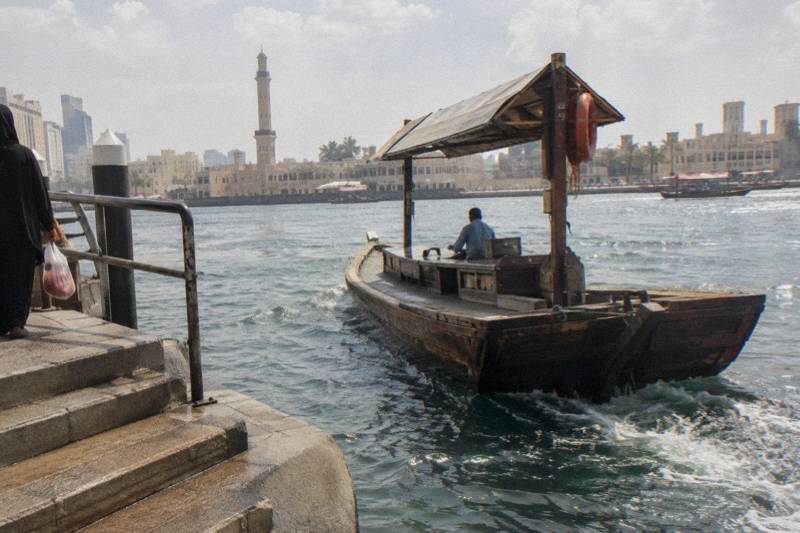
Deira Spice Souk: What To Taste And Buy
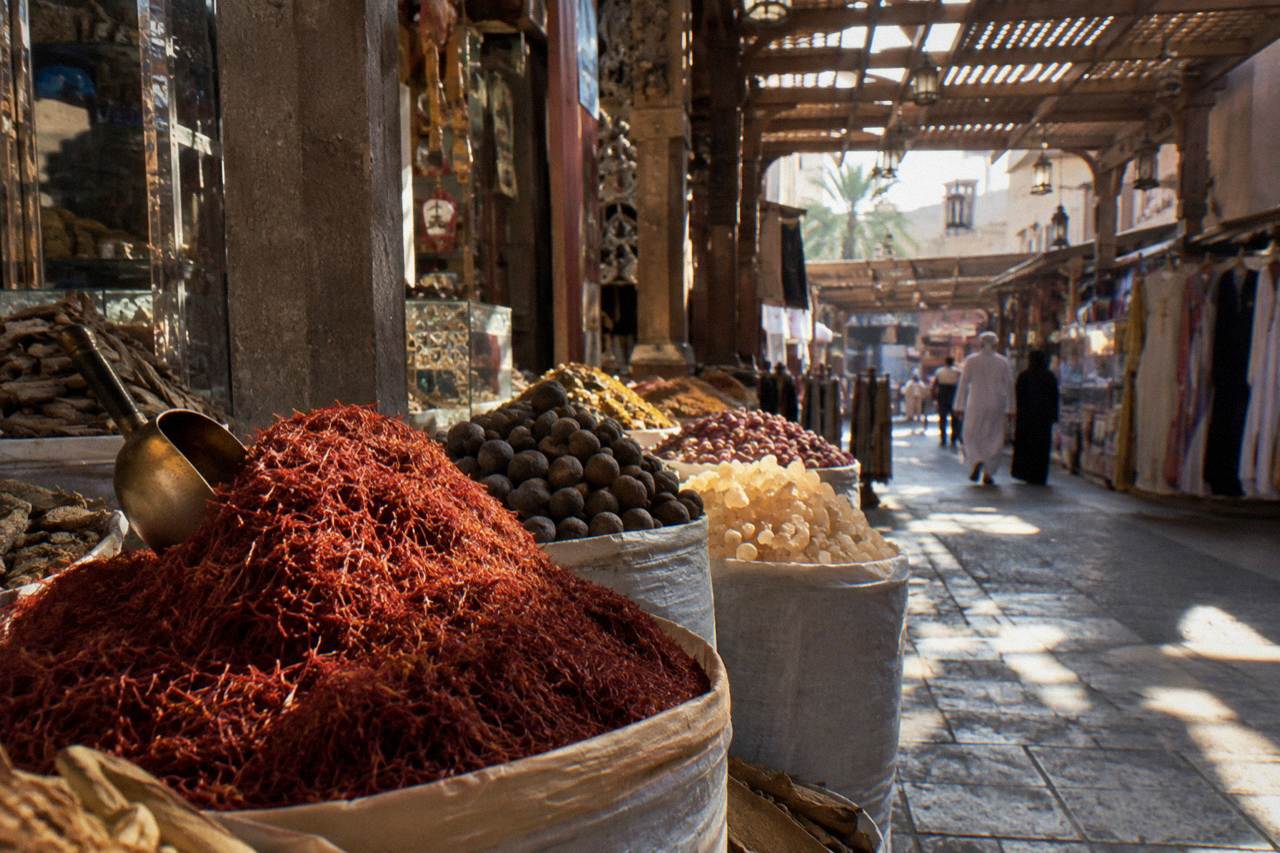
The Deira Spice Souk is the smell of Old Dubai: saffron, dried lime and frankincense stacked in sacks along covered lanes near the Creek. This guide covers what to taste, what to buy, how bargaining works and how a guided tasting walk fits around an independent visit.
Short answer
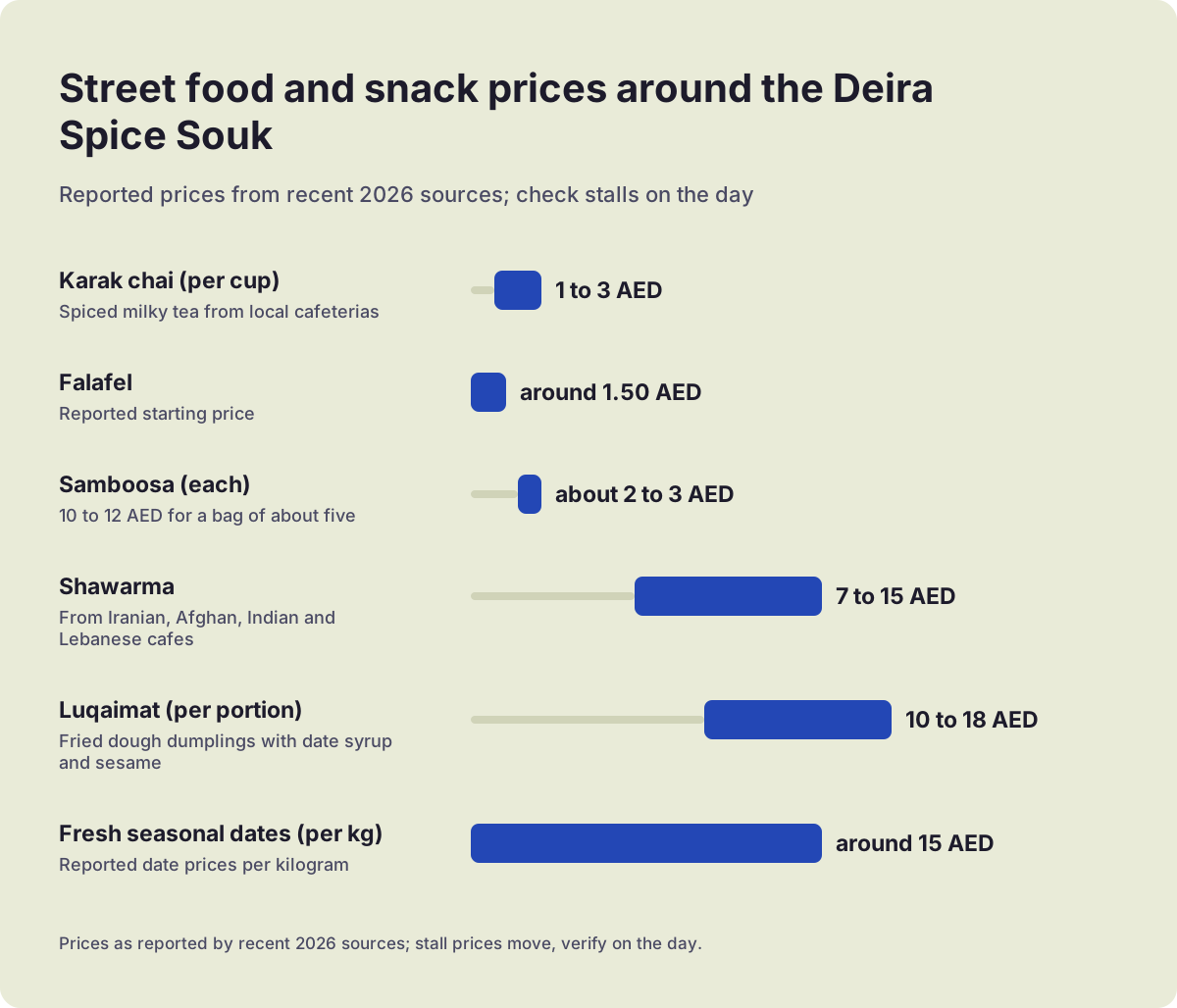
The Deira Spice Souk sits in Deira near the Creek, with shops reported to open earlier than 8am and run past 9pm, closed during the daytime on Fridays. Expect saffron, dried limes, frankincense and teas, bargaining as standard, and reported street food from around 1 AED for karak to 18 AED for luqaimat.
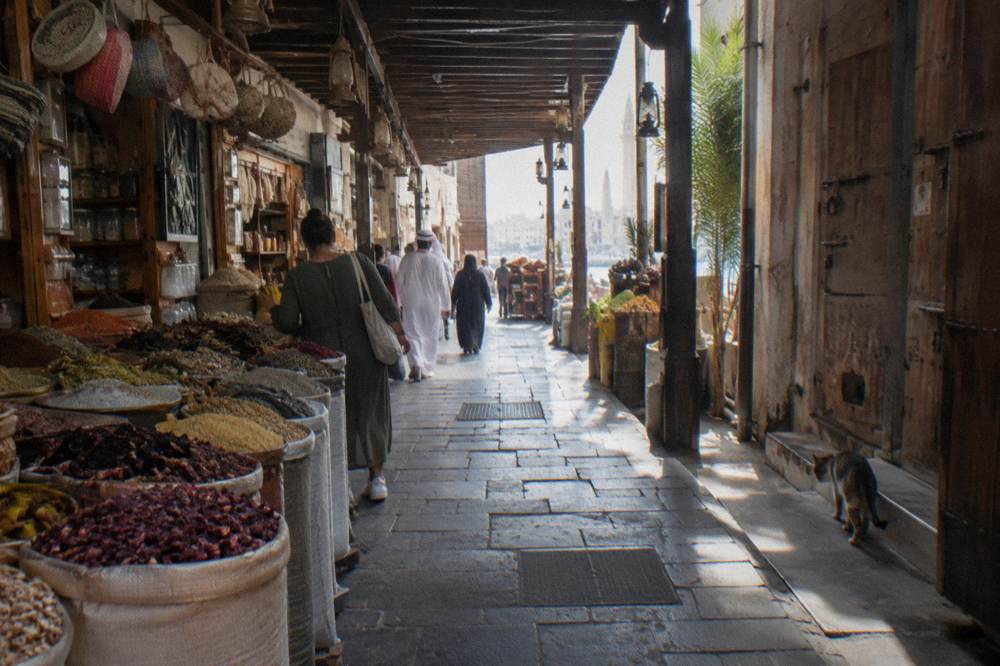
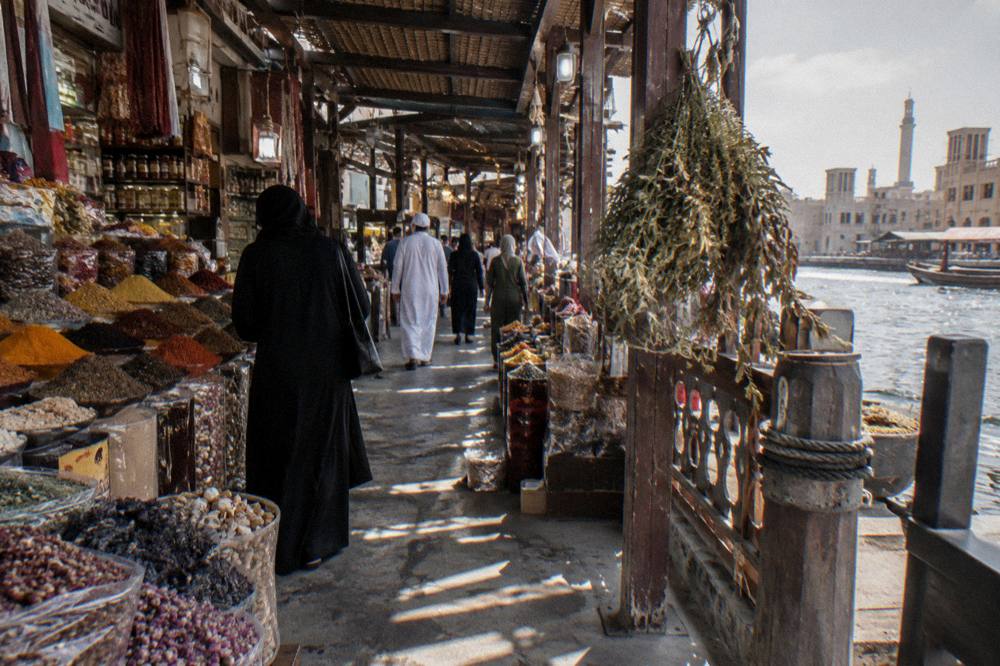
The covered lanes of Deira's Spice Souk are the closest thing Dubai has to a signature smell. Sacks of saffron, dried limes, cinnamon and frankincense line narrow alleys a few minutes from the Gold Souk, and the scent reaches you before the stalls do. It is a working market, not a museum piece: shopkeepers from across the region sell to restaurants, homes and visiting cooks, and the browsing is free.
This guide is the practical version. What the souk actually is, which spices and ingredients are worth tasting and buying, how bargaining works, what a guided tasting walk adds, and how to get there and behave while you are at it. Prices marked as reported come from recent 2026 sources and should be checked on the day, since stall prices move. The Dubai Food Tours site covers Old Dubai food routes in depth, and the Spice Souk is the fragrant anchor of most of them.
What Is The Deira Spice Souk?
The Deira Spice Souk is a cluster of covered lanes in Deira, on the Dubai side of the Creek opposite Bur Dubai, where spice, herb, tea and incense traders sell from open-fronted shops. Visit Dubai reports shops generally open earlier than 8am and past 9pm, with a daytime closure on Fridays, and hours vary by individual shop. Entry costs nothing and browsing is expected.
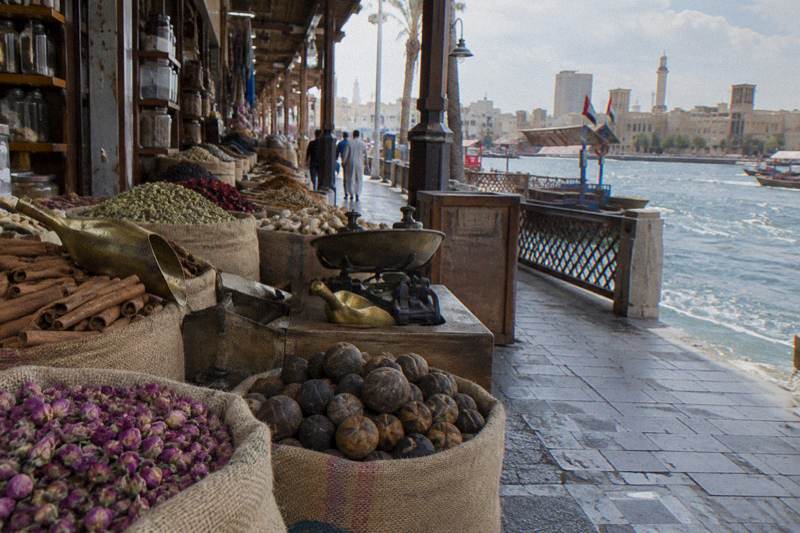
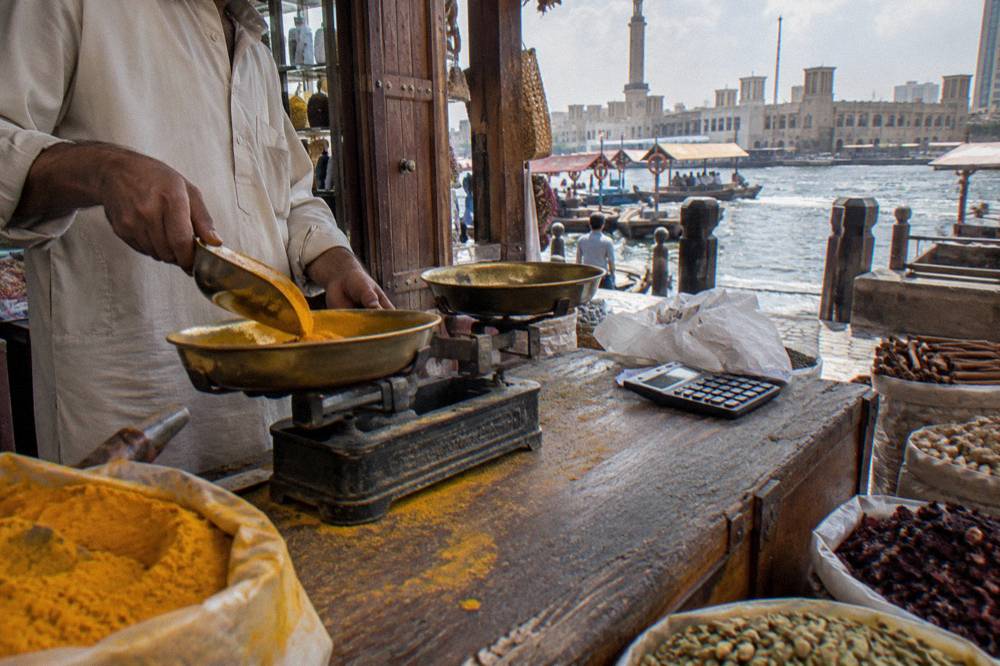
The souk sits in the heart of Old Dubai, a short walk from the Gold Souk and the Al Ras area. Traders stock whole and ground spices, dried flowers and roots, teas, nuts, dates and incense, much of it displayed in open hessian sacks so you can smell before you buy. That smell is the point: saffron, cardamom, dried lime and oud drift down the lane and hit you at the entrance.
It is also a food neighbourhood, not just a shopping one. The lanes around the souk hold Iranian, Afghan, Indian, Pakistani and Lebanese cafes serving shawarma, falafel, samboosa, karak and luqaimat, with recent sources reporting shawarma at 7 to 15 AED, karak at 1 to 3 AED and falafel from around 1.50 AED. A visit pairs naturally with eating, which is why so many guided food walks route through here. For the wider eating picture, see the Deira food guide for Old Dubai.
What Spices And Ingredients Should You Taste And Buy?
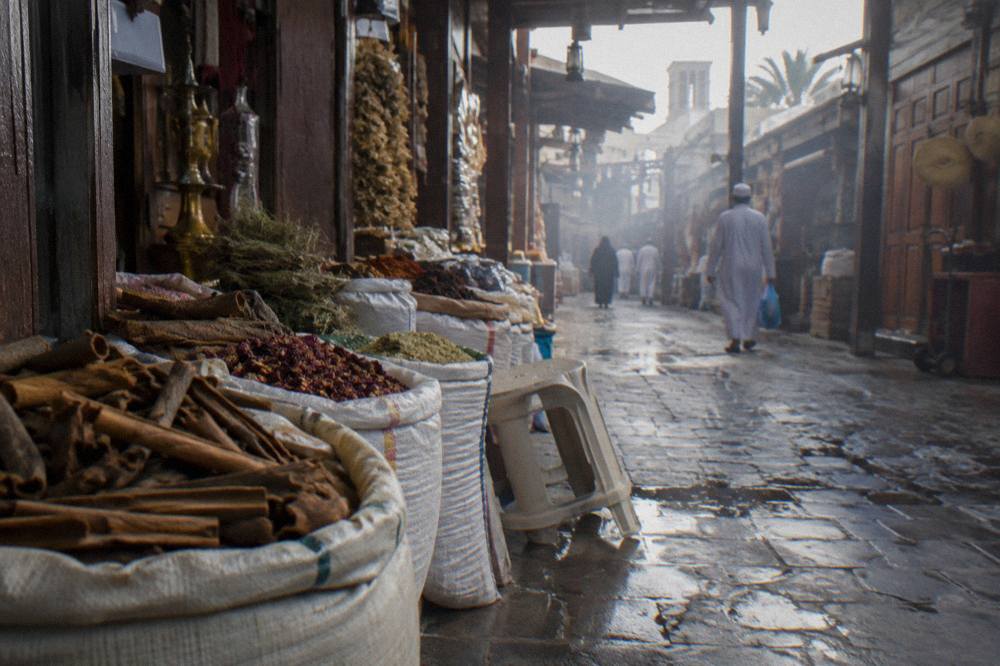
Buy saffron, dried limes (loomi), cardamom, baharat spice blends, frankincense and date products, and taste karak chai and luqaimat in the surrounding lanes while you shop. Saffron is sold by weight and quality varies by grade, so ask to see the threads before agreeing a price. Reported date prices run from around 15 AED per kilogram for fresh seasonal dates.
Saffron is the souk's headline item. Stalls sell it by the gram, and the honest sellers will show you the threads and let you smell them before weighing. Quality and price move together, so a stall quoting a suspiciously low rate is usually selling a lower grade or a blend. Ask, compare two or three stalls and do not rush.
Dried limes, called loomi, are the ingredient behind much of the region's sour depth, and they are the kind of thing you cannot easily buy at home. They show up in Emirati machboos and in Iranian and Gulf cooking generally, and the souk sells them by the bag. Baharat blends, sumac, za'atar, cardamom, cinnamon and dried rose buds all travel well, and frankincense makes a light, personal souvenir that survives a suitcase intact.
Tasting is half the visit. Karak chai, the spiced milky tea sold from cafeterias around Deira, is reported at 1 to 3 AED a cup at local spots. Luqaimat, the crisp fried dough dumplings drizzled with date syrup and sesame, are reported at 10 to 18 AED a portion. Samboosa run about 2 to 3 AED each or 10 to 12 AED for a bag of about five, as reported. None of these are guaranteed at any particular stall, but the pattern around the souk is consistent. For a wider picture of everyday eating beyond the souk, the guide to where Dubai locals actually eat covers Deira cafeterias, karak stalls, and Emirati dining rooms in Bur Dubai.
| Item | What it is | Typical reported price | Buying note |
|---|---|---|---|
| Saffron | Dried crocus threads, sold by weight | Varies by grade and stall | Ask to see and smell threads first; compare stalls |
| Dried lime (loomi) | Sun-dried limes for sour, fermented depth in stews | Sold by the bag | Light, travels well |
| Baharat blend | Mixed warm spices for rice and meat dishes | Sold per bag | Blend recipes differ by stall |
| Frankincense | Resin burned as incense | Sold by weight | Long-keeping souvenir |
| Karak chai | Spiced milky tea from nearby cafeterias | 1 to 3 AED reported | Cash-friendly, fast |
| Luqaimat | Fried dough dumplings with date syrup and sesame | 10 to 18 AED reported | Best eaten warm and immediately |
If you would rather have someone else handle the stalls, the snacks and the Creek crossing in one booked afternoon, the three walks below all route through the souk and Deira with tastings included, with prices and inclusions on each operator's booking page.
How Does Bargaining At The Spice Souk Work?
Bargaining is expected at the Spice Souk: the first quoted price is an opening position, not a final one. Open at roughly half to two-thirds of the quote, stay friendly, and be ready to walk away, since the stall next door usually stocks the same sack. Fixed-price shopping exists in the surrounding supermarkets if you would rather skip it.
The rhythm is simple. Ask the price, look interested but unhurried, counter lower and meet somewhere in the middle. Politeness carries the whole exchange, and a smile costs nothing. Walking away is a legitimate move, not an insult, and it is often what produces the better number. Decide what the item is worth to you before you start and stop when you reach it.
A few practical notes. Weigh items in front of you and check whether the price quoted is per gram or per bag before you nod. Paying cash keeps things simple. If a deal feels off, decline and move on; there are dozens of stalls and the same goods appear repeatedly down the lane. Buying several items from one stall is a fair basis for asking a better combined price.
For restaurant and cafe spending outside the souk, recent sources report that restaurants commonly add a 10 per cent service charge retained by the venue plus 5 per cent VAT, with cash tips of 5 to 10 per cent voluntary. That is a different transaction from stall bargaining, and the tipping and paying guide for Old Dubai covers it in full.
What Does A Guided Souk Tasting Add?
A guided souk tasting walk adds counted tastings, a guide who knows which stalls to stop at and the Creek boat crossing in one booked package, typically 2 to 4 hours across the options compared here. You trade the bargaining and guesswork for a fixed route, and the listing states exactly which tastings and drinks are included. Prices and ratings sit on each booking page.
The featured walk on this page, the Authentic Old Dubai souks and tastings boat tour, runs 2 hours through the souks with tastings and a local boat ride on the Creek. It is the shortest of the bunch, which suits a first visit or a tight schedule: you see the lanes, taste along the way and cross the water without committing half a day.
Longer options spread out. The Dubai Aladdin tour runs 3 hours across souks, the Creek and Old Dubai with tastings, and the souks, museums and local food tasting walk also runs 3 hours with a museum angle. A 2.5 to 4 hour Al Fahidi and souks walk crosses the Creek on an abra cruise from the Bur Dubai side. What varies between them is route, tasting count and where you start, so the booking page is the source of truth for each.
| Tour | Duration | Category | What the listing centres on |
|---|---|---|---|
| Authentic Old Dubai, Souks, Tastings & local boat | 2 hours | Old Dubai walks | Souks, tastings, local boat crossing |
| Dubai Aladdin Tour: Souks, Creek, Old Dubai and Tastings | 3 hours | Old Dubai walks | Souks, Creek, tastings |
| Walking Tour in Dubai: Souks, museums, Local Food Testing | 3 hours | Old Dubai walks | Souks, museums, local food tasting |
| Dubai: Al Fahidi Old Town, Souks, Street Food & Abra Cruise | 2.5 to 4 hours | Old Dubai walks | Al Fahidi, souks, street food, abra cruise |
The Aladdin tour suits visitors who want the Creek and the story alongside the spices, and it pairs well with the Dubai souk tour guide to markets, food and history.
The museums-and-food walk, meanwhile, works for anyone who wants air-conditioned pauses between tastings on a hot day, a pattern the Dubai food walking tour pace guide explores in detail.
How Do You Get To The Spice Souk?
Take the Green Line to Al Ras station and walk, or ride an abra across the Creek from Bur Dubai, both of which land you within minutes of the souk lanes. The RTA lists the Al Ras station on the Green Line, and the traditional Creek abra routes include CR1 from Bur Dubai to Deira Old Souq. Metro hours run from 5am, and Sunday service starts at 8am.
The Metro is the simplest approach. Al Ras sits on the Green Line, with Baniyas Square and Gold Souq stations adjacent to it on the same stretch, and the walk from Al Ras to the souk lanes is short. The RTA's Nol card costs 25 AED for a Silver or Gold anonymous card including initial credit, and covers metro, buses and marine transport. Check the RTA's station map for current details at the official metro stations page.
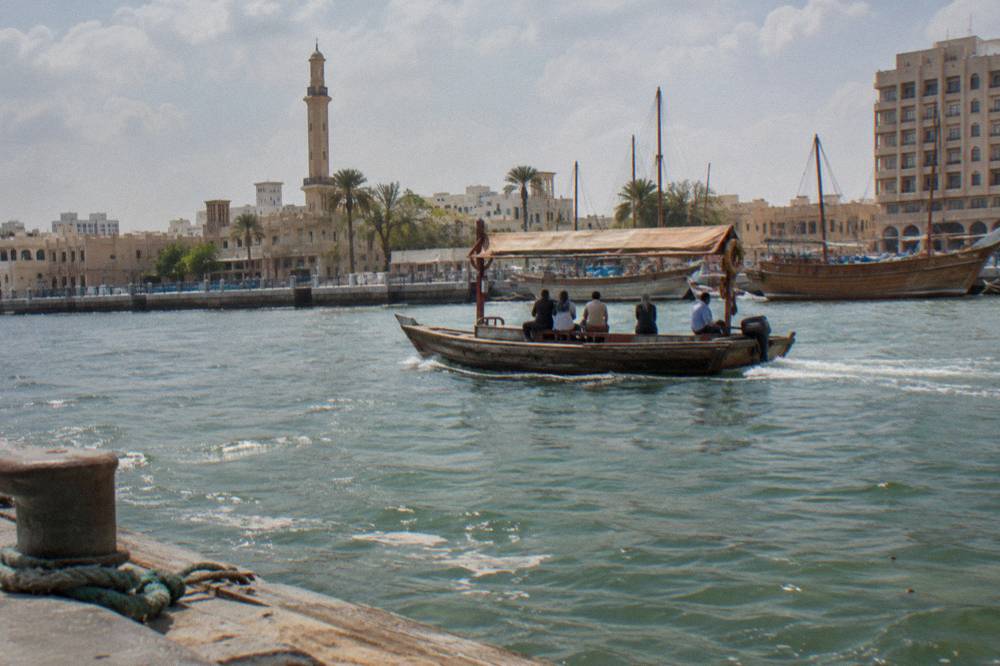
Coming from Bur Dubai, the abra is the atmospheric route. The RTA operates traditional commuter crossings including CR1 between Bur Dubai and Deira Old Souq, plus routes CR2, CR4, CR5 and CR6 linking Al Fahidi, Al Seef, Al Sabkha and Baniyas points, per the official RTA Creek abra page. The crossing itself takes minutes and drops you in the heart of Deira. Do not print the fare in your head from memory: check the current fare on the RTA page before you ride, and the getting to Old Dubai by metro and abra guide walks through the whole journey.
| Approach | Route | Notes |
|---|---|---|
| Metro | Green Line to Al Ras | Short walk to souk lanes; Nol card 25 AED including credit |
| Abra crossing | CR1 Bur Dubai to Deira Old Souq, and related routes | Minutes across the Creek; check current fare with RTA |
| Taxi | Road pickup to Deira | RTA starting fares reported at 5 AED daytime, 5.5 AED at night |
| On foot | From Gold Souk or Al Ras area | Lanes connect souks, abra docks and cafes |
For a walk that strings the Creek crossing and the souks together with a guide handling the logistics, the Al Fahidi and abra cruise option starts on the Bur Dubai side and finishes in Deira, which suits visitors staying in Bur Dubai or Al Seef.
What Should You Know About Etiquette, Dress And Timing?
Cover shoulders and knees in the souk lanes, ask before photographing people, and remember that all meat served in Dubai is halal, with alcohol unavailable in the souk area outside licensed venues. Shops are reported closed during the daytime on Fridays, and winter months from December to February bring the lowest average daytime highs, 24 to 26 °C, for walking.
Dress is the first thing. There is no single dress-code law for tourists, but heritage districts and souks are exactly the places where covering shoulders and knees earns respect and avoids attention. Photography comes second: always ask permission before photographing individuals, particularly Emirati women and families, since photographing without consent can violate privacy rules. A gesture and a smile usually settle it.
Food rules are simple for visitors. All meat sold and served in restaurants and markets follows halal rules, and pork appears only in designated licensed sections. Alcohol is served at licensed venues only, never in public places, and street food walks through Old Dubai serve no alcohol unless a listing says otherwise. Dietary needs beyond that are worth raising with the operator before booking; the vegetarian and dietary needs guide covers what to ask.
| Topic | The rule as reported |
|---|---|
| Dress | Cover shoulders and knees in souks and heritage areas |
| Photography | Ask permission before photographing people |
| Meat | All restaurant and market meat is halal; pork only in licensed sections |
| Alcohol | Licensed venues only, none in public places; visitors must be over 21 |
| Friday hours | Spice Souk shops reported closed daytime on Fridays |
| Tipping | Restaurants add a 10 per cent service charge plus 5 per cent VAT; cash tips of 5 to 10 per cent voluntary |
Timing matters as much as etiquette. December through February offer the lowest average daytime highs for walking, per NCM-derived normals, and mid-winter sunset falls around 5.30pm, so an afternoon souk visit in January ends in daylight around 6pm. In summer, the covered lanes help but the midday heat is real, and the best time to visit Dubai guide works through the seasons.
Which Souk Day Fits You Best?
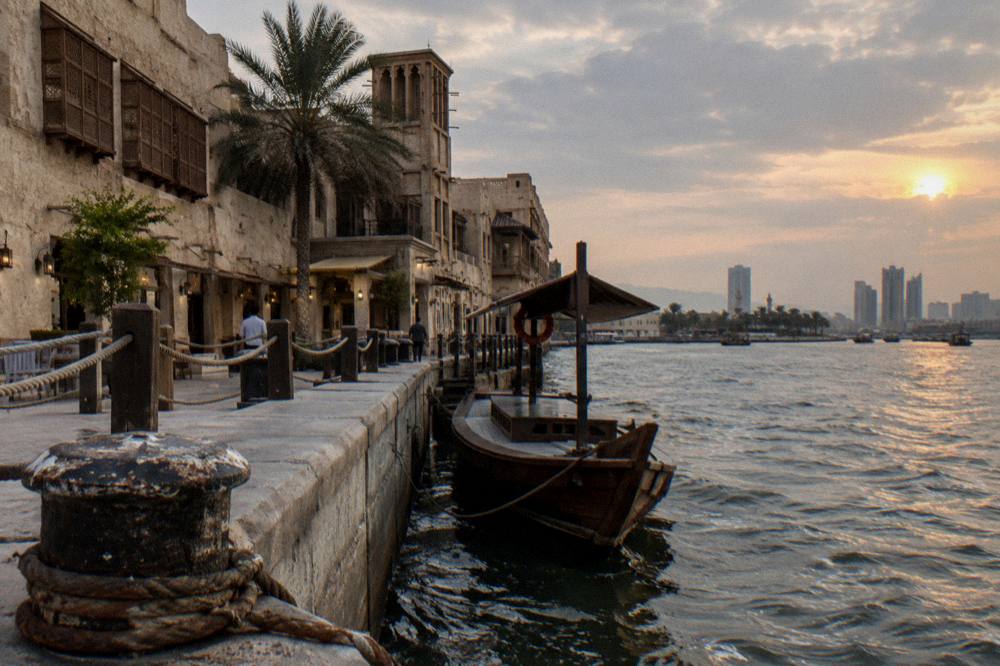
A half-day pattern works best: arrive by Metro or abra in the morning, bargain through the spice lanes while the sacks are fresh and the heat is low, taste karak and luqaimat in the surrounding cafes, and finish with a Creek crossing before the afternoon. Shoppers wanting counted tastings and a fixed route should book a guided walk, while confident bargainers can do the souk independently for the cost of the snacks alone.
Both patterns are legitimate. The independent visit costs you nothing at the door and only what you buy, with reported snack prices from a couple of dirhams for karak up to around 18 AED for luqaimat, plus whatever spices you carry home. The guided walk costs the listed price and buys you a route, counted tastings and a guide's judgement about which stalls deserve your time, plus the boat crossing in most cases.
The honest trade-off is control versus effort. On your own you choose every stop and every price, and you carry the risk of a weak first bargain. With a guide you surrender the choices and gain consistency, plus the parts of Old Dubai that are hard to stumble into, like the heritage lanes of Al Fahidi across the water. Many visitors do the souk independently one day and take a guided walk the next, using the guide to fill in the dishes they missed.
Whichever way you lean, the three souk walks compared here cover the range from a 2-hour tasting and boat circuit to a 3 to 4 hour Old Town route, with current prices and inclusions on each operator's booking page.
Common Questions About The Deira Spice Souk
What Spices Should I Buy At The Deira Spice Souk?
Saffron, dried limes (loomi), cardamom, baharat blends, sumac, za'atar and frankincense are the classic buys, all sold by weight and all travel-friendly. Ask to see saffron threads before agreeing a price, since grade varies by stall.
Is Bargaining Expected At The Spice Souk?
Yes. The first quoted price is an opening position. Counter at roughly half to two-thirds, stay friendly and be willing to walk away, since neighbouring stalls often stock the same goods.
When Is The Deira Spice Souk Open?
Visit Dubai reports shops generally open earlier than 8am and past 9pm, with a daytime closure on Fridays and many shops taking midday breaks. Individual shop hours vary, so check before a dedicated trip.
How Do I Get To The Spice Souk?
Take the Metro's Green Line to Al Ras station and walk, or cross the Creek on a traditional abra from Bur Dubai, with the RTA listing several routes including CR1 to Deira Old Souq. Check the current abra fare on the official RTA page.
What Should I Wear To The Spice Souk?
Cover shoulders and knees, as in all of Dubai's souks and heritage areas. There is no single dress-code law for tourists, but modest dress avoids attention in traditional districts.
Is A Guided Souk Tour Worth It, Or Can I Explore Alone?
Both work. Independent exploring is free at the door and you control every purchase, while a guided walk adds counted tastings, a fixed route and a Creek crossing, typically 2 to 4 hours across the options compared here. Prices and inclusions sit on each operator's booking page.