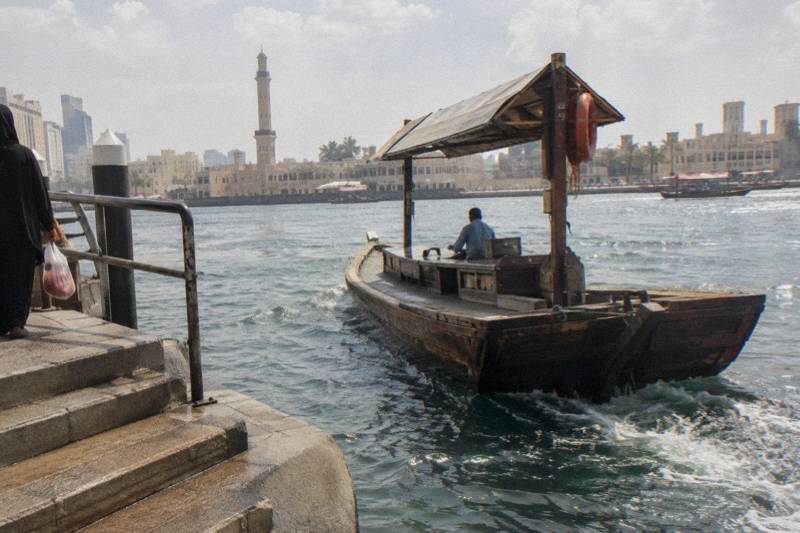
Dubai Souk Tour: Markets, Food And History
A souk walk through old Dubai pairs three famous markets with the street food that has grown up around them. Here is what a guided route covers, what it costs to eat along the way, and how to choose between a market-focused walk and a food-led one.
Short answer
A Dubai souk tour typically walks the Textile Souk in Bur Dubai, crosses the Creek by abra, and explores the Spice and Gold Souks in Deira, with tastings of shawarma, karak, falafel and luqaimat along the way. Most guided versions run 2 to 4 hours, and prices are listed on each operator's booking page.
Old Dubai's souks have been trading along the Creek for generations, and today they sit within a 20 minute walk of each other, stitched together by an abra crossing that has run the same way for decades. A souk tour is the most efficient way to see all three markets, because the routes are not obvious: the Textile Souk hides behind Al Fahidi's wind-tower lanes, the Spice Souk's sacks of saffron and dried lime sit a Creek crossing away in Deira, and the Gold Souk's arcade is a further ten minutes north. Food sits inside that geography rather than beside it, with karak cafeterias, shawarma counters and luqaimat fryers clustered around the same alleys the traders use. If you want to extend the trip beyond the Creek, the guide to Madinat Jumeirah Souk and the other souks across Dubai compares the modern markets with the old ones and picks the best food walks.
This guide lays out what a guided souk walk actually covers, how the market-only and food-led versions differ, what things cost on the street, and how to time the walk around the souks' own rhythms.
What Does A Dubai Souk Tour Actually Include?
A Dubai souk tour is a guided walking route through the old city's markets, usually the Textile Souk in Bur Dubai and the Spice and Gold Souks in Deira, joined by an abra crossing of the Creek. Food-led versions add tastings at street counters along the route, commonly shawarma, falafel, karak tea, samosas and luqaimat. Most run between 2 and 4 hours.
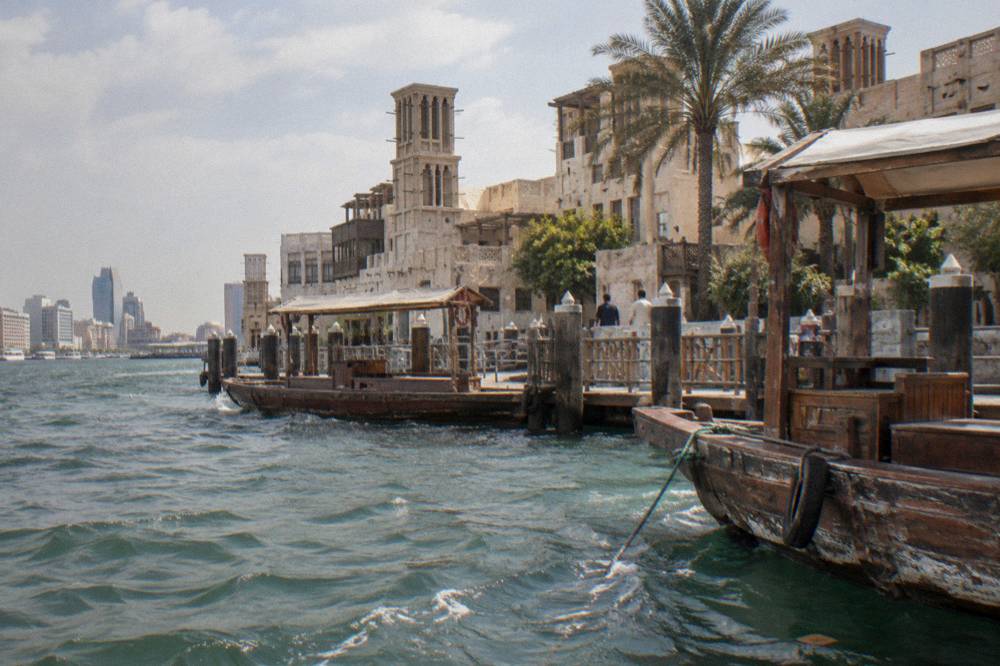
The core geography rarely changes. You start on the Bur Dubai side, often near Al Fahidi Historical Neighbourhood or the Al Seef waterfront, walk the covered lanes of the Textile Souk, then board an abra at the Bur Dubai dock for the short crossing to Deira. On the far bank the Spice Souk comes first, then the walk continues north to the Gold Souk and the lanes around Al Ras. Guides fold in the history as they go: the wind towers, the pearl-diving trade that predated oil, and the role the Creek played as the city's original harbour.
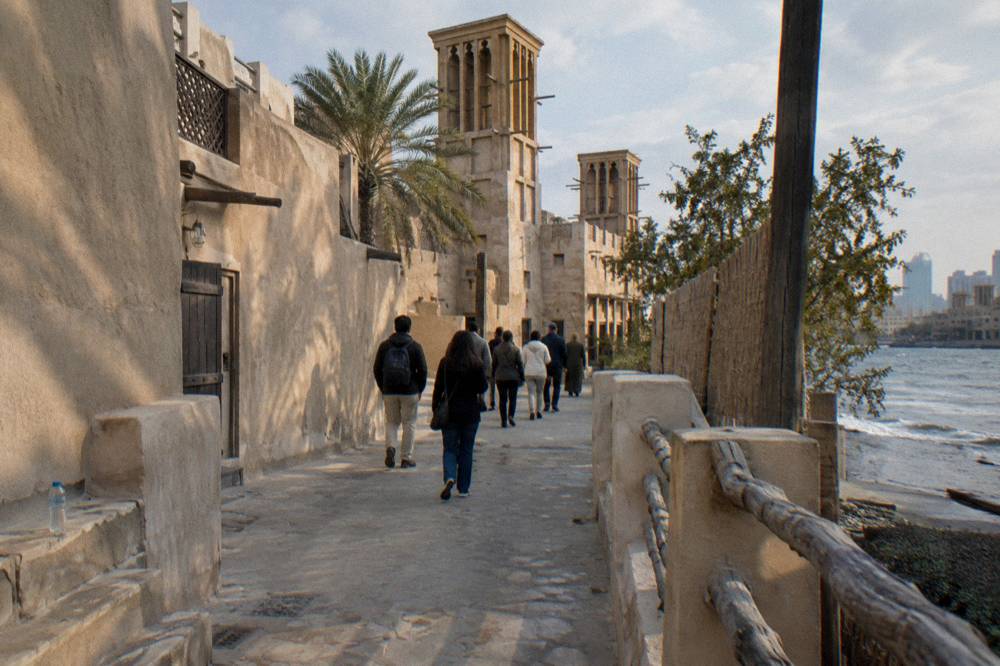
What varies between listings is how much of the route is markets and how much is food. Some walks are primarily historic tours with a tasting or two; others are structured around the food stops and use the souks as the corridor between them. The duration, meeting point and inclusions are stated on each booking page, so read those before choosing rather than assuming. The featured walk on this page, the Al Fahidi Old Town, Souks, Street Food & Abra Cruise experience, runs 2.5 to 4 hours and pairs the heritage district with the souks and a boat ride on the Creek.
Which Souks Does A Guided Walk Cover?
Most guided souk walks cover three markets: the Textile Souk in Bur Dubai, and the Spice Souk and Gold Souk in Deira, connected by an abra crossing. Some routes add the lanes of Al Fahidi Historical Neighbourhood or the Al Seef waterfront at the start, and a few finish in the smaller alleys around Al Ras. For a closer look at the star attraction among these markets, the guide to Dubai's famous Gold Souk and Spice Souk covers what to buy, typical prices, and how to reach Deira.
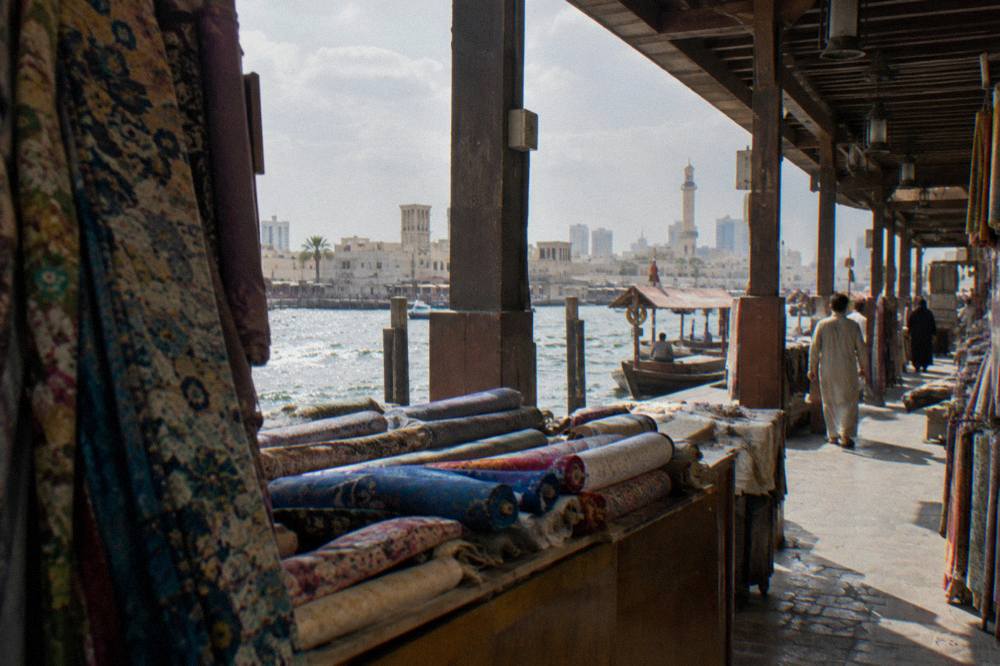
The Textile Souk is the usual Bur Dubai anchor. It is a covered arcade of fabric shops selling everything from pashminas to tailored abayas, and its hours are not officially published: vendors typically trade from around 9am to 8pm, with some secondary sources noting Friday afternoon closures. Individual shops vary, so treat those times as a pattern rather than a promise.
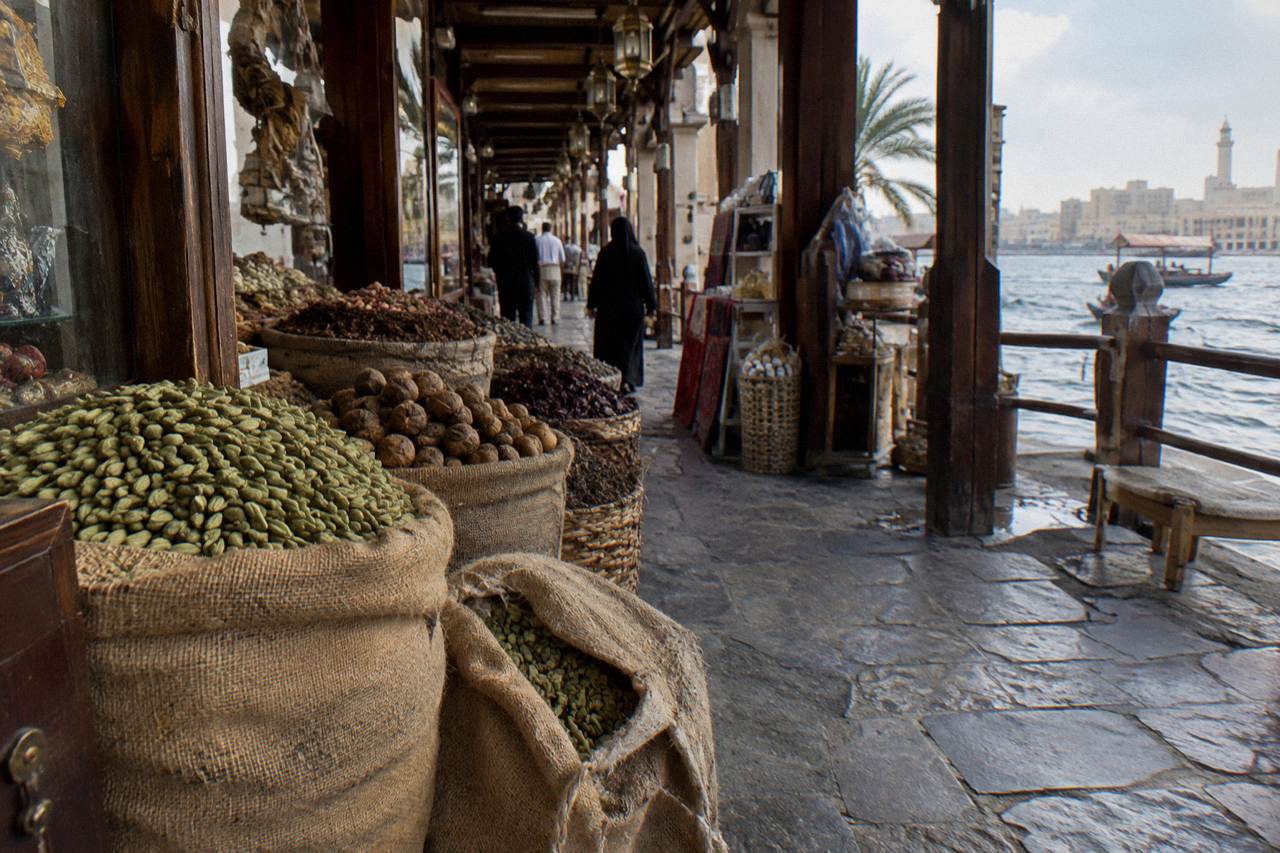
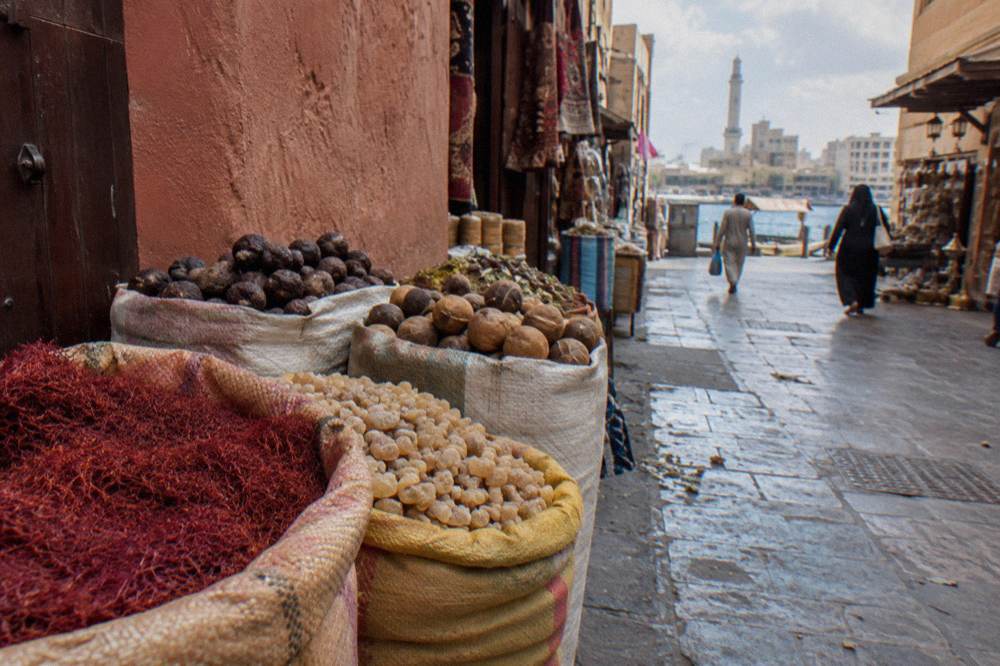
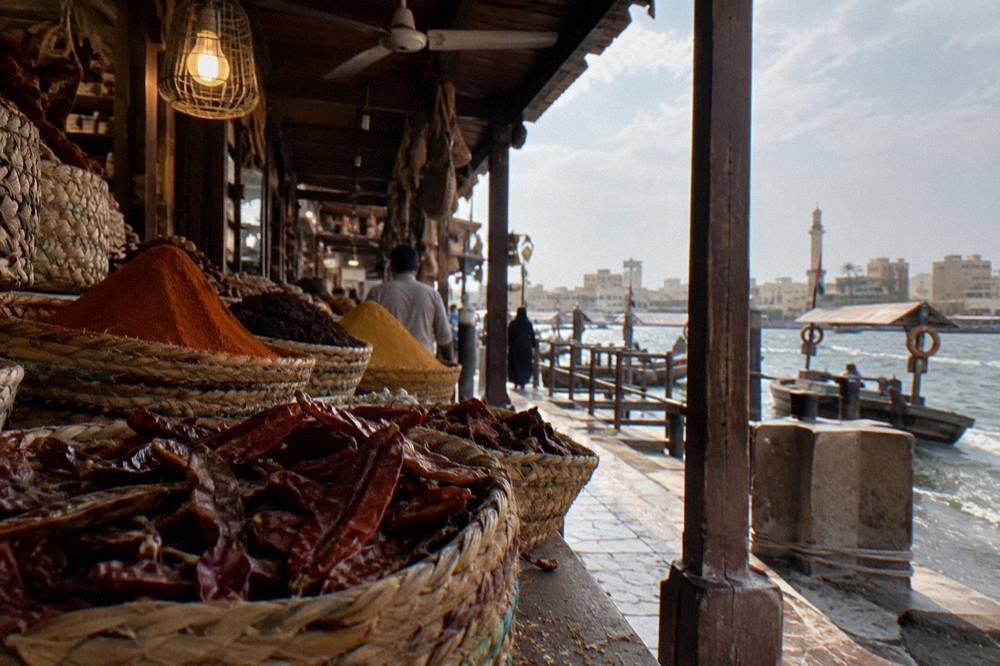
Across the Creek, the Spice Souk is the sensory centre of the walk. Sacks of saffron, dried limes, cardamom and frankincense line the alley, and the shops generally open earlier than 8am and run past 9pm, though many close during the daytime on Fridays and take midday breaks. The Gold Souk sits a short walk further north: Visit Dubai states most shops open around 10am to 10pm, with individual shop hours varying and no single official timetable.
| Souk | Creek side | What it sells | Reported trading pattern |
|---|---|---|---|
| Textile Souk | Bur Dubai | Fabrics, pashminas, tailoring | Around 9am to 8pm, vendor hours vary |
| Spice Souk | Deira | Spices, dried limes, saffron, incense | Earlier than 8am to past 9pm, Friday daytime closures |
| Gold Souk | Deira | Gold, silver and jewellery | Most shops around 10am to 10pm |
Guided walks handle the logistics of linking all three: the meeting point, the crossing, and the pacing. The Old Town, Souks, Street Food, Guided Tour & Abra Ride experience covers the same three-market geography with street food stops built in, and its listing states the exact inclusions and meeting point. For readers comparing formats, this walk pairs well with the Deira spice souk tasting guide, which goes deeper on what to buy in the spice lanes.
The three walks above cover the same core geography with different balances of history and food. The Al Fahidi walk is the featured pick because it pairs the heritage district with a boat ride on the Creek; the Old Town walk is the longer, more food-forward option; and the Local Street Food walk keeps the focus squarely on the eating.
Market-Only Or Food-Led Souk Walk: Which Fits You?
Choose a market-only walk if you want shopping time, haggling practice and the Gold Souk as the main event; choose a food-led walk if you want the souks as scenery and the tastings as the point. Food-led walks include the tastings in the ticket, while market-only walks leave you eating at your own pace and cost.
The difference shows up most clearly in how the guide spends the hours. A market-focused tour gives you time in the Gold Souk's arcades and the Textile Souk's fabric stalls, with the guide translating, explaining weights and prices, and helping you bargain. A food-led tour moves faster through the shops and stops at counters instead: a karak cafeteria, a shawarma grill, a luqaimat fryer. The listings state which tastings are included, so check the inclusions line before booking rather than guessing.
There is also a middle category: heritage walks with a small tasting rather than a full food route. These suit travellers who want the history and the markets but only a taste of the street food, not a meal built from stops. If you are travelling with children or older relatives, the shorter 2 to 3 hour versions are usually the better fit, since the full Deira circuit on foot in heat is tiring. The how to choose between Dubai food tours guide breaks the decision down further by group type and budget.
What Food Stops Sit Inside The Souks?
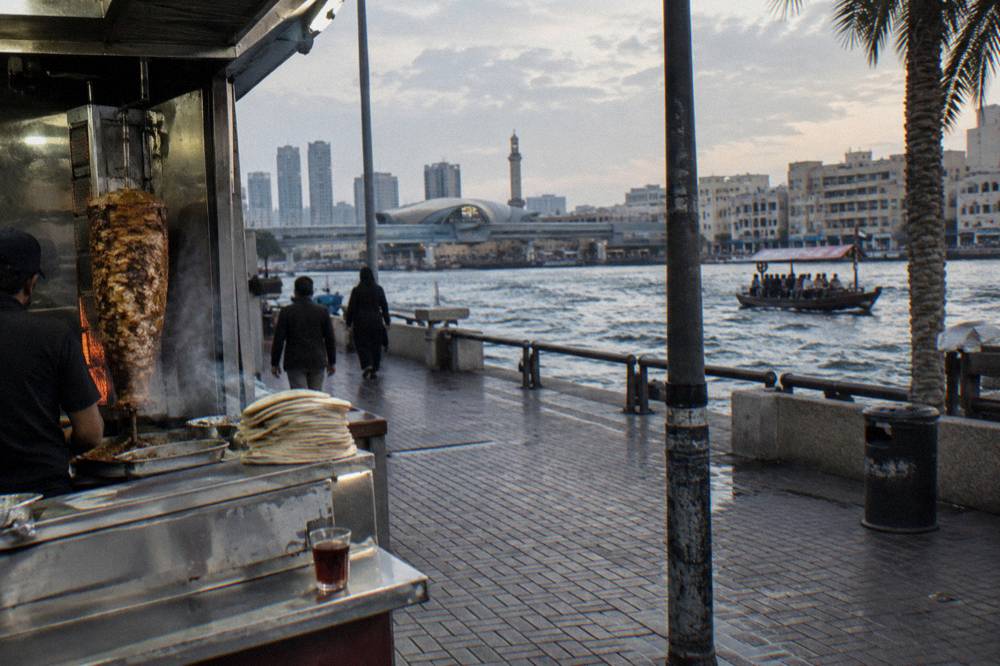
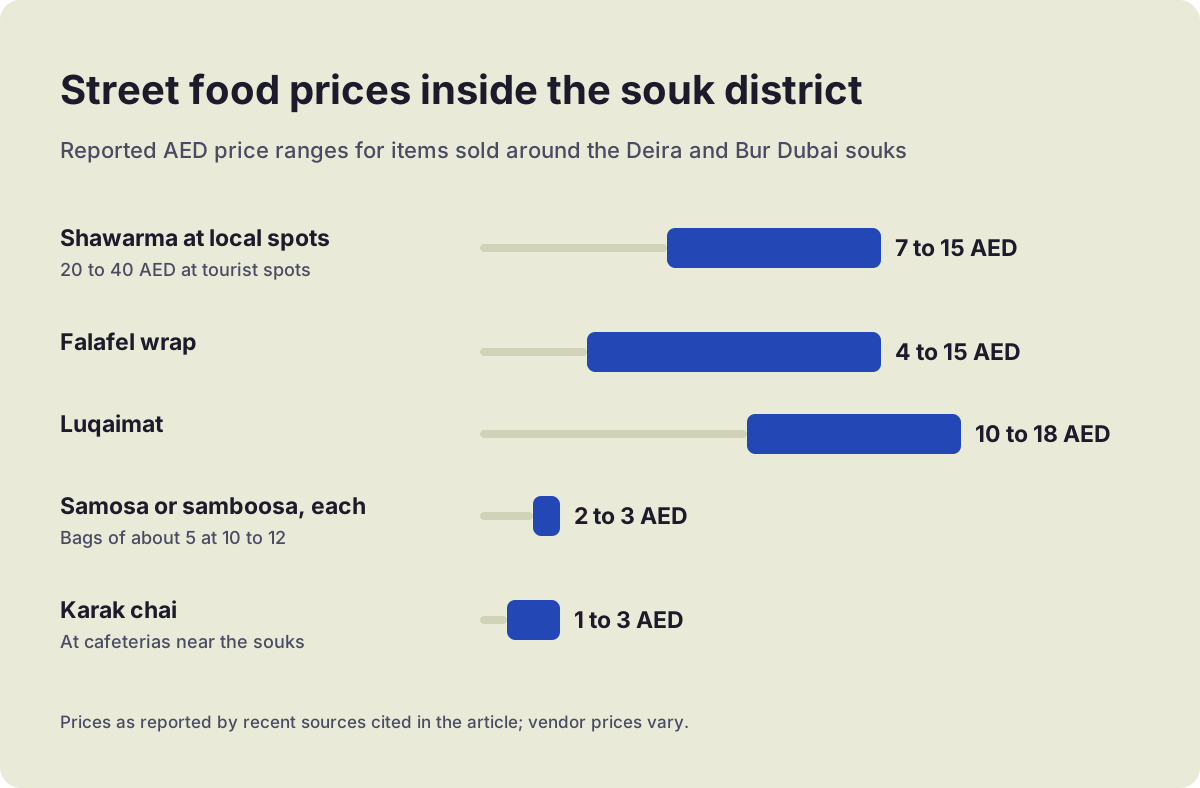
The food inside the souk district is street food: shawarma, falafel, samosas, karak chai and luqaimat, sold from counters and cafeterias clustered around the same alleys as the markets. Recent sources report shawarma at 7 to 15 AED, karak at 1 to 3 AED, falafel from 1.50 to 8 AED and samosas at 2 to 3 AED each.
The eating is woven into the walking rather than seated at restaurants. Deira's lanes around the Spice Souk and Al Ras carry Iranian, Afghan, Indian, Pakistani and Lebanese cafes, and the cheap-eats cluster is dense enough that a guided walk can hit five or six stops in a couple of hours. Luqaimat, the crisp fried dumplings drizzled with date syrup, run around 10 to 18 AED reported. Karak, the spiced milky tea, is the cheapest thing you will drink all day at 1 to 3 AED at local cafeterias, though cafe versions run higher.
| Street item | Reported price range (AED) | Where you find it |
|---|---|---|
| Shawarma | 7 to 15 at local spots, 20 to 40 at tourist spots | Counters through Deira and Bur Dubai |
| Falafel wrap | 4 to 15 | Cafes and street counters |
| Karak chai | 1 to 3 at cafeterias | Small cafeterias near the souks |
| Samosa or samboosa | 2 to 3 each, bags of about 5 at 10 to 12 | Snack stalls in Deira |
| Luqaimat | 10 to 18 | Dessert fryers in the souk lanes |
These are reported street figures, not tour inclusions. A guided food walk charges one price and includes its stated tastings, so the comparison is not item for item: the ticket buys the route, the guide and the counted tastings, and the listing states exactly which items are covered. If you walk the souks independently, the figures above are what the counters charge, and you pay as you go. For the dishes behind the stops, the traditional Emirati food guide explains machboos, harees and luqaimat in detail.
Getting Between Souks: Abras, Metro And Walking
The three souks link on foot and by Creek abra: you walk the Bur Dubai side, cross to Deira by abra, and walk between the Spice and Gold Souks. The RTA runs several abra routes across the Creek, including the traditional commuter crossings between Bur Dubai and Deira, and the fare is paid at the dock.
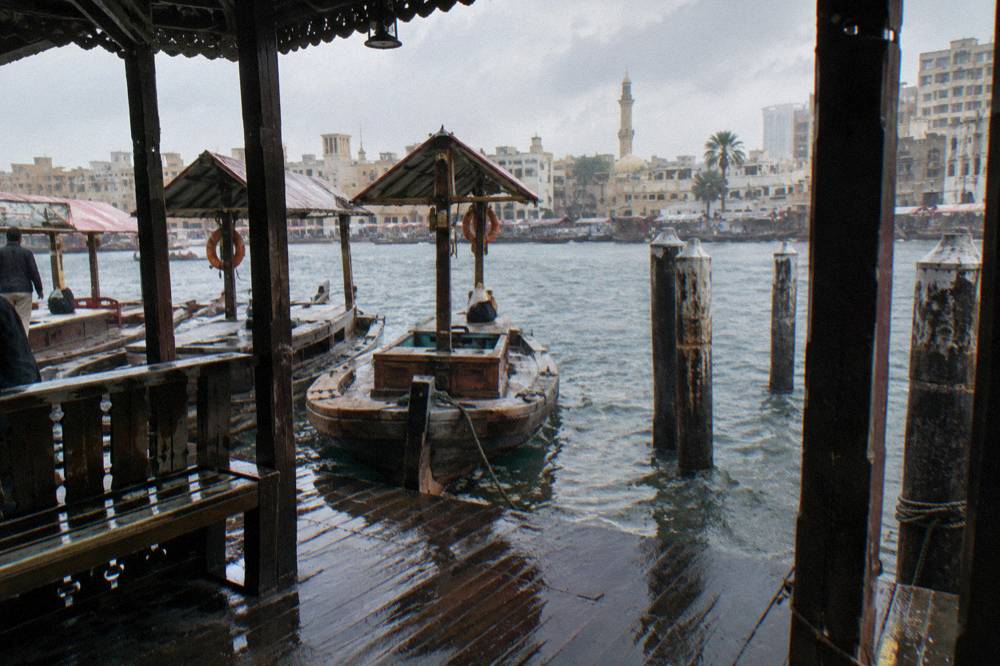
The abra is the classic link and the reason the souk circuit works as a loop. The RTA operates Creek abras on multiple routes, including the traditional crossings between Bur Dubai and Deira Old Souq, and the crossing itself takes only a few minutes. Fares are paid at the dock, and the RTA's Creek abra page carries the current details. Some tours use a private or "cruise" style boat instead of the commuter abra; the listing states which, and the featured Al Fahidi walk includes a boat ride on the Creek as part of its route. Other pages covering the same trip are gathered on Dubai Food Tours.
The Metro is the practical way in. The Green Line serves the district directly: Baniyas Square, Gold Souq and Al Ras stations sit on the Deira side, while Sharaf DG serves the Al Fahidi area on the Bur Dubai side. Meeting points seen on tour listings include Al Ras Metro Station exit 2 and locations in Al Fahidi, so check which side your walk starts on before you travel in. The getting to old Dubai by metro and abra guide covers the full journey from the hotels districts.
No 2026 route closures have been reported for the pedestrian connections between Al Fahidi, Al Seef, the Textile Souk, the abra stations and the Deira souks, and standard walking links exist between all of them. One project worth knowing about: the Dubai Creek Lights project is underway along roughly 8 km of the Creek, including the Gold Souq promenade, Bur Dubai Souq and Al Seef areas, with more than 5,000 lighting units and promenade upgrades scheduled for completion in Q1 2027.
What A Souk Tour Costs And What Is Included
Souk tour prices are per person and vary by format, duration and inclusions, with each listing stating its own price and basis on the booking page. What is included differs by walk: some include counted tastings and a boat ride, others include the guide and the route only, with food bought separately.
Because the tours compared here carry different inclusions, the honest comparison is on what the ticket buys rather than a single number. The featured Al Fahidi walk includes the guided route, the souks, street food stops and an abra-style cruise; the Old Town guided tour includes the walk, the abra ride and street food; the Local Street Food walk is built around the tastings. Each listing prints its own per-person price with its basis, and several vary by group size or date, so read the price line and the inclusions list together.
| Walk format | Typical duration | What the ticket covers | Food basis |
|---|---|---|---|
| Heritage walk with tasting | 2 to 3 hours | Guide, souks, history, small tasting | Tasting included, meals extra |
| Food-led souk walk | 3 to 4 hours | Guide, souks, counted tastings, boat ride | Tastings included per listing |
| Market-only guided tour | 2 to 4 hours | Guide, souks, shopping time, abra crossing | Food bought separately |
As a planning range for the independent side, a casual Emirati, Levantine or neighbourhood cafeteria meal runs 15 to 40 AED per person reported, while a mid-range restaurant meal runs around 80 to 150 AED. A guided example from a long-running local operator is reported at 435 AED per person for 3.5 hours including sampled food and water. Those figures bracket the street-versus-guided decision: a guided walk costs more than eating independently, and the premium buys the route, the context and the counted stops. The how much does a food tour in Dubai cost guide works through the full price logic.
When To Walk The Souks: Timing And Seasons
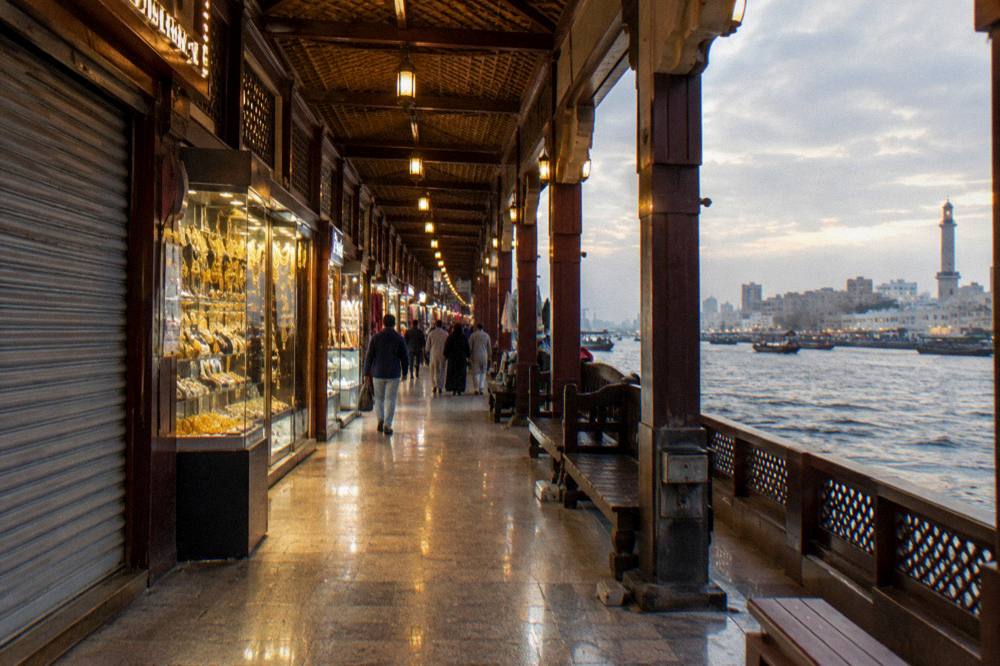
The souks trade from morning to late evening, but the best walking window is late afternoon into evening, when the heat drops and the Spice Souk and Gold Souk are both fully open. December to February brings the lowest average daytime highs, 24 to 26 C, which is the most comfortable stretch of the year for a walking route.
The souks' own rhythms matter more than the clock. The Spice Souk opens earlier than 8am and runs past 9pm, with Friday daytime closures; the Gold Souk's shops mostly open around 10am to 10pm. A morning walk catches the spice lanes at their freshest and quietest; an evening walk catches the Gold Souk lit up and the street counters at full volume. Midday splits the difference with midday breaks at some shops, and summer midday heat makes the covered arcades the only comfortable stretch.
Weather sets the season. NCM-derived monthly normals for Dubai International Airport put December's mean daily maximum at 26.5 C with a minimum of 17.3 C, January at 24.4 C and 15.3 C, and March already back up to 28.9 C. Winter daylight runs roughly 7am to 5:30pm in December, so an afternoon walk finishes near sunset. The best time to visit Dubai for food and walking guide and the summer heat and timing guide cover the seasonal trade-offs in full.
| Time of day | Souk conditions | Street food counters |
|---|---|---|
| Early morning | Spice Souk open, Gold Souk mostly shut | Limited, cafeterias open |
| Late afternoon | All souks trading, heat easing | Full range, queues build |
| Evening | Gold Souk lit, lanes busy | Peak hours for grills and fryers |
| Friday daytime | Spice Souk reported closed, others vary | Reduced |
Etiquette, Dress And Photography In The Souks
In the souks and heritage areas, cover shoulders and knees out of respect; there is no single dress-code law for tourists, but modest dress avoids attention in traditional districts. Always ask permission before photographing individuals, particularly Emirati women and families, and accept Arabic coffee with the right hand if a shop offers it.
The dress guidance is consistent across the official and current sources: swimwear belongs at beaches and pools, and shoulders and knees stay covered in heritage areas, souks and malls. Gahwa etiquette matters if a spice shop or heritage stop offers cardamom coffee with dates: accept and receive the small finjan cup with the right hand, and shake the empty cup gently side to side when you have had enough, which signals no more refills.
Photography is the sharper rule. Photographing individuals without consent can violate privacy rules, and the souks are working markets full of people who did not agree to be in travel pictures. Ask first, especially of Emirati women, families and anyone in traditional attire. For the fuller picture, the dress code for walking tours guide covers the same ground for the whole old city.
Money etiquette is simple. Restaurants commonly add a service charge of up to 10 per cent, which is venue-retained rather than a government fee, plus 5 per cent VAT; cash tips of 5 to 10 per cent are common but voluntary. In the souks themselves, haggling is expected on textiles and souvenirs, and a guide will usually coach the opening move. The tipping and paying in old Dubai guide has the detail.
Common Questions About Dubai Souk Tours
What Does A Dubai Souk Tour Include?
A guided route through the Textile, Spice and Gold Souks, usually joined by an abra crossing of the Creek, with history commentary along the way. Food-led versions add counted tastings such as shawarma, karak, falafel and luqaimat. The exact inclusions, duration and meeting point are stated on each booking page.
How Long Does A Souk Tour In Old Dubai Take?
Most guided souk walks run between 2 and 4 hours. Shorter 2 hour versions cover the core markets quickly, while 3 to 4 hour walks add the heritage district, more food stops and a boat ride on the Creek.
Is A Souk Tour Worth It If I Have Been To The Markets Already?
The markets are free to browse on your own, so the value of a tour is the route, the context and the counted food stops. If you already know the souks, a food-led walk adds more than a market-only one, since the tastings and the guide's counter picks are what you cannot easily replicate alone.
Do Souk Tours Include Food?
Some do and some do not. Food-led walks include their stated tastings in the ticket; heritage and market-focused walks may include only a small tasting or leave all food to be bought separately. The inclusions line on the booking page is the deciding factor.
What Should I Wear On A Souk Tour In Dubai?
Cover shoulders and knees out of respect in the souks and heritage areas; there is no single dress-code law for tourists, but modest dress avoids unwanted attention in traditional districts. Comfortable walking shoes matter more than anything else, since the route covers several kilometres of lanes.
When Are The Souks Open In Dubai?
The Spice Souk generally opens earlier than 8am and runs past 9pm, with closures during Friday daytime; the Gold Souk's shops mostly trade around 10am to 10pm; the Textile Souk's vendor hours vary, typically around 9am to 8pm. Individual shops vary, so check timings on the day.