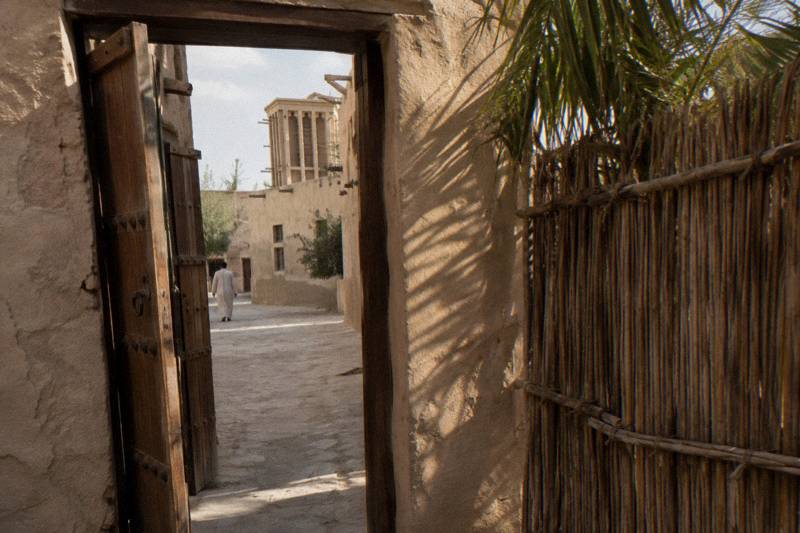
Old Dubai Food Walks In Summer: Heat And Timing
Dubai's summer heat changes when and how a food walk works, not whether it works. Here is what the temperature data says, which time slots make sense, and how the guided routes handle it.
Short answer
December to February brings the lowest average daytime highs, around 24 to 26 C, while summer months push well past that. In heat, book a guided walk for an early morning or evening slot, lean on indoor stops between tastings, and use the metro to reach Old Dubai instead of walking long exposed stretches. Tours run in summer; timing and pacing are what change.
Dubai's summer heat changes the timing of a food walk, not the food itself. The guided routes through Al Fahidi, the souks and the Creek keep running through the hottest months, but the smart move is a morning or evening slot, indoor breaks between tastings, and a short metro hop to the start point instead of a long exposed walk. The winter months are the comfortable ones; the rest of the year belongs to those who plan around the sun.
The food does not hibernate in summer. Shawarma grills, karak stalls and luqaimat fryers work year-round, and the covered lanes of the souks hold shade that the open Corniche does not. What changes is the window in which walking between them feels reasonable, and how much of the route you want a guide to structure for you. This page lays out the temperature picture, the slot choices, the indoor stops and the transport facts, so a summer booking is a decision rather than a gamble.
How Hot Does Dubai Actually Get Month By Month?
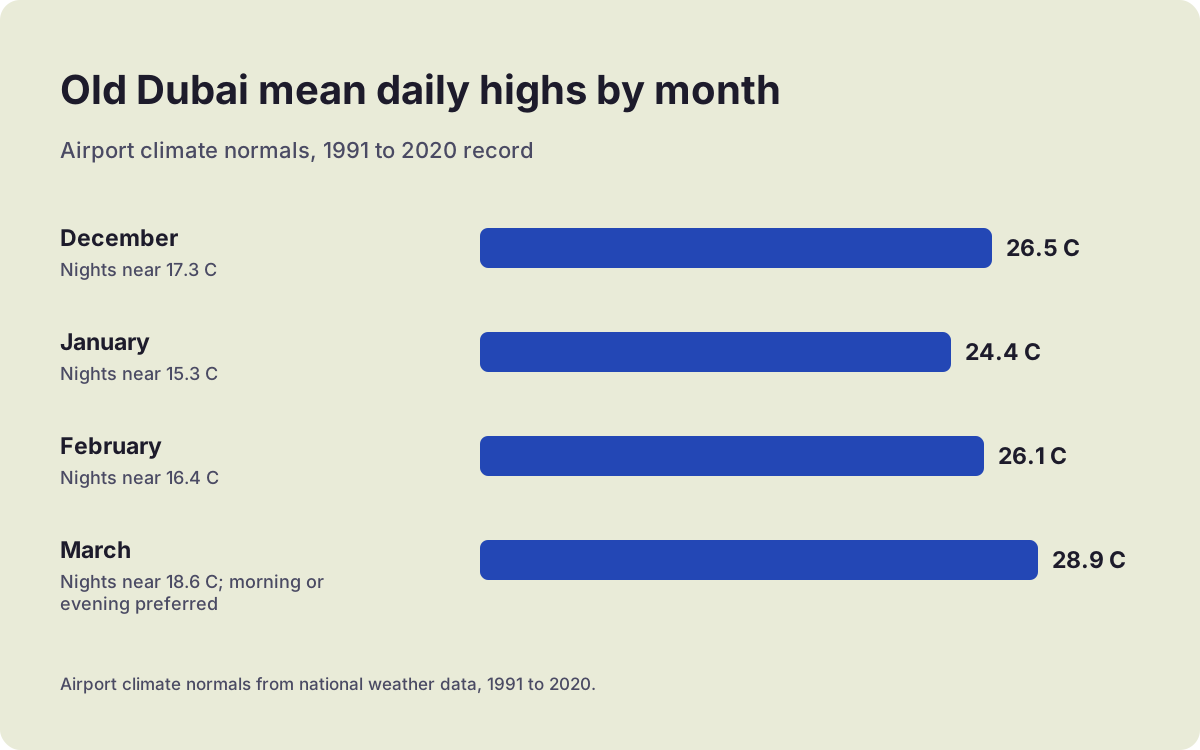
Dubai's coolest months, December through February, see average daytime highs of about 24 to 26 C, while the warmer months climb well beyond that, with the gap between seasons being significant enough that it should shape when you plan to walk outdoors. Airport climate normals compiled from national weather data put the December mean daily maximum at 26.5 C with nights near 17.3 C, January at 24.4 C and 15.3 C, and February at 26.1 C and 16.4 C. March averages a 28.9 C high. Summer sits far above these figures, which is why timing, not distance, is the planning variable that matters most for a walking route.
Those normals come from the 1991 to 2020 record for the airport weather station, so they describe the long-run pattern rather than any single week. Two practical readings follow. First, the December to February window is genuinely comfortable for three or four hours on your feet, and a midday walk is viable. Second, outside that window, the difference between a 9 am start and a 1 pm start is not a comfort detail, it is the difference between a pleasant route and a punishing one.
Daylight helps you here, in an odd way. Winter sunrise and sunset sit close together, roughly 06:57 to 17:32 in mid-December and 07:07 to 17:51 in mid-January, so winter walks have a short arc of usable light and summer walks have long evenings. In the hottest months, that long evening is the whole game: sunset is far later, and the hours after it drop enough for a food route to work comfortably.
| Month | Mean daily high | Mean daily low | Walk verdict |
|---|---|---|---|
| December | 26.5 C | 17.3 C | Any slot works |
| January | 24.4 C | 15.3 C | Any slot works |
| February | 26.1 C | 16.4 C | Any slot works |
| March | 28.9 C | 18.6 C | Morning or evening preferred |
| Summer months | Well above the winter figures | Warm nights | Morning or evening only |
What A Summer Day In Old Dubai Looks Like?
A summer day in Old Dubai follows three distinct windows: a cool early morning suited to walking and breakfast, a hot midday best spent indoors at museums or air-conditioned cafés, and a long evening that cools into the most comfortable strolling of the entire day. Most visitors build their plans around this rhythm. The souk districts and heritage lanes do not close for heat, and the guided routes that run here through summer are built around exactly this shape. A well-planned day uses the morning for one loop, the afternoon for an air-conditioned stop, and the evening for the main tasting walk, and a guide who sequences those windows for you removes most of the guesswork. If you want to see how those timing windows fit into a longer trip, the three day Dubai itinerary built around an Old Dubai food walk lays out transport, costs, and what to wear for each day.
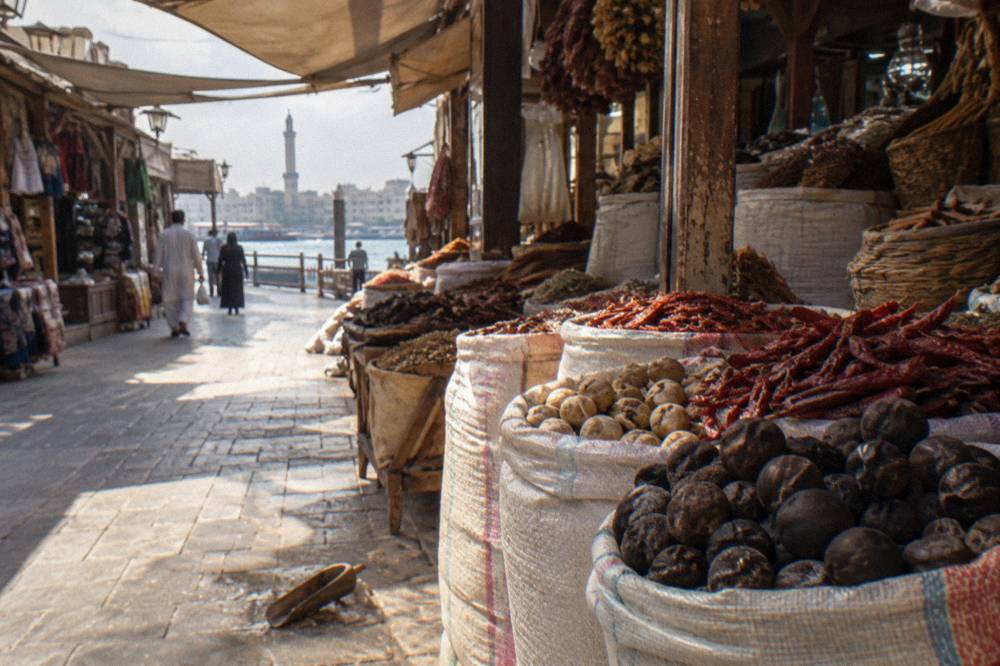
The morning window is the quieter one. Souk traders report Spice Souk shops opening earlier than 8 am, and the Gold Souk area generally from around 10 am, with individual shops varying, so an early start catches the spice lanes as they wake. The heat has not built yet, the light is good, and the abra docks are calm. A guided morning route in this window is the closest a summer day gets to a winter walk.
Midday is the slot to avoid on foot and to spend under a roof instead. This is where the structure of a guided route earns its keep: the tours compared here move between covered souk lanes, café stops and heritage buildings, and the listing for each describes what it includes. The Old Town street food, Creek and Emirati house route is a 3-hour walk whose listing includes an Emirati house stop, which in summer doubles as a shade and seating break, a genuinely useful feature when the afternoon peaks.
The evening is the reward. Sunset in summer falls late, and the hours after it bring the temperature down to something a three-hour route can work with. Night walks through Deira and Bur Dubai are a format of their own, and the night food walk through Old Dubai covers that side of the city in detail. In summer, an evening slot is not a compromise, it is the best seat in the house.
Morning Or Evening: Which Slot Should You Book?
Book the morning slot if you want cooler air, calmer souks, and an early finish to your day. Book the evening slot if you prefer the most comfortable walking temperatures of the entire summer day, plus a route that ends right as the food district hits its liveliest hours. Both work, and both are worth the money. The wrong choice is a midday start, when the exposed stretches between stops are at their worst and the shade of the covered souks only goes so far. If a tour offers multiple departure slots, the edges of the day are the ones worth paying for.
The trade-off between the two good slots is about mood as much as temperature. Mornings give you the souks as they open: spice sacks being stacked, the first karak of the day, fewer people in the lanes. Evenings give you the district at full volume, with the grill smoke, the after-dinner crowds and the lit shopfronts. A first-time visitor who wants photographs tends to prefer morning; one who wants atmosphere tends to prefer evening.
There is a practical wrinkle worth knowing: the metro's Sunday service starts late, at 08:00 rather than the 05:00 start on other days, per the official RTA timetable. A very early Sunday morning slot needs a taxi rather than a train, and road-pickup fares start at AED 5 in daytime hours per the RTA fare page. Both figures are reported from official pages, so check them before you lock a plan to a timetable.
| Slot | Heat | Souk mood | Best for |
|---|---|---|---|
| Early morning | Coolest walking window | Shops opening, calm lanes | Photography, quiet routes, early finish |
| Midday | Hottest of the day | Open, but exposed lanes are harsh | Indoor stops only, or skip |
| Late afternoon | Still hot, easing | Shops fully open | Short loops, café time |
| Evening | Most comfortable of the day | Busiest and most atmospheric | The main tasting walk of the day |
Indoor Stops That Break Up The Heat
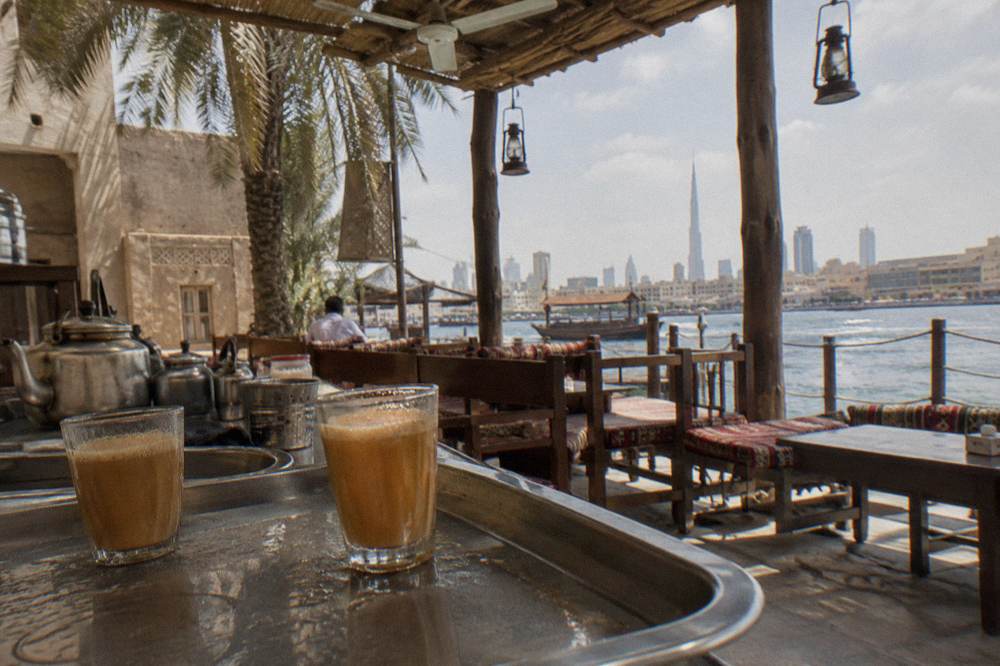
The summer value of a guided route is less the walking and more the doors it opens between walks: the Emirati house visits, café tastings and heritage-building stops that give you shade, seating and air conditioning on a schedule you did not have to build yourself. A self-guided walker has to find those doors alone, in heat, with a phone map. A guided route has them sequenced into the plan before you arrive. That difference matters more in July than in January, and it is the quiet reason guided formats earn their fee in summer.
The listings describe these stops directly. The Emirati house route includes its house visit; the premium guided tours pair street tastings with an abra ride, which is a few minutes of Creek breeze between districts; and the cultural dining options go further, with a full seated meal. On the seated side, the Sheikh Mohammed Centre for Cultural Understanding in Al Fahidi runs 1.5-hour cultural meals with Emirati hosts, reported at AED 130 for breakfast, AED 145 for lunch, AED 150 for a tea-time fuala and AED 160 for dinner, booking required. Those prices are as reported on the centre's own pages, so confirm them when you book. The wider set of guides lives on Dubai Food Tours.
For a walk that leans hardest on the seated end of the spectrum, the Flavors of Arabia souk tour with tastings and dinner is a 2.5-hour route that ends the heat question with a dinner rather than a sprint. It is a different shape of experience from the street walks, and in summer that shape has real appeal.
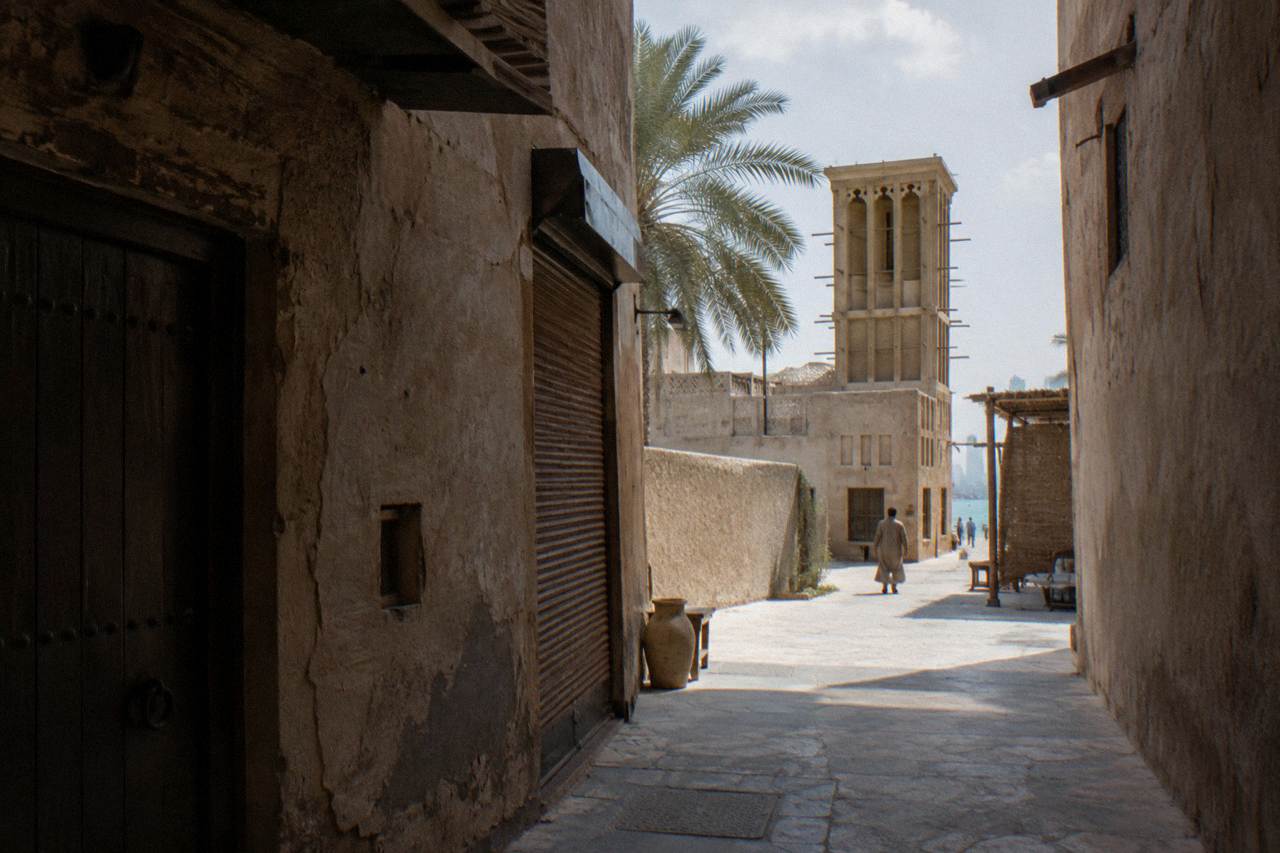
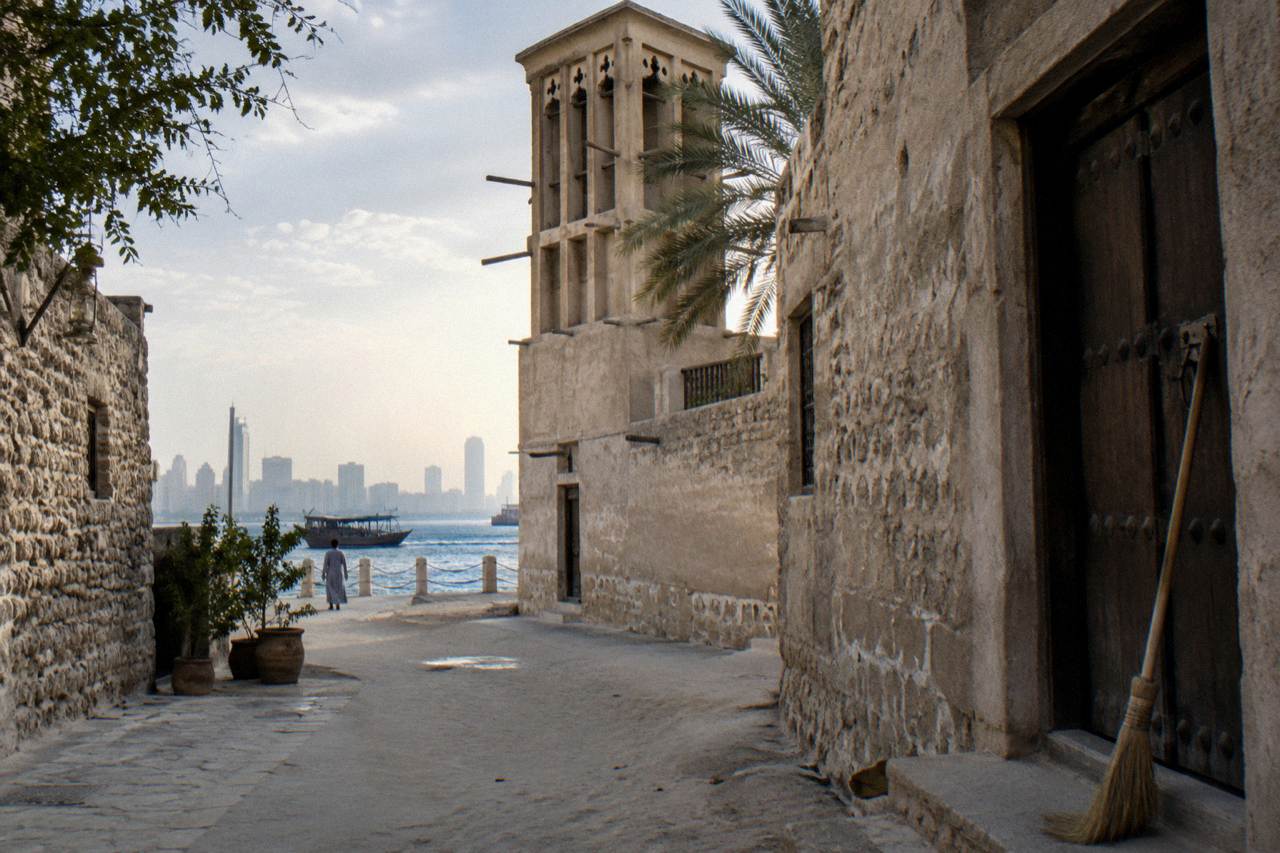
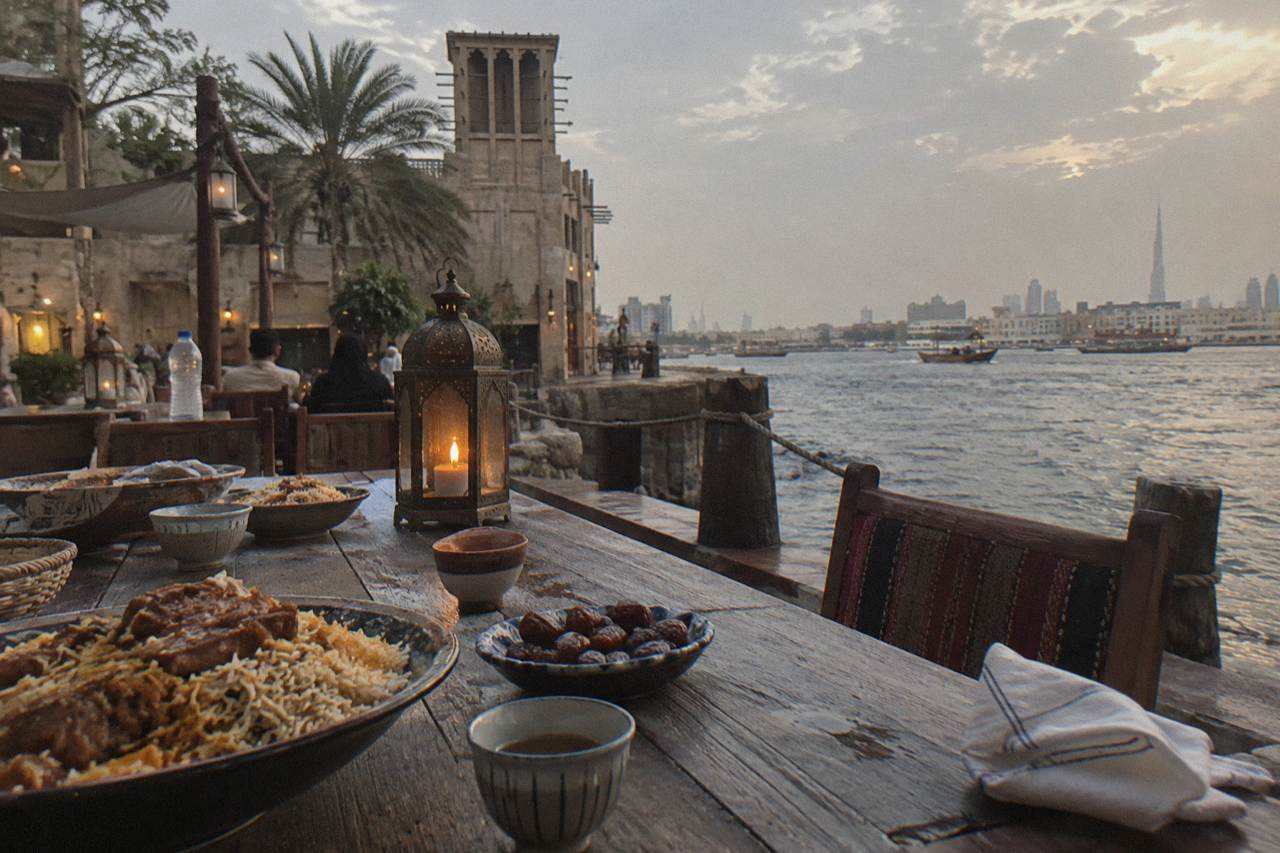
A note on what "indoor" means here. The souk lanes themselves are substantially covered, the Bur Dubai souk famously so, and the wind-tower architecture of Al Fahidi was built for exactly this climate. The neighbourhood's walking lanes are open daily 7 am to 8 pm per Dubai Culture's stated hours, reported on the neighbourhood's own pages. So even the "outdoor" parts of a good route are engineered for shade; the exposed stretches are the crossings between districts, and those are the parts worth shortening in summer.
Getting To Old Dubai Without Overheating
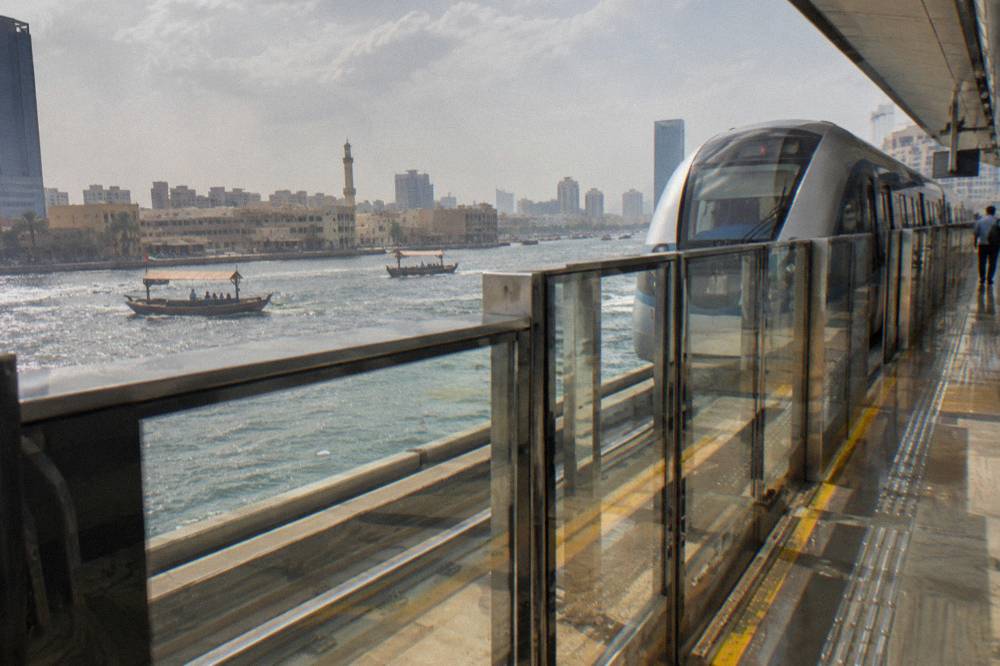
Take the metro into Old Dubai rather than walking in from a distant stop, since the summer heat makes long outdoor approaches punishing, and choose your station to match your starting point: Sharaf DG puts you on the Al Fahidi side, while Al Ras or Gold Souq drop you right into the Deira side of the district. The Green Line serves both banks of the Creek, and the stations sit close enough to the souks that the exposed part of the journey shrinks to a few hundred metres of warm paving instead of a long hot march. The official station list puts Baniyas Square, Gold Souq and Al Ras stations on the Deira side and Sharaf DG serving the Al Fahidi area, so the train does the heavy lifting.
The fare system is simple and reported from official RTA pages: a reloadable Nol card covers metro, tram and buses, and the anonymous Silver or Gold cards cost AED 25 including initial credit. There is no stated daily cap on the official pages, so budget per journey rather than assuming a cap. The metro runs 05:00 to midnight Monday to Thursday and Saturday, from 05:00 to 01:00 on Friday, and from 08:00 on Sunday, per the official RTA timetable.
Taxis are the fallback for odd hours. Road pickup starts at AED 5 between 06:00 and 22:00 and AED 5.5 overnight per the RTA fare page, reported figures that make a short hop to a morning meeting point cheap insurance against arriving soaked. If your guided walk lists a meeting point at Al Ras Metro Station exit 2 or Sharaf DG exit 4, both are real listing meeting points in the district, the train is the right answer.
| Starting point | Station | Serves |
|---|---|---|
| Al Fahidi, Al Seef, Bur Dubai souks | Sharaf DG | Al Fahidi area |
| Spice Souk, Gold Souk, Al Ras | Al Ras or Gold Souq | Deira souk district |
| Baniyas Square side of Deira | Baniyas Square | Northern Deira |
| Interchange with the Red Line | Union | Cross-city arrivals |
The metro and abra guide to Old Dubai covers the full picture, including the Creek crossings, in more detail than a summer timing page needs.
Hydration, Dress And Summer Etiquette
Carry water at all times, dress with shoulders and knees covered in souk districts and religious areas, and treat summer heat as a pacing problem rather than an obstacle. Plan shorter walking loops, take seated breaks in shade, and avoid long distances between food stops so you stay comfortable and respectful throughout the day. The dress guidance is cultural rather than legal, reported across etiquette sources: there is no single dress-code law for tourists, but covering shoulders and knees in heritage areas and souks avoids unwanted attention, and swimwear belongs at beaches and pools. In summer, loose coverage is also simply cooler than exposed skin in direct sun, so the cultural advice and the thermal advice point the same way.
Hydration in Old Dubai is easy and cheap. Karak chai runs around 1 to 3 AED at local cafeterias and stalls, reported by recent price trackers, and bottled water costs around 1 to 2 AED per litre in supermarket multipacks versus 6 to 12 AED per bottle in restaurants. The guided walks include water on some listings; the listing describes what each includes, so check the booking page rather than assuming. A reasonable summer kit is a litre of water, a hat, sunscreen and shoes that can handle a few kilometres of warm paving.
Photography etiquette matters more in summer, not less, because the souks are emptier and your camera is more conspicuous. Always ask before photographing individuals, especially in traditional attire; photographing people without consent can violate privacy rules. A guide handles these introductions better than a stranger with a lens does, which is one of the quiet arguments for the guided format in the quieter, hotter hours.
On money and manners at the table: restaurants commonly add a service charge of up to 10 per cent, which is venue-retained rather than a government fee, plus 5 per cent VAT, and additional cash tips of 5 to 10 per cent are common but voluntary, as reported on Dubai tipping guides. None of this changes with the season, but summer's longer café stops give you more bills to apply it to.
Which Tour Format Fits A Summer Schedule?
Short, shaded and seated-heavy formats beat long exposed ones in summer: the 2.5 to 3-hour walks with house or café stops are the summer sweet spot, while the 4-hour formats belong to the cooler months or a disciplined evening slot. The tours compared here range from 2 to 4 hours, and in heat that range is the single most important number on the page after the temperature itself, because every extra hour on the route is an extra hour of sun management you have to fund with shade, water and stamina.
The private formats add a lever the group walks do not have: pacing control. A private guide can compress the exposed crossings, extend the seated stops and shift the route toward shade, which is why private tastings walks earn their premium in July. The private 10-tastings walk with locals is a 3-hour format that works well for that kind of adjustment; message the operator about a summer-tuned pace before booking.
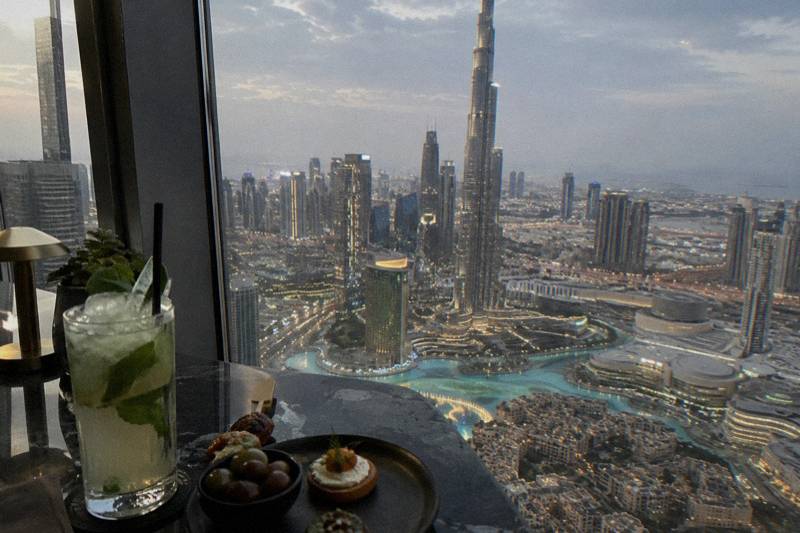
At the other end of the scale, the skyline formats move the whole experience indoors and upward. The VIP food walk with Burj Khalifa access pairs its tastings with tower access, which in summer is a full afternoon of air conditioning with a view attached. It is the format for the day a walking route would be misery.
| Format | Length | Summer fit |
|---|---|---|
| Cultural meal and talk | 1.5 hours | Excellent, fully seated |
| Souk tour with dinner | 2.5 hours | Strong, ends seated |
| Street food walk with house stop | 3 hours | Strong, shade built in |
| Premium walk with abra ride | 3 to 4 hours | Good in morning or evening slots |
| Half-day street food tour | 4 hours | Best saved for cooler months |
| VIP walk with tower access | 3 hours | Excellent, mostly indoors |
The choice between group and private formats has its own comparison guide elsewhere on this site, and summer strengthens the private argument only if you actually want the pace adjusted. A group walk with a good slot choice often does the job for less.
Ramadan, Summer Hours And Dining Rules
If your summer trip overlaps with Ramadan, restaurants indoors continue operating as normal, and non-Muslims are not required to fast. The main thing to know is etiquette: during daylight fasting hours, discretion is simply asked for when eating or drinking outdoors. The old legal penalties for public daytime eating were repealed years ago, and restaurants and food courts operate indoors without the screening that used to be mandatory, as reported on official Ramadan guidance pages. The practical effect on a food walk is mild: indoor tastings proceed as usual, and outdoor stops shift toward the evening, when the district turns generous rather than restricted.
“What a fantastic tour. I can highly recommend to anyone visiting Dubai for the first time. So interesting and a great fun way to learn about the history of the city, the country and experience the culture. Food was authentic and delicious.”
The evening, in fact, becomes extraordinary. The iftar period after sunset is one of the most generous dining moments of the year, with dates and gahwa opening the meal and large shared plates following. A guided walk timed to the evening in Ramadan catches the district at its most hospitable, and the Ramadan food tours guide covers that planning in full. Do not fix dates for future Ramadans in your head; the lunar calendar moves, and exact dates are confirmed by sighting.
Two year-round rules complete the picture, both reported from official sources. Alcohol is served only at licensed venues to visitors over 21, never in public places outside them, and the Old Dubai food walks serve no alcohol unless a listing says so, so check the booking page if that matters to you. And all meat sold in restaurants and markets in Dubai is halal; pork appears only in designated licensed sections, which is why every grill on a food walk route is halal by default. Dietary needs beyond that, vegetarian or otherwise, should be raised with the operator before booking, since a listing that does not say is not a promise either way.
A Simple Summer Booking Checklist
Book an evening or early morning departure, keep the route under 3 hours, choose a meeting point you can reach by metro, and pick a listing that names its shade-and-seat stops. Choosing the slot before the tour itself is the single most effective way to stay comfortable in summer heat. That combination survives almost any temperature Dubai offers, because each element removes one failure mode: the slot removes the midday sun, the length removes stamina risk, the station removes the exposed approach, and the named stops remove the guesswork about where you will cool down. The reverse order, choosing a tour first and squeezing it into a midday slot, is how summer walks go wrong.
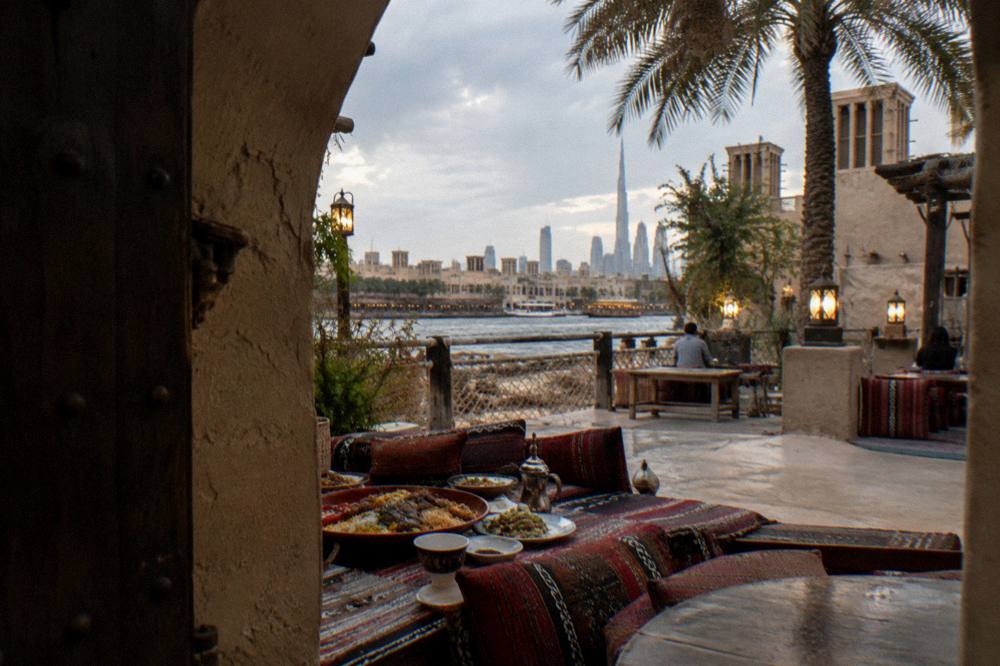
A few final checks close it out. Confirm the cancellation terms on the operator's booking page before you commit to a date, since summer plans shift with weather and energy levels. Confirm what the listing includes, water, seated stops, an abra crossing, so you know what you are carrying versus what is provided. And confirm the meeting point against the metro map, because the difference between a station exit and a fifteen-minute walk in the sun is the difference this whole page is about. Dubai Food Tours keeps the seasonal planning pieces together, and the short version is that there is no bad season, only badly timed days.
Common Questions About Dubai Summer Food
Is Dubai Too Hot For A Food Tour In Summer?
No, but the slot matters. Winter mean daily highs run 24 to 26 C per the airport climate normals, while summer months sit well above that. Guided walks run year-round; in summer, book an early morning or evening departure, keep the route to around 3 hours or under, and lean on the covered souk lanes and indoor stops between tastings.
What Is The Best Time Of Day For A Food Walk In Dubai In Summer?
Early morning or evening. The morning gives cooler air and calmer souks as shops open; the evening is the most comfortable walking of the day and the district at its liveliest. Avoid midday starts, when the exposed crossings between districts are at their worst. Sunset falls late in summer, so evening routes have long usable hours.
Do Dubai Food Tours Run In The Summer Months?
Yes. The guided routes compared here operate through summer with adjusted pacing, and the listings describe what each includes, from water to seated stops. The practical differences are the departure slot you choose and the length of the route. Check the operator's booking page for summer departure times before committing.
How Should I Dress For A Summer Food Walk In Dubai?
Cover shoulders and knees in the souk and heritage districts; the guidance is cultural rather than a legal dress code for tourists, but it avoids unwanted attention in traditional areas. In summer, loose coverage is also cooler than exposed skin in direct sun. Add a hat, sunscreen, and shoes comfortable for a few kilometres of warm paving.
What Should I Carry On A Hot-Day Food Walk?
A litre of water, since bottled water runs around 1 to 2 AED per litre in supermarkets versus 6 to 12 AED per bottle in restaurants, as reported by 2026 price trackers. Karak at local stalls costs around 1 to 3 AED, so refreshment stops are cheap. Some listings include water; the listing describes what each tour provides, so check the booking page.
Is The Metro A Good Way To Reach Old Dubai In Summer?
Yes. The Green Line serves both sides of the Creek, with Sharaf DG station for the Al Fahidi area and Al Ras or Gold Souq stations for the Deira souks, cutting the exposed part of the journey to a few hundred metres. Trains run from 05:00 most days, though Sunday service starts at 08:00 per the official RTA timetable, so early Sunday slots may need a taxi.