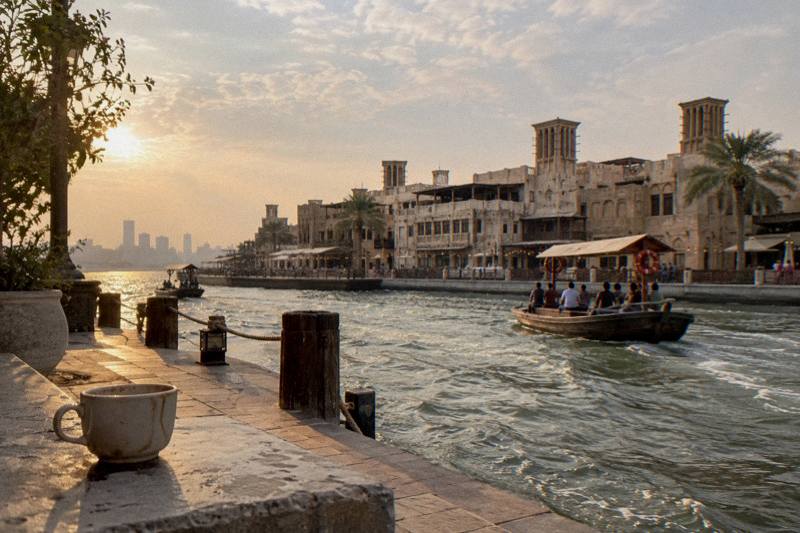
Dubai Food Prices: What A Meal Costs
Dubai feeds every budget: a karak chai costs a dirham or two at a local cafeteria, while a mid-range restaurant meal runs 80 to 150 AED per person. This guide lays out the reported price bands for each tier of eating, explains what gets added to a restaurant bill, and sets the numbers beside what a guided tasting walk covers.
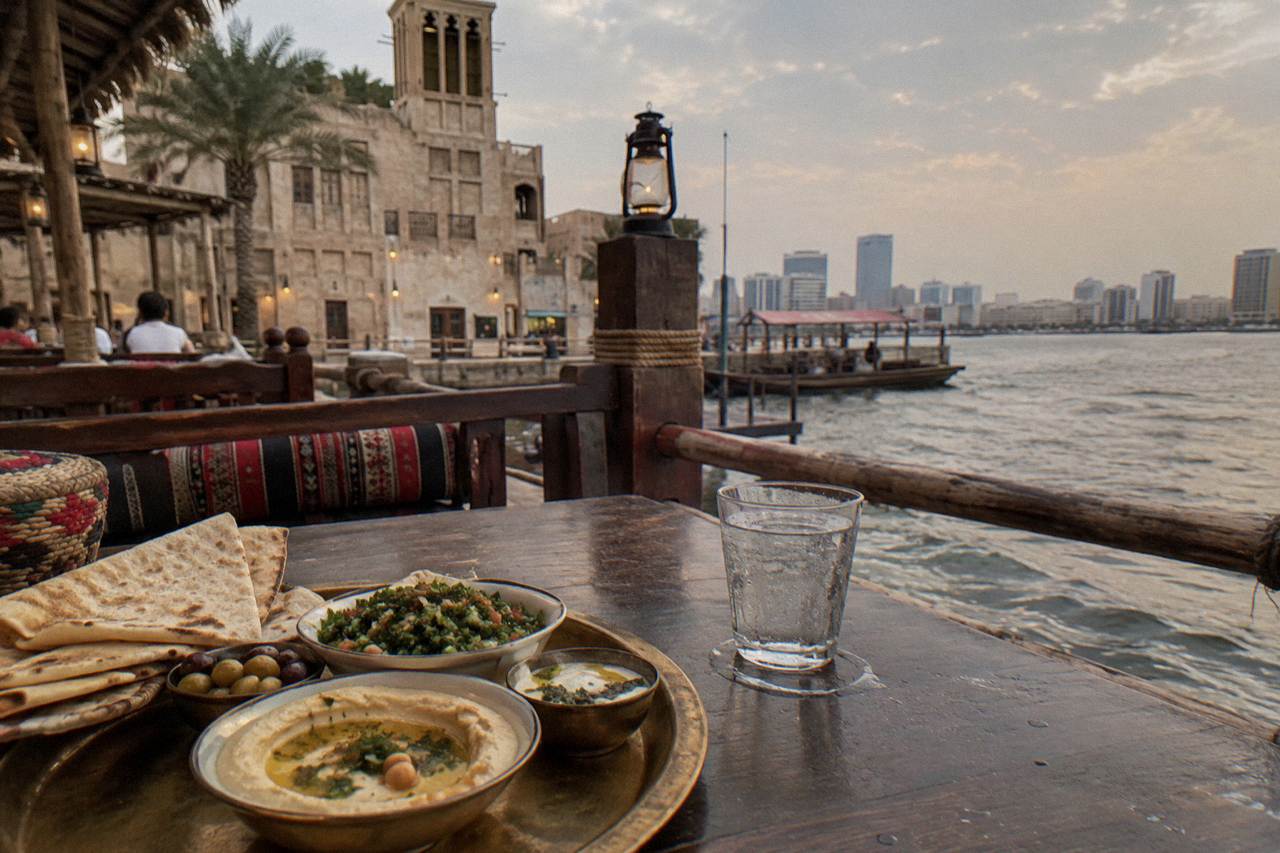
Short answer
Reported 2026 figures put street snacks at 1 to 15 AED, a casual cafeteria meal at 15 to 40 AED, and a mid-range restaurant meal at around 80 to 150 AED per person. Restaurant bills add a 5 per cent VAT and often a service charge. A guided tasting walk costs more per hour but bundles tastings, routing and a guide.
A chicken shawarma wrap at a local spot in Deira is reported at 12 to 18 AED. The same wrap near a hotel lobby can cost double. That gap is the whole story of eating in Dubai: the city runs on parallel price tiers, and knowing where each one starts saves more money than any single tip. This guide sets out the reported bands for street snacks, cafeteria plates and restaurant meals, explains the charges that appear on a sit-down bill, and then puts a guided tasting walk next to those numbers so you can see exactly what its fee buys. To see how those meal prices stack up against transport fares and a full week's spending, the guide to what a seven-day Dubai trip really costs puts every reported figure in one place.
The figures below come from 2026 price surveys of the city's food scene, reported as ranges because individual outlets vary. Tour prices, where mentioned, sit on the operators' live listings and change with date and group size, so check the booking page for the current number. Nothing here is a verdict on any named stall or restaurant; it is the shape of the market. For a quick sense of how far a modest budget stretches across meals, transport, and small keepsakes, the guide to what a hundred dirhams buys in Dubai offers a plain comparison.
What Does A Meal Cost In Dubai?
A meal in Dubai costs anywhere from a few dirhams to several hundred, and the band you land in depends almost entirely on where you sit. Reported 2026 figures put street snacks at 1 to 15 AED, a casual cafeteria or neighbourhood meal at 15 to 40 AED per person, and a mid-range restaurant meal at roughly 80 to 150 AED per person. Fine dining sits well above that and is not covered here.
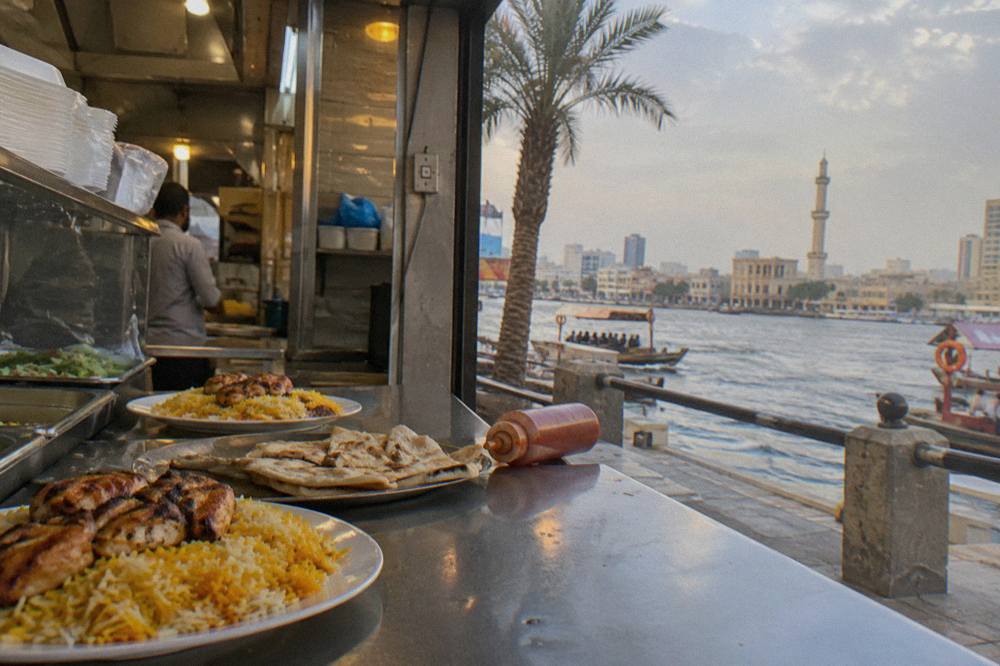
Those three tiers are not subtle gradations. They are distinct worlds with different menus, different service styles and different expectations about what a bill means. The cafeteria tier is where the city's workforce eats: shawarma stands, biryani counters, mezze joints and the small cafeterias that serve karak chai through a hatch. The restaurant tier is where table service, air conditioning and a printed menu begin, and where the add-on charges we cover later in this guide start appearing.
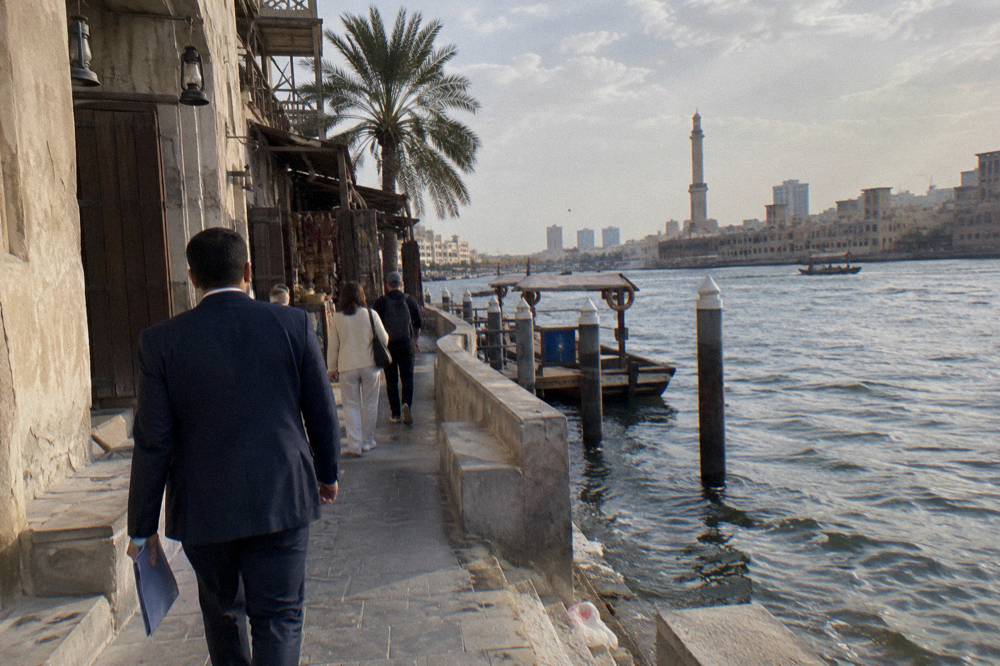
What surprises many first-time visitors is that the cheap tier is not hidden. It runs along the same streets tourists already walk. The lanes around Al Fahidi and the Deira souks hold exactly the kind of small cafeterias serving the 15 to 40 AED meals that the price surveys report, a few minutes' walk from the Gold Souk's shop windows. The premium you pay in a hotel restaurant buys comfort and consistency, not a different cuisine.
The table below is the short version of everything in this guide. Each band is reported from 2026 price data, and each is a range because outlets differ even within a tier. Treat the numbers as a planning frame, then check the menu board or the bill at the venue itself.
| Eating tier | Reported price band | What you typically get |
|---|---|---|
| Street snack | 1 to 15 AED per item | Shawarma, falafel wrap, samosa, karak chai, luqaimat |
| Casual cafeteria meal | 15 to 40 AED per person | Biryani, mezze sets, a wrap with drink, a full plate meal |
| Mid-range restaurant | 80 to 150 AED per person | Mains often 40 to 80 AED, table service, printed menu |
| Bottled water | 1 to 2 AED per litre in supermarkets, 6 to 12 AED per bottle in restaurants | The same bottle, a very different markup |
One structural point worth knowing before the detail: the cheapest food in Dubai is not a compromise or a fallback. The cafeterias and snack stalls are the everyday food of the city, and many visitors eat their best-value meals of the trip standing at a counter with a karak in hand. The expensive tiers exist for comfort and occasion, not because the food at the low end is lacking. Our street food guide for Dubai covers what these dishes actually are if the names are new to you.
Street Food And Snack Prices In Old Dubai
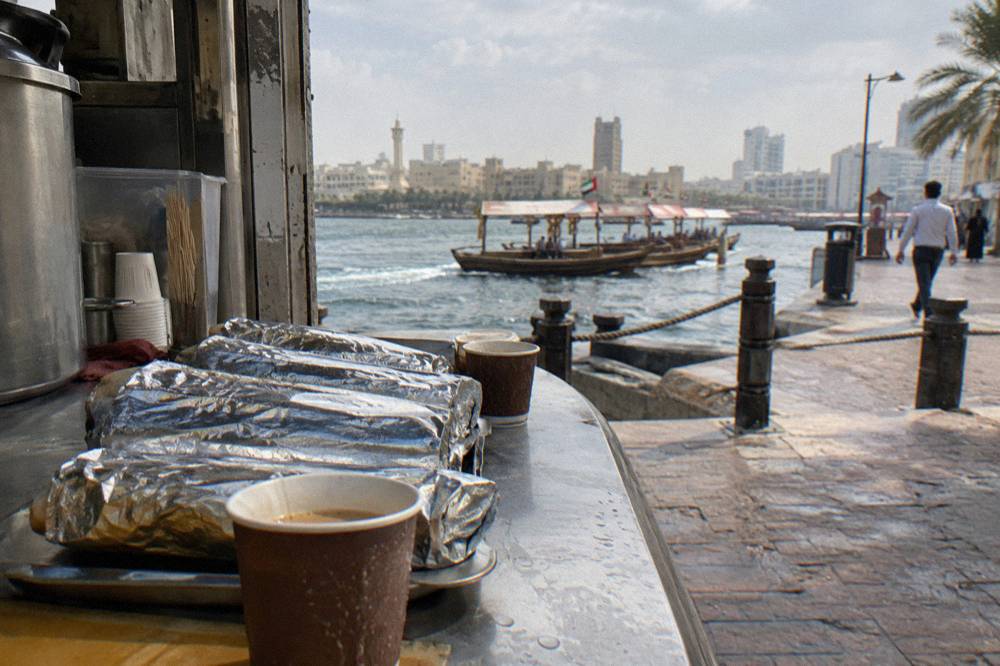
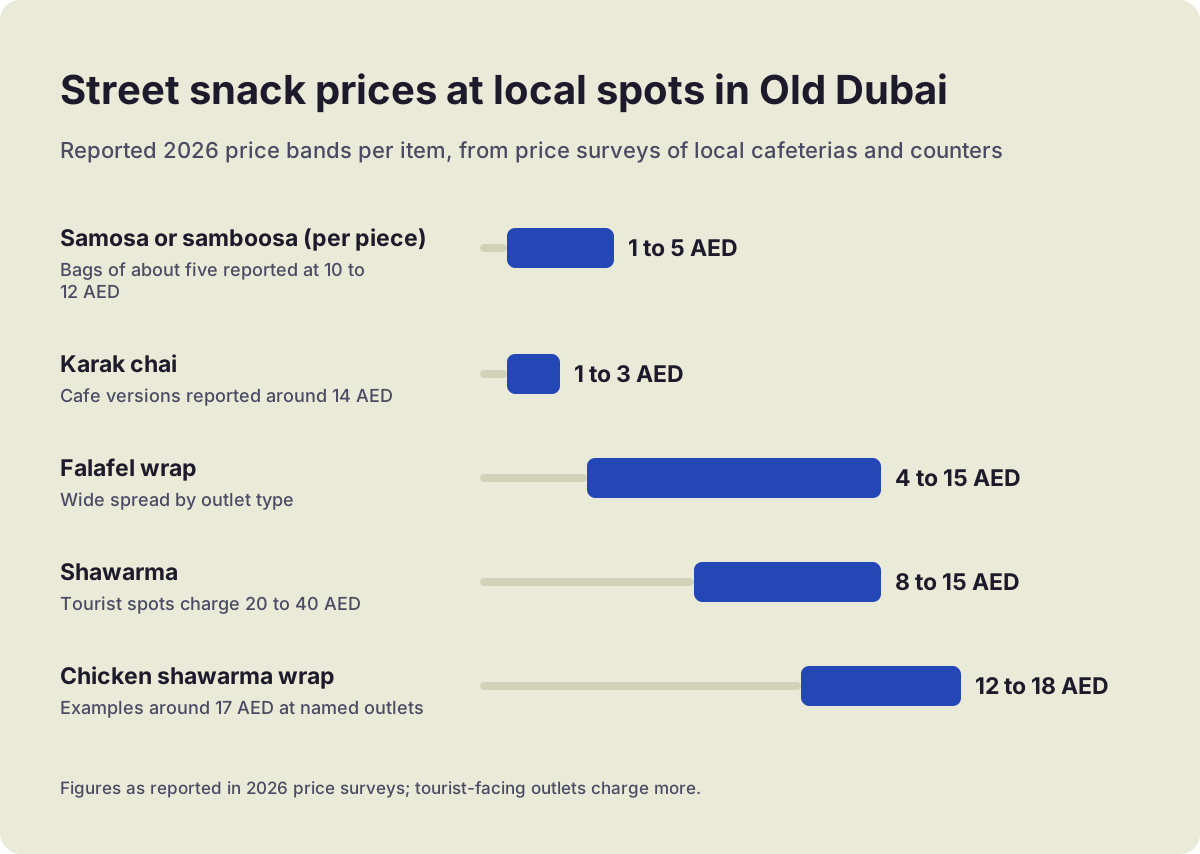
Street food in Old Dubai is the cheapest eating in the city. Reported 2026 figures put shawarma at 8 to 15 AED at local spots, a falafel wrap at 4 to 15 AED, a piece of samosa at 1 to 5 AED and karak chai at 1 to 3 AED at local cafeterias. Tourist-facing outlets charge more: shawarma runs 20 to 40 AED in those settings.
The pattern repeats across every snack category. The survey data shows the same item doubling or tripling in price between a neighbourhood counter and a spot aimed at visitors, which makes location awareness the single biggest lever on a food budget. A shawarma bought near the souks is a cheap lunch. The same sandwich bought steps from a hotel entrance is a modest restaurant main in disguise.
Karak deserves its own line because it anchors the low end of the scale. The spiced milky tea is reported at 1 to 3 AED from cafeteria hatches, while cafe versions climb to around 14 AED once you are sitting down in a designed space. That is a tenfold spread for the same drink, and it holds for most of the snack list. A bag of roughly five samosas is reported at 10 to 12 AED, which makes sharing rounds of snacks genuinely inexpensive even for a group.
| Snack item | Reported price at local spots | Notes from the price data |
|---|---|---|
| Shawarma | 8 to 15 AED | Tourist spots charge 20 to 40 AED |
| Chicken shawarma wrap | 12 to 18 AED | Examples around 17 AED at named outlets |
| Falafel wrap | 4 to 15 AED | Wide spread by outlet type |
| Samosa or samboosa | 1 to 5 AED per piece | Bags of about five reported at 10 to 12 AED |
| Karak chai | 1 to 3 AED | Cafe versions reported around 14 AED |
Eating this way takes a little confidence. The counters are busy, menus can be a board rather than a card, and knowing what to order and how to order it is a skill. A guided walk handles that translation for you: the Old Town, Souks and Street Food guided tour with abra ride, runs a 3 to 4 hour route through the old district with a guide who does the ordering and explaining. Its fee sits on the live listing, and it converts the cheapest tier of Dubai eating into something you can simply follow. For a closer look at what a guided walk actually serves and how it compares to eating out on your own, the guide to Dubai street food tours and their costs lays out the full picture.
If you are weighing that kind of guided option against the others, these three walks cover the same district at three different angles and price points.
The independent alternative is simple and works well: pick two or three snack items from the table above, order at the counter, and budget a fraction of what any restaurant would charge. The trade-off is that you eat what you can point at, and you miss the stories behind the dishes. The decision is really about how much you value the routing and the commentary, which is exactly what a walk fee is charging for.
Restaurant Bills And The Charges That Get Added
A mid-range restaurant meal in Dubai is reported at around 80 to 150 AED per person, with mains often 40 to 80 AED, but the menu price is not the final number. Bills commonly add a 10 per cent service charge and a 5 per cent VAT, and some hotel-affiliated venues add a further 7 per cent municipality fee. Tipping beyond that is voluntary.
The service charge is the one that catches people out. It is venue-retained rather than a government levy, and it is discretionary in nature, though it appears on most sit-down bills in the city. The 5 per cent VAT is a federal tax on food and drink and applies across the board. The municipality fee mostly appears on hotel accommodation rather than standard restaurant bills, but hotel-affiliated dining venues are reported to add it, which is why a restaurant inside a hotel can feel markedly pricier than its menu suggests.
Tipping sits on top of all that, and the official guidance is relaxed. Visit Dubai's own tipping guide describes tipping as personal preference, with 10 to 15 per cent usual in restaurants and around AED 5 to 10 in cafes. Because a service charge is often already on the bill, many diners round up rather than tip a full second percentage. One practical note from the same guidance: card terminals let you add a tip, but it is worth checking with the waiter that the amount reaches the staff rather than the venue.
| Charge | Reported amount | What it is |
|---|---|---|
| VAT | 5 per cent | Federal tax on food and beverage, on nearly all bills |
| Service charge | 10 per cent | Venue-retained, common on sit-down bills, not a government fee |
| Municipality fee | 7 per cent | Reported at some hotel-affiliated venues |
| Voluntary tip | 10 to 15 per cent in restaurants, AED 5 to 10 in cafes | Personal preference per official guidance |
Add the numbers mentally before you order, not after. A main course in a hotel restaurant can carry a quarter of its price again in charges before any tip. The same dish logic, a plate of rice and meat, costs 15 to 40 AED total at the cafeteria tier with nothing added but the price on the board. That contrast is the strongest argument in this whole guide for doing at least some of your eating at street level. Our page on tipping and paying in Old Dubai covers the payment side in more depth.
If comparing a guided walk against a restaurant evening sounds appealing, the featured Old Town walk pairs several tastings with the same souk-and-Creek district for one upfront fee.
How A Guided Food Tour Fee Compares
A guided food tour costs more per hour than eating independently, but the fee buys several tastings, the routing and a guide in one price. Comparing like with like means counting what the walk includes: a tasting tour that covers six to ten small dishes replaces the snack purchases you would otherwise make alone, plus the guesswork of finding them.
The honest comparison is not tour fee versus empty stomach. It is tour fee versus the same dishes bought separately, plus the value of not having to find them. Using the reported snack bands, a self-guided afternoon of shawarma, a falafel wrap, karak, samosas and luqaimat at local prices might run you the low end of the scale in cash. What it will not give you is a route between the right counters, an explanation of what you are eating, or anyone to flag the good hatch from the ordinary one.
The guided side of the ledger is easier to describe than to price, because the walks on this site carry their fees on the live listings, which move with date and group size. What the listings do state is the shape: durations of 2 to 4 hours, routes through Al Fahidi, the souks and the Creek, and tastings counted in the tour description. The Al Fahidi Old Town, Souks, Street Food and Abra Cruise runs 2.5 to 4 hours through the same district, and its price basis is on the listing. For a look at how those old-district prices stack up against the glitzier side of the city, the comparison of Marina and Downtown dining versus Old Dubai lays out the costs on both sides of the Creek.
| Cost factor | Eating independently | On a guided tasting walk |
|---|---|---|
| Snack prices | 1 to 15 AED per item, reported | Bundled into one tour fee |
| Finding the outlets | Your own research and walking | Guide leads the route |
| Dish explanations | None unless you ask | Included in the guide's commentary |
| Water and drinks | Bought separately | Check the listing's inclusions |
| Total cost transparency | Adds up as you go | One fee, stated on the booking page |
There is a third option that sits between the two: a private walk. The private food tour with 10 tastings and locals runs around 3 hours and is priced on its listing, usually per group rather than per person on private formats, so read the price basis before comparing it with a group walk. Private tours suit families and groups who want the route to themselves.
The infographic below puts the three eating tiers side by side as reported bands, the comparison this whole guide keeps returning to.
Where Your Money Goes On A Tasting Walk
On a tasting walk, your fee splits three ways: the food itself, the guide's knowledge and the logistics of the route. The tastings are counted in the tour description, the routing covers a district that would take a first-timer hours to piece together, and the guide's commentary is the part no independent meal reproduces at any price.
Break it down and the fee looks less like a markup on food. Take a walk that includes tastings of shawarma, falafel, karak, samosa, rogag and luqaimat, the kind of list one premium Old Dubai walk's description states. Bought separately at reported local prices, those six items sit in the tens of dirhams. The rest of the fee pays for the person who chose those six, the order in which you eat them, the shortcuts between them, and the answers when you ask what a dish is called or why it is made that way. For a fuller picture of how those dishes fit into a day of eating, the guide to a typical day of eating in Dubai covers everything from breakfast karak to dinner machboos.
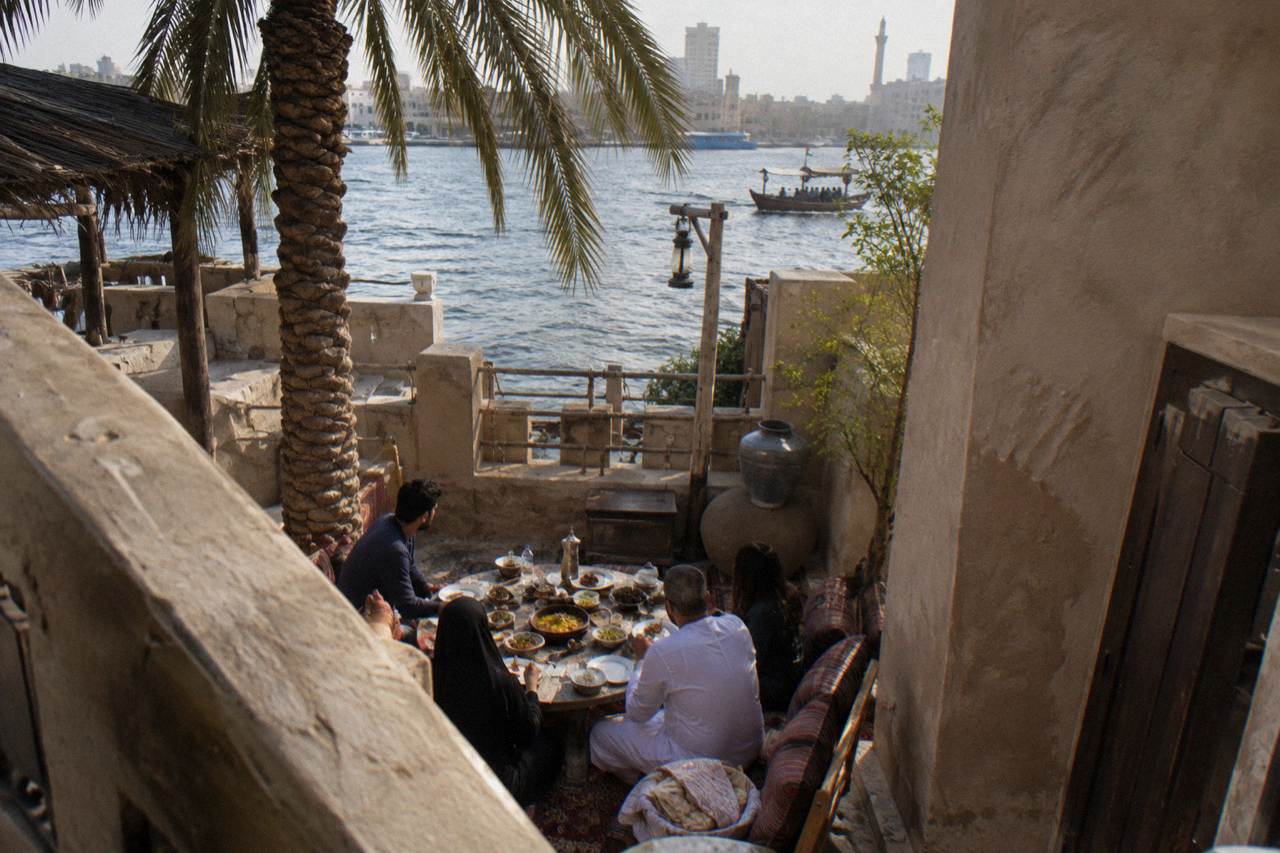
The Old Town walk that pairs street food with an Emirati house visit, the Old Town, Street Food, Creek, Souks and Emirati House tour, shows the other thing a fee can include: access and context. A 3 hour route that moves from souk snacks into a heritage house meal is doing something an independent eater would struggle to arrange in an afternoon, and the listing states the inclusions so you can check exactly what is covered before paying.
Planning A Food Budget For A Day
A realistic food day in Dubai can be built at almost any level: a snack-and-cafeteria day stays inside the tens of dirhams, a mixed day of street food plus one sit-down dinner lands well above that, and a full restaurant day multiplies from there. The reported bands above are all you need to price your own version before you fly.
Start from the tiers and build down. A day built on the cafeteria tier, breakfast karak with a samosa, a shawarma at lunch, a biryani plate at dinner, sits comfortably inside the 15 to 40 AED per-meal band reported for casual meals, with snacks from the 1 to 15 AED column filling the gaps. Swap one meal into a mid-range restaurant at 80 to 150 AED and the day's shape changes completely, which is the point: the decision is structural, not a series of small ones.
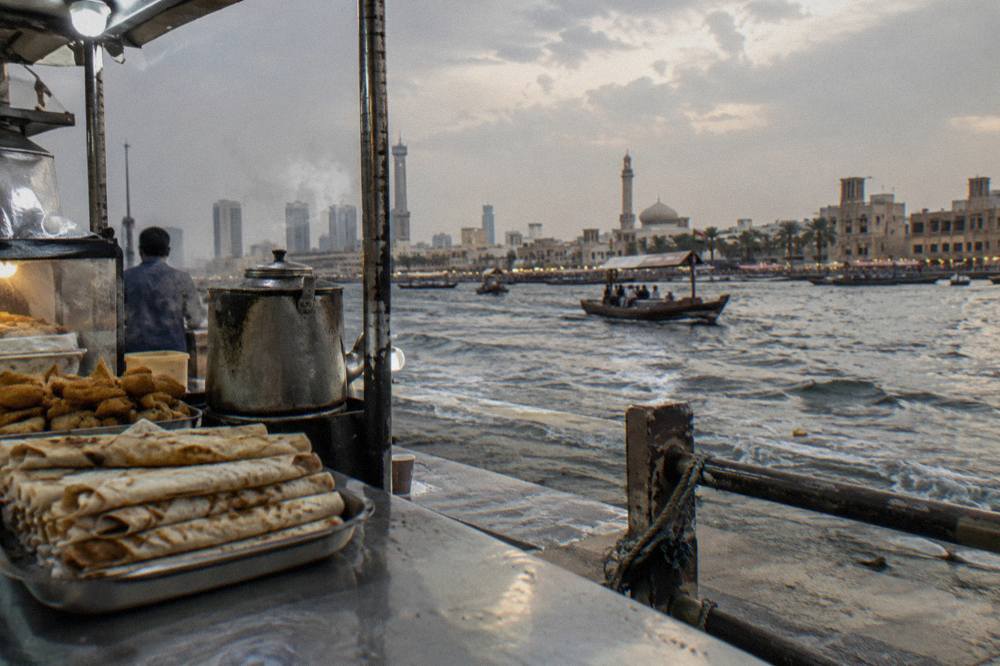
For visitors who want the guided experience inside that budget, the honest move is to book the walk early in the trip, let it introduce the district and the dishes, then eat independently afterward using what it taught you. One walk plus two cafeteria days costs less than two restaurant dinners, and it teaches you where the 12 AED shawarma lives. If you are working to a fixed daily figure, our piece on whether 100 dollars a day is enough in Dubai runs the same arithmetic across accommodation and transport too.
| Day shape | Cost frame | What it looks like |
|---|---|---|
| Cafeteria day | Tens of AED total | Karak and samosa, shawarma lunch, casual dinner plate |
| Mixed day | Cafeteria meals plus one restaurant meal | Street snacks through the day, one mid-range dinner |
| Restaurant day | Three meals at the mid-range band | Three sit-down meals at 80 to 150 AED each |
| Walk plus independents | Tour fee plus cafeteria prices | One guided tasting walk, then self-guided eating |
Two practical notes finish the frame. First, water is the quiet markup: buying 1.5 litre bottles from supermarkets at 1 to 2 AED per litre instead of restaurant bottles at 6 to 12 AED saves real money across a hot walking day. Second, check before you book anything: tour inclusions, price bases and cancellation terms all live on the operators' booking pages, and the figures in this guide are planning bands, not promises about any single outlet. The cheapest tiers cluster in the old district, so plan the geography before you plan the meals, and see Dubai Food Tours for the wider range of walks through it.
Before the closing questions, here are the three walks again, side by side, for anyone now weighing a guided day against the independent version.
Common Questions About Dubai Food Prices
How Much Does A Meal Cost In Dubai?
Reported 2026 figures put a casual cafeteria meal at 15 to 40 AED per person and a mid-range restaurant meal at around 80 to 150 AED per person, with mains often 40 to 80 AED. Street snacks run 1 to 15 AED per item at local spots. Sit-down bills add 5 per cent VAT and often a 10 per cent service charge.
Is Food Expensive In Dubai?
It can be, but it does not have to be. The city has a full cheap tier: shawarma at 8 to 15 AED, falafel wraps at 4 to 15 AED and karak chai at 1 to 3 AED are reported at local spots. Prices climb steeply in tourist-facing and hotel venues, where the same items can cost two to three times more.
How Much Is Street Food In Dubai?
Reported bands for 2026 put shawarma at 8 to 15 AED at local spots, chicken shawarma wraps at 12 to 18 AED, falafel wraps at 4 to 15 AED, samosa at 1 to 5 AED per piece or 10 to 12 AED for a bag of about five, and karak chai at 1 to 3 AED from cafeterias.
What Extra Charges Appear On A Dubai Restaurant Bill?
A 5 per cent federal VAT applies to food and drink, and a 10 per cent service charge is common on sit-down bills, retained by the venue rather than a government fee. Some hotel-affiliated venues add a 7 per cent municipality fee. Tipping beyond these is voluntary, usually 10 to 15 per cent in restaurants.
Is A Guided Food Tour Worth The Price Compared To Eating Alone?
The fee buys counted tastings, a routed walk through the old district and a guide's commentary, which an independent meal does not include. Whether that is worth it depends on how much you value the translation and the context. Check the operator's live listing for the current fee, inclusions and cancellation terms before deciding.
Do You Tip In Dubai Restaurants?
Tipping is personal preference, per official guidance. The usual range is 10 to 15 per cent in restaurants and AED 5 to 10 in cafes. Because many bills already carry a 10 per cent service charge, many diners simply round up. If tipping by card, check with the waiter that the amount reaches the staff.