Dubai Marina And Downtown Restaurants Versus Old Dubai
Dubai runs two dining worlds in parallel: the polished marina and downtown restaurant scene, and the souk-side eating of Old Dubai. Here is what each actually offers, what things cost, and how to choose between them.
Short answer
Downtown and Dubai Marina concentrate mid-range and fine dining, where a restaurant meal runs around 80 to 150 AED per person as of 2026 data. Old Dubai pairs souk browsing with street food where a shawarma runs a reported 8 to 15 AED. A guided walk with tastings suits Old Dubai best; the marina suits a sit-down evening.
Dubai's restaurant map splits into two halves that rarely meet. West of the Creek, Dubai Marina and Downtown stack hundreds of restaurants into waterfront promenades and mall floors, most of them mid-range or upscale, most of them air-conditioned. East and around the Creek, Old Dubai eats differently: souk lanes, heritage courtyards and cafeteria counters where a plate of biryani or a wrap of shawarma costs a fraction of a marina main. Neither half is the "real" one, and a visitor who only sees one misses half the city's food story. If you'd rather base yourself within walking distance of those souk lanes, the guide to picking a hotel for Old Dubai food walks compares Deira, Bur Dubai, Downtown and Dubai Marina.
This comparison lays out what each district actually serves, what eating there costs based on reported 2026 data, and where a guided food walk earns its place. The short version: the marina and Downtown reward a planned sit-down dinner, while Old Dubai rewards walking, and that is exactly the format the best guided food experiences use. Where you base yourself shapes how easily you can reach these dining districts, and the guide to choosing the right Dubai neighbourhood for a food-first stay compares the options with transport facts and walking times.
What Dining In Dubai Marina And Downtown Actually Looks Like
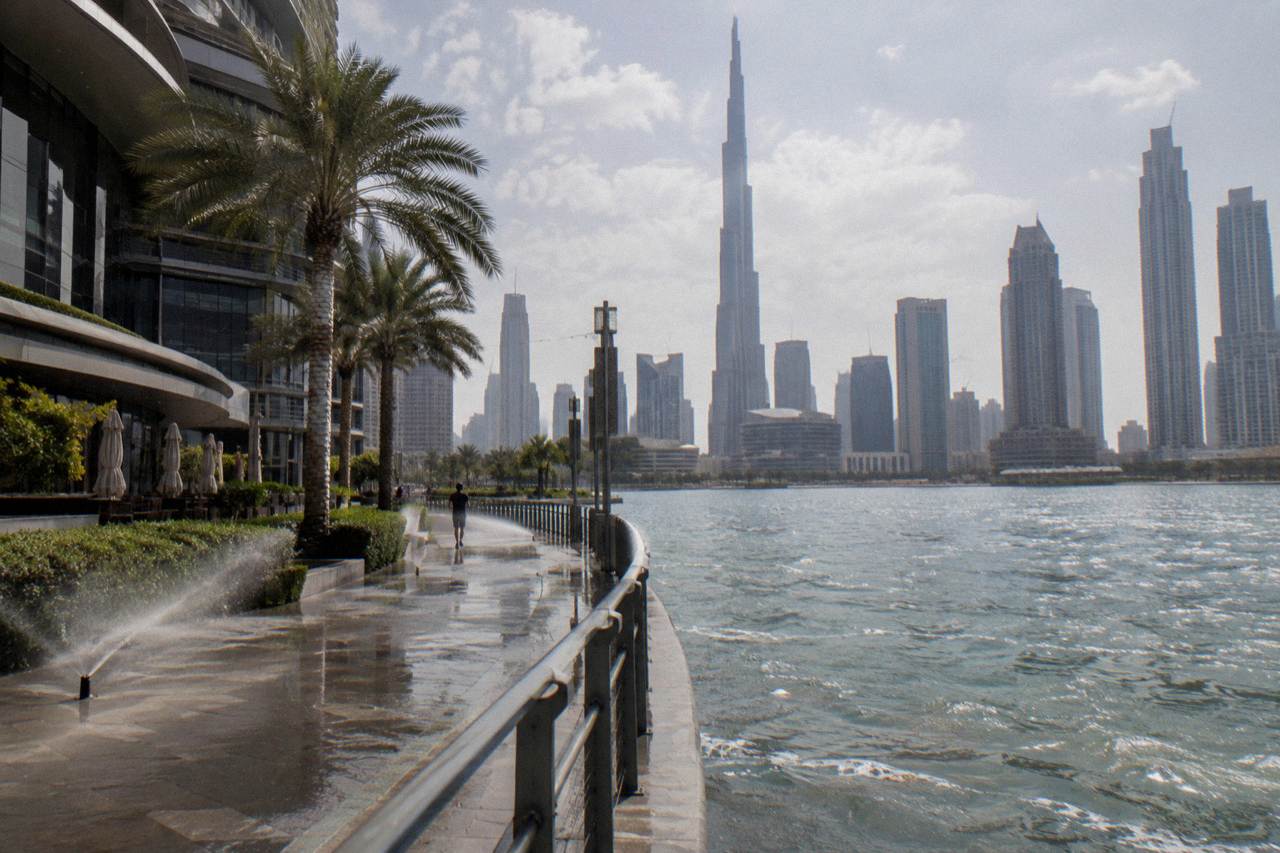
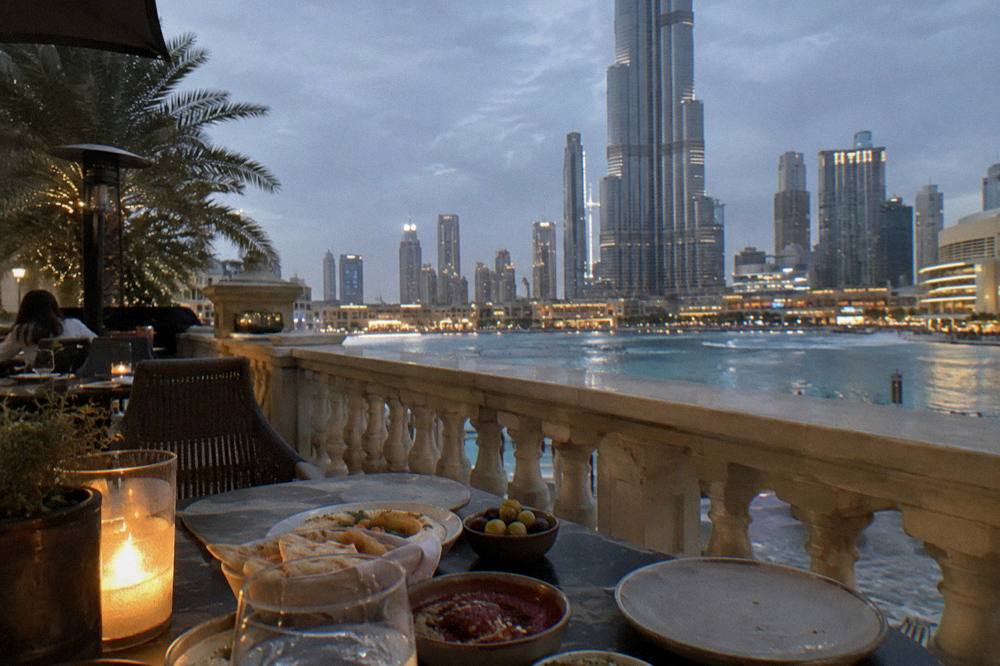
The marina and Downtown concentrate Dubai's polished restaurant scene: mid-range and fine dining venues along waterfront promenades and inside malls, where a restaurant meal runs a reported 80 to 150 AED per person as of 2026 data, with mains often 40 to 80 AED. It is table-service dining, largely indoors and air-conditioned, built around international cuisines and skyline views rather than local dishes.
The marina promenade and the Downtown boulevards around Burj Khalifa are, in food terms, an international city. Menus lean towards European, Asian and fusion cooking, with hotel-affiliated venues setting the upper price band. A mid-range restaurant meal costs around 80 to 150 AED per person as of 2026 data, mains often 40 to 80 AED, and bills commonly carry a 10 per cent service charge plus 5 per cent VAT, with some hotel-affiliated venues adding a 7 per cent municipality fee. Tipping guidance from Visit Dubai suggests 10 to 15 per cent at restaurants, added at your discretion; the service charge on the bill is venue-retained, so check with the waiter that any card tip reaches staff.
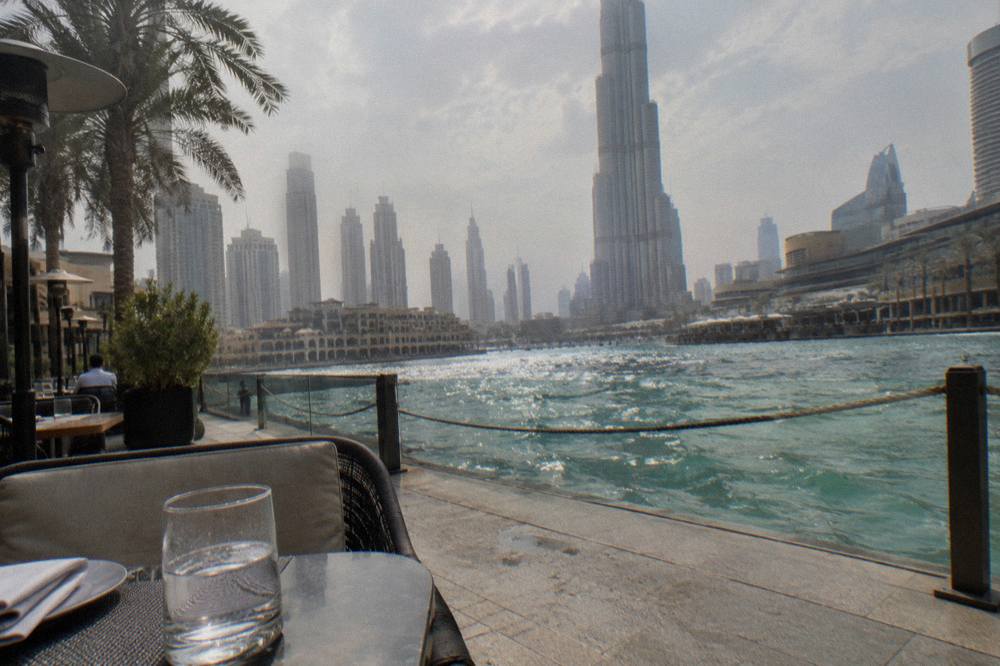
What the marina does well is consistency and comfort. Reservations are normal in the evenings, terraces face the water or the towers, and the heat is managed rather than endured. December through February is the comfortable walking season: monthly normals compiled from NCM data put December daytime highs around 26.5 °C and January around 24.4 °C, so promenade dining works without planning. In the height of summer, the indoor mall and hotel restaurant circuit is the practical choice.
What the marina does less well is Emirati food. The district's menus are overwhelmingly international, and a visitor eating only there can leave Dubai having tried none of the dishes the country actually grew up on. That gap is the single biggest reason food-focused travellers cross the Creek, and it is where a site like Dubai Food Tours earns its keep: the dishes worth knowing, machboos, harees, luqaimat, balaleet, sit mostly in Old Dubai and the cultural dining venues around it.
What Eating In Old Dubai Is Like
Old Dubai is a walking dining district: souk lanes, heritage quarters and cafeteria counters where a casual Emirati or Levantine meal runs a reported 15 to 40 AED per person, a shawarma 8 to 15 AED at local spots, and a karak chai 1 to 3 AED. Eating happens between stops rather than at one table, and the atmosphere is market street, not dining room.
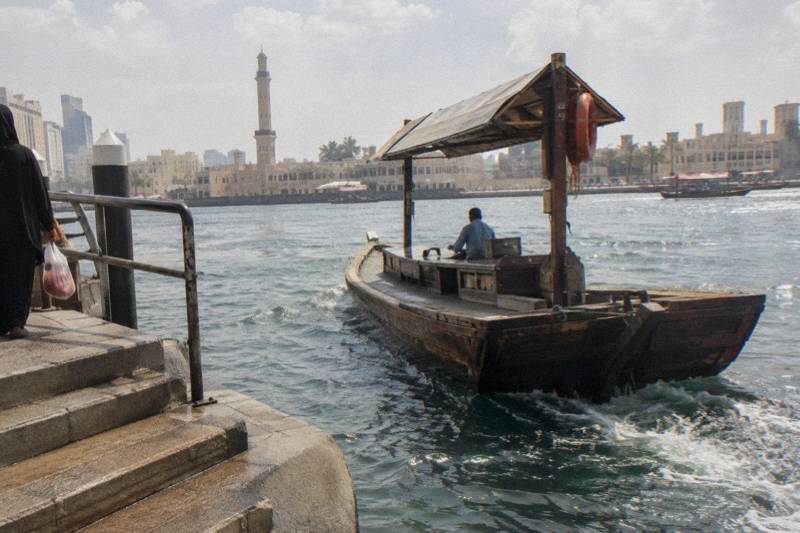
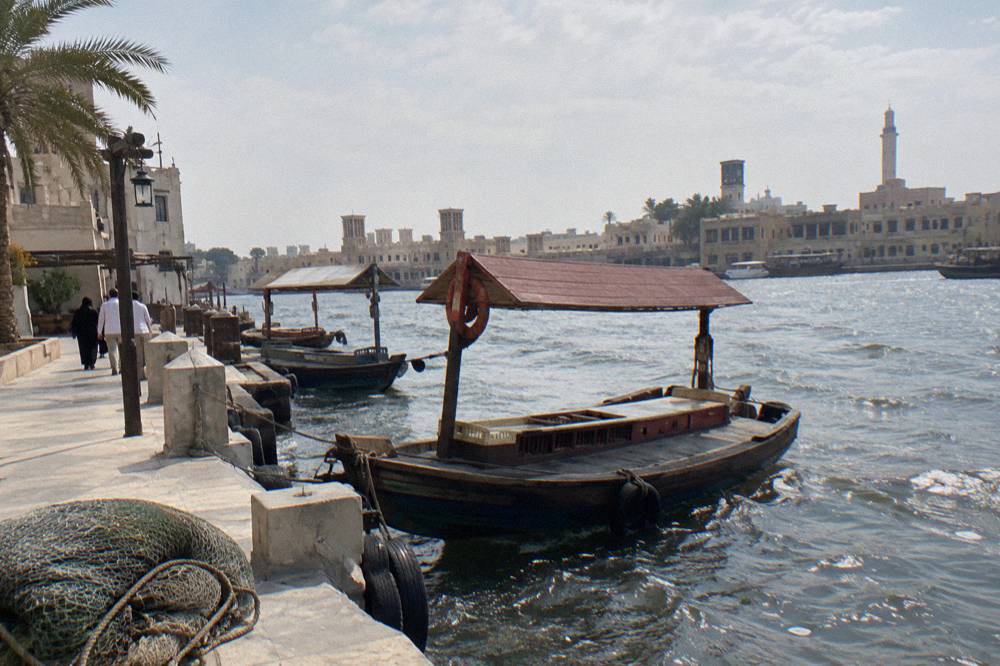
Cross the Creek and the food changes register. Deira's souk streets and Bur Dubai's Al Fahidi Historical Neighbourhood eat in fragments: a samosa from a bag, a wrap from a counter, dumplings of luqaimat drizzled with date syrup, a small cup of karak. Reported 2026 figures put falafel wraps at 4 to 15 AED, samosa at 1 to 5 AED per piece or 10 to 12 AED for a bag of about five, and luqaimat at 10 to 18 AED. A casual neighbourhood cafeteria meal, biryani or a mezze set, runs 15 to 40 AED per person as of 2026 data.
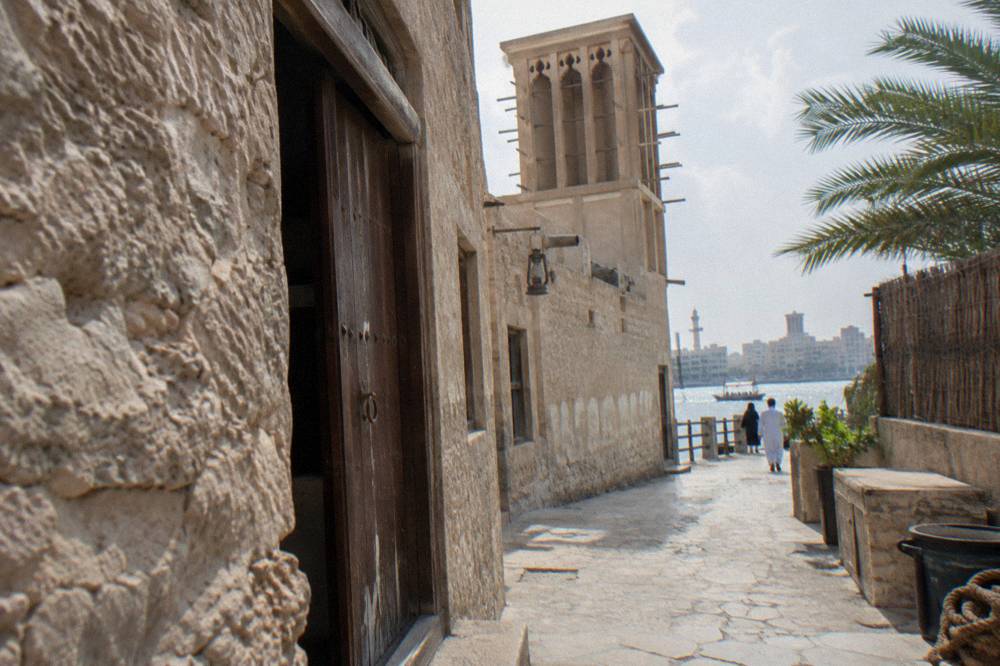
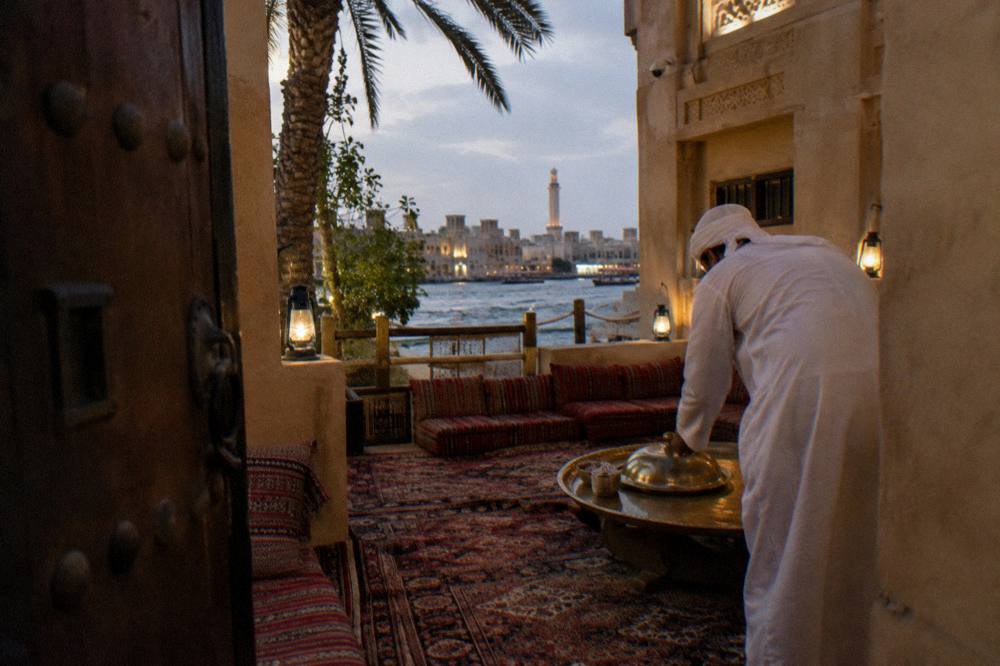
The district also holds the Emirati dining the marina lacks. Local House and Al Bait Al Qadeem in Deira serve machboos with lamb or fish at a reported 58 to 65 AED, harees at around 42 AED and thareed or margoog at 55 to 58 AED, in heritage settings. The Sheikh Mohammed Centre for Cultural Understanding in Al Fahidi runs 1.5-hour cultural meals with Emirati hosts, breakfast at a reported 130 AED, lunch at 145, tea time at 150 and dinner at 160, booking required. These are sit-down options, but they sit inside a walkable heritage district rather than a promenade.
Eating Old Dubai well takes local knowledge, which is why the guided format dominates here. The Old Town, Souks and Street Food walk with an abra ride runs 3 to 4 hours and pairs the district's tastings with its landmarks, the route the listing describes moving between the souks and across the Creek. A second option, the Al Fahidi Old Town, Souks and Street Food walk with an abra cruise, covers similar ground in 2.5 to 4 hours. Both are described on their booking pages with current prices and inclusions.
For a full rundown of the dishes themselves, the Emirati dishes worth knowing and the street food guide to Dubai cover what to order on either side of the Creek.
How The Two Districts Compare On Cost
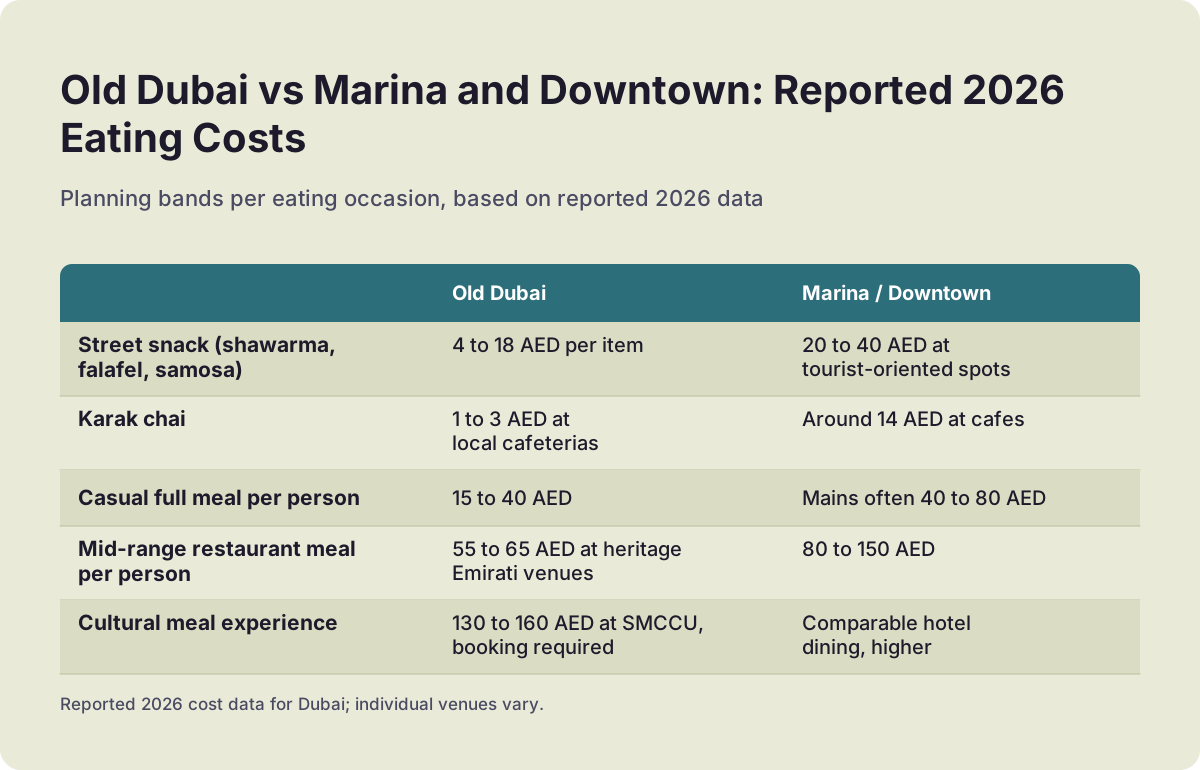
Counting the same meal types, Old Dubai runs at roughly a fifth of marina prices: a reported 15 to 40 AED casual meal versus 80 to 150 AED mid-range, a 1 to 3 AED karak versus cafe versions around 14 AED. Guided walks add a fixed per-person cost on top, set by each operator's listing. The figures below are reported 2026 data, not promises, and individual venues vary.
The honest comparison is per eating occasion, not per district, because most visitors do a bit of both. The table below uses only reported figures from 2026 cost data for Dubai; prices at any individual venue can sit above or below these ranges, so treat them as planning bands.
| Eating occasion | Old Dubai (reported) | Marina / Downtown (reported) |
|---|---|---|
| Street snack (shawarma, falafel, samosa) | 4 to 18 AED per item | 20 to 40 AED at tourist-oriented spots |
| Karak chai | 1 to 3 AED at local cafeterias | Around 14 AED at cafes |
| Casual full meal per person | 15 to 40 AED | Mains often 40 to 80 AED |
| Mid-range restaurant meal per person | 55 to 65 AED at heritage Emirati venues | 80 to 150 AED |
| Cultural meal experience | 130 to 160 AED at SMCCU, booking required | Comparable hotel dining, higher |
Two bill mechanics apply city-wide. Restaurants commonly add a 10 per cent service charge, which is venue-retained rather than a government fee, plus 5 per cent VAT; hotel-affiliated venues may add a 7 per cent municipality fee. Visit Dubai's tipping guidance treats the extra tip as personal preference, 10 to 15 per cent at restaurants and AED 5 to 10 at cafes.
A guided walk changes the arithmetic in one direction only: it converts an uncertain string of counter purchases into a fixed per-person price with tastings counted. The cost of each walk is on the operator's live listing, and inclusions vary, some include a full set of tastings while others describe samples, so read what each booking page says before comparing.
Which District Suits A Guided Food Experience
Guided food walks fit Old Dubai far better than the marina, because Old Dubai's eating is fragmented across souk lanes and benefits from navigation, counting and context. Downtown has one strong exception: food experiences bundled with Burj Khalifa access, which pair tastings with the skyline view. The marina itself has little guided food inventory worth the premium.
The structure of a district decides whether a guide adds value. In the marina, a restaurant is a destination with a menu and a host; a guide between courses adds little. In Old Dubai, the good eating is spread across a walkable maze, and a walk that counts the tastings, names the dishes and explains the souks turns a confusing hour into a meal. The Deira food guide covers that side of the Creek in detail.
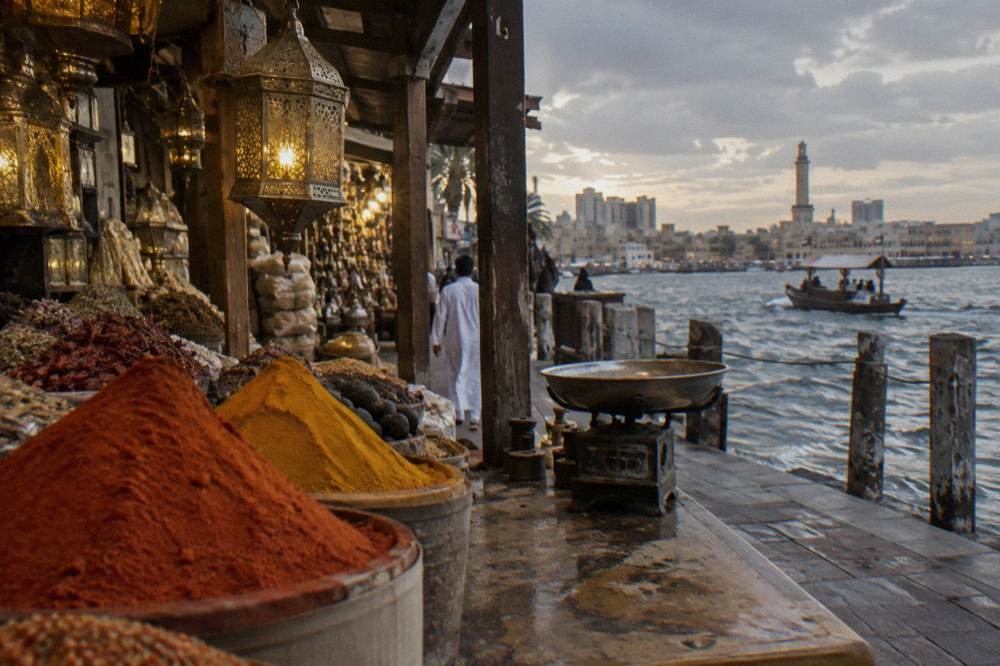
The Old Town, Street Food, Creek, Souks and Emirati House walk makes the case in its own format: 3 hours that move between street food, the Creek and a stop the listing describes at an Emirati house, which puts the district's cultural layer alongside its counters. It suits a visitor who wants context with the calories, not just a progressive dinner.
Downtown is the one polished district where a guided format genuinely competes. Food tours with Burj Khalifa access, such as the VIP walk with 7 or more tastings and tower entry, bundle two things the district does best: eating and the view. The 3-hour format on the listing describes tastings plus tower access, and the price sits on the booking page. Whether that premium beats booking a dinner reservation and a tower ticket separately is a matter of the current numbers on each, so check both before deciding.
The guided options compared here make the district fit visible at a glance. Each listing states its own duration, inclusions and price basis, so confirm the details on the booking page for the date you want.
| Guided experience | District | Duration | Format focus |
|---|---|---|---|
| Old Town, Souks, Street Food and Abra Ride | Old Dubai | 3 to 4 hours | Souk walk, street food tastings, Creek crossing |
| Al Fahidi Old Town, Souks and Abra Cruise | Old Dubai | 2.5 to 4 hours | Heritage quarter, souks, boat cruise |
| Old Town, Street Food, Creek and Emirati House | Old Dubai | 3 hours | Street food plus cultural house stop |
| VIP Food Tour with 7+ Tastings and Burj Khalifa | Downtown | 3 hours | Tastings bundled with tower access |
| Half-Day Street Food Tour | Old Dubai | 4 hours | Longer private-format street food circuit |
How To Split A Short Trip Between Both Districts
A practical split puts Old Dubai in the morning or late afternoon, when the souks are open and the walking is manageable, and the marina or Downtown in the evening, when promenade dining is at its best. The Metro connects them in under half an hour, with a taxi starting fare of a reported AED 5 daytime. Two days covers both comfortably; one full day forces a choice.
The geography cooperates. The Green Line serves both cores, with Al Ras and Gold Souq stations for Deira and Sharaf DG for the Al Fahidi area, per the RTA station map, and the Red Line reaches Downtown and the marina. Metro hours per the RTA timetable are 05:00 to midnight most days, from 08:00 on Sundays, and taxis start at a reported AED 5 between 06:00 and 22:00, AED 5.5 overnight. The Nol card that pays for the Metro is a reloadable smart card costing AED 25 with initial credit included, per the RTA's fare pages.
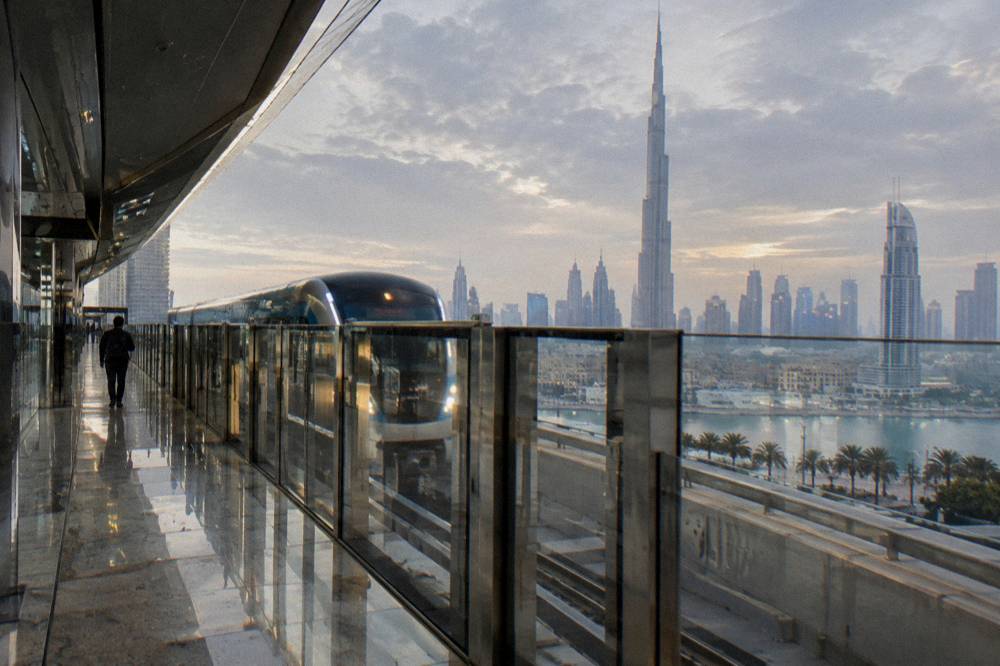
A two-day pattern works like this. Day one, Old Dubai: a morning walk through Al Fahidi and the souks, tastings as you go, an abra crossing of the Creek, and an early Emirati dinner in Deira. Day two, the polished side: Downtown and the tower in the afternoon, a marina promenade dinner as the towers light up. The three-day Dubai food itinerary extends the same logic.
| Plan | Morning | Afternoon | Evening |
|---|---|---|---|
| Day 1, Old Dubai | Al Fahidi lanes and cultural meal | Souks, street food walk, abra crossing | Emirati dinner in Deira |
| Day 2, polished side | Marina promenade and brunch | Downtown, Burj Khalifa area | Marina or Downtown restaurant |
Timing matters more in one district than the other. Souk shops vary by day and stall; the Spice Souk is reported to open earlier than 8am and run past 9pm, closed during the daytime on Fridays, while Gold Souk shops are reported mostly open 10am to 10pm. The marina's restaurants run to their own reservations, so the district you book ahead is the polished one, and the district you walk is the old one.
Where The Value Sits, Honestly
For food-focused visitors, Old Dubai offers more per dirham and more dishes you cannot eat at home, while the marina offers comfort, consistency and a skyline evening. The strongest single purchase is a guided walk in Old Dubai with a marina dinner on a separate evening, because the walk fixes the one thing independent souk eating cannot: knowing what to order and where.
The marina is not a food trap; it is simply a different product. A visitor whose priority is a relaxed waterfront dinner with international cooking and no navigation pays marina prices for a real experience. A visitor whose priority is tasting the dishes the UAE actually eats, machboos, harees, luqaimat, karak, finds almost none of them there and should not pretend otherwise.
One planning note on dietary needs: all meat sold in restaurants and markets in Dubai is halal, and pork appears only in designated licensed sections. Where a listing does not state vegetarian, vegan or gluten-free options, message the operator before booking rather than assuming. The dietary needs guide for Dubai food tours covers this in full.
The premium Old Dubai walk is the one most worth checking against your dates. The Old Dubai Premium Guided Tour with street food and an abra ride runs 3 to 4 hours with tastings the listing describes including shawarma, falafel, karak, samosa, regag and luqaimat, and its current price and meeting point sit on the booking page.
On timing, the guided souk walks tend to work best as evening bookings, because that is when the spice and gold lanes are at their liveliest and the street vendors are fully set up. If you are visiting between June and September, note that rutab season overlaps the heat, so an abra ride on the Creek is more pleasant in the last hour before sunset than at midday. The Dubai Creek Lights project, once it completes in Q1 2027, will add more than 5,000 lighting units along roughly 8 km of Creek waterfront including Al Seef and Bur Dubai Souq, so evening walks in this district will look meaningfully different after that date. For anyone planning the rest of an evening around food, the guide to food-led things to do in Dubai covers how a tasting walk fits alongside souk strolls and Creek crossings.
On budgeting, the gap between the two districts is large enough to plan around rather than simply absorb. A full casual meal in Old Dubai runs a reported 15 to 40 AED, while a mid-range marina restaurant meal runs a reported 80 to 150 AED per person. A visitor who books the guided walk in Old Dubai and then one marina dinner can experience both districts for less than the cost of three marina dinners, and eat the more distinctive food on the nights that matter most. If that mix of cheap eats and one splurge dinner appeals, the three day Dubai food tour itinerary shows how to slot the walk and the marina meal into a full weekend of dining.
Whichever side you weight, book the guided element for the district where a guide changes the experience, and book the table yourself where a guide does not. That rule alone separates the tours worth their price from the ones that are not.
Common Questions About Marina, Downtown And Old Dubai Dining
Is Food Cheaper In Old Dubai Than In Dubai Marina?
Yes, substantially. Reported 2026 data puts a casual Old Dubai meal at 15 to 40 AED per person against 80 to 150 AED mid-range in the marina, and a karak chai at 1 to 3 AED against cafe versions around 14 AED. Individual venues vary, so treat these as planning ranges.
Can You Eat Emirati Food In Dubai Marina?
Rarely. The marina's menus are overwhelmingly international, while Emirati dishes like machboos, harees and luqaimat concentrate in Old Dubai, at heritage restaurants in Deira and at cultural dining venues in Al Fahidi. Cross the Creek if Emirati food is the goal.
How Do You Get Between Old Dubai And Dubai Marina?
The Metro connects both: the Green Line serves the Deira souks and Al Fahidi area, and the Red Line reaches Downtown and the Marina. Metro hours are 05:00 to midnight most days per the RTA timetable, and a Nol card costs AED 25 with initial credit included.
Should You Book A Food Tour Or Explore The Souks Independently?
A guided walk adds the most in Old Dubai, where the eating is fragmented and unlabelled. Independent exploring works if you know the dishes already; the Deira spice souk guide is a good starting point. In the marina, a reservation is usually all the planning needed.
Is Downtown Or Old Dubai Better For A First Food-Focused Visit?
Old Dubai, for the simple reason that its dishes are the ones you cannot easily eat elsewhere. Downtown earns an evening for the skyline and a polished dinner, and food tours with Burj Khalifa access bundle the two, but the tasting side of a Dubai food trip happens around the Creek.