What Can 100 AED Get You In Dubai?
A plain answer to what 100 AED buys in Dubai: street food ranges, restaurant meals, transport and souvenirs, with reported 2026 prices and a comparison against a guided food walk.
Roughly 100 AED covers a full day of local food in Old Dubai, or a single meal at a mid-range restaurant. With shawarma at 8 to 15 AED, karak chai at 1 to 3 AED, and cafeteria meals at 15 to 40 AED per person, a budget eater eats well all day. Since mid-range restaurant plates run 80 to 150 AED, the same note buys just one sit-down dinner. If you're budgeting in dollars instead of dirhams, the guide to whether a hundred dollars covers a day in Dubai answers that with real local prices.
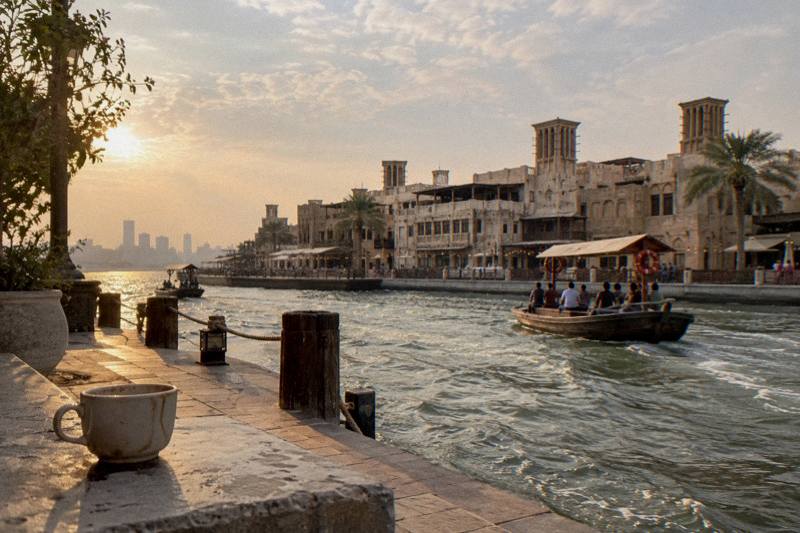
The honest answer depends on which Dubai you are standing in. In Deira and Bur Dubai, where the souks and the old lanes sit, a hundred dirhams goes a long way. The street food economy there runs on small notes: a falafel wrap reported at 4 to 15 AED, a bag of samosas at 10 to 12 AED for around five pieces, and a glass of karak at 1 to 3 AED from a local cafeteria. A traveller who eats where the neighbourhood eats can move through an entire day of snacks and a casual meal without breaking the note. To see how these small daily spends add up over a full week, the full week-by-week Dubai budget breakdown covers transport fares, restaurant prices, and where a guided food walk fits in.
The same note evaporates quickly in a hotel restaurant or a Downtown dining room, where mains alone are reported at 40 to 80 AED and the full meal lands between 80 and 150 AED per person. Add the 5 per cent VAT and the service charge many venues add, and a hundred dirhams covers roughly one main plus a soft drink, with change. Neither picture is wrong. They are two different cities sharing one currency.
This article walks through the reported numbers for food, then transport, then the souks, and finishes with the question that follows naturally: how does a hundred dirhams compare to the price of a guided food walk, where the tastings are counted and the route is planned for you. If you're arriving from the United States and wondering what to expect beyond prices, the guide to Dubai for American visitors covers the etiquette basics and how a guided first walk takes the guesswork out of Old Dubai.
How Far Does 100 AED Stretch On Street Food?
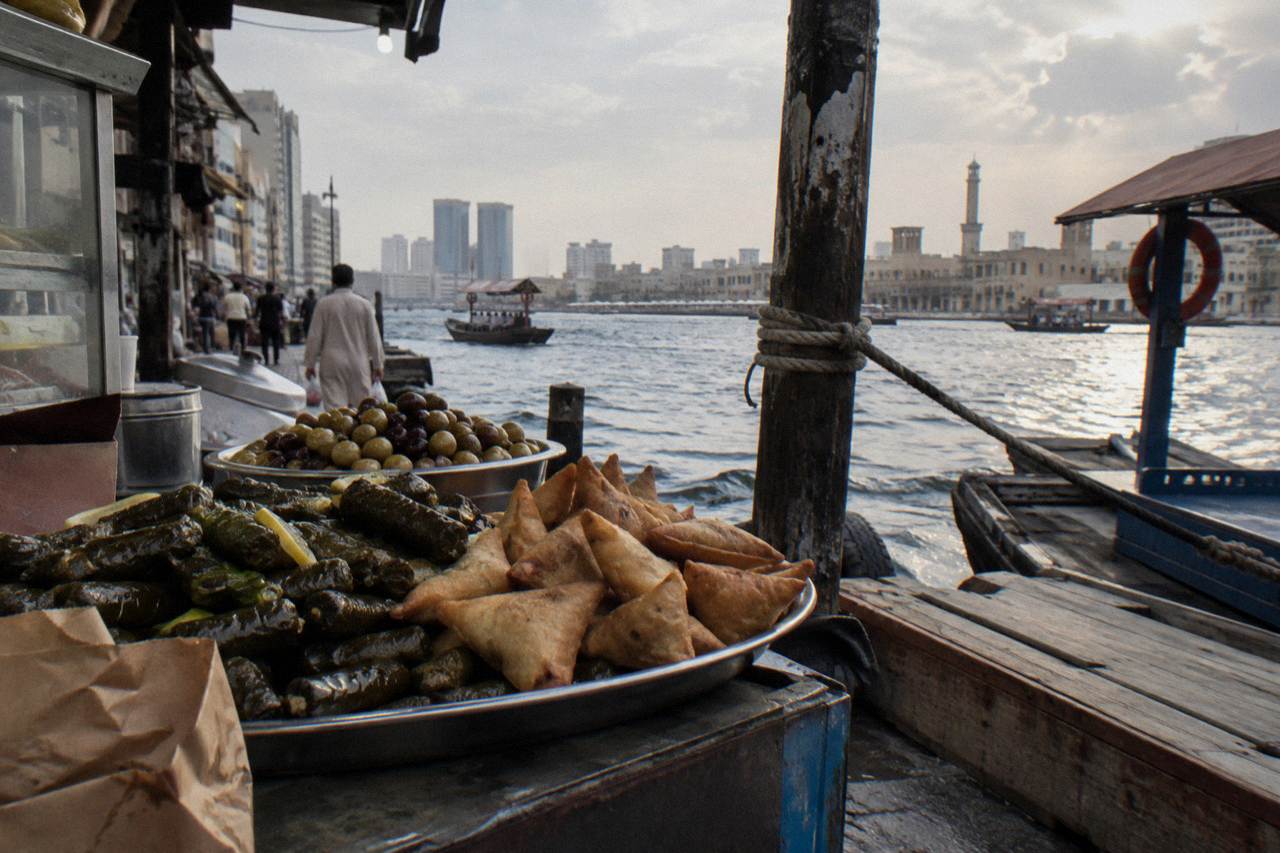
Very far, if you order like a local. Reported 2026 prices put shawarma at 8 to 15 AED at local spots, falafel wraps at 4 to 15 AED, karak chai at 1 to 3 AED, and samosas at 1 to 5 AED per piece. A hundred dirhams covers several rounds of these across a day in Deira or Bur Dubai, with room for a sweet plate of luqaimat at a reported 10 to 18 AED.
“Wonderful tour and great experience. The gold market & boat is an added treat. We would definitely book again.”
The street food of Old Dubai is built for small money. The stalls and cafeterias around the souks sell shawarma, falafel, samosas, karak and luqaimat, and the reported prices cluster in the single digits. A chicken shawarma wrap runs 12 to 18 AED, with an example of around 17 AED at one well known Deira spot. The tourist-facing versions of the same items cost more, reported at 20 to 40 AED for a shawarma in the visitor-heavy areas, which is the single biggest trap for a hundred dirham budget.
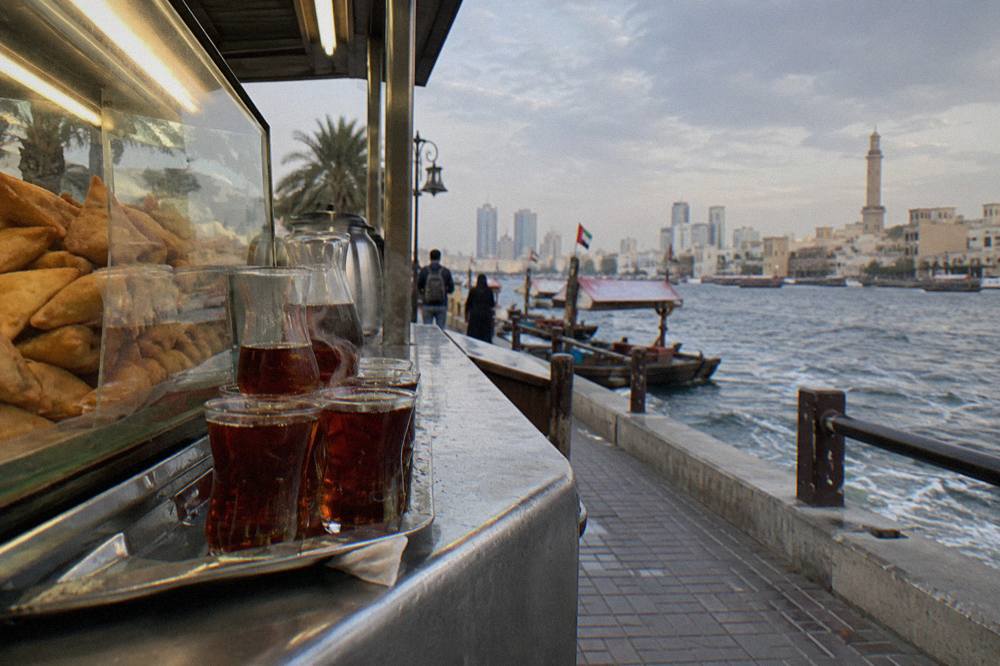
Karak deserves its own line because it is the cheapest pleasure in the city. The spiced milky tea is reported at 1 to 3 AED at local cafeterias and stalls, while cafe versions climb to around 14 AED. The difference is the setting, not the drink. A hundred dirhams spent entirely on cafeteria karak would be an absurd number of cups; nobody suggests that, but it shows the scale of the gap between local and tourist pricing.
| Item | Reported local price | Notes |
|---|---|---|
| Shawarma | 8 to 15 AED | Local spots; tourist areas reported at 20 to 40 AED |
| Chicken shawarma wrap | 12 to 18 AED | Example around 17 AED at a known Deira spot |
| Falafel wrap | 4 to 15 AED | Example of 13 AED reported |
| Karak chai | 1 to 3 AED | Cafe versions reported around 14 AED |
| Samosa | 1 to 5 AED per piece | Bags of about five reported at 10 to 12 AED |
| Luqaimat | 10 to 18 AED | Warm fried dumplings with date syrup |
One caution that matters more than any price: these are reported figures from 2026 sources, and individual stalls vary. Check the board or ask before ordering if the note is tight. The pattern, however, is stable. Eat at the counter, drink the cafeteria karak, and a hundred dirhams buys a full day of eating with change for the evening.
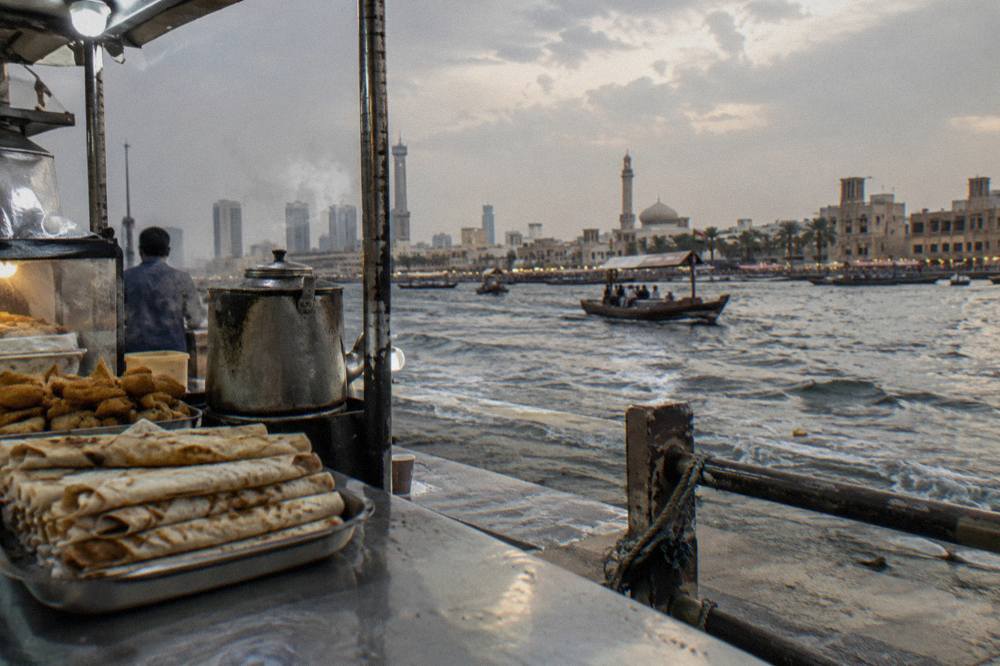
A practical day built on these numbers looks something like this. A morning karak and a samosa from a Deira counter, a midday shawarma wrap near the souks, an afternoon falafel snack while browsing, and a shared plate of luqaimat as the evening treat. Every item sits in the reported single digit or low double digit band, and the total for the day stays well inside the note. That is the arithmetic that makes Old Dubai the budget eater's favourite district of the city.
Can 100 AED Cover A Full Restaurant Meal?
Yes, at the casual end, and just barely at the mid-range end. A casual Emirati, Levantine or neighbourhood cafeteria meal is reported at 15 to 40 AED per person, so 100 AED covers two people with room to spare. A mid-range restaurant meal runs around 80 to 150 AED per person, which means the note covers one diner, mains often reported at 40 to 80 AED.
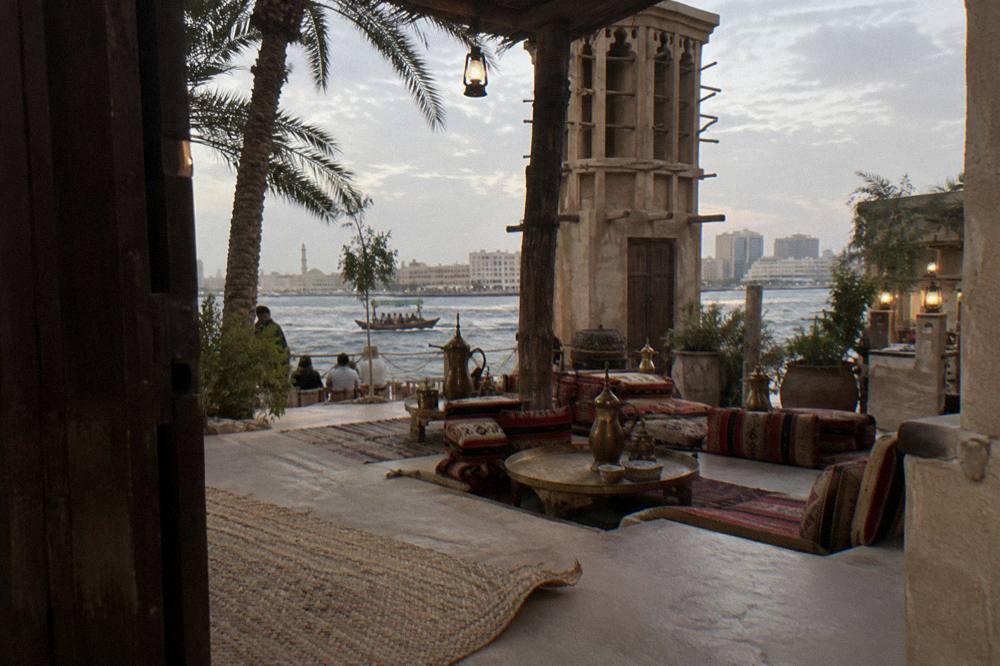
The jump from street food to a sit-down meal is where the hundred dirham note changes character. At a casual spot serving biryani or mezze sets, the reported range of 15 to 40 AED per person keeps the note in play for a couple, especially if you share plates the way the cuisine intends. Emirati mains sit in a similar band at heritage restaurants in Deira, with machboos reported around 58 to 65 AED and harees around 42 AED at specific venues, so a single Emirati main fits inside the note with a drink alongside.
Mid-range is where the arithmetic tightens. With mains reported at 40 to 80 AED and full meals at 80 to 150 AED per person, one hundred dirhams buys one main and a soft drink, or a modest meal for one. The bill also carries a 5 per cent VAT, and many venues add a service charge of up to 10 per cent that the venue often retains rather than passing to staff. Water matters too: a restaurant bottle is reported at 6 to 12 AED, against roughly 1 to 2 AED per litre in supermarket multipacks.
If the plan for the day is one proper meal rather than a graze, the casual tier is the sweet spot for a hundred dirhams. Two cafeteria plates, two karak, and a shared plate of luqaimat still fit inside the note at reported prices. A mid-range dining room is a different purchase, a night out rather than a day of eating, and it deserves a bigger budget or a smaller ambition.
What Does 100 AED Buy Beyond Food?
Outside the kitchen, a hundred dirhams covers a day of getting around with plenty left over. An anonymous Nol card costs a reported 25 AED including initial credit, and a road taxi ride starts at a reported 5 AED in daytime. Entry to the Al Fahidi Historical Neighbourhood lanes is free, and a cultural meal with Emirati hosts is reported at 130 to 160 AED, just above the note.
“Seeing the old parts of the city was amazing, but the bits that we really loved came from our tour guide, Seef, who provided just with so much information and insights into local culture. Definitely recommend!”
Transport is the quiet bargain. The Nol smart card, which works on the metro, tram and buses, is reported at 25 AED for the anonymous Silver or Gold version, and that price includes some starting credit. The metro's Green Line stations put you within walking distance of the whole Old Dubai eating district: Sharaf DG serves the Al Fahidi area, Al Ras sits beside the Deira souks, and Union connects the Red and Green lines. Check the RTA's own card page for the current credit terms before you travel, since bundles change. Where you base yourself matters just as much as how you get around, and the plain comparison of Dubai's best tourist areas weighs Old Dubai against Downtown, the Marina and the beaches with walking times and transport facts included.
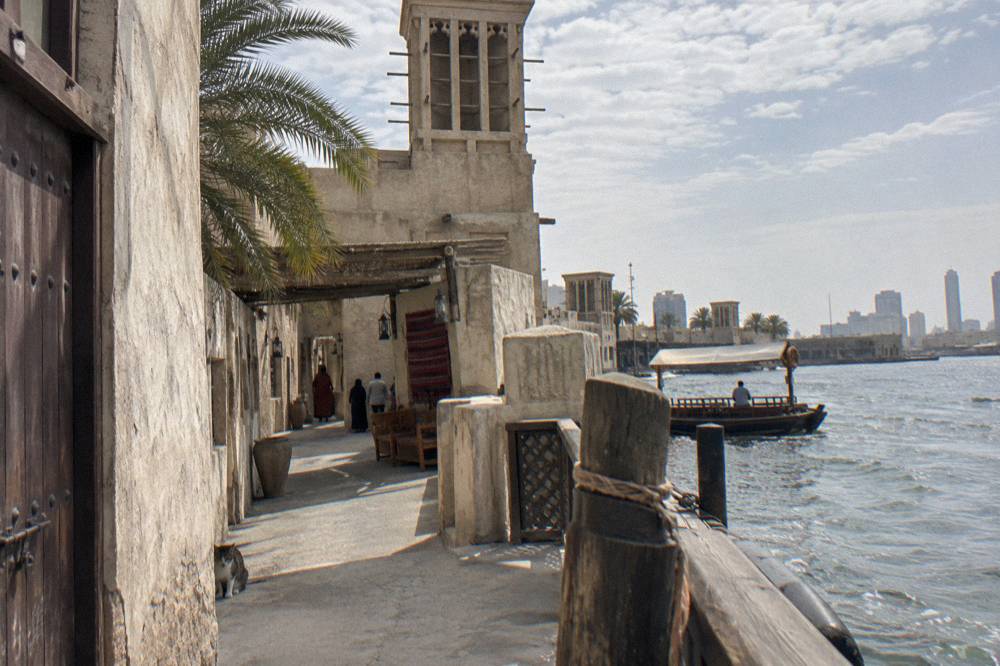
The sights in between meals cost nothing. The Al Fahidi Historical Neighbourhood is free to walk, with lanes, galleries and courtyards open on a reported schedule of 7am to 8pm daily. The Al Seef waterfront promenade on the Bur Dubai side of the Creek is free to enter, a stretch of roughly 1.8 km open daily. Souk browsing costs nothing until you buy, and the Spice Souk and Gold Souk sit a short walk apart across the water in Deira.
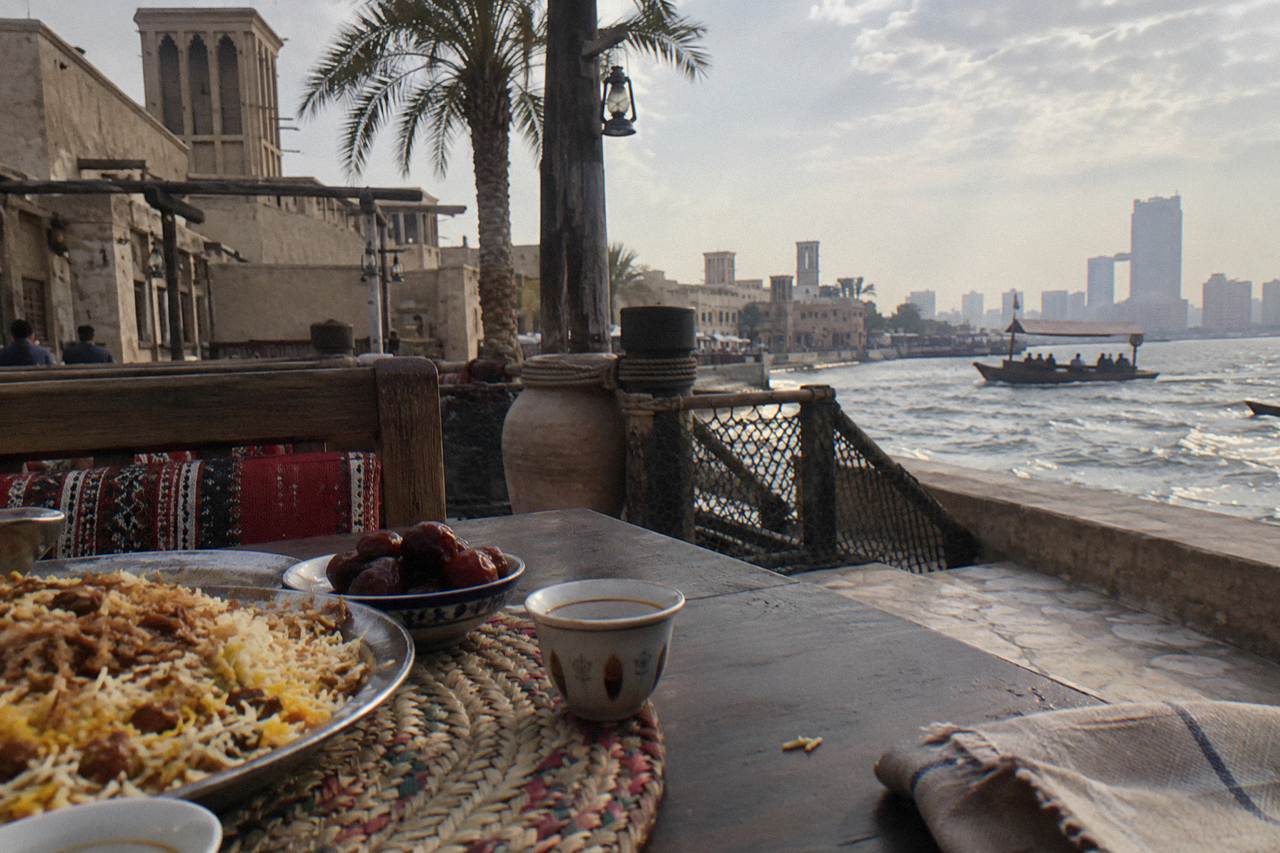
The cultural meal is the one non-food purchase worth naming here, because it sits just above the hundred dirham line and answers a different hunger. The Sheikh Mohammed Centre for Cultural Understanding in Al Fahidi runs hosted meals where Emirati hosts answer questions about customs and daily life over Arabic coffee and dates, with reported prices from 130 AED for breakfast to 160 AED for dinner. A hundred dirhams does not quite cover it, but it covers most of it, and for many travellers the conversation is worth the top-up.
A practical way to picture the day: start at Sharaf DG, walk the Al Fahidi lanes while the galleries and courtyards are open, then follow the Creek to the Al Seef promenade on the Bur Dubai side. Cross the water to the Spice Souk and Gold Souk, where browsing is free and any spending is entirely your choice, then finish at Union or Al Ras for the ride back. The only unavoidable costs are the card and any taxi you take, so the note stretches a long way.
One planning note on the cultural meal: booking is required, so it is not something to leave to the day itself. If the budget is strictly one hundred dirhams, the breakfast sitting at the reported 130 AED is the closest fit, leaving a smaller top-up than dinner. Pair it with the free lanes of Al Fahidi on either side of the sitting and the whole morning costs little beyond the meal itself.
How Does 100 AED Compare To A Guided Food Walk?
A guided walk costs more than a hundred dirhams per person on every option this site covers, but it buys something the note cannot buy alone: a counted set of tastings, a route between them, and a guide who orders in the right places. The value question is whether you would spend your hundred dirhams efficiently on your own, or trade a larger amount for certainty.
This is the honest comparison, not a sales line. A traveller eating independently in Deira at reported street prices will spend a fraction of a tour fee across an afternoon. What the fee buys is different: the stops are chosen in advance, the dishes are counted and listed on the booking page, and the guesswork of which alley and which counter is removed. For a first visit, or a short stay, that certainty has a real price.
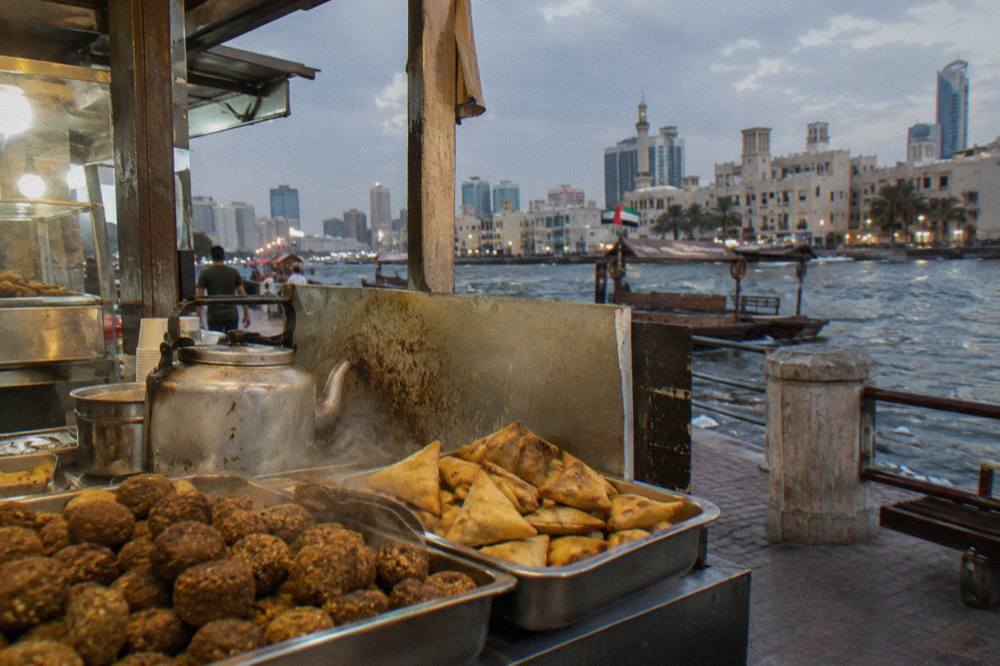
The Dubai Food Tours site exists because that trade is worth thinking through rather than stumbling into. On the private side, the Private Dubai Street Food Tour runs about 4 hours with a dedicated guide; the price and current inclusions are on the booking page, since per-person figures for private walks move with group size and date. It suits a traveller who wants the whole afternoon organised and the ordering done for them.
The group format costs less per person and trades some flexibility for it. The Dubai Old Town, Souks, Street Food, Guided Tour and Abra Ride runs 3 to 4 hours through the souks with an abra crossing of the Creek, the classic Old Dubai circuit. The listing describes the tastings included; check the booking page for the current price, since it varies by date.
A shorter alternative covers similar ground in less time. The Dubai Al Fahidi Old Town, Souks, Street Food and Abra Cruise runs 2.5 to 4 hours, pairing the Al Fahidi lanes with the souks and a cruise rather than the commuter-style crossing. Its inclusions and price sit on the booking page, and the shorter window leaves more of your hundred dirhams unspent for an independent evening.
“It was a personal tour with Orlina. Very special and great to have her all to ourselves. Orlina’s knowledge of Dubai and UAE history was great. She answered every question. Was great to learn and see loads about how Dubai has grown. Excellent trip round many key areas and the food tasting was brilliant addition. Lovely food and restaurants. Would highly recommend Orlina. She made us feel special.”
The comparison is not really food against tour. It is uncertainty against certainty. A confident eater with time will do fine on the note alone in Deira. A traveller with one free afternoon, or a group with mixed confidence, usually gets more from the counted walk. For more on the arithmetic, the Dubai food prices guide breaks down meal costs by district, and the Deira food guide maps the eating streets the walks pass through.
What Should You Know Before Spending In Old Dubai?
Three habits protect the note. First, eat where queues of locals form, since tourist-facing counters charge two to three times the local price for the same wrap. Second, check the bill for the 5 per cent VAT and a service charge of up to 10 per cent, and remember the charge often stays with the venue rather than the staff. Third, carry small notes, since many counters and stalls do not take cards.
Tipping follows the same logic as the rest of the spending. Visit Dubai's own guidance describes tipping as personal preference, with 10 to 15 per cent usual at restaurants and smaller amounts at cafes. Cash tips reach the staff directly, which matters when a service charge on the bill is retained by the venue. Nobody is obliged to tip on top of a charge, but many residents round up for good service.
Dietary questions have short answers in Old Dubai. All meat sold in restaurants and markets follows halal rules, and pork appears only in designated licensed sections. If a listing does not state vegetarian, vegan or gluten-free options, treat that as unstated rather than unavailable, and message the operator before booking. On alcohol, visitors over 21 may drink at licensed venues only, and it is not allowed in public places outside them, so a street food walk is a soft-drink and karak affair by law, not by choice.
Dress and manners cost nothing and buy goodwill. Shoulders and knees covered is the respectful baseline in the souks and heritage areas, and asking before photographing people, especially families, is the rule rather than the courtesy. During Ramadan, dining operates as normal indoors and non-Muslims are not required to fast, but discretion outdoors in daylight hours is the reported etiquette.
With those habits in place, the hundred dirham note does serious work in Old Dubai. It is a day of karak, wraps and a shared plate at a cafeteria, or the bulk of a cultural meal, or most of a Nol card with a full afternoon of free heritage lanes around it. The guided walks above are the upgrade path when certainty is worth more than the change.
Common Questions About What 100 AED Gets You In Dubai
What Can 100 AED Get You In Dubai?
Reported 2026 prices say it buys a full day of street food eating in Old Dubai, from shawarma at 8 to 15 AED to karak at 1 to 3 AED, or one mid-range restaurant meal at the 80 to 150 AED per person tier. Outside food, it covers a Nol card at a reported 25 AED with credit included, plus a day of free heritage lanes and souk browsing.
Is 100 AED Enough For A Day Of Eating In Dubai?
Yes, in Deira and Bur Dubai. A casual cafeteria meal is reported at 15 to 40 AED per person, and individual street snacks run in the single dirham digits. The note stretches less in tourist-facing spots, where a shawarma is reported at 20 to 40 AED, and it does not cover a mid-range restaurant meal for two.
How Much Is A Street Food Meal In Old Dubai?
Reported ranges put a shawarma at 8 to 15 AED, a falafel wrap at 4 to 15 AED, samosas at 1 to 5 AED per piece, and luqaimat at 10 to 18 AED a plate. A casual sit-down meal at a neighbourhood cafeteria runs 15 to 40 AED per person. Individual stalls vary, so check the board before ordering.
Do Restaurant Bills In Dubai Include Extra Charges?
Most bills add 5 per cent VAT, and many venues add a service charge of up to 10 per cent that the venue often retains rather than passing to staff. Tipping is personal preference; Visit Dubai describes 10 to 15 per cent as usual at restaurants. A cash tip reaches the server directly.
Is A Guided Food Walk Better Value Than Eating Independently?
It costs more than a hundred dirhams per person, but it buys a counted set of tastings, a planned route and a guide who orders in the right places. An independent eater with time in Deira can eat very well on the note alone. A traveller with one free afternoon usually gets more certainty from the guided option; current prices sit on each booking page.