Dubai Dress Code For Walking Tours And Souks
Dubai has no single dress-code law for visitors, but the streets you eat your way through are traditional ones, and dressing for them is mostly about comfort and respect.
Short answer
There is no tourist dress law in Dubai, but heritage areas, souks and malls expect shoulders and knees covered. Winter walking temperatures run about 24 to 26 degrees Celsius at midday. Loose cotton clothing, closed walking shoes and a light scarf cover almost every situation a food walk in Old Dubai involves.
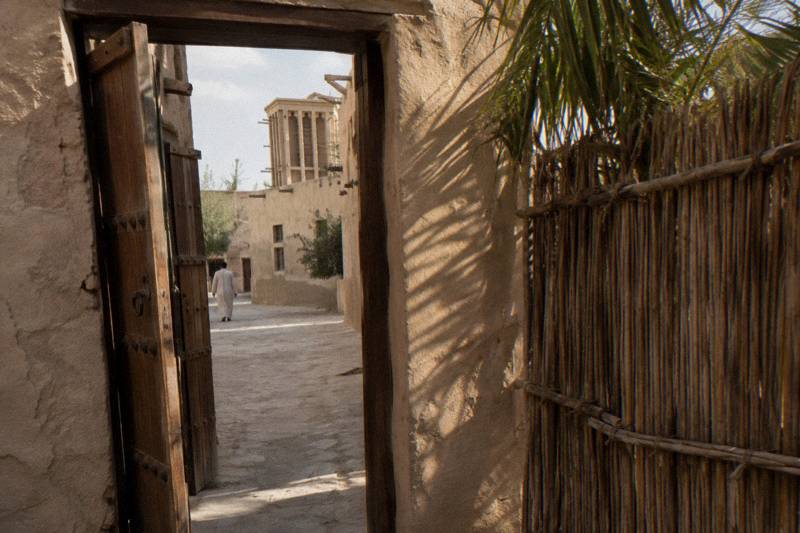
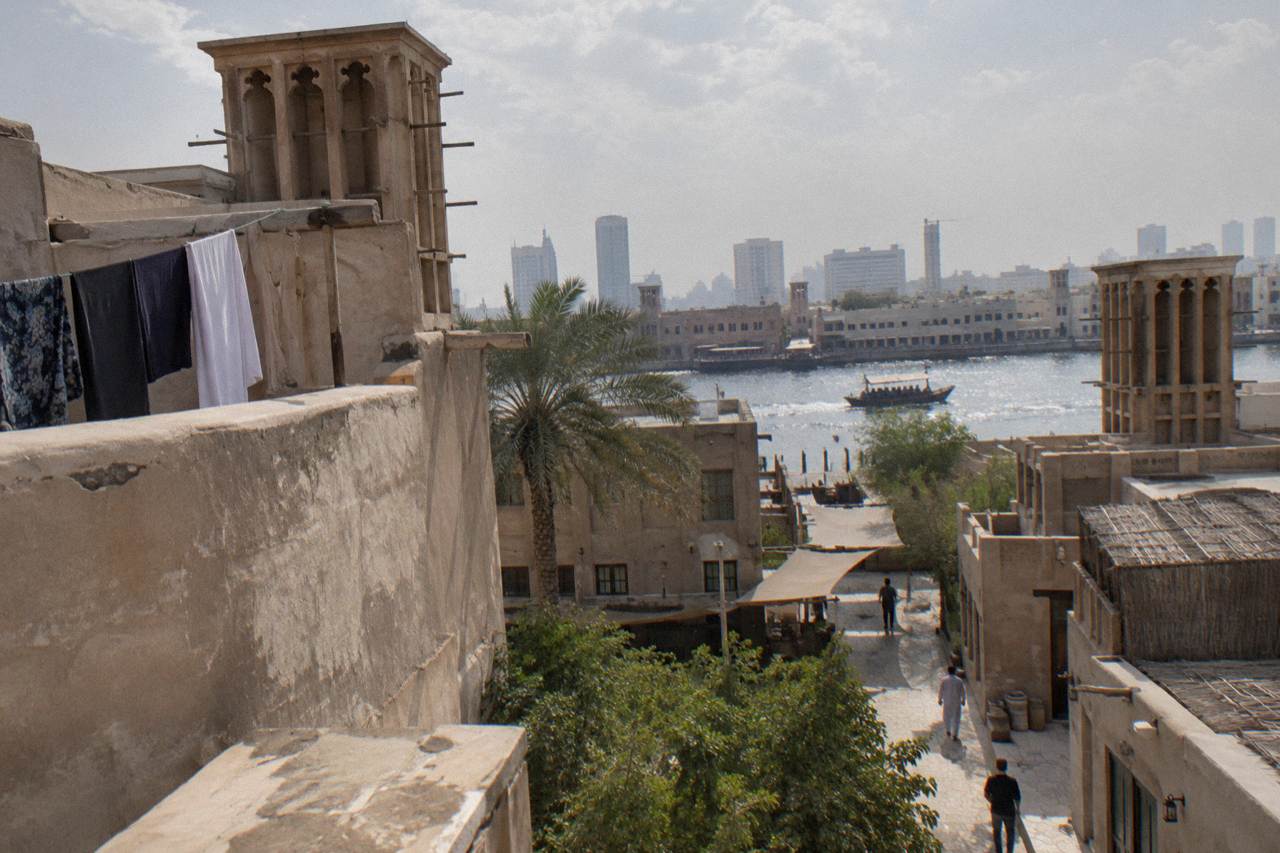
Food walks in Dubai spend their time in the oldest parts of the city: the lanes of Al Fahidi, the Textile Souk on the Bur Dubai side of the Creek, and the Spice and Gold Souks across the water in Deira. These are working traditional districts, not resort zones, and the question visitors ask before booking is almost always the same one: what should I wear? The honest answer is reassuring. Dubai has no single dress-code law aimed at tourists, and nobody is going to fine you for a pair of shorts on a souk street. But dressing with the district in mind makes the day cooler, more comfortable and easier, and it takes about two minutes of planning. Solo female travellers often have a few extra questions about comfort and safety in these districts, and the guide to Dubai for women travelling alone answers them plainly.
This guide covers the practical side: what the expectations actually are in each area a food walk touches, what footwear survives three to four hours on your feet, what changes near mosques and during Ramadan, and how the weather should shape your outfit. It also explains what a guided walk changes, since a local guide absorbs a lot of the guesswork.
What Should You Wear On A Walking Tour In Dubai?
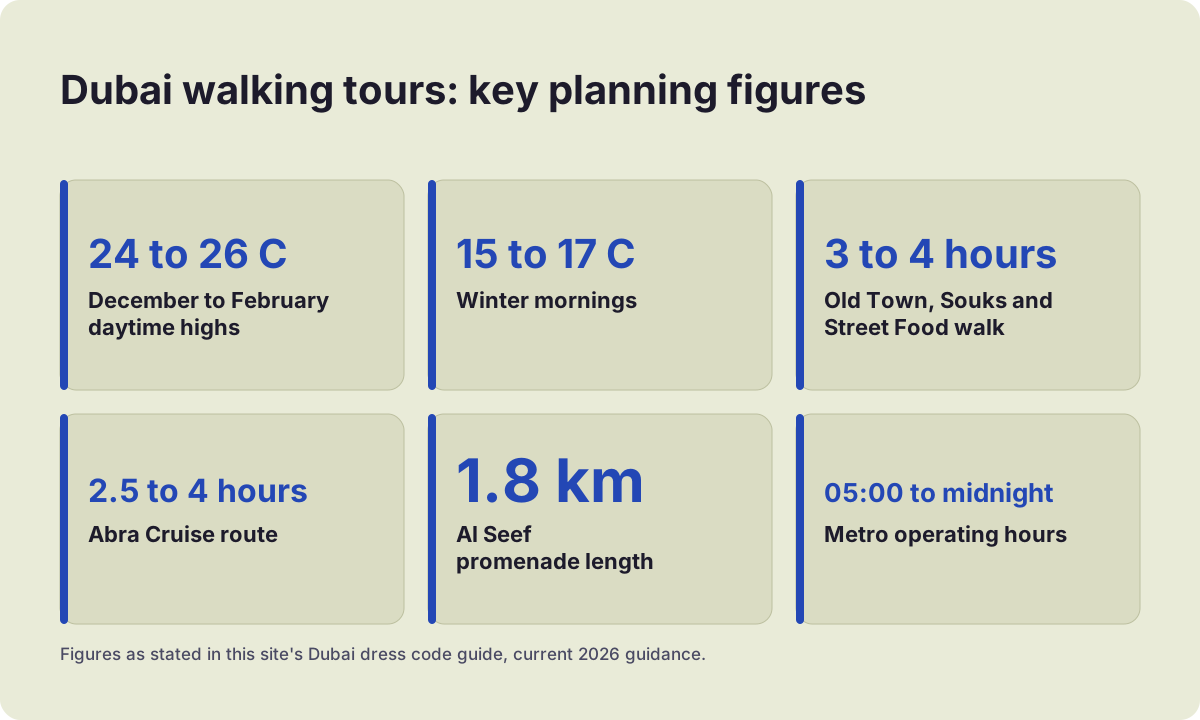
Plan for heat, walking distance and traditional streets at the same time: loose, breathable clothing that covers shoulders and knees, plus proper walking shoes. A guided food route in Old Dubai typically runs three to four hours with stops in shaded lanes, souk aisles and an abra crossing, so comfort matters as much as modesty. Winter days average around 24 to 26 degrees Celsius, and summer days run far hotter.
Start with the fabric, not the coverage. Loose cotton or linen lets air move and dries fast, which matters more in Dubai than almost anywhere else on a walking route. Tight clothing in heavy synthetics turns a three-hour walk into an endurance event by the second souk. Light colours reflect the sun; dark colours absorb it, and you will feel the difference within an hour.
Coverage comes second but it does come. The reported expectation across heritage areas, souks and malls is shoulders and knees covered, and this is a cultural norm rather than a legal requirement in most cases. For men, that usually means a t-shirt and trousers or knee-length shorts. For women, a t-shirt or blouse with trousers, a long skirt or a mid-length dress does the job. Nobody is measuring hemlines, but a district like Al Fahidi is residential and traditional, and blending in simply makes the whole experience smoother.
The third piece is the one people forget: shoes. A food walk in Old Dubai is a walking route, not a stroll between air-conditioned rooms. Distances between Al Fahidi, the Textile Souk, the abra dock and the Deira souks add up, surfaces range from cobbled lanes to market floors, and the operator's listing for the route you book states the total duration. Sandals with grip work; new shoes and thin soles do not. There is more on footwear further down. Comfortable shoes matter even more if your route detours into Deira, where the guide to gold prices at the Deira Gold Souk explains how the souk's shops sit right beside the same walking paths.
One planning note on the calendar. December through February brings the lowest average daytime highs of the year, roughly 24 to 26 degrees Celsius according to NCM-derived monthly normals, with December mornings around 17 degrees. That is walking weather almost anywhere in the world, and it is the season when a light jacket earns its place in your bag for the evening.
Is There An Actual Dress Code Law In Dubai?
No single dress-code law applies to tourists in Dubai. The reported guidance is that swimwear belongs at beaches and pools, and that shoulders and knees should be covered in heritage areas, souks and malls. No strict legal fine applies in most cases in the souks, but dressing outside the norm attracts attention in traditional districts, which most visitors prefer to avoid.
The distinction matters because it changes how you plan. This is not a rules-with-penalties situation, it is a read-the-room situation. Official tourism guidance frames it as respect and context rather than compliance, and the practical outcome is the same everywhere: dress for the district you are standing in. What passes without a glance at a beachside cafe draws stares in a heritage lane, and the lanes are where the food is.
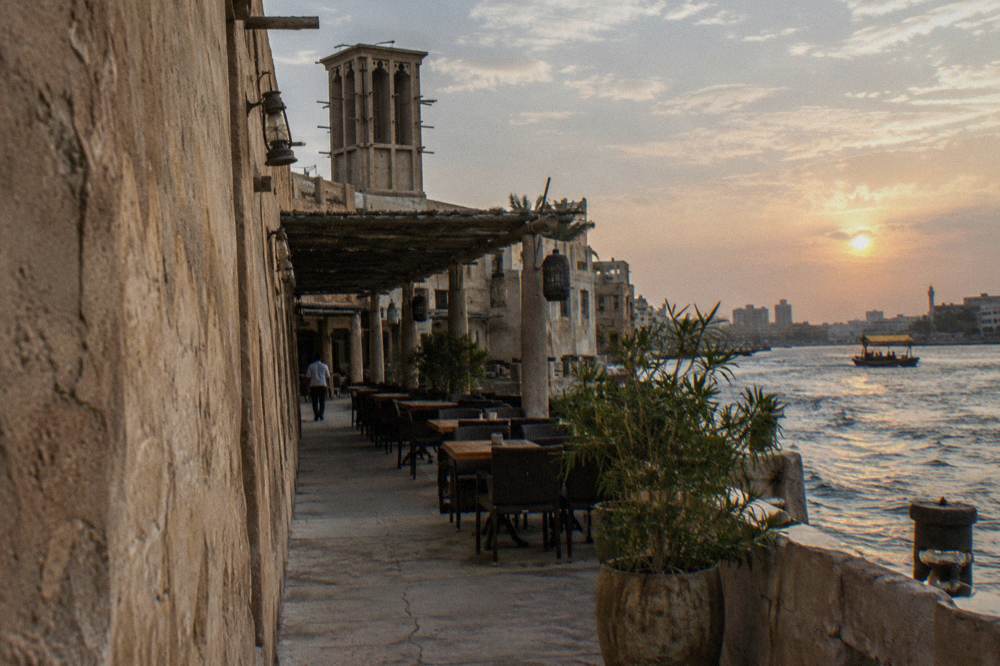
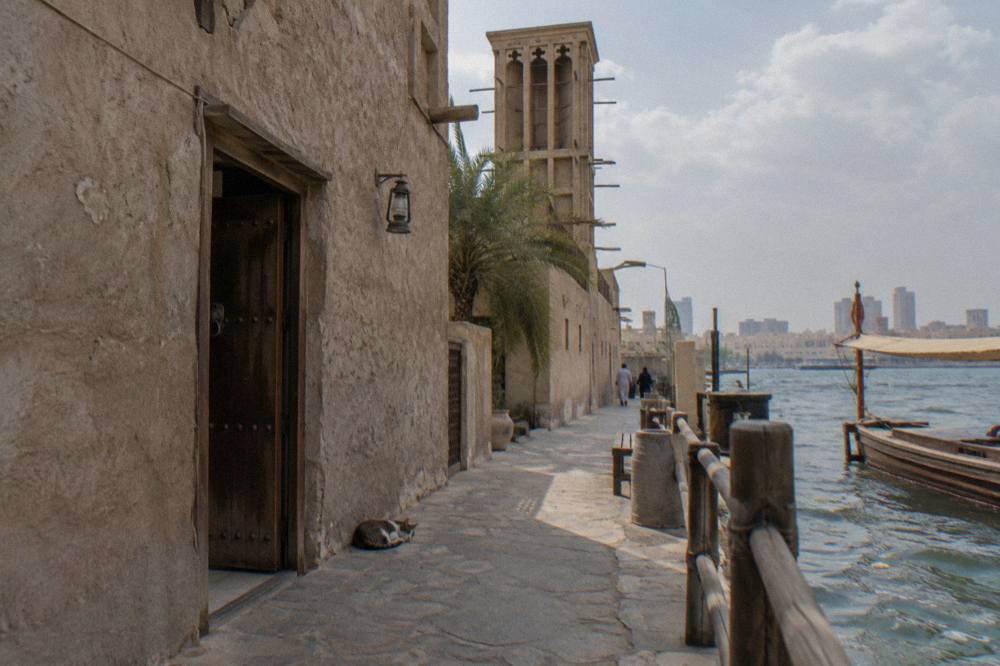
For a food walk, that means the whole route sits inside the "cover shoulders and knees" zone. The good news is that this is the comfortable choice anyway. Loose clothing with coverage protects you from sun exposure on open stretches like the Al Seef promenade, a roughly 1.8 km waterfront stretch on the Bur Dubai side of the Creek, and from the dust and bustle of the market lanes. Modesty and comfort point in the same direction in Dubai, which is rare good luck. If you're wondering whether shorts could work instead, the guide to wearing shorts in Dubai as a woman explains where they're fine and where fuller coverage makes more sense.
If you want to read the wider context before a trip that goes beyond Old Dubai, the same expectations apply in malls and government buildings, while hotels and beach clubs are far more relaxed. The etiquette reporting on Dubai dress, including the point that no strict fine applies in most cases, is drawn from current 2026 guidance.
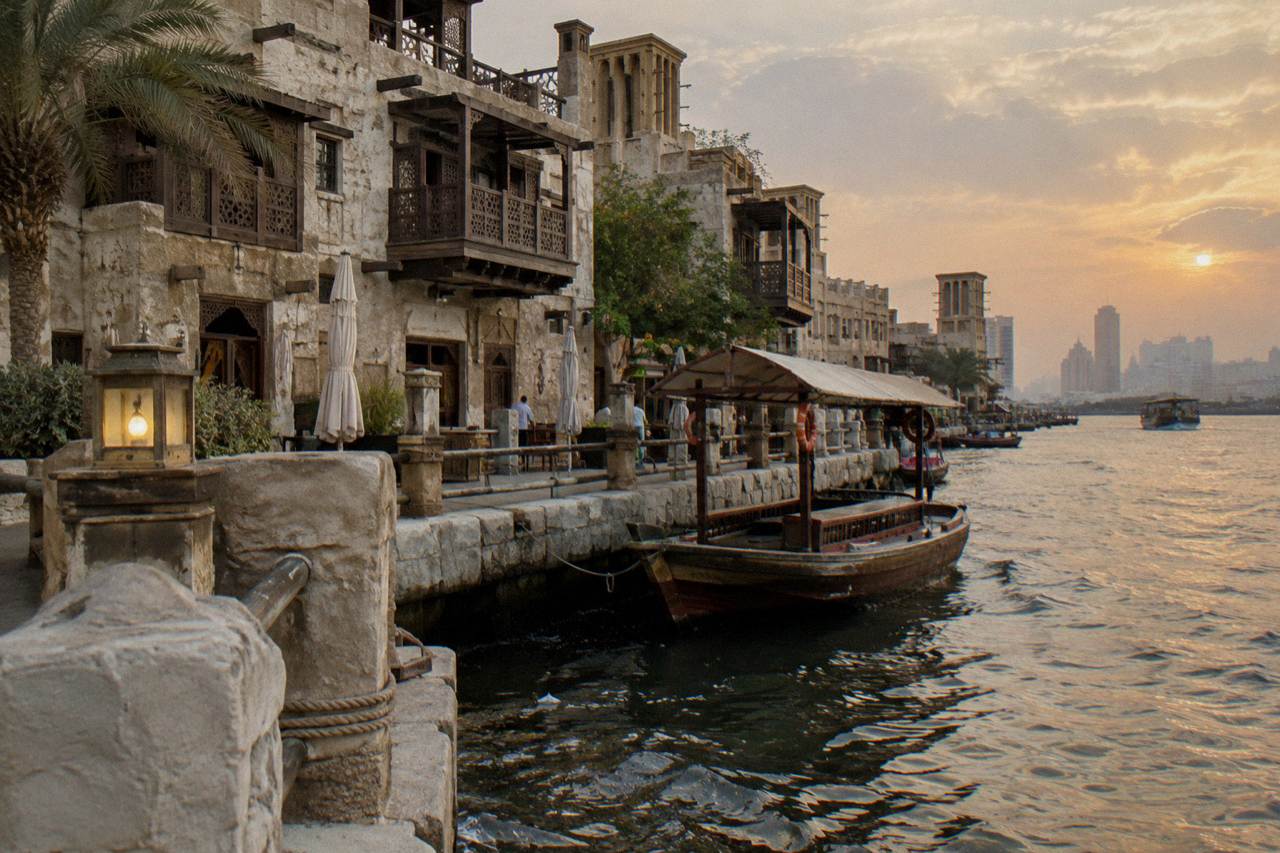
For most visitors, a guided walk removes half the anxiety here. A guide sets the pace through traditional streets, leads the greetings at food stalls and family-run counters, and signals what is welcome where. The Old Town, Souks and Street Food guided walk is the site's featured route through exactly these districts, a 3 to 4 hour walk with an abra ride across the Creek, and its listing describes the stops and inclusions in full.
What To Wear In The Souks And Heritage Streets?
Cover shoulders and knees, choose loose fabrics, and bring a scarf or light layer you can put on and take off as you move between sun and shade. The souks and Al Fahidi Historical Neighbourhood are traditional districts where modest dress is the norm; there is no fine, but dressing in line with the area avoids unwanted attention and makes stall-side conversations easier.
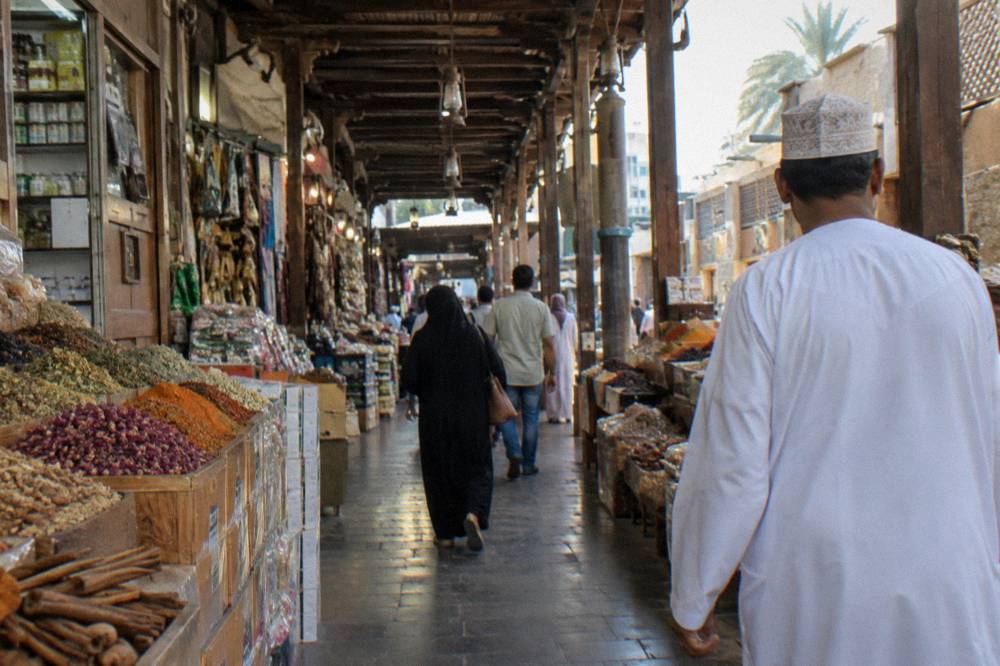
The souks deserve their own section because they are where the walk and the dress code meet most directly. The Spice Souk in Deira is a covered but open-sided market, hot in the afternoon and busy most of the day. The Gold Souk alongside it is a lane of glittering shopfronts, and the Textile Souk on the Bur Dubai side is a shaded wooden-roofed arcade. All three are traditional trading areas, and all three are full of people who live and work there.
What works in practice is simple. A loose shirt or top with at least short sleeves, trousers or a skirt below the knee, and nothing tight or sheer. A light scarf is the single most useful item a woman can carry in Dubai: it adds coverage in seconds when you step into a more traditional space, doubles as sun protection on the open stretches, and weighs nothing in a bag. Men rarely need more than a t-shirt and trousers, though vest tops are better left at the hotel.
The district-by-district picture is worth a table, because expectations shift a little as you cross the Creek:
| Area | Typical dress on the street | Notes for a food walk |
|---|---|---|
| Al Fahidi Historical Neighbourhood | Shoulders and knees covered | Residential heritage district, narrow lanes, galleries and courtyards |
| Al Seef promenade | Relaxed but modest | Roughly 1.8 km open waterfront stretch, sun exposure on the modern end |
| Textile Souk, Bur Dubai | Modest, shaded arcade | Hot under the wooden roof, loose fabrics pay off |
| Spice and Gold Souks, Deira | Modest, busy trading area | Crowded lanes, keep bags close and clothing loose |
| Malls and metro stations | Shoulders and knees covered | Air-conditioned, a light layer helps indoors |
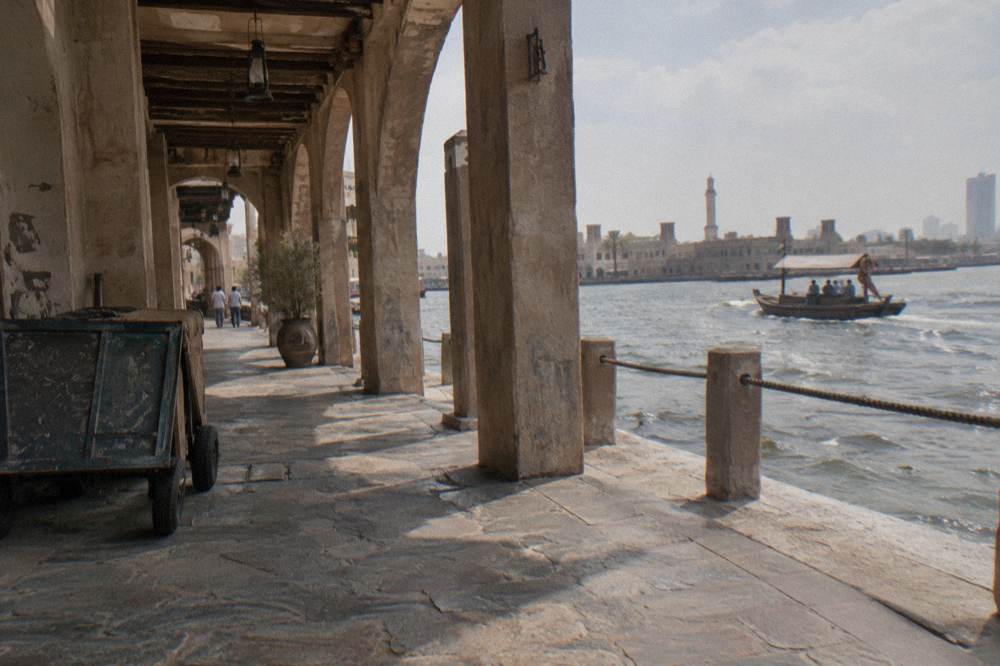
One habit worth building early: dress for the whole route, not the first stop. Walks that include the Al Fahidi lanes and the Deira souks cross the Creek by abra, and the boat dock and the far bank are just as traditional as the departure side. There is no dress checkpoint anywhere on that route, but the point of a food walk is to be welcome at every counter you stop at, and dressing once for the whole circuit is easier than adjusting.
Footwear, Bags And Weather For A Long Walk
Wear broken-in walking shoes with grip, carry a small cross-body bag, and plan around the season. Winter days average 24 to 26 degrees Celsius, ideal for a three to four hour route; summer heat makes an early start the only sensible choice. A compact umbrella or rain layer is rarely needed, but sun protection almost always is.
Footwear is where food walks are won and lost. The route profile of a typical Old Dubai walk includes heritage lanes, market floors, the abra dock and promenade stretches, on foot for the full duration of the tour. Thin soles, new leather and anything without grip turn hour three into a hobble. Trainers or cushioned sandals with a strap are the standard choice; the surfaces are not technical, they are just relentless.
Bags matter more than most visitors expect, for two reasons. First, souk lanes are narrow and busy, and a small cross-body bag sits safely in front of you where pickpocketing risk stays low and your hands stay free for tea and tastings. Second, several tasting stops involve standing and eating, and a large backpack becomes a nuisance in a crowd. Pack light: phone, card, a little cash for tips and extras, water if the listing does not include it, and the scarf.
The weather table is short because the pattern is simple:
| Season | Typical daytime feel | What it means for clothing |
|---|---|---|
| December to February | Average highs 24 to 26 C, mornings around 15 to 17 C | Loose layers, light jacket for evenings and air-conditioning |
| March and November | Warm, climbing toward summer heat | Loose cotton, sun hat, morning starts |
| April to October | Hot to very hot | Early starts, breathable fabrics, minimal midday walking |
Sun protection rounds it out. A hat, sunglasses and sunscreen matter even in December, because the Dubai sun is strong year-round and several stretches of a food route, Al Seef in particular, are open to it. If the timing of your trip is still flexible, the site's guide to the best time to visit Dubai for food and walking breaks down the calendar in more detail.
Dress Near Mosques, Ramadan And Religious Settings
Near mosques and during Ramadan, dress more conservatively and behave more discreetly: covered shoulders, knees and ideally arms, no loud behaviour, and no eating or drinking in public during daylight fasting hours out of courtesy. Non-Muslims are not required to fast, and restaurants operate normally indoors, but daytime discretion is the reported norm during the holy month.
Mosque-adjacent streets are common on Old Dubai routes, and the mosque itself is usually not part of a food walk unless the listing says so. The dress expectation steps up as you approach: covered shoulders and knees are the floor, and longer sleeves and trousers or a long skirt are a better fit. If a mosque visit is on your wider itinerary, check its visitor arrangements in advance, since Friday prayer times and women's entry rules vary by mosque and are not part of any food walk.
Ramadan changes the texture of a day rather than its legality. Under the current rules, the old public-eating penalties no longer apply, restaurants and food courts operate normally indoors without mandatory screening, and non-Muslims are free to eat and drink during the day. What the etiquette guidance reports is discretion: avoid eating, drinking or smoking in open public spaces during daylight fasting hours, and expect a quieter, more reflective street atmosphere. Evening iftar is the exception, a genuinely special time to be eating in Old Dubai, and several walks adjust their schedules around it in ways the operator's listing describes.
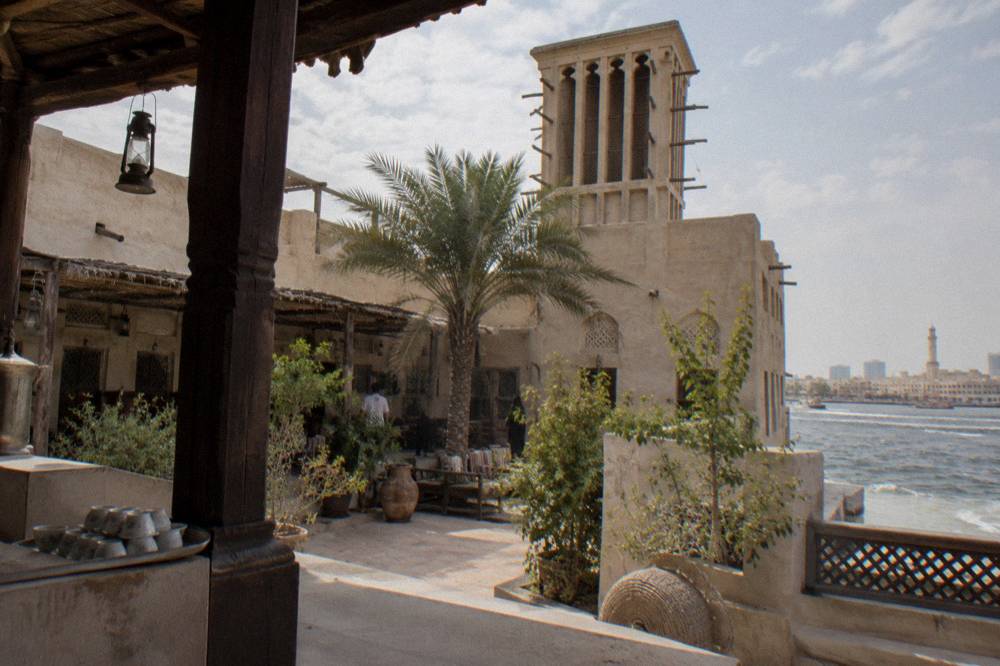
Two related rules sit close to the dress question and are worth knowing before a walk. Alcohol is not part of Old Dubai food walks: visitors over 21 may drink only at licensed venues such as hotels and restaurants, and never in public places, so a walk through the souks is a soft-drinks and karak affair regardless of what you wear. And photography etiquette asks that you always request permission before photographing individuals, especially Emirati women, families or anyone in traditional dress; a guide usually handles this gracefully, which is one of the quiet advantages of a guided route. The site's page on food tours in Dubai during Ramadan covers the holy month in full.
If a cultural meal rather than a street walk is on your list, the Al Fahidi, Souks, Street Food and Abra Cruise route runs 2.5 to 4 hours through the same districts with a boat cruise on the Creek, and its listing states what is included.
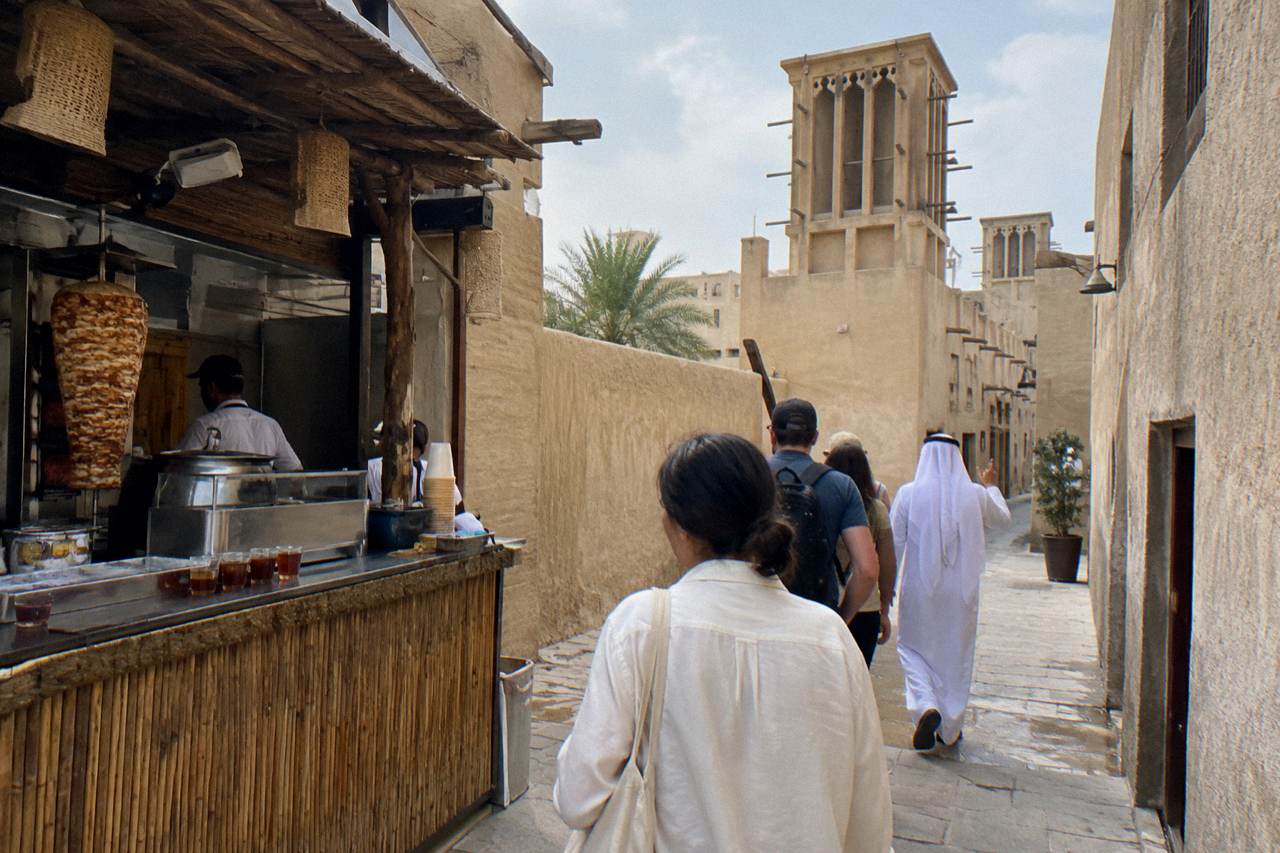
What To Pack: A Checklist For The Day
Pack like you are dressing for a hot, traditional city that you will walk through for hours: loose clothing covering shoulders and knees, broken-in shoes, a scarf or light layer, sun protection, a small bag, and a little cash for tips and extras. Everything on the list fits in a day bag and none of it needs to be bought specially.
The checklist below is deliberately short. Food walks do not need specialist gear, and the biggest mistake is over-packing for a route that spends its time in markets and cafes.
| Item | Why it earns its place |
|---|---|
| Loose top with sleeves | Meets souk norms, protects from sun |
| Trousers, long skirt or knee-length shorts | Coverage for heritage districts |
| Broken-in trainers or strapped sandals | Three to four hours on mixed surfaces |
| Light scarf | Coverage on demand, sun and abra breeze protection |
| Hat and sunscreen | Open stretches on the Creek side |
| Small cross-body bag | Hands free for tastings, bag secure in crowds |
| Light jacket, winter only | Mornings around 15 to 17 C, cold air-conditioning |
| Cash for tips and extras | Small stalls and tea counters prefer it |
On tipping, since it comes up at every tasting stop: there are no set rules in Dubai, and it comes down to personal preference. The official tourism guidance suggests 10 to 15 per cent in restaurants, AED 5 to 10 in cafes, and the same for porters and valets, with the reminder to check that a card-machine tip actually reaches the staff. For a guided walk, tipping your guide in cash at the end is the norm, and the amount is your call. The site's guide to tipping and paying in Old Dubai goes deeper on cards, cash and service charges.
Meeting Your Guide Dressed Right
Arrive in your walking outfit, not your hotel outfit: loose clothes, real shoes and a small bag, dressed for the district the walk starts in. Meeting points are typically named landmarks in Old Dubai, such as a heritage restaurant entrance in Al Fahidi or a metro station exit, and a guide will be there regardless of weather, so dress for hours on foot rather than for the walk from the taxi.
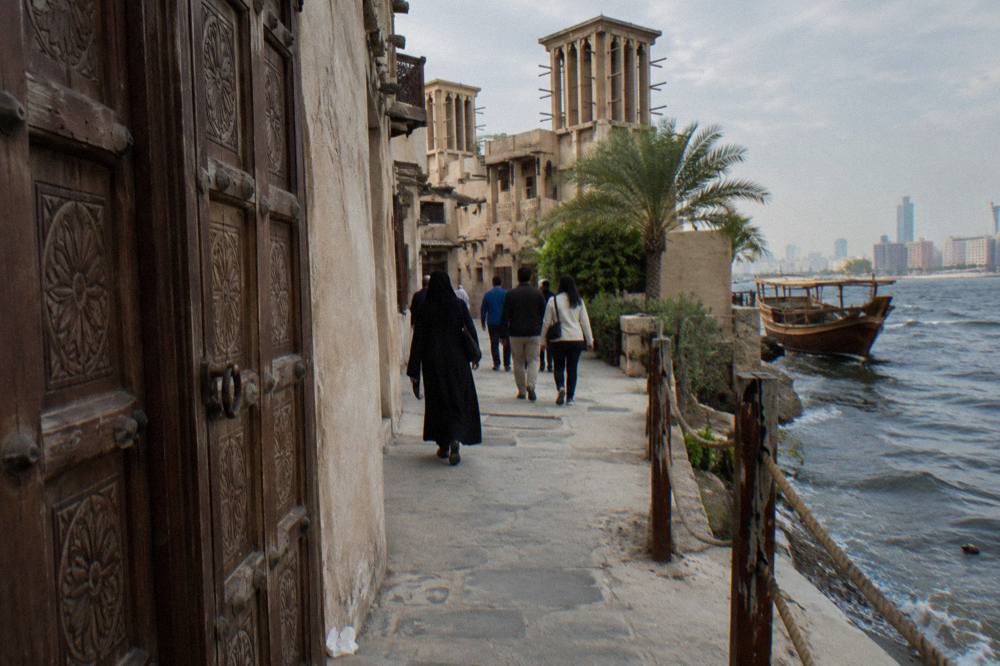
Meeting points on Dubai food walks are published on each booking page, and they are almost always easy landmarks: a heritage restaurant in Al Fahidi, a metro exit in Deira, a hotel entrance at Al Seef. The one thing they share is that the walk starts the moment you arrive, so the outfit you travel in should be the outfit you walk in. Changing shoes at a meeting point is the classic first-timer mistake, and it eats the first ten minutes of the introduction.
The metro ride to the start is part of the dress story too. Metro cars are air-conditioned to the point of cold in summer, and the dress expectation inside stations and trains is the same modest norm as the malls. A light layer you can shed at the meeting point solves both problems. Trains run from 05:00 to midnight most days, from 08:00 on Sundays, and the Green Line serves both sides of the Old Dubai circuit, with Sharaf DG station serving the Al Fahidi area and Al Ras sitting right in the Deira souk district. The site's route guide to getting to Old Dubai by metro and abra maps the stations against the walking circuit.
If you want a walk that keeps the logistics light, the Old Town, Street Food, Creek, Souks and Emirati House route runs about 3 hours and includes a visit to a traditional Emirati house, an indoor stop where the air-conditioning layer earns its keep. For a fuller premium version of the same district, the premium guided tour with street food and abra ride covers the circuit in 3 to 4 hours; its listing states its inclusions and meeting point.
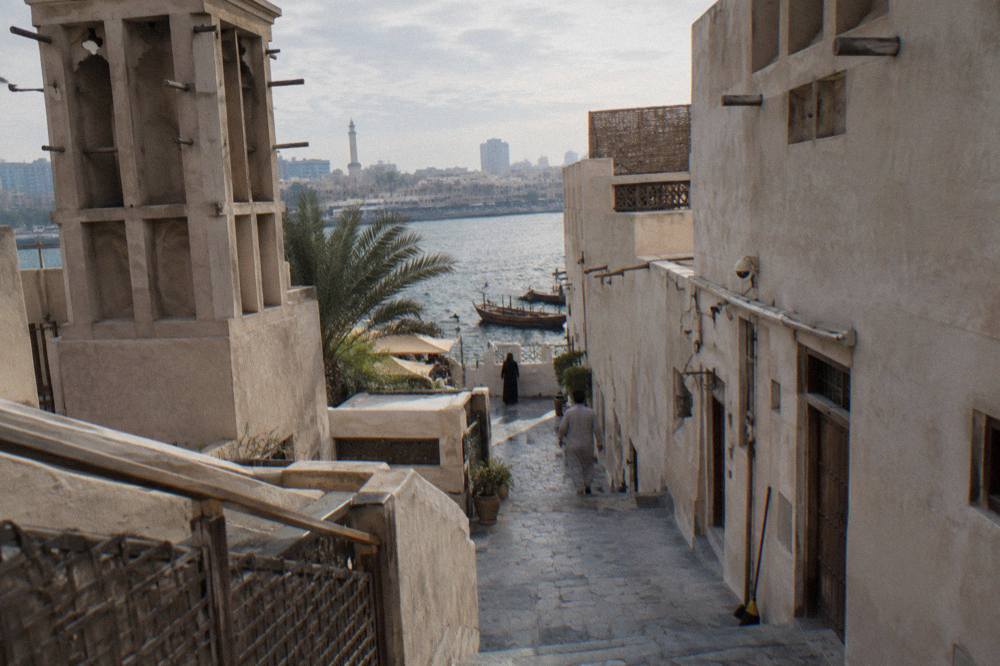
Common Questions About Dubai Dress Code
What Should You Wear On A Walking Tour In Dubai?
Loose, breathable clothing that covers shoulders and knees, with broken-in walking shoes, a small bag and sun protection. Winter days average 24 to 26 degrees Celsius, so a light jacket helps for mornings and air-conditioning; in summer, dress lighter and start earlier.
Is There A Dress Code Law In Dubai For Tourists?
No single dress-code law applies to tourists. The reported guidance is that swimwear stays at beaches and pools and shoulders and knees are covered in heritage areas, souks and malls, with no strict fine in most cases in the souks. It is a cultural norm, not a legal requirement.
Can Women Wear Shorts In Dubai Souks?
Shorts are not illegal, but knee-length or longer is the comfortable norm in the souks and heritage districts, where most people on the street dress modestly. A light scarf adds coverage on demand and doubles as sun protection on open stretches like the Al Seef promenade.
What Should Men Wear In Old Dubai?
A t-shirt or shirt with trousers or knee-length shorts, plus proper walking shoes. The expectations are the same as for women in kind, only simpler: cover the shoulders, keep it loose, and skip the vest tops in traditional districts.
Does The Dress Code Change During Ramadan?
Yes, in tone. Non-Muslims are not required to fast and restaurants operate normally indoors, but daytime discretion is reported as the norm: avoid eating, drinking or smoking in open public spaces during fasting hours, and dress on the more conservative end of your range.
Do I Need To Cover My Head In Dubai?
No, visitors are not expected to cover their heads in souks, heritage streets or on food walks. Head covering applies to mosque visits, where the rules are set by each mosque, and a scarf for that purpose is useful to carry but not needed for a standard food route.
Dressing for a Dubai food walk is genuinely simple once the districts are clear, and a guided route makes it simpler still, since the guide handles the greetings, the pacing and the context while you walk in comfort. Whether you go with the featured Old Town souks walk or another route from Dubai Food Tours, the outfit formula stays the same: loose, covered, sun-ready and built for hours on your feet.