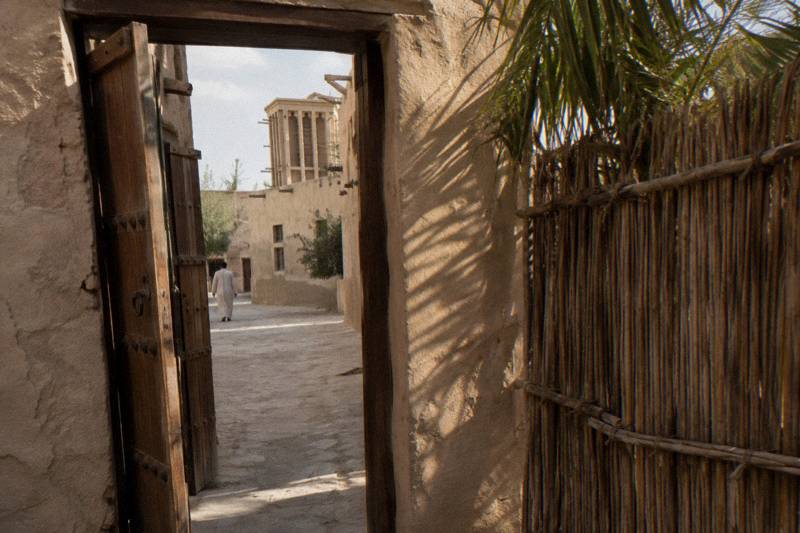
Is Dubai Female Friendly?
A straight answer for solo women travellers: safety, dress code, cultural norms, and how a guided Old Dubai food walk makes exploring the souks and the Creek comfortable and welcoming.
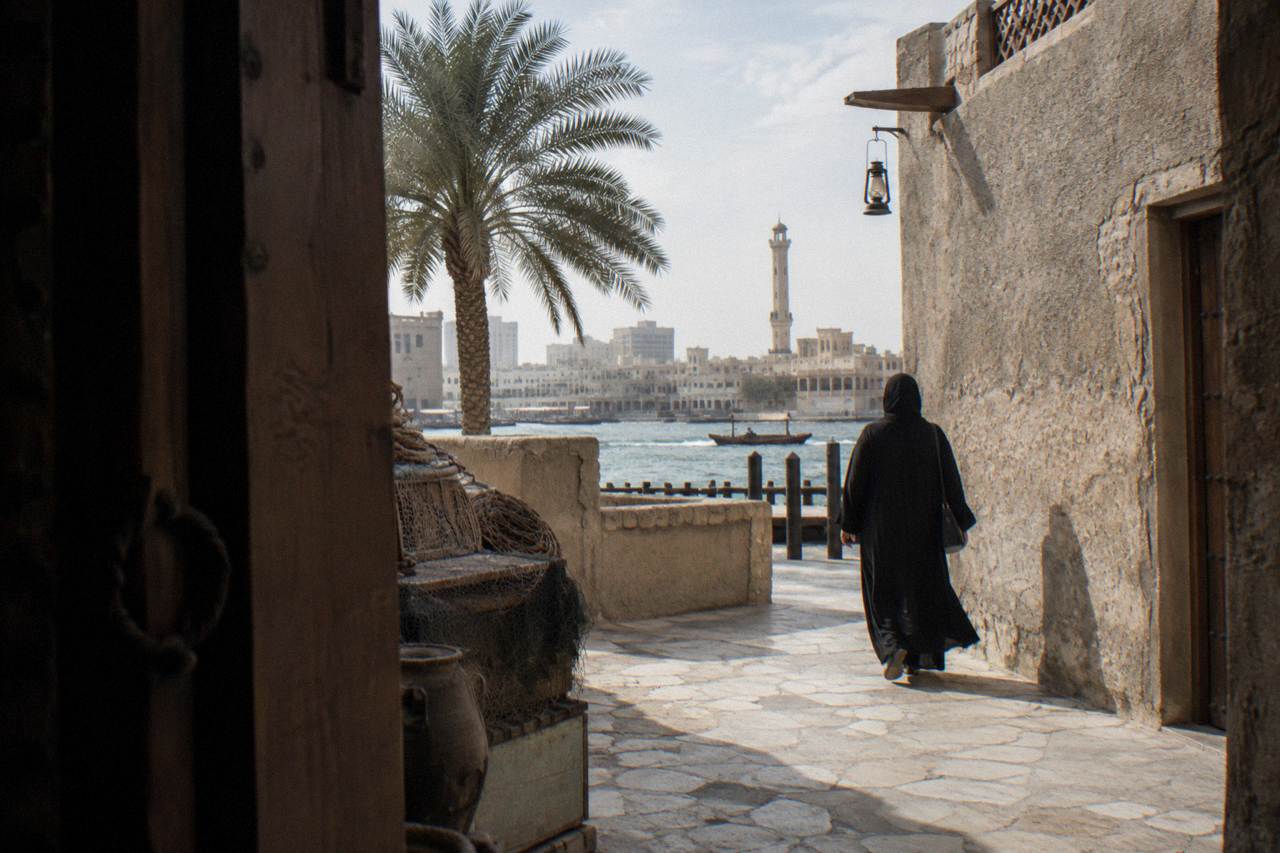
Dubai has a reputation as a glitzy, modern city, but for women travelling alone the question is more practical: can you walk through the old souks, eat street food and ride the abra without feeling uncomfortable? The answer, from thousands of solo female visitors every year, is a clear yes. The city's laws, its visible police presence and its clear cultural codes create an environment where harassment is rare and respect is expected. A little local knowledge turns that safety into genuine ease, and a well-chosen guided food walk is the fastest way to get it. If you're visiting from the United States, the guide to how Dubai welcomes American tourists covers the etiquette, costs and customs that make the same streets feel just as approachable.
Yes, Dubai is widely regarded as a safe and welcoming destination for women travelling alone. The city has a low violent-crime rate, strict laws against harassment, and a culture that values hospitality. Most solo female visitors report feeling comfortable walking in busy areas, using public transport and dining alone, as long as they follow a few straightforward local customs regarding dress and public behaviour.
That comfort is not accidental. Dubai's legal framework treats harassment and unwanted attention as serious offences, and the heavy police presence in tourist districts acts as a strong deterrent. The dress code for women is not a rigid law but a set of practical norms: in malls, heritage neighbourhoods and souks, covering shoulders and knees is advised, while beachwear belongs at the beach. In practice, many women wear loose trousers or long skirts with a light scarf or shawl that can be draped over the shoulders when entering a more traditional area. The result is that a solo woman walking through Al Fahidi or browsing the Gold Souk attracts no more attention than anyone else.
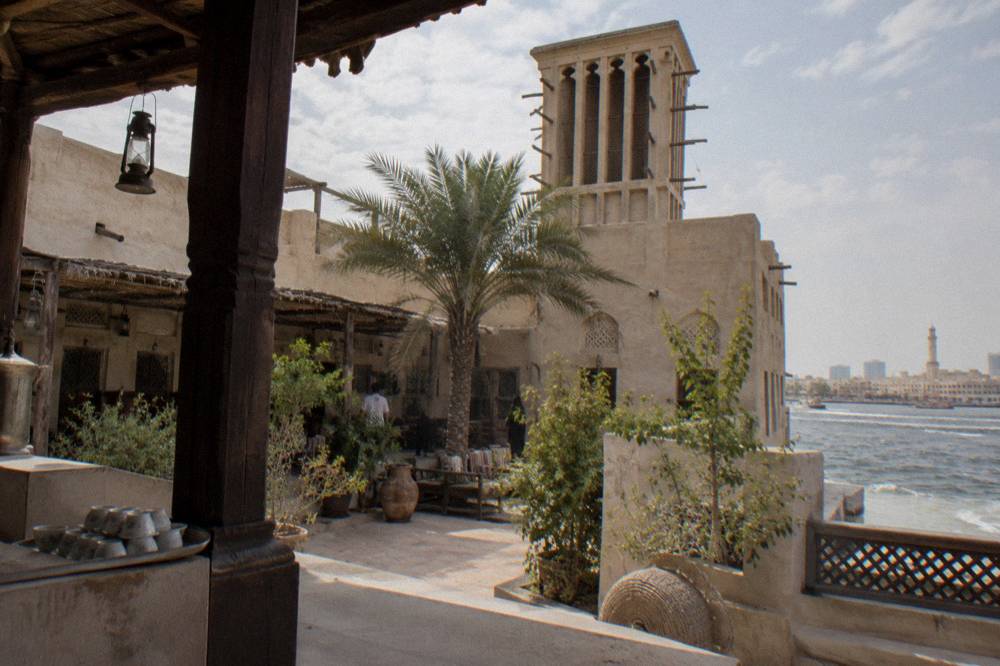
The other side of the coin is the city's infrastructure. The Dubai Metro has dedicated women-and-children carriages, clearly marked and enforced, which many solo travellers use for a quieter, more predictable ride. Taxis are metered and safe; women travelling alone often sit in the back seat, which is the local norm. Restaurants and cafes are used to solo diners, and it is common to see women eating alone at any time of day. The one thing that makes the biggest difference for a first-time visitor is simply knowing what to expect, which is where a guided walk through Old Dubai earns its keep.
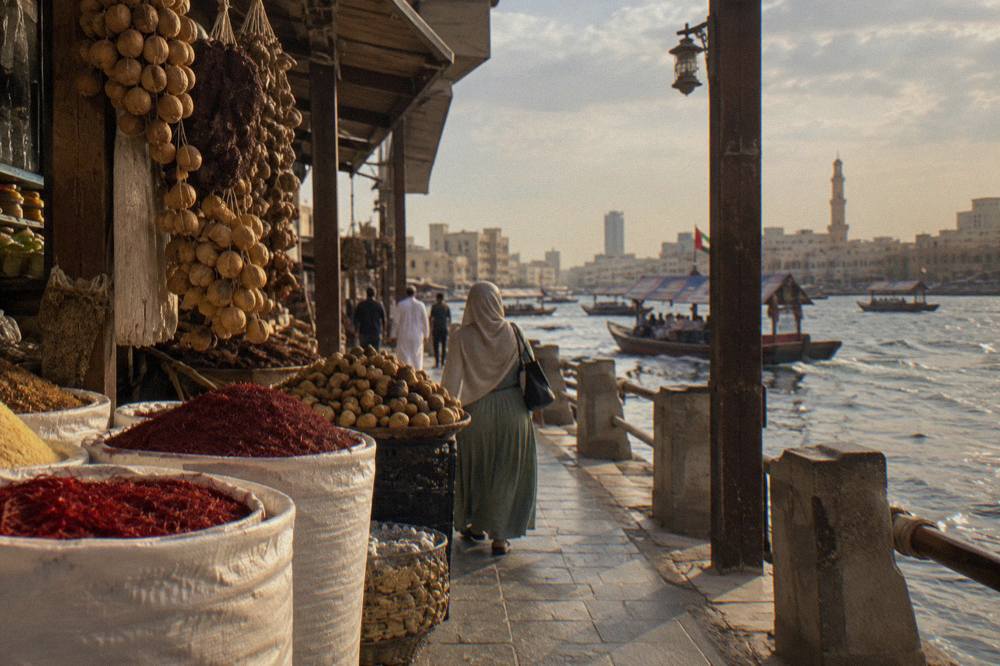
What Should Women Wear In Dubai?
There is no single dress-code law for tourists, but the practical rule is to cover shoulders and knees in heritage areas, souks, malls and places of worship. Swimwear is only for the beach or pool. In air-conditioned malls and restaurants, a light cardigan or pashmina is useful. The aim is not to hide but to blend in, and the payoff is that you move through the city without drawing unwanted attention.
The dress code is more about cultural respect than legal enforcement. In the Gold Souk, Spice Souk, Al Fahidi Historical Neighbourhood and the Textile Souk, women who wear shorts or sleeveless tops may get looks or, occasionally, a polite word from a security guard, but they are unlikely to be fined. The real benefit of dressing modestly is practical: it signals that you understand the local culture, and it makes interactions with shopkeepers, guides and residents warmer and more relaxed. Many women pack a lightweight scarf that can cover the shoulders or head when entering a mosque or a more conservative area, and then be stowed in a bag for the rest of the day.
The table below gives a quick reference for different settings.
| Setting | Recommended attire for women | Notes |
|---|---|---|
| Malls and modern areas | Shoulders and knees covered; light fabrics | Air conditioning is strong; a scarf or shawl is handy |
| Souks and heritage neighbourhoods | Loose trousers or long skirt, top with sleeves; scarf for shoulders | Modest dress shows respect and avoids stares |
| Beaches and pools | Swimwear is fine; cover up when leaving the sand | A kaftan or wrap is useful for the walk to the car or metro |
| Mosques (visitor areas) | Long sleeves, long skirt or trousers, headscarf | Most major mosques provide an abaya for visitors |
| Restaurants and bars | Smart casual; evening venues may expect a dressier look | No swimwear or gym clothes in licensed venues |
The guidance comes from Visit Dubai's travel tips and is echoed by nearly every recent visitor guide. It is not about restricting freedom; it is about moving through the city with the same ease a local woman would have. For more detail on what to wear on a walking tour, read our Dubai dress code guide for food walks and souk visits.
With the right outfit, you are ready to explore the old city with confidence, and a guided walk turns that confidence into a relaxed, enjoyable afternoon.
Is It Safe For Women To Walk Alone In Old Dubai?
Walking alone through Old Dubai's souks, Creek promenades and heritage lanes is generally safe during daylight and early evening. The area is busy, well-lit and regularly patrolled. Solo women often describe the experience as vibrant rather than threatening, though standard travel precautions apply: keep valuables out of sight, avoid deserted alleys after dark, and use licensed taxis or the metro for longer journeys. Once you feel comfortable exploring on your own, the guide to Old Dubai's non-food sights and a sample day plan makes it easy to map out the Al Fahidi lanes, Al Seef waterfront and museums.
The Old Dubai districts that a food tour covers, Bur Dubai and Deira, are among the most visited parts of the city. The Gold Souk, Spice Souk and Al Seef waterfront are crowded with families, tourists and shopkeepers well into the evening. The presence of so many people, combined with the cultural expectation that women are to be treated with respect, creates a natural safety net. Women who have travelled alone in other large cities often remark that Dubai feels noticeably calmer and more orderly.
“Be prepared to receive historical information, learn about the culture, eat, and shop with Mohammad. This is a must-try when visiting Dubai. Wear comfortable walking shoes and bring a mini hand fan…you’ll thank me later for this tip. Thank you Mohammad for a great experience!!”
That said, a guided walk changes the experience from "I can manage this" to "I am genuinely enjoying this." On a Dubai Food Tours small-group outing, the guide handles navigation, knows which lanes are quiet, and can answer cultural questions on the spot. It also removes the need to negotiate with vendors or worry about getting lost, which is the main stress point for a solo visitor in a maze-like souk. The tour's meeting point is usually a landmark like a metro station or a heritage hotel entrance, easy to find and safe to wait at.
How A Guided Food Tour Helps Solo Women Explore Dubai
A guided Old Dubai food walk gives a solo woman an instant small group, a local guide who knows the area, and a curated route that avoids the confusion of independent exploration. The tastings, the abra ride and the commentary turn a potentially overwhelming souk visit into a structured, sociable afternoon. For many women, it is the single best way to see the Creek's food scene without second-guessing every turn.
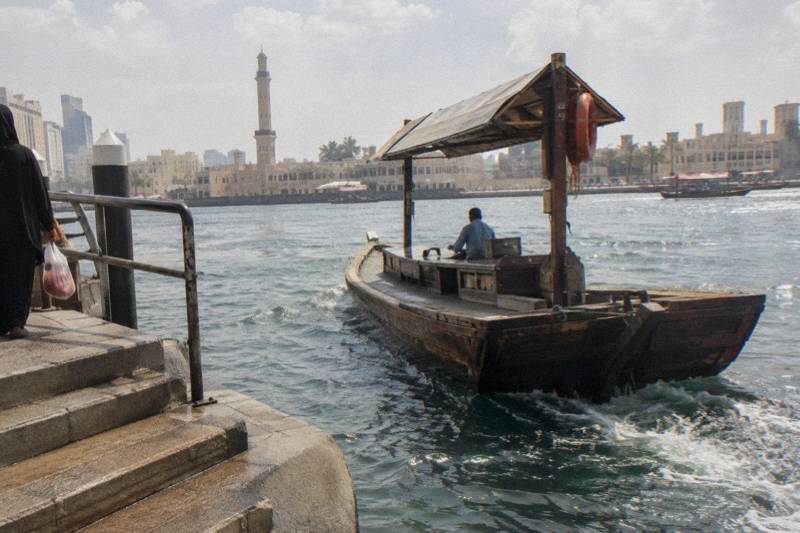
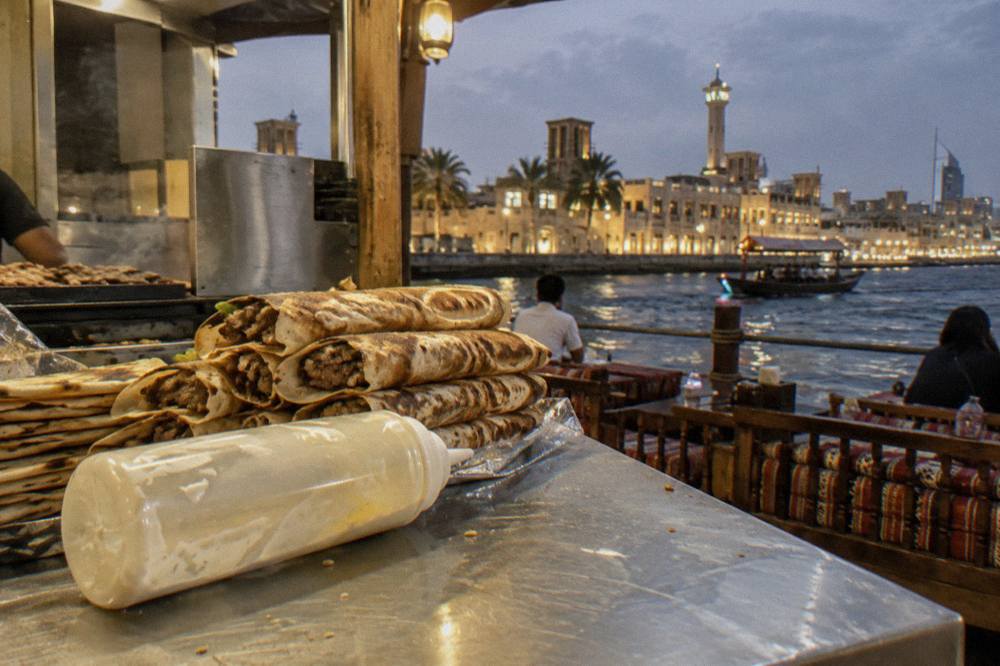
The Al Fahidi Old Town, Souks, Street Food & Abra Cruise tour is a 2.5 to 4 hour walk that starts in the Al Fahidi Historical Neighbourhood, crosses the Creek on a traditional abra, and weaves through the Spice and Gold Souks with multiple food stops along the way. The group size is small, and the guide sets a relaxed pace that suits the heat. The tastings typically include shawarma, falafel, karak tea, luqaimat and other street staples, so you eat well while learning how to order and what to expect.
For a solo woman, the group dynamic is the real draw. You are never alone in a crowded alley, never the only person at a food stall, and never unsure whether a price is fair. The guide also acts as a cultural bridge, explaining what is appropriate to photograph, how to accept Arabic coffee, and when to use the right hand. Those small pieces of knowledge add up to a feeling of confidence that lasts long after the tour ends.
The tour's pace is gentle, with plenty of shade stops and time to browse the souks without feeling rushed. For a woman travelling alone, the guide's presence means you can relax and enjoy the food without worrying about directions or haggling.
“Excellent talk about Dubai and muslim culture. All questions answered and shared a beautiful arabian lunch to boot.”
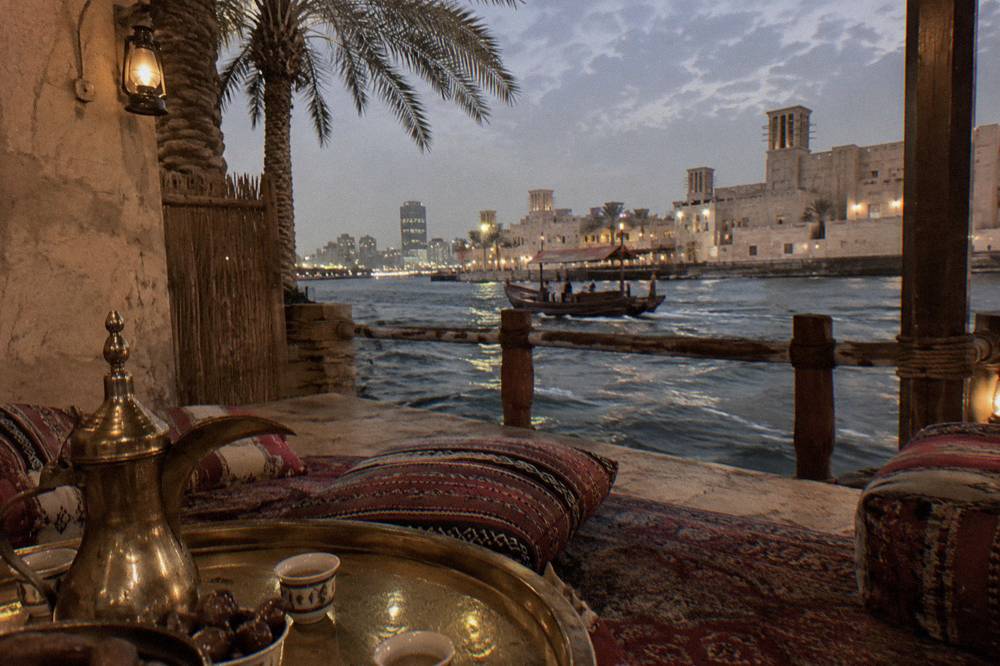
Another option that suits women travelling alone is the Authentic Emirati Cultural Meal and Talk in Old Dubai. This 1.5 hour experience is not a walking tour but a sit-down meal with an Emirati host in a heritage setting. It includes Arabic coffee, dates and a full Emirati meal, along with an open conversation about local customs, daily life and Islam. The format is intimate and respectful, and many solo women book it as a follow-up to a walking tour because it answers the deeper cultural questions that a street-food walk cannot cover. The meal is served family-style, and the host encourages questions, making it feel like a dinner invitation rather than a formal lecture.
Etiquette And Cultural Norms Women Should Know
The etiquette rules that matter most for women are simple: use the right hand when accepting coffee or food, ask before photographing local people, and dress modestly in heritage areas. Tipping is discretionary but appreciated, and during Ramadan it is polite to avoid eating or drinking in public during daylight hours, though restaurants operate normally indoors.
These norms are not hidden traps; they are the everyday courtesies that keep interactions smooth. When Arabic coffee is offered, the host will pour a small amount into a finjan cup. Accept it with the right hand, drink it, and when you have had enough, gently shake the empty cup from side to side to signal no more. Dates are often served alongside; take one or two, and remember that the right hand is used for eating and passing objects in traditional settings.
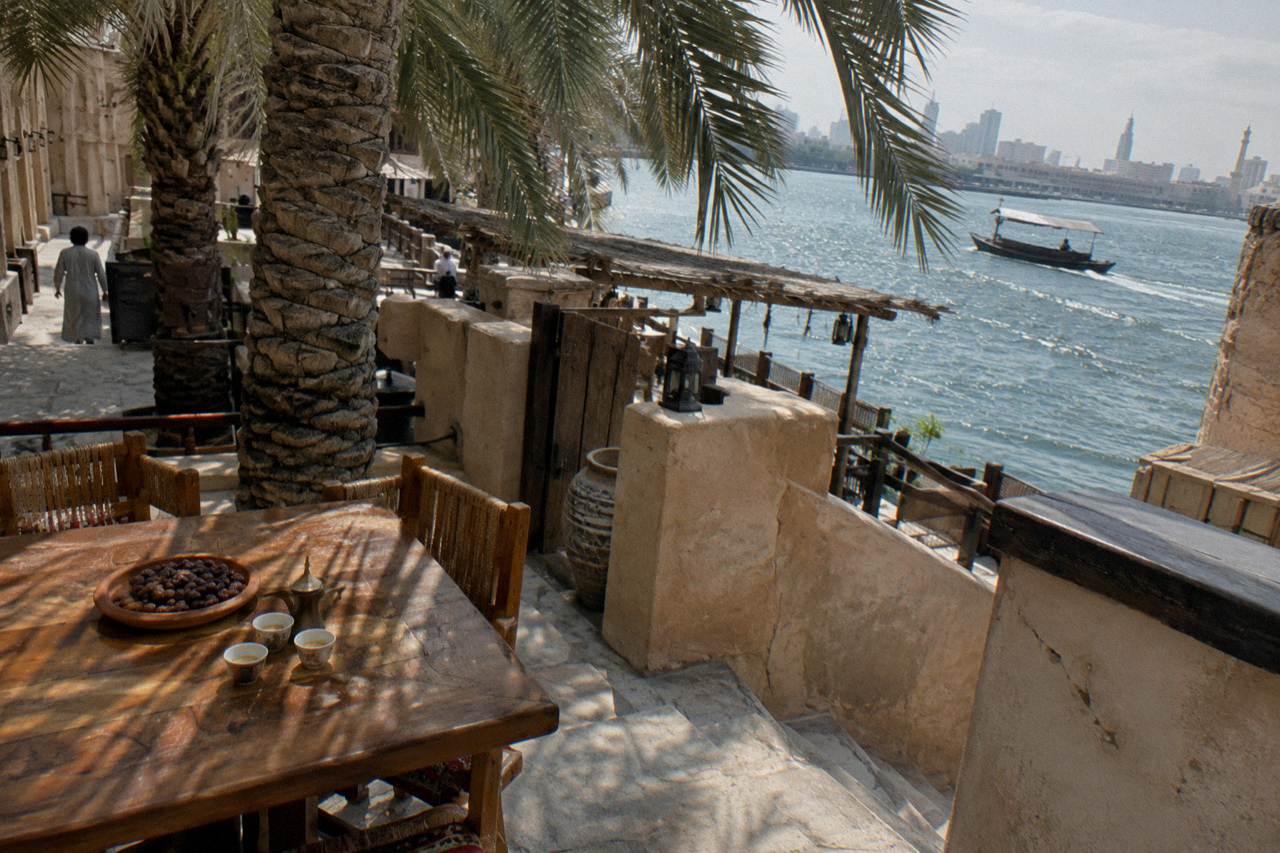
Photography is another area where a little awareness goes a long way. The souks are full of colourful displays, but the people in them are not exhibits. Always ask before taking a photo of a vendor, a woman in traditional dress, or a family. A smile and a polite question almost always gets a yes, but snapping without permission can cause offence and, in rare cases, a security guard may intervene. The same rule applies in the Al Fahidi neighbourhood, where many residents live behind the historic walls.
During Ramadan, non-Muslims are not required to fast, and restaurants operate normally indoors. However, eating or drinking in public during daylight hours is considered impolite, so a guided tour that includes indoor tastings or a sit-down meal is a practical choice during the holy month. Alcohol is available only in licensed hotels, restaurants and bars for those over 21; public intoxication is strictly enforced, and drinking in unlicensed public spaces is prohibited.
Before adding a cash tip, check the bill for a service charge line. In Dubai restaurants, this is usually discretionary and can be up to 10 percent, but it is not a government levy and may not go to your waiter; the venue may keep part or all of it. For good service, many diners leave an additional 5 to 10 percent in cash, directly with the server or inside the bill folder. A tip is not obligatory, but in busy tourist areas and hotel restaurants it is common and appreciated. If you are unsure whether a service charge has been added, ask the server before paying. In cafes and smaller restaurants the same guidance applies, and cash tips are the most direct way to thank staff.
“Our guide was amazing and knowledgeable. We learned alot about the history of UAE and Emirati culture. As for the food it was filling and tasty. This is a tour you should not miss and want be disappointed.”
On the Dubai Metro, women-and-children carriages are available on every train and are marked with pink signage on both the platform and the carriage doors. They are a popular choice for solo women, particularly during peak hours, when standard carriages can be crowded. Boarding one can mean a calmer journey and often more personal space. Women travelling with small children, with luggage, or alone often use these carriages, and solo travellers are welcome. Look for the pink signs along the platform edge before the train arrives, then board in that section. The same carriages run all day, but the benefit is most noticeable at morning and evening rush hours.
Food and drink norms also shape everyday ordering. Virtually all meat served in Dubai is halal, and mainstream restaurants and cafes do not put pork on the regular menu. In the few hotel restaurants that offer pork, it is kept in a physically separated area, often with its own counter or room, so it is easy to avoid if you do not want it. Supermarkets follow the same system: any pork is sold inside a distinct section, away from the general aisles, and it is clearly marked. This means a solo woman can shop or order from the standard menu without worrying about accidentally selecting pork. Menus in international hotels may list a separate pork section, but outside those designated spaces the food is halal by default.
Transport And Getting Around Safely
The Dubai Metro is safe, clean and easy to use, with dedicated women's carriages on every train. Taxis are metered and reliable; a short ride between the souks is inexpensive. Walking between Al Fahidi, the abra station and the Deira souks is straightforward, though the summer heat makes a taxi or a guided tour the wiser choice.
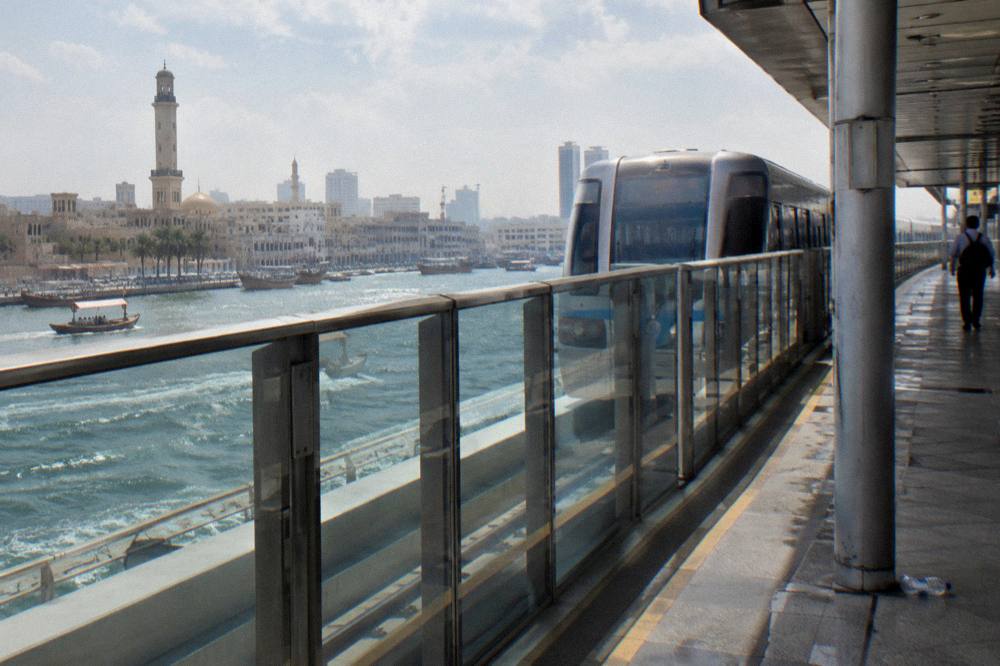
The metro's Green Line serves the Old Dubai area with stations at Al Ras, Gold Souq and Sharaf DG, the latter a short walk from Al Fahidi. Operating hours run from 5:00 am to midnight most days, and until 1:00 am on Fridays. A Nol card costs AED 25 including initial credit and works across the metro, tram and buses. The women's carriage is at one end of the train and is strictly enforced; it offers a noticeably calmer environment than the mixed carriages, especially during the evening rush.
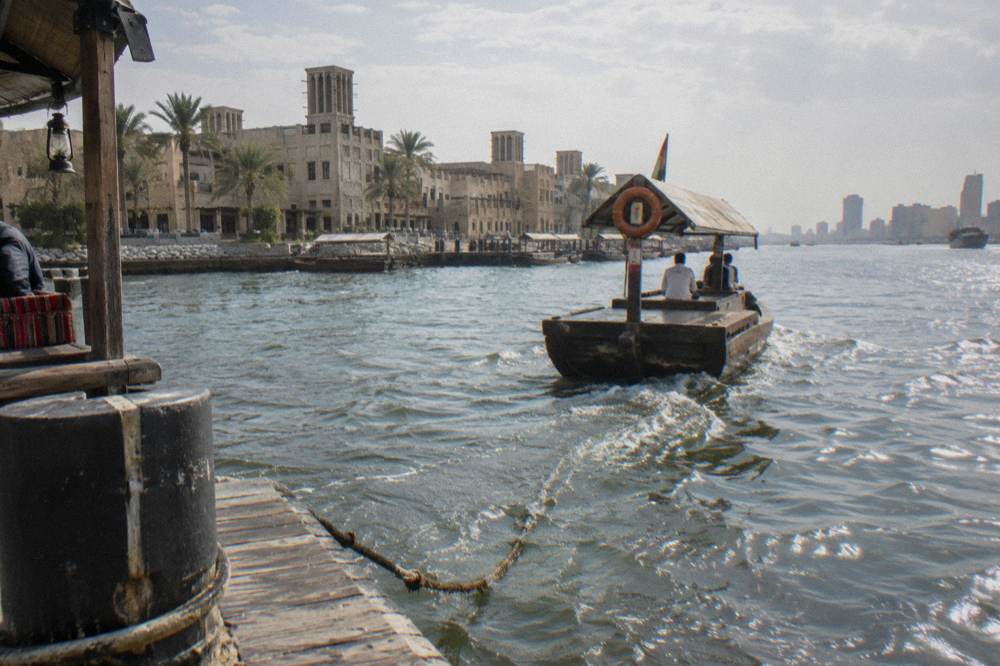
Taxis are plentiful and can be hailed on the street or booked through the Careem app. The starting fare is AED 5 during the day and AED 5.50 at night. Women travelling alone often sit in the back seat, which is the local custom. For the short distances between Bur Dubai and Deira, a taxi is affordable and saves a hot walk in summer. The traditional abra across the Creek is a cheap and scenic link between the two sides, and it is used by thousands of commuters and tourists every day; a food tour that includes the abra ride removes any uncertainty about which dock to use and how to pay.
“We had Tamour as a guide for a tasting tour! It was a private tour and he was so wonderful with accommodating to our requests. He took us to wonderful food spots and was so friendly to us. He made certain we didn't get scammed on prices at the souks. I would highly recommend him!!!!”
For women who want to stay within walking distance of the souks and the Creek, the Bur Dubai and Deira areas have a range of affordable hotels and guesthouses. Read our guide to where to stay in Dubai for Old Dubai food walks for neighbourhood-by-neighbourhood advice.
Common Questions About Female Travel In Dubai
Is Dubai Safe For Solo Female Travellers?
Yes. Dubai has a very low rate of violent crime, and harassment is taken seriously by the authorities. Most solo women find the city safe to walk in, use public transport and dine alone, especially in the tourist districts. Standard precautions, like keeping valuables secure and avoiding unlit areas late at night, are enough.
What Should A Woman Wear In Dubai To Avoid Unwanted Attention?
The simplest rule is to cover shoulders and knees in malls, souks and heritage areas. Loose, lightweight fabrics work well in the heat, and a scarf that can be draped over the shoulders or head is useful. Beachwear is only for the beach or pool. Dressing modestly signals cultural awareness and makes interactions smoother.
Can A Woman Travel Alone In Dubai Without A Tour?
Yes, many women do. The metro, taxis and walking routes are safe and well-used. However, a guided food tour is often recommended for a first visit because it removes the stress of navigation, provides cultural context, and gives a solo traveller an instant group for the afternoon.
Is It Safe To Take A Taxi Alone As A Woman In Dubai?
Yes. Dubai taxis are metered, regulated and safe. Women often sit in the back seat, which is the local norm. Rides can be booked through the Careem app or hailed on the street. The starting fare is AED 5 during the day and AED 5.50 at night.
Are There Women-Only Carriages On The Dubai Metro?
Yes. Every train has a dedicated women-and-children carriage, clearly marked in pink. It is strictly enforced and offers a comfortable, less crowded environment for solo women travellers.
Do I Need To Cover My Hair In Dubai?
No, covering the hair is not required for non-Muslim women in public places. A headscarf is only needed when entering a mosque. Many women carry a scarf to cover the head and shoulders when visiting a mosque or a more conservative area, but it is not a legal requirement elsewhere.