Can A Lady Wear Shorts In Dubai?
Yes, a woman can wear shorts in most of Dubai. This guide covers where shorts are welcome, where to cover shoulders and knees, and how to dress for an Old Dubai food walk.
Yes, a woman can wear shorts in Dubai, and millions of female visitors and residents do. There is no dress-code law for tourists; the official guidance is simply that swimwear belongs at beaches and pools, and that shoulders and knees are covered in heritage areas, souks and malls. Mid-length shorts fit that guidance almost everywhere. Very short shorts draw attention in the older districts, so pack one longer pair for those days.
That is the short version. The longer version is that Dubai is two cities in one, and the dress norms shift as you move between them. In Downtown, Dubai Marina, Jumeirah and the mall-and-hotel corridor, shorts, sundresses and sandals are completely ordinary summer clothing, worn by locals and visitors alike. The women you see in abayas alongside women in denim cut-offs at the same mall food court are both dressed normally for that place.
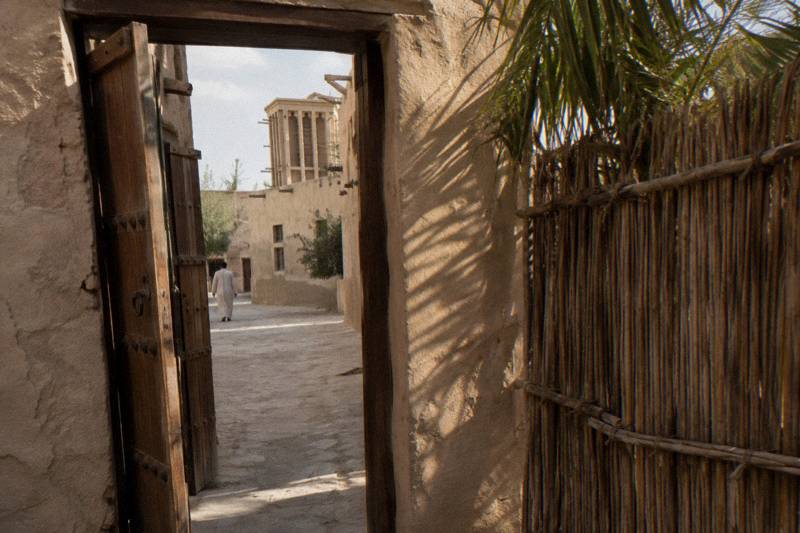
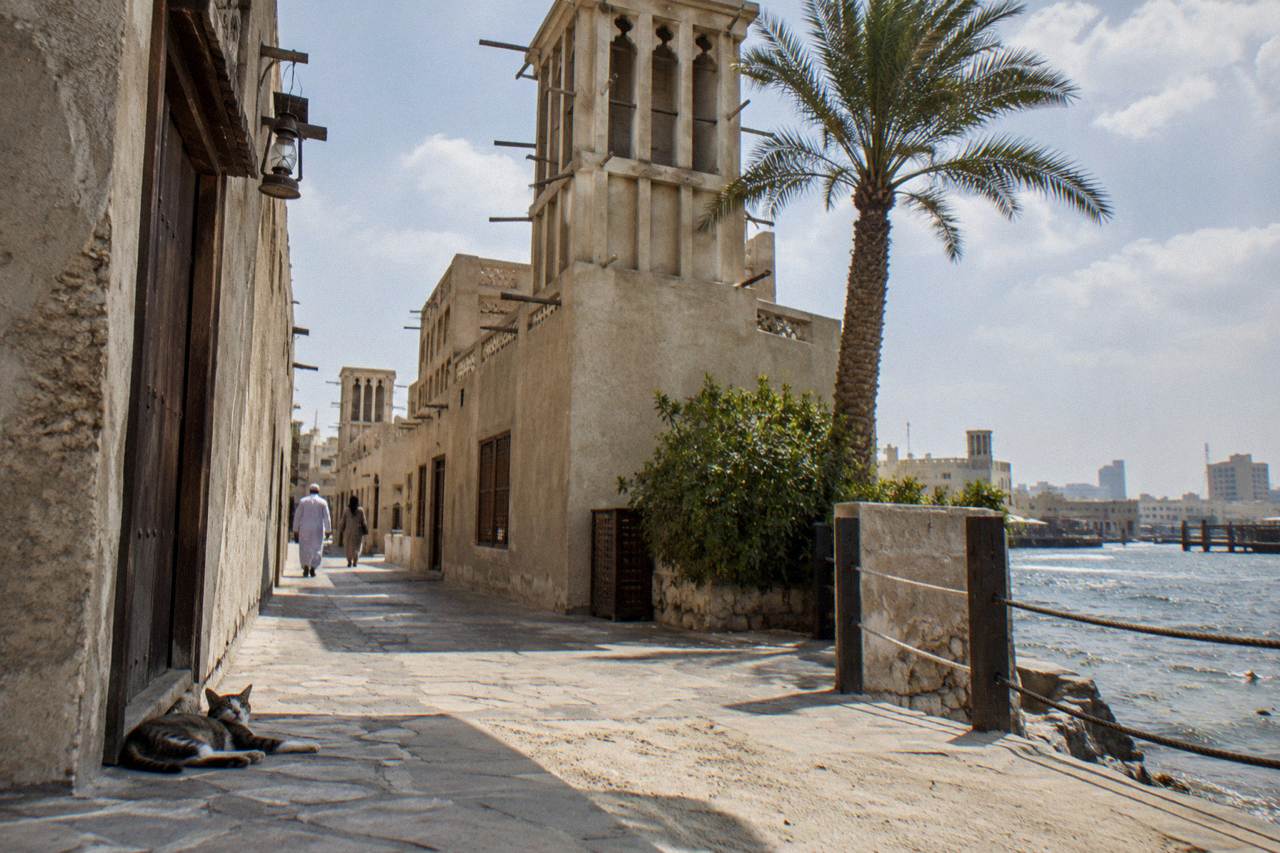
Move into Bur Dubai and Deira, the older districts around the Creek where the souks, the Al Fahidi Historical Neighbourhood and most of the city's best street food sit, and the social temperature changes. Nobody will stop you or fine you, and the dress guidance here is cultural rather than legal, but covering shoulders and knees is the stated expectation in souks, heritage areas and malls, and it reads as respect rather than restriction. A pair of knee-length shorts, a loose top with sleeves, and you are dressed exactly right for a food walk through the Spice Souk.
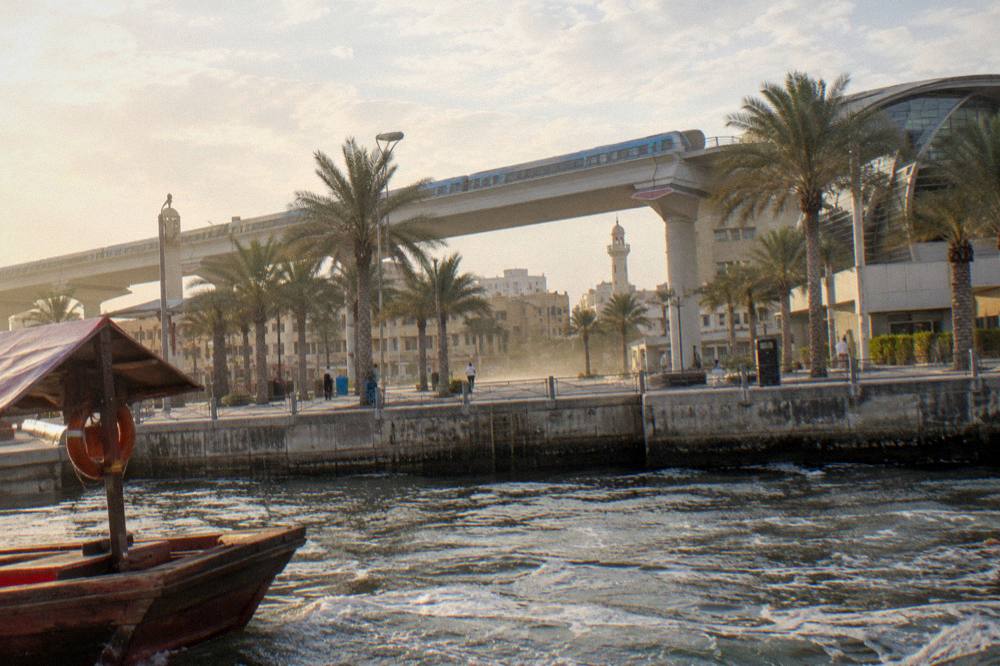
The question matters most before booking a walking tour, because a food walk in Old Dubai is the one planned activity where you will be on your feet for three or four hours, outdoors, moving between a heritage district, crowded souk lanes and a Creek crossing. That is the day to think about fabric and length, not just politeness. The Al Fahidi Old Town, Souks, Street Food and abra cruise walk covers exactly this kind of mixed terrain, and the booking page lists the meeting point, the current price and what the tastings include.
For a fuller district-by-district treatment, the site's dress code guide for walking tours and souks goes deeper on each area. The short answer above already covers the decision: yes to shorts, with length and location as the two variables.
“We did a late afternoon tour and it was a great experience. From the beginning our tour guide Hossam made sure we were looked after and had a relaxed manner that easily conveyed information and answered questions. Would recommend.”
Each of these is a group walking experience through the same broad area, so the same packing logic applies to all three: breathable fabric, covered shoulders, knee-length shorts or a light long option, and shoes that can handle cobbled lanes and souk crowds. The listings describe the routes, durations and inclusions, and the operator's booking page carries the live prices. If the itinerary pairs the walk with a mall visit or a beach afternoon on the same day, the outfit can stay the same; a scarf in the bag bridges the modesty gap between postcodes in seconds.
Where Shorts Are Fine And Where To Cover Up
Shorts are unremarkable at beaches, pools, beach clubs, Downtown, Dubai Marina, JBR Walk and hotel districts. In the souks of Deira and Bur Dubai, the Al Fahidi Historical Neighbourhood, mosques and malls, the stated guidance is shoulders and knees covered, so knee-length shorts and a sleeved top are the comfortable middle. Nobody polices this by law; it is social expectation, and mid-length clothing reads as respectful.
The cleanest way to see the whole picture is a district table. This is guidance as the official sources and recent reporting state it, not a set of rules anyone will enforce against you.
| Area | Shorts in practice | What to pair with them |
|---|---|---|
| Beaches, pools, beach clubs | Swimwear and shorts fully normal | Standard beachwear |
| Downtown, Marina, JBR, hotel districts | Shorts and sundresses everyday wear | Anything you would wear in a hot city |
| Malls | Widespread; mall guidance asks for shoulders and knees covered | Mid-length shorts, sleeved top |
| Souks (Gold, Spice, Textile) | Acceptable at knee length | Loose top, covered shoulders |
| Al Fahidi Historical Neighbourhood | Acceptable at knee length | Light layers, covered shoulders |
| Mosques and religious sites | Long trousers or a long skirt expected | Headscarf usually provided for women |
Two details worth knowing. First, the malls: the request for modest dress is posted at mall entrances and is about not wearing swimwear or very revealing clothing through the shops, not about banning shorts. Mid-thigh and longer shorts pass without a second glance in every major mall. Second, the mosques: if a mosque visit is on the itinerary, long trousers or a long skirt are the expectation, and most visitor mosques, including the Sheikh Mohammed Centre for Cultural Understanding in Al Fahidi, provide abayas and headscarfs for guests. The centre's cultural meals are booked in advance, and its programme page carries the current details.
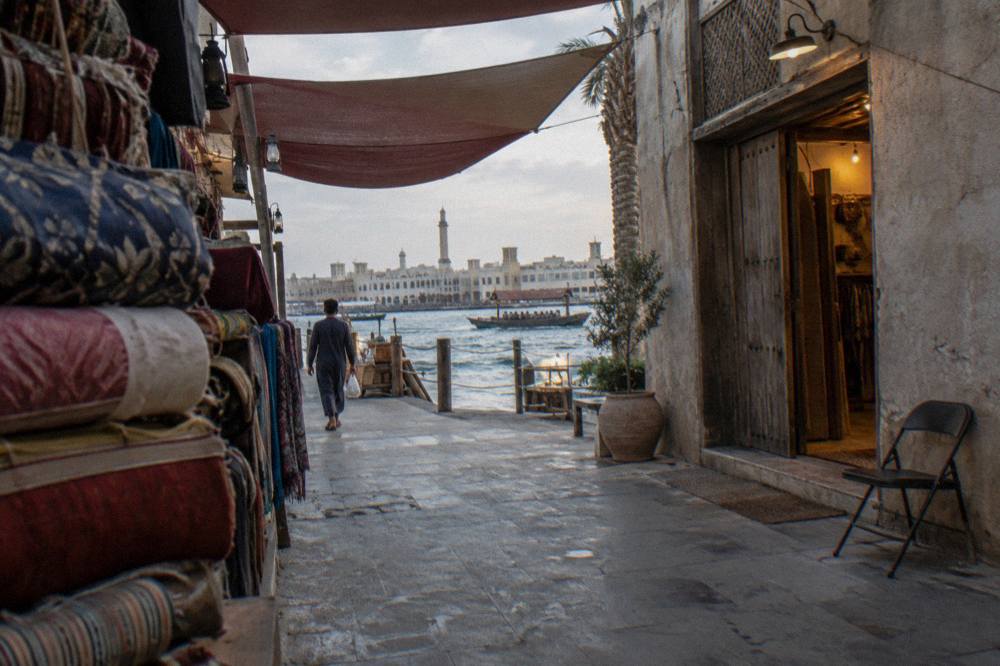
The one district where the question genuinely matters is the one most food walkers visit: Old Dubai. A three-hour walk through Al Fahidi, the Textile Souk and the abra dock puts you in close quarters with families shopping, with worshippers near mosques, and with the working heart of a very traditional commercial district. Knee-length shorts, a loose cotton top and comfortable shoes fit perfectly there. Short shorts will not get you turned away from a souk, but they will draw looks, and in a district built on comfort and courtesy, most women prefer not to spend the walk feeling watched.
That is also why the premium guided walks are worth a look: a guide sets a comfortable pace, routes you through the shaded lanes, and builds in the abra crossing at the right moment. The premium Old Dubai guided tour with street food and abra ride runs three to four hours through this same terrain, and its listing describes the tastings and the boat crossing; the booking page has the current per-person price.
Photography etiquette belongs in the same conversation as dress, because the two overlap in the souks. Always ask before photographing individuals, especially women and families in traditional attire; photographing people without consent can breach privacy expectations. Souk shopkeepers are usually happy to be asked, and a polite gesture is enough where language is a barrier.
What To Wear On An Old Dubai Food Walk
Dress for heat, walking and modesty at once: loose, breathable fabric in light colours, knee-length shorts or a light trouser option, a top with sleeves, a scarf for mosque-adjacent lanes, and closed walking shoes. The walk covers roughly three hours on foot across cobbled lanes, souk crowds and a Creek crossing, so shoes matter more than fashion, and layers matter more than any single perfect outfit.
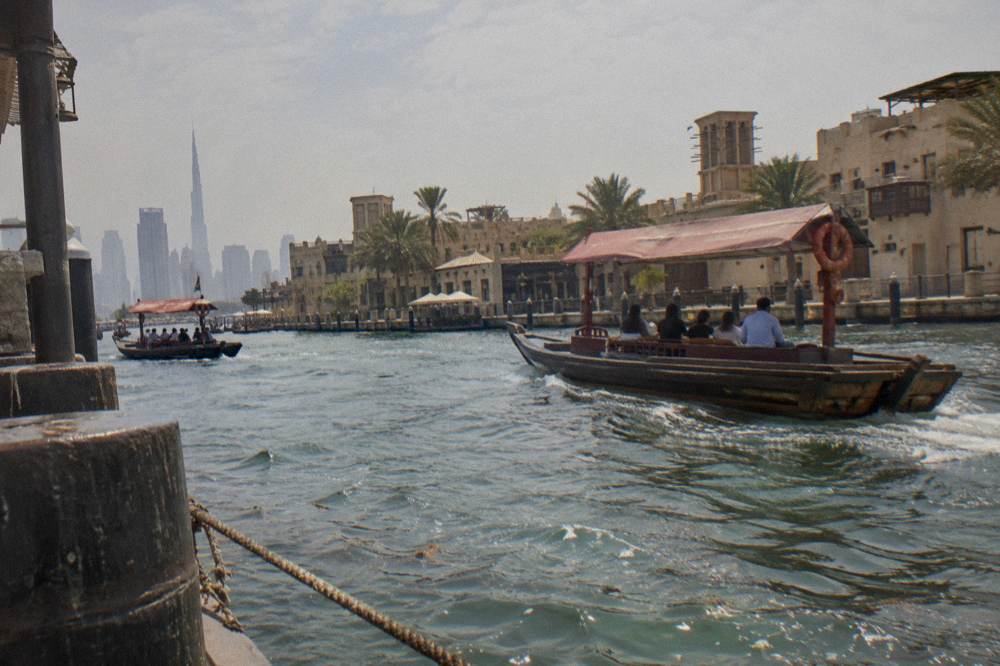
Start with fabric. Dubai heat is humid as well as hot, and the difference between a polyester top and a loose cotton or linen one is the difference between enjoying the walk and counting the minutes until it ends. Light colours reflect the sun; dark denim turns into a heat trap by the second souk. Loose cuts let air move, which is also why loose clothing reads as more respectful here: it is practical and polite in the same garment. Other pages covering the same trip are gathered on Dubai Food Tours.
Shoes deserve their own paragraph. The Al Fahidi lanes are cobbled and uneven in places, the souks are crowded with trolley traffic and rolled fabric bales, and the abra dock involves a short ramp onto a small boat. Sandals work if they have a strap; flip-flops do not, because they slide on boat decks and get trodden on in crowds. A closed walking shoe or a strapped sandal is the reliable choice.
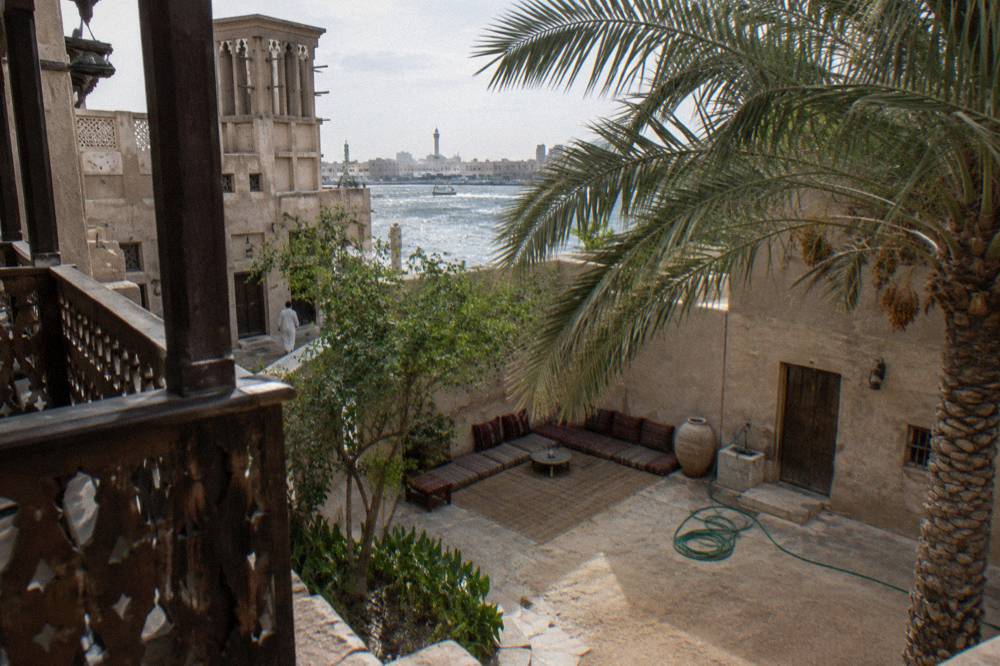
The scarf is the most useful single item in the bag. It covers shoulders instantly when a lane turns toward a mosque, doubles as sun protection on the open Creek stretch, and works as a seat cover on the abra. It weighs nothing. If you own one wide cotton scarf, this is the trip for it.
For the guided version of the walk, the historic guided tour of the Creek, street food and souks is built for exactly this kind of day: three to four hours, a route that stitches the Creek, the souks and the street food together, and a guide who handles the pacing. Its listing describes the stops and inclusions, and the booking page carries the live price and meeting point.
“We had Tamour as a guide for a tasting tour! It was a private tour and he was so wonderful with accommodating to our requests. He took us to wonderful food spots and was so friendly to us. He made certain we didn't get scammed on prices at the souks. I would highly recommend him!!!!”
Getting to the starting point shapes the outfit too. Sharaf DG on the Green Line serves the Al Fahidi area, and Al Ras and Baniyas Square sit on the same line for the Deira souks, per the RTA metro map. Metro carriages are air-conditioned to the point of cold, so the scarf earns its keep twice: against the sun outside and against the aircon inside. A Nol card, AED 25 including initial credit for the anonymous Silver card as the RTA states, covers metro, buses and the marine options that accept it.
Ramadan, Heat And Timing Your Walk
Shorts stay wearable year-round, but two calendars change the calculation. In the winter months of December to February, daytime highs sit at a reported 24 to 26 °C, ideal for walking, with sunrise near 07:00 and sunset near 17:30. During Ramadan, restaurants operate normally and non-Muslims are not required to fast, but modest dress and some discretion in public during daylight hours are the reported etiquette, so a longer pair is the easy choice.
The weather numbers first, as reported from the NCM-derived monthly normals for Dubai International Airport. December averages a daily maximum of 26.5 °C and a minimum of 17.3 °C; January 24.4 °C and 15.3 °C; February 26.1 °C and 16.4 °C; March 28.9 °C and 18.6 °C. December to February are the lowest average daytime highs of the year, which is why the walking tours and the outdoor food scene are at their busiest then. Mid-month sunrise and sunset run roughly 06:57 to 17:32 in December and 07:07 to 17:51 in January, so a morning walk starts in pleasant cool and an afternoon one ends near a golden-hour Creek.
| Month | Reported average daily max | Reported average daily min | Mid-month sunrise to sunset |
|---|---|---|---|
| December | 26.5 °C | 17.3 °C | ~06:57 to 17:32 |
| January | 24.4 °C | 15.3 °C | ~07:07 to 17:51 |
| February | 26.1 °C | 16.4 °C | Similar short-day pattern |
| March | 28.9 °C | 18.6 °C | Days lengthening |
In the summer months the same walk is a different proposition, and early-start tactics matter more than the outfit itself; the site's summer timing guide covers those in detail. Shorts are even more obviously correct then; the constraint is the sun, not the dress norms.
Ramadan is the second calendar. The verified position: non-Muslims are not required to fast, and restaurants and dining establishments operate as normal, so people not fasting can eat and drink during the day. Recent reporting adds that the old curtain-and-screen requirements have been lifted and no criminal penalty remains under the current rules, but that etiquette favours discretion outdoors during daylight fasting hours. In practice that means a food walk during Ramadan still runs, tastings still happen indoors, and the considerate move is modest clothing plus eating and drinking inside rather than while walking down a public lane. A longer pair of shorts or a light trouser option costs nothing and removes the question entirely. The site's dedicated guide to food tours in Dubai during Ramadan goes deeper, and the official Ramadan pages carry the current-year dates.
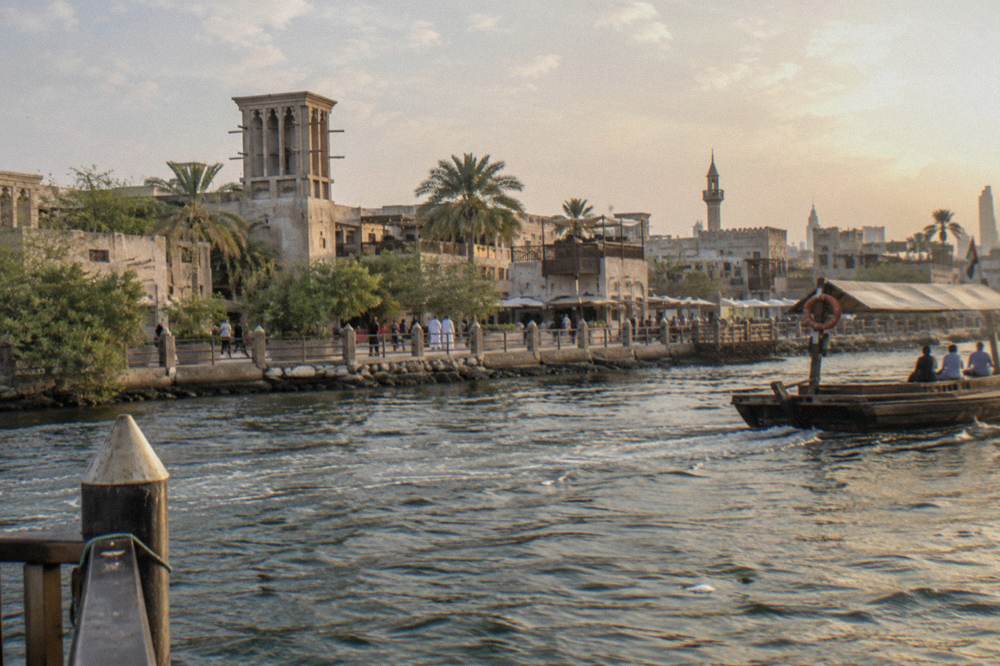
Alcohol rules interact with the evening part of the question, so state them once: visitors over 21 may drink at licensed venues only, meaning hotels, restaurants and lounges, and alcohol is not permitted in public places outside licensed venues. A food walk through Old Dubai serves no alcohol unless the listing says so, so the outfit question and the drinks question are happily separate.
Packing For The Walk: Fabrics, Footwear And Extras
Pack around three constants: heat, long hours on foot, and the covered-shoulders-and-knees expectation in the older districts. Two or three loose tops, one knee-length pair of shorts, one light long trouser option, a wide cotton scarf, strapped sandals or walking shoes, and a foldable bag for souk purchases covers a food-walking trip. Everything else is optional weight.
The long trouser option is the item most visitors skip and then buy. A light pair of linen or cotton trousers weighs almost nothing in a bag, turns any outfit mosque-appropriate and souk-comfortable, and is the difference between a wardrobe decision made at the hotel and one made in a lane. Loose harem-style trousers, widely sold in the Textile Souk itself, are the local answer to exactly this problem, and buying a pair on day one and wearing it on day two is a very Dubai sequence.
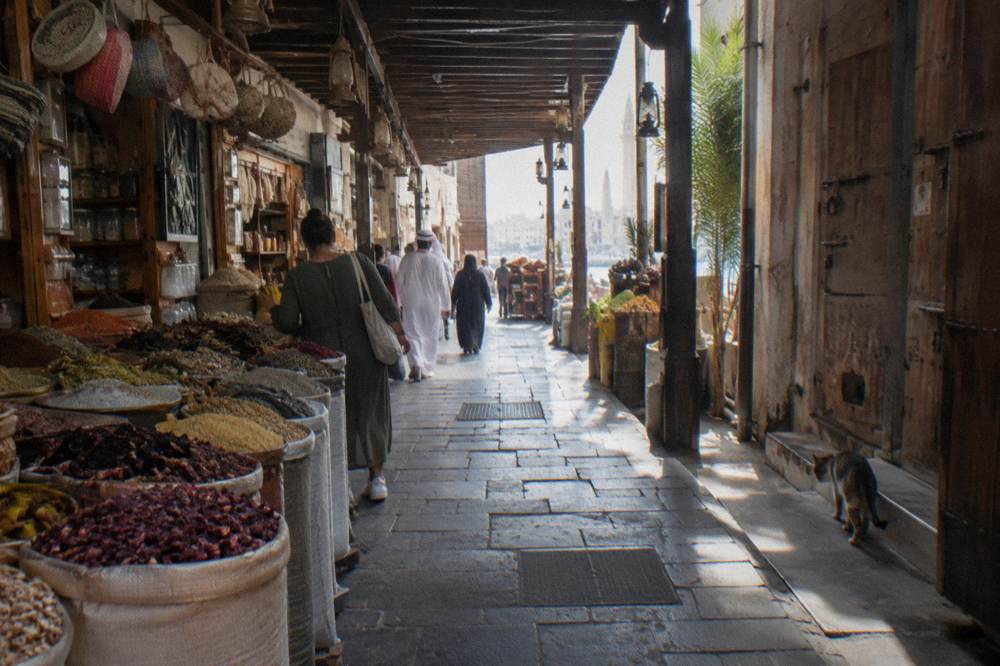
A small crossbody bag beats a backpack in the souks, where crowds are dense and a bag on the front is easier to mind than one on the back. Sunscreen matters more than most visitors expect in December, because 26 °C with Gulf humidity still burns on a three-hour open walk. A water bottle matters even more; the walks include water where the listing says so, and the listing is the source to check.
On the modesty spectrum, one honest note: the guidance in this article is about comfort and courtesy, not law. Nobody at the souk, the heritage district or the abra dock is enforcing a shorts policy. The women who dress for the older districts with knees and shoulders covered are doing it because it reads as respect, keeps attention off them, and, in the heat, is often cooler than tight clothing anyway. The women in short shorts at the beach club an hour later are dressed correctly for that place too. Both are the answer to the question, in different postcodes.
“We had a fantastic tour today facilitated by Hossam. He was a very friendly and engaging guide and we found the pace of the tour excellent. I would definitely recommend this activity to others and will likely rebook when other family members visit Dubai.”
For everything that surrounds the outfit decision, the site's wider planning pages help: what to eat in Dubai as a first-timer for the food side, and the best-time-to-visit guide for the calendar side. Between them, the packing list and the itinerary tend to settle themselves.
If the trip is coming together and the Old Dubai walk is the anchor booking, these are the three guided options that pair best with a modest, warm-weather wardrobe:
Each listing describes its route, duration and inclusions, and each booking page carries the live price and meeting point. Whichever you choose, the outfit advice does not change: light fabric, knee-length or longer, sleeves or a scarf, and shoes that can board a small boat.
Common Questions About Wearing Shorts In Dubai
Can A Lady Wear Shorts In Dubai?
Yes. There is no dress-code law for tourists, and shorts are ordinary clothing across the city. The official guidance is that swimwear stays at beaches and pools, and shoulders and knees are covered in heritage areas, souks and malls, so knee-length shorts with a sleeved top fit the guidance everywhere.
Will I Be Stopped Or Fined For Wearing Short Shorts?
No source describes a fine for shorts. The dress expectations in souks and heritage districts are cultural rather than legal. Very short shorts draw attention in the older districts, but the practical fix is a longer pair, not a rulebook.
What Should I Wear On A Food Walk In Old Dubai?
Loose, breathable fabric in light colours, knee-length shorts or light trousers, a top with sleeves or a scarf, and closed walking shoes or strapped sandals. The walk covers around three hours on foot across cobbled lanes, crowded souks and a Creek crossing, so comfort and coverage together are the goal.
Does The Dress Advice Change During Ramadan?
Modesty matters more during daylight hours, and recent reporting describes discretion rather than restriction: restaurants operate normally and non-Muslims are not required to fast, but eating, drinking and dress are handled more discreetly in public until sunset. A longer pair of shorts or a light trouser option is the easy adjustment.
Are Shorts Okay In Dubai Malls?
Yes, at reasonable length. Mall guidance asks for shoulders and knees covered and swimwear left at the beach, and mid-length shorts with a normal top pass without comment in every major mall.
Do I Need To Cover My Head As A Woman In Dubai?
Not in public areas. A headscarf is expected inside mosques, and visitor mosques usually provide one for women, but souks, heritage districts, streets and restaurants require no head covering at all.