Best Time To Visit Dubai For Food And Walking
Dubai's eating calendar is built around its seasons in a way most visitors underestimate. The month you choose decides whether a three-hour walk through Al Fahidi and the Deira souks is a pleasure or an endurance test, and it shapes what is on the stalls too.
Short answer
The best time to visit Dubai for food and walking is November to March, when daytime highs sit in the mid-20s Celsius and evenings are cool enough for a three-hour tasting walk. December and February average the lowest daytime highs, around 24 to 26 degrees, and the fresh date harvest runs through summer into early autumn.
The best time to visit Dubai for food and walking is a narrower window than the city's year-round flight schedules suggest. Between November and March, daytime highs across the city sit in the mid-20s Celsius, the historic districts of Bur Dubai and Deira are comfortable on foot from morning to night, and the street food culture of the souks moves outdoors in a way it simply does not in July. Outside that window, the experience changes shape: walks shorten, tasting routes shift indoors, and the midday hours belong to air conditioning rather than wandering.
This guide lays out the season by season picture, the weather normals that drive it, the timing rhythms of the souks and the metro, and what each stretch of the calendar means for the plate. It draws on official transport pages, reported souk hours, and the cluster of fresh Dubai data gathered for this site, and it points to the guided walks that make the cool months count. For a closer look at where those markets sit and which ones reward a food walk most, the comparison of Madinat Jumeirah Souk and the old Dubai souks covers the ground market by market.
When Is The Best Time To Visit Dubai For Food And Walking?
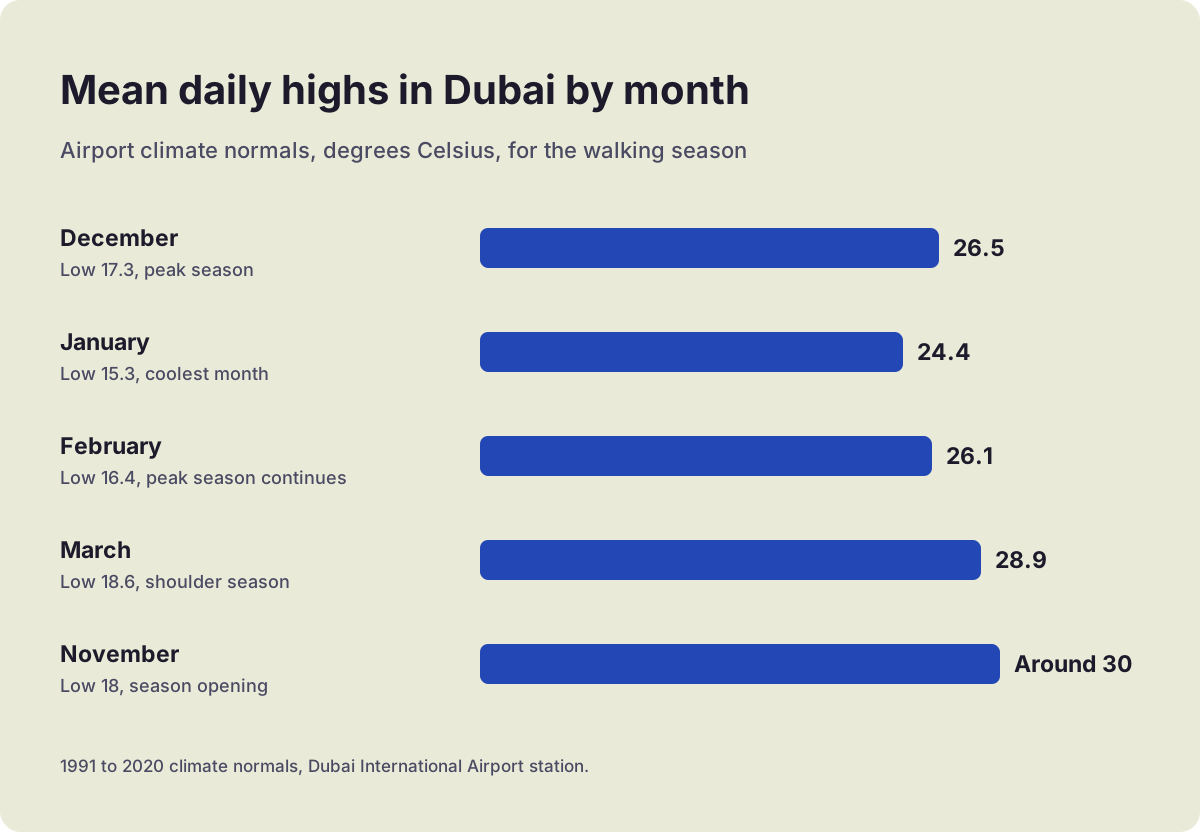
The best months are November through March, with December, January and February the sweet spot for long walking days. Airport weather normals compiled from national climate data put December's mean daily high at 26.5 degrees and its low at 17.3, January at 24.4 and 15.3, February at 26.1 and 16.4. Those are temperatures where a three-hour route through Al Fahidi and the Deira souks feels effortless rather than survivable.
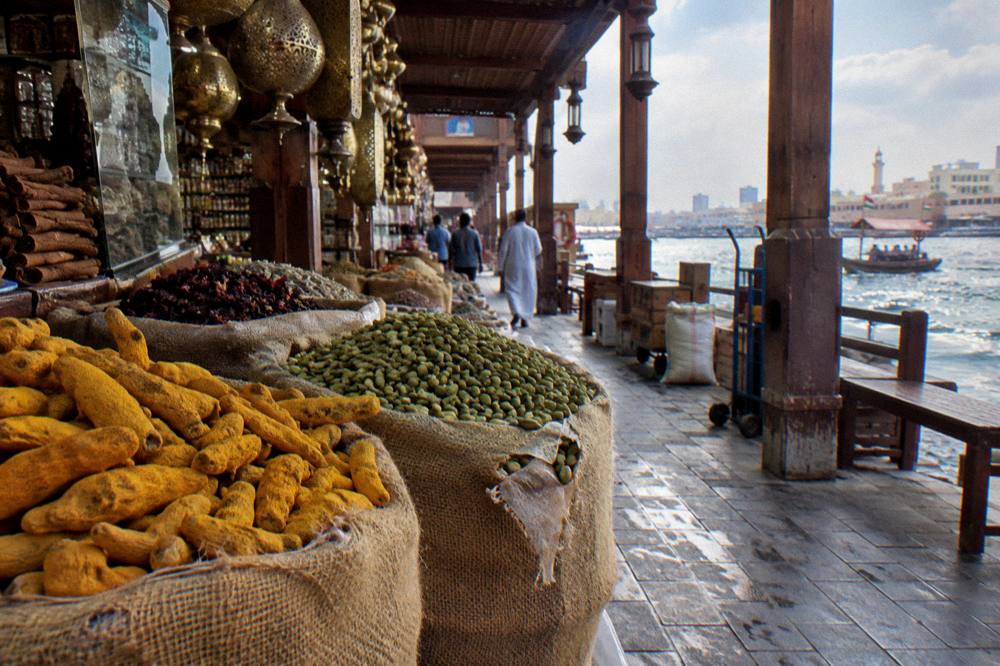
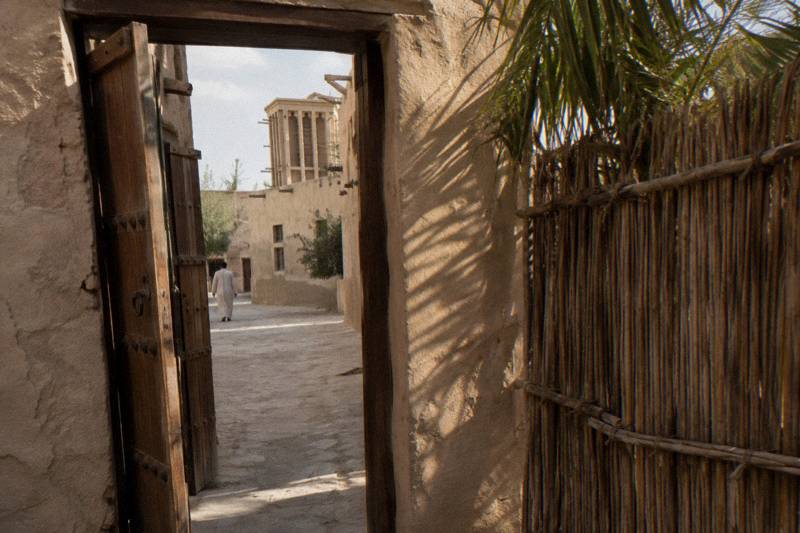
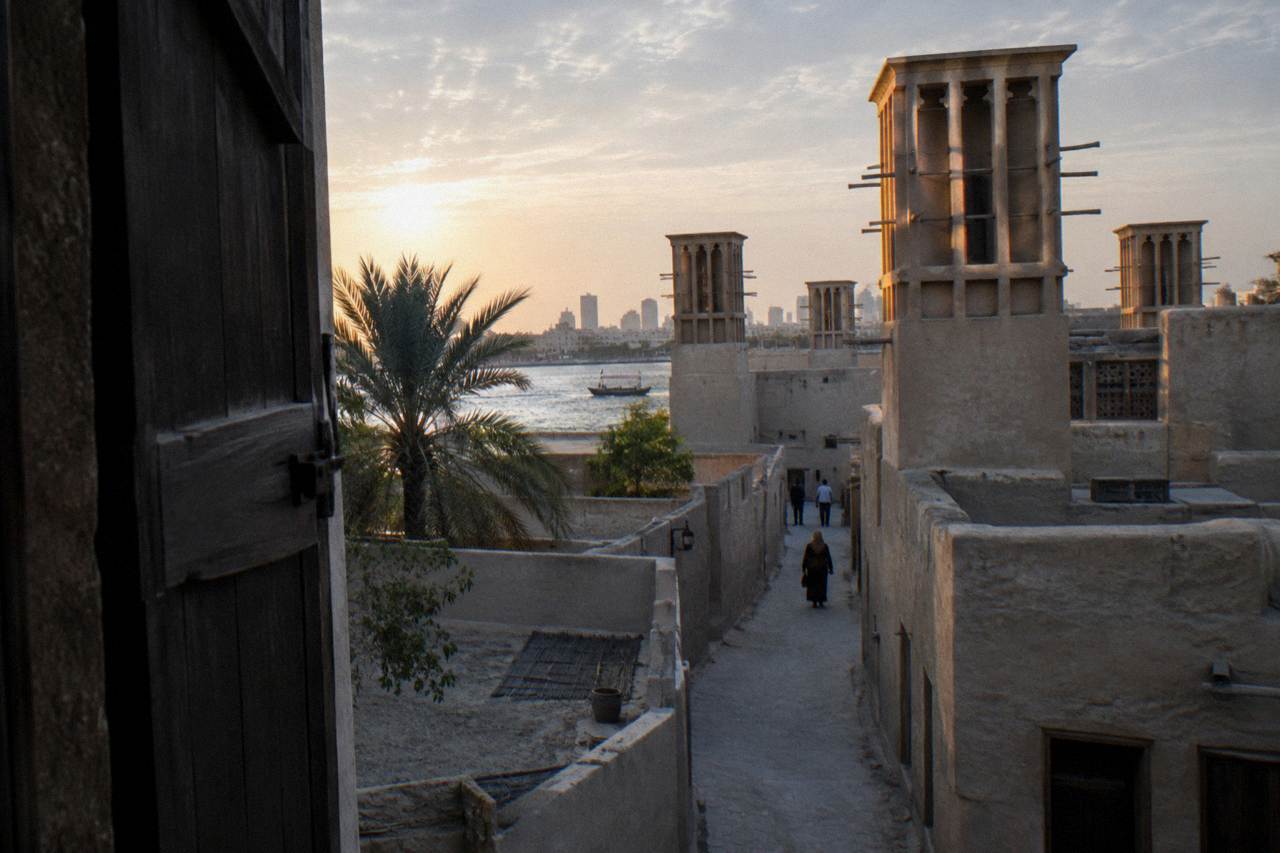
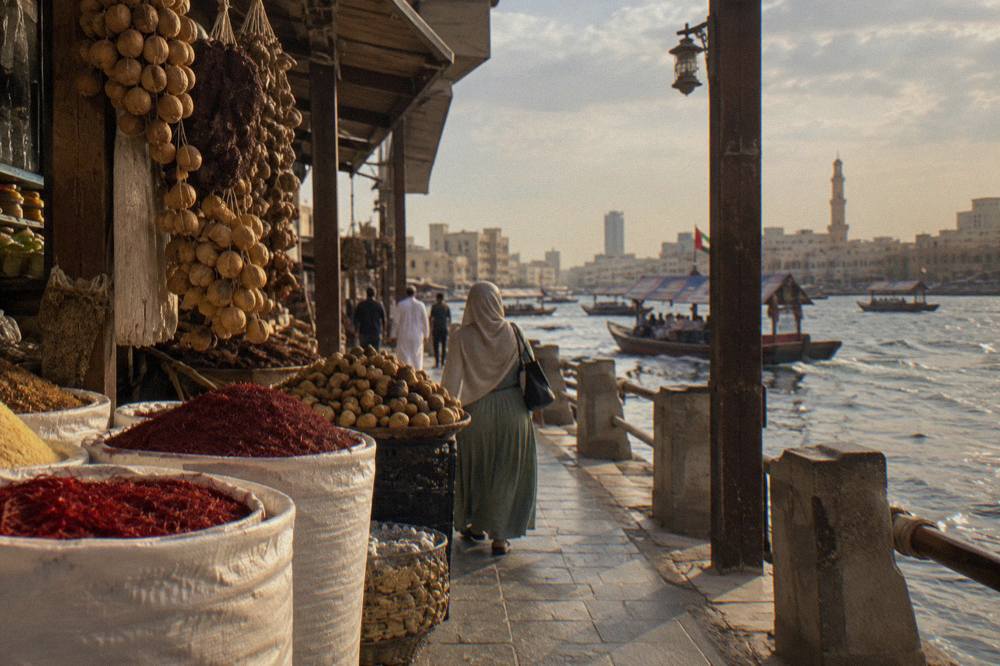
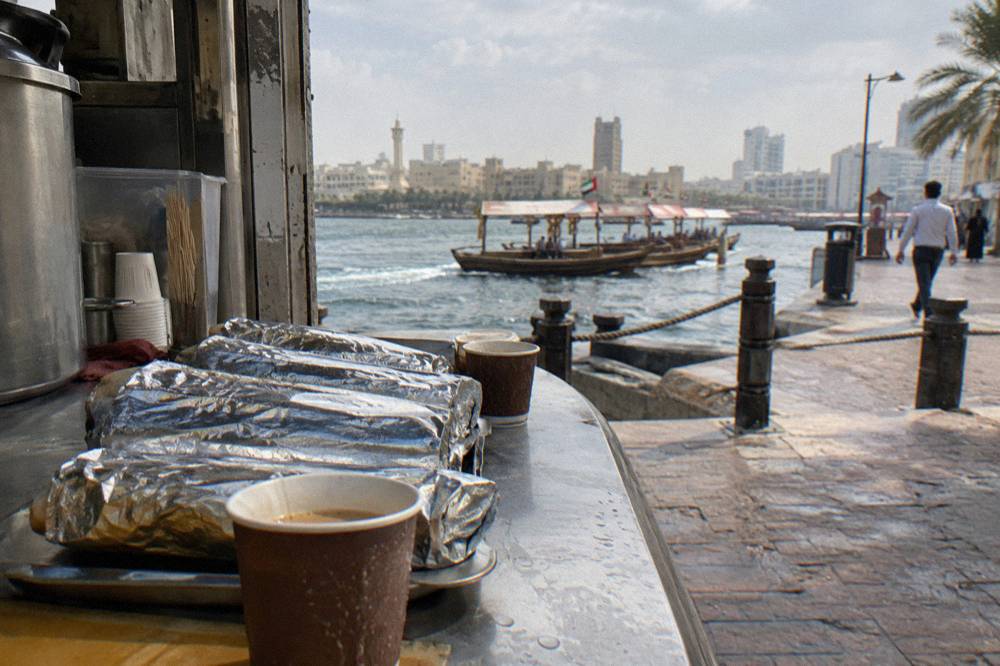
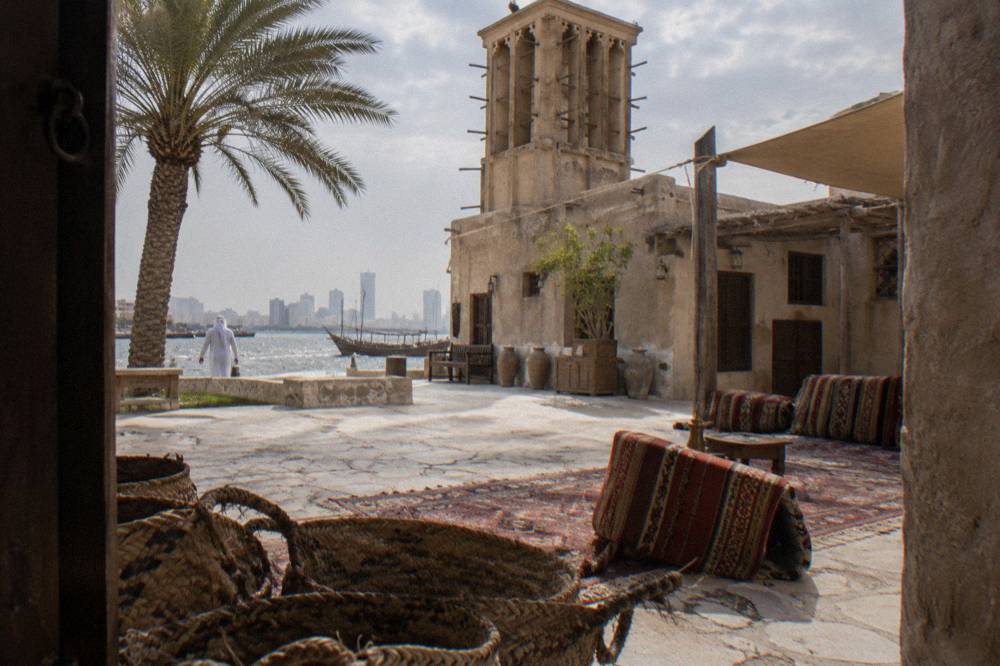
The logic is simple. Almost everything worth eating in Old Dubai is reached on foot, and almost everything worth walking past is outdoors. The Al Fahidi Historical Neighbourhood, the Al Seef waterfront stretch, the Spice Souk and the Gold Souk are all open-air experiences, connected by lanes and a Creek crossing. When the air is 25 degrees, that circuit is a pleasure. When it is 40-plus, it becomes a series of short dashes between shaded doorways.
Winter also gives you the light. Mid-December sunrise runs around 06:57 with sunset near 17:32, and January shifts to roughly 07:07 to 17:51, so a late-afternoon walk starts in golden light and ends under the early souk lamps. The evening window matters for food specifically: several of the guided street food walks in Old Dubai run afternoon and evening departures, and the stalls are at their liveliest then.
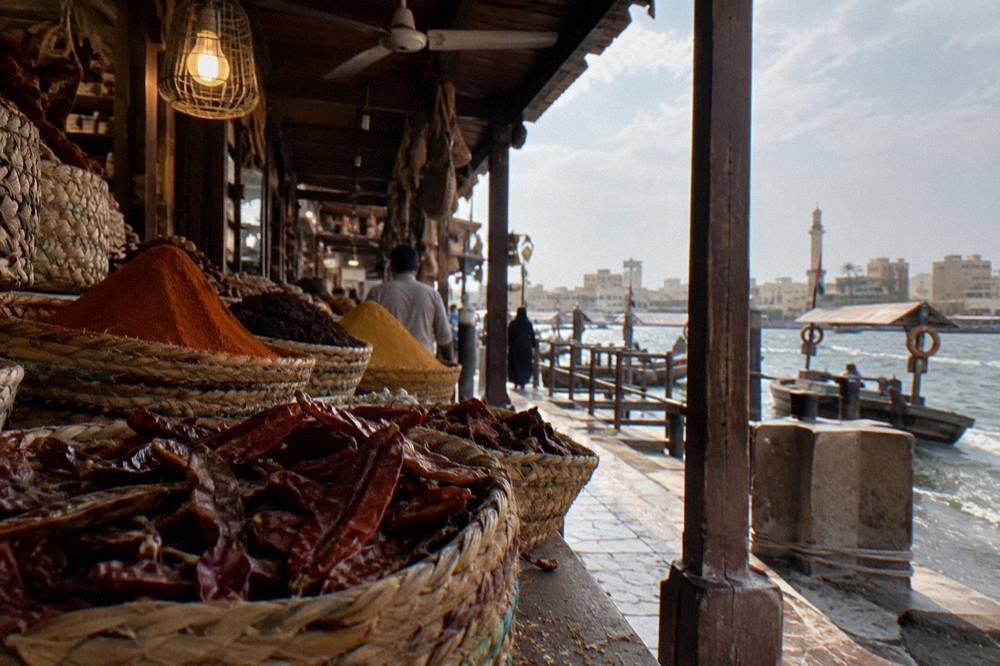
There is a second, less obvious reason the cool months win. The UAE's fresh date harvest, the rutab season, peaks through summer and runs roughly June to September, with dried dates available all year. By November and December the fresh crop has largely passed, but the date shops in the Deira souks are fully stocked with the dried varieties, and the spice stalls are doing their steadiest business of the year with the tourist season in full swing.
What The Cool Season Actually Feels Like On Foot
On the ground, the cool season means you can walk from morning to around midday, break for a long lunch, and come back out for an evening food walk without ever planning around the heat. December through February average the lowest daytime highs of the year, 24 to 26 degrees, with nights in the mid-teens. March warms to a mean high of 28.9 degrees, which is still comfortable but noticeably warmer by early afternoon.
The numbers come from 1991 to 2020 climate normals for the Dubai International Airport station, the standard reference for the city. They are averages, not promises: a December day can touch 30, and a February morning can be cool enough that you want a light jacket for an abra crossing. But the pattern holds, and it is the pattern that matters for planning.
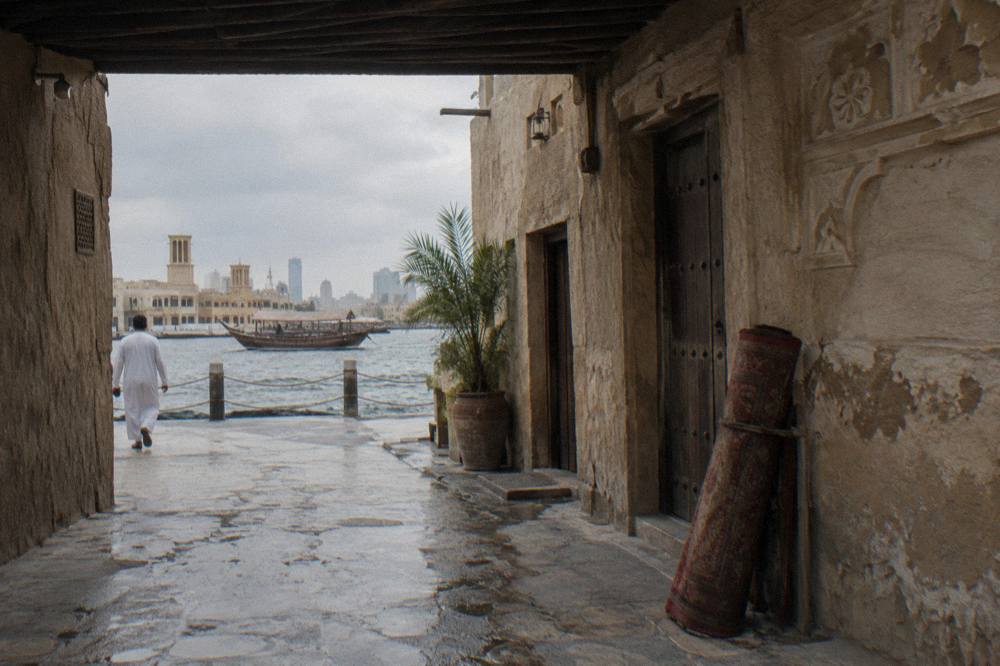
What this means practically is that the walking part of a food trip stops being a constraint. The Al Fahidi Historical Neighbourhood is open to walkers from 7am to 8pm daily per the Dubai Culture hours, and the roughly 1.8 km Al Seef promenade on the Bur Dubai side of the Creek is free and open all day. In the cool months you can string those together with the Textile Souk, an abra crossing, and the Deira souks into one long loop, tasting as you go.
In the hot months the same geography forces a different trip. Walks compress into the first and last two hours of daylight, the midday belongs to indoor meals and museums, and a guide who knows which lanes hold shade becomes genuinely valuable rather than a nice-to-have. A three-hour guided walk in August is possible; it is just a different, more managed experience than the same route in January.
If you want a guided route that makes the most of the cool window, these three walks cover the classic Old Dubai circuit with tastings built in.
The Local Street Food and Guided Walking Tour of Dubai Old Town is the most reviewed of the three and runs about three hours through the old town's food stops, with the price and current rating on the live listing. The Dubai Old Town, Souks, Street Food, Guided Tour and Abra Ride covers similar ground over three to four hours, and the Al Fahidi Old Town, Souks, Street Food and Abra Cruise runs two and a half to four hours with time on the water. All three are outdoor-heavy routes, which is exactly why the month you pick matters so much.
Which Months Are Best For A Guided Food Walk?
For a guided food walk specifically, aim for December to February, with November and March as strong shoulder picks. Those months combine the lowest mean daytime highs, 24 to 26 degrees, with the longest stretch of comfortable evening hours, and they sit inside the main tourist season when the souks are fully stocked and every stall is open. Book four to six weeks ahead for December and January dates, which are the busiest walking weeks of the year.
Each stretch of the calendar has its own character, and the table below lays it out against the weather normals and what it means for eating on foot.
| Period | Mean high / low (C) | Walking comfort | Food scene notes |
|---|---|---|---|
| December | 26.5 / 17.3 | Excellent, cool evenings | Peak season, all stalls and souks active |
| January | 24.4 / 15.3 | The coolest month, jacket at night | Peak season, book walks early |
| February | 26.1 / 16.4 | Excellent | Peak season continues |
| March | 28.9 / 18.6 | Very good, warmer afternoons | Shoulder season, thinner crowds |
| November | Around 30 / 18 | Good, warm middays | Season opening, good availability |
| Summer months | Well above the cool months | Walks shortened, early starts | Indoor meals, dates in season |
Two notes on reading that table. First, the December to March figures are station normals, so treat them as the centre of a range rather than a forecast for your week. Second, the November row is an estimate from the shoulder of the published normals: October and April sit in the low-30s, which is still walkable for most people if you start early and keep the route short.
The guided walks themselves do not stop in summer, but their shape changes. Operators report earlier start times and compressed routes in the hottest months, and the listings for the walks compared here show durations of roughly two and a half to four hours, which is a manageable length in cool weather and a serious commitment at 40 degrees. If your dates are fixed in the hot half of the year, an evening departure is the single best adjustment you can make.
One more seasonal factor sits on the plate itself. Ramadan in 2026 ran roughly from 18 February to 19 March, and the exact dates shift each year with the lunar calendar. During the holy month, restaurants and dining venues operate as normal and non-Muslims are not required to fast, but the rhythm of the day changes: iftar after sunset is the big shared meal, and the souks take on a nighttime energy that is genuinely special. Exact dates for any coming year are published closer to the time, so check official pages before locking a trip around them.
How Fridays, Souk Hours And Metro Timing Shape Your Day
The day of the week matters almost as much as the month. The Dubai Metro runs 05:00 to midnight Monday to Thursday and Saturday, 05:00 to 01:00 on Friday, and 08:00 to midnight on Sunday. The Spice Souk shops generally open before 8am and run past 9pm but close during daytime on Fridays, and Friday afternoons are the quietest stretch in all the souks until prayers end.
That Friday pattern is the one that catches visitors out. If your food walk lands on a Friday morning, the Deira side of the route can feel half-asleep, and a guide may reorder the itinerary to start on the Bur Dubai side. Saturday through Thursday is the safer set of days for a full souk-and-tastings circuit, and any walk you book will have its own meeting point and start time on the booking page, so check those against the souk rhythm before you commit. Other pages covering the same trip are gathered on Dubai Food Tours.
The metro matters because it is how most visitors arrive. The Green Line stations that serve the old district are Sharaf DG for the Al Fahidi area, Al Ras and Baniyas Square for Deira, and Gold Souq for the northern souks, with Union as the shared interchange with the Red Line. A Nol card, the reloadable fare card for metro, tram and buses, costs AED 25 for a basic card including initial credit, per the official transport authority pages.
| Getting around | What to know | Best for |
|---|---|---|
| Green Line metro | Sharaf DG serves Al Fahidi; Al Ras and Gold Souq serve Deira | Arriving from Downtown or the Marina |
| Nol card | AED 25 for a basic card including starting credit | Anyone making more than one transit trip |
| Taxi | Starting fare AED 5 daytime, AED 5.5 overnight, as reported by the transport authority | Direct hotel-to-souk trips |
| Creek abra | Traditional wooden boats cross between Bur Dubai and Deira on several routes | The crossing itself, a food walk highlight |
| On foot | Al Fahidi, Al Seef, Textile Souk and abra docks all connect by lanes | The whole point of the cool season |
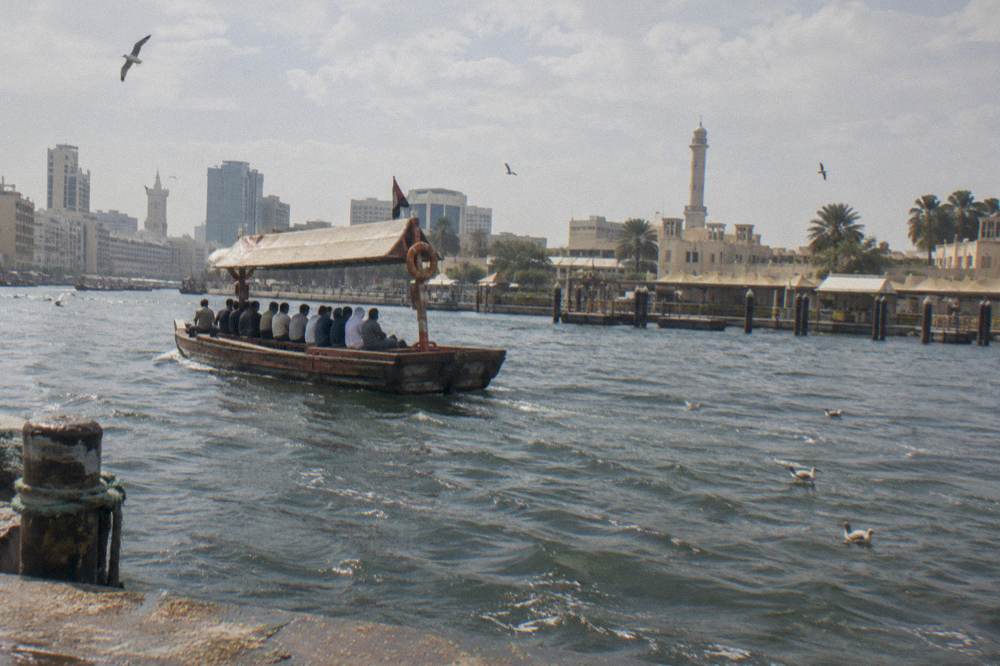
The abra deserves a special mention in any timing discussion, because it is both transport and attraction. The transport authority operates several Creek crossing routes linking Bur Dubai, Al Seef, Al Fahidi and the Deira side, and the crossing takes only a few minutes. The fare is on the official marine pages, so check it there rather than relying on secondhand figures. On a food walk, the abra usually sits mid-route, a natural breather between the Bur Dubai lanes and the Deira souks.
What A Food Walk Costs By Season
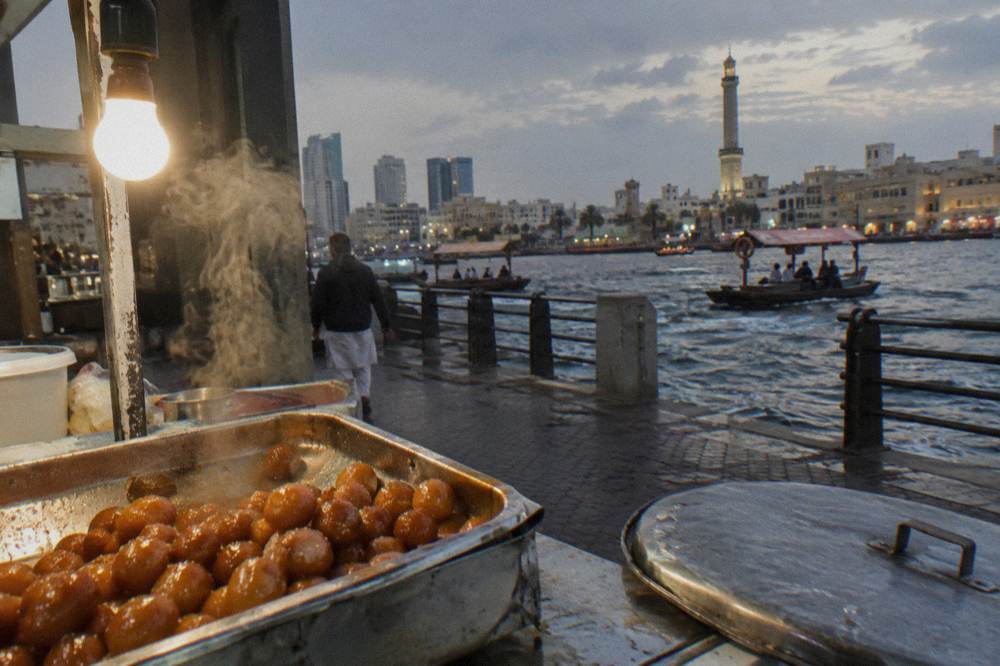
Most food walk tour prices stay flat across seasons, but the food itself does not: street eats in Old Dubai run from about AED 1 to 3 for karak chai, AED 7 to 15 for shawarma, AED 1.50 to 8 for falafel, and AED 10 to 18 for luqaimat, with a casual neighbourhood meal at AED 15 to 40 per person. What changes by season is how comfortably you earn those bites outdoors.
The practical point is that the cool season is when independent eating and a guided walk combine best. In December you can do a morning in Al Fahidi, a AED-level street lunch of shawarma and karak, an afternoon abra crossing, and then a guided evening walk, and the whole day holds together. In August, the same budget buys the same food, but the day fragments into indoor blocks.
For the guided side, the walks compared here carry their prices on their own listings, several as per-person from-prices that vary by date and group size, so read the basis on the booking page before comparing. What you get for it is consistent across the year: a counted set of tastings, a guide who knows which lane to take, and the Creek crossing worked into the route. The Local Street Food and Guided Walking Tour of Dubai Old Town is the pick if you want the classic circuit with the largest review pool behind it, and its current price and rating sit on the live listing.
If your dates fall in the shoulder months and you want the crossing as a centrepiece rather than a commute, the Dubai Old Town, Souks, Street Food, Guided Tour and Abra Ride runs three to four hours and treats the boat as part of the experience rather than a hop between districts. Its duration and meeting point are on the booking page, and the cool months are when that longer format is most comfortable end to end.
One cultural option sits slightly apart from the street food circuit and rewards planning regardless of season. The Sheikh Mohammed Centre for Cultural Understanding in Al Fahidi hosts cultural meals with Emirati hosts, with reported prices of AED 130 for breakfast or brunch, AED 145 for lunch, AED 150 for a tea-time fuala, and AED 160 for dinner, booking required. It is an indoor, seated experience, which makes it the single best rainy-day or hot-weather complement to a souk walk, and its program page carries the current schedule.
What To Wear And How To Time Around The Heat
Dress for the sun and the setting at once: cover shoulders and knees in the souks and heritage areas, which is about cultural respect in traditional districts rather than a legal fine, and in the hot months plan the walking day around a very early start, a long indoor midday, and an evening restart. Winter walks need nothing more than a light layer for after sunset, and comfortable shoes matter more than anything else you can buy.
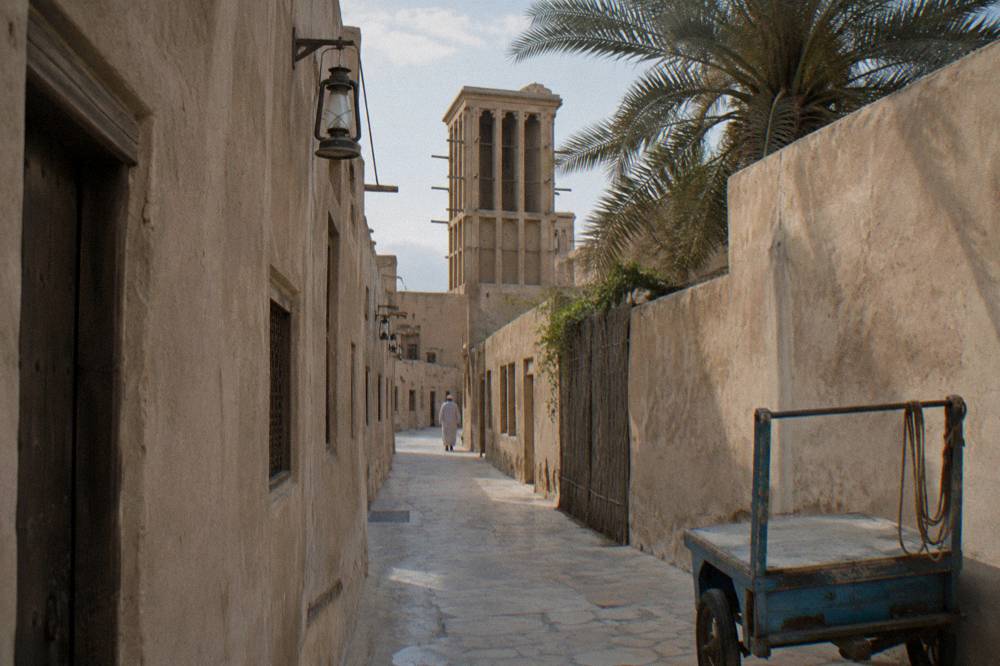
The dress guidance comes from the etiquette cluster for the heritage districts specifically: the Al Fahidi Historical Neighbourhood, the Bur Dubai souk lanes and Deira are working traditional districts, and modest dress draws less attention and opens more doors, including at food stalls where you will be standing close to families. Photography etiquette matters here too: always ask before photographing individuals, particularly Emirati women and families, and in the souks a friendly request is both expected and usually welcomed.
For the hot half of the year, the timing advice is blunt. Start walking within an hour or two of sunrise, when the air is at its coolest, do the indoor eating and the cultural stops through the middle of the day, and come back out after about 17:00. The guided walks that run in summer tend to follow exactly this shape, and if you are booking one, an evening departure is worth requesting. Check the booking page for the start times on offer for your date.
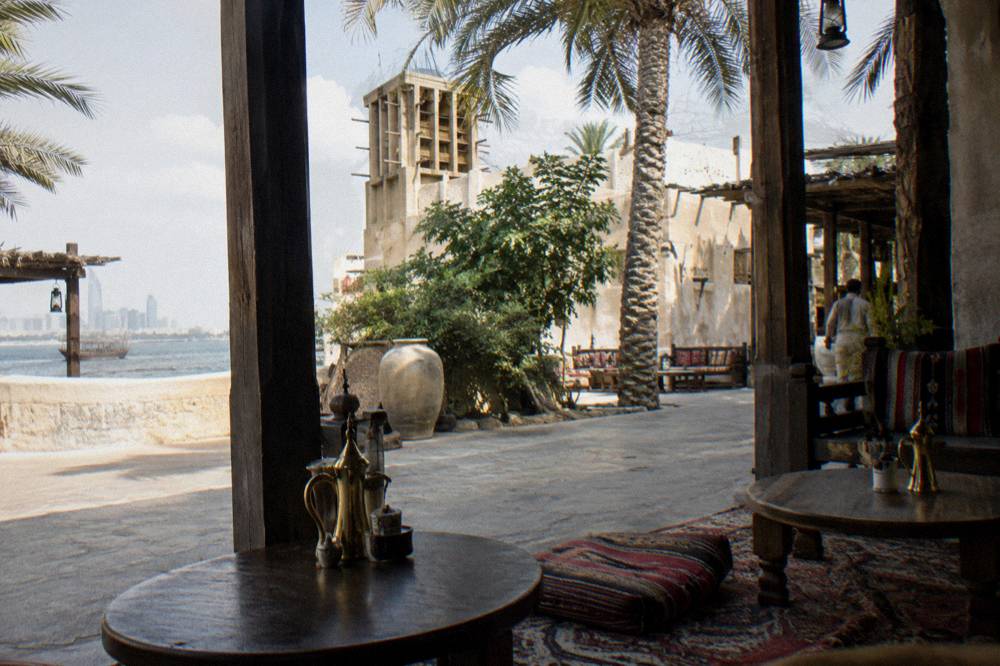
The cool season inverts the problem: you have more comfortable hours than you need, and the risk is over-scheduling rather than exhaustion. A three-hour morning walk, a sit-down lunch, an afternoon in the Al Fahidi courtyards, and a second, lighter evening stroll is a normal December day in Old Dubai, and it is the month when the district feels most like what the brochures promise.
A Month-By-Month Plan For The Food-Minded Visitor
Plan around three windows: book December to February for the full walking experience at its best, November or March for the same routes with thinner crowds and slightly warmer middays, and the hot months only with an evening-first plan. Ramadan, wherever it falls, rewards flexible visitors with the year's most atmospheric evening eating, but check the official dates for your year before building a trip around it.
Here is how the year reads as a sequence, using the climate normals and the reported souk and transport patterns.
| Month | Mean high (C) | Verdict for a food walk |
|---|---|---|
| November | Around 30 | Good shoulder pick, warm middays, season opening |
| December | 26.5 | Prime time, book ahead |
| January | 24.4 | The coolest and often the clearest, prime time |
| February | 26.1 | Prime time, Ramadan may begin late in the month |
| March | 28.9 | Very good, crowds easing |
| April to October | Low 30s and up | Short early walks, indoor middays, evening restarts |
Whatever month you choose, the walk format that suits the season best is the guided tasting route through Old Dubai, and the Al Fahidi Old Town, Souks, Street Food and Abra Cruise version runs two and a half to four hours, long enough to eat properly and short enough that even a warm day stays manageable. Its price, meeting point and current rating are on the live listing, and the cool months are when its full duration feels like value rather than endurance.
For readers planning the wider trip, the season choice also interacts with where you sleep and how you split your days: the where to stay in Dubai for Old Dubai food guide covers the districts that put you within walking distance of the souks, and the three days in Dubai with a food tour itinerary shows how a cool-season long weekend stacks up. In summer, the Dubai food tours in summer heat and timing guide takes over where this one stops.
The last word on timing belongs to the weekday, not the month. A Friday or Sunday shapes the souk day differently from a Tuesday, the metro's Sunday start is two hours later than the rest of the week, and the abra docks run on their own rhythm. Pick the month for the weather, then pick the day of the week for the souks, and the food will take care of itself.
Common Questions About The Best Time To Visit Dubai For Food And Walking
What Is The Best Month To Visit Dubai For Walking?
January is the coolest, with a mean daily high of 24.4 degrees and a low of 15.3, followed closely by December and February at 26.5 and 26.1. Any of the three is excellent for long walking days through Al Fahidi and the Deira souks.
Is Dubai Too Hot For A Food Tour In Summer?
Not too hot, but different. Walks compress into early morning and evening, midday belongs indoors, and operators report earlier start times. An evening departure is the best summer adjustment.
What Should I Wear On A Walking Tour In Dubai?
Cover shoulders and knees in the souks and heritage areas, wear comfortable shoes, and bring a light layer for winter evenings. It is about respect in traditional districts rather than a legal requirement.
Do The Souks Close On Fridays?
Partly. The Spice Souk closes during daytime on Fridays, the Gold Souk shops mostly open 10am to 10pm, and many souk shops open from around 4pm on Fridays after prayers. Saturday to Thursday is the fuller souk day.
Does Ramadan Change The Food Scene?
Restaurants operate as normal and non-Muslims are not required to fast, but evening iftar meals become the day's centrepiece and the souks shift to a nighttime rhythm. Ramadan 2026 ran roughly 18 February to 19 March; check official pages for any coming year's dates.
How Far In Advance Should I Book A Food Walk In Peak Season?
For December and January dates, four to six weeks ahead is a sensible target, since the cool window is short and the best-reviewed walks fill first. Free cancellation is available on the walks compared here, so booking early costs little flexibility.