Food Tours In Dubai During Ramadan
Ramadan reshapes the rhythm of eating in Dubai, but it does not close the city to visitors who want to eat well. Here is what changes, what stays open, and how a guided walk fits the fasting day.
Short answer
Yes, you can eat in Dubai during Ramadan as a visitor. Non-Muslims are not required to fast, restaurants operate normally indoors, and guided food walks still run, usually with schedules shifted toward the evening iftar period. 2026 Ramadan ran roughly 18 February to 19 March. Check current rules and the booking page before you go.
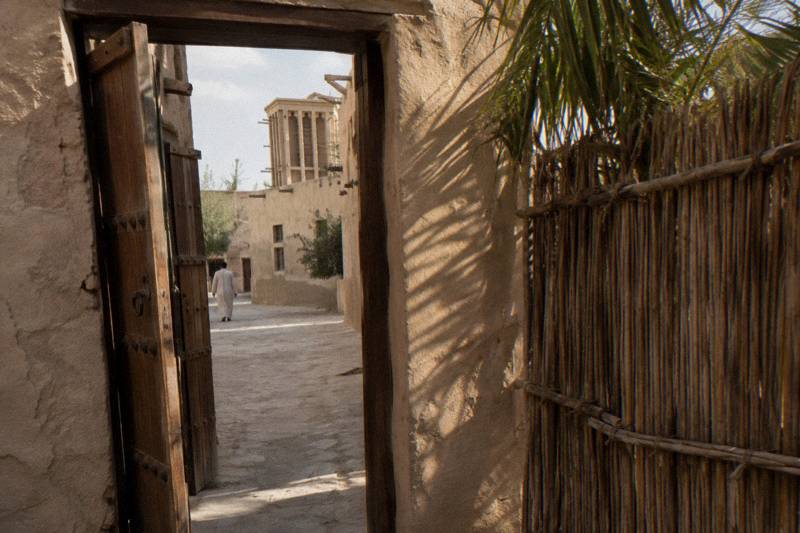
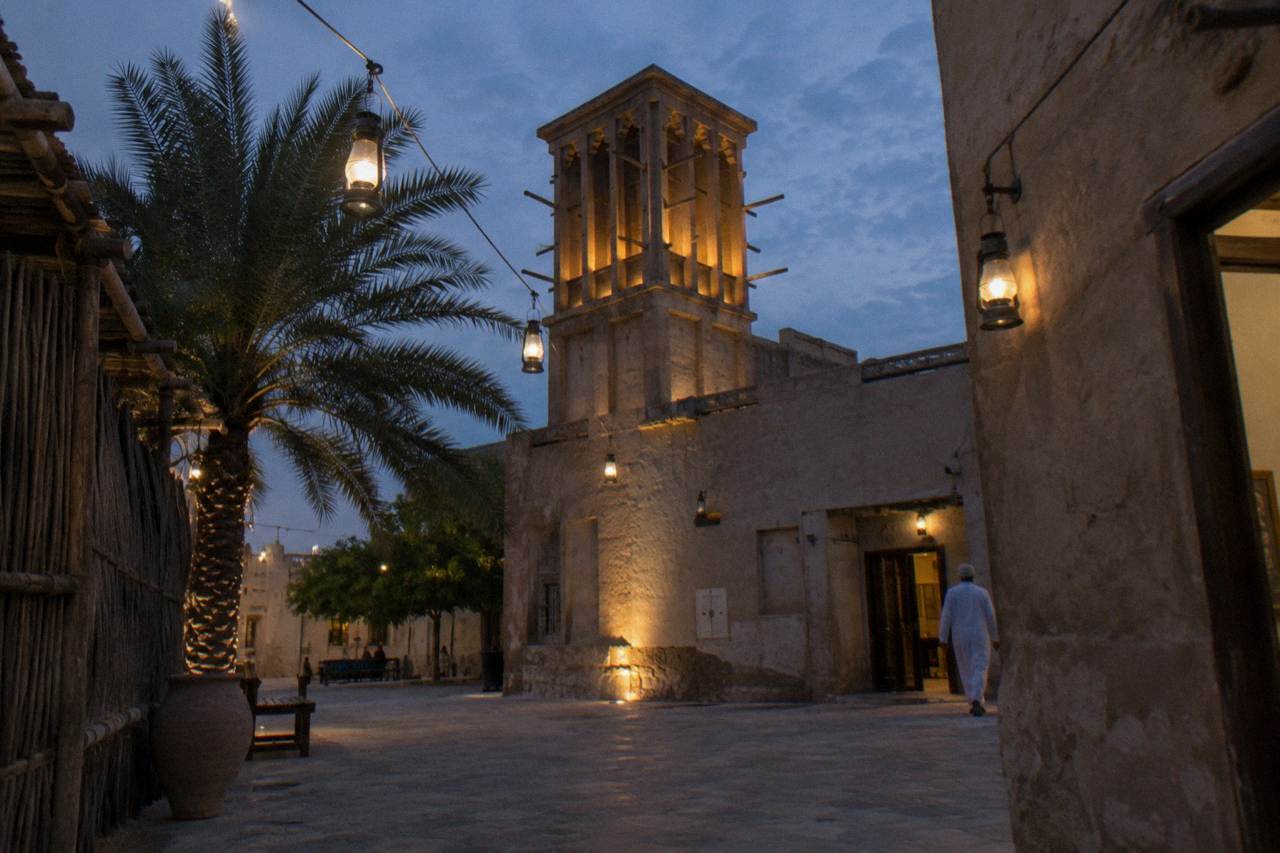
Ramadan moves the whole day in Old Dubai. Restaurants that hum at noon in other months go quiet through the daylight hours, then the streets fill again as the fast breaks at sunset and the souks stay busy late into the night. For a visitor, this is not a closed city, it is a city on a different clock, and a guided walk timed to that clock can be one of the best weeks of the year to eat in Bur Dubai and Deira.
The 2026 Ramadan period ran roughly 18 February to 19 March, in the coolest part of the Dubai year, when daytime highs sit in the mid 20s Celsius and walking the Creek districts is comfortable. Exact dates move each year with the lunar sighting, so check the official pages for the year you travel. This guide covers what the fasting month changes for visitors, how tour schedules shift, what the rules actually say about daytime eating, and how to pick a walk that fits.
What Ramadan Actually Changes About Eating In Dubai
Ramadan changes when Dubai eats more than where it eats. Muslim residents fast from dawn to sunset, but non-Muslim visitors are not required to fast, restaurants operate as normal indoors, and the main visible shift is a move of energy from midday to the evening iftar meal. Current rules, as reported, carry no penalty for visitors eating during the day, though discretion is the local courtesy.
The official position is straightforward: people who are not fasting can eat and drink during the day, and restaurants and dining establishments operate as normal. The old screened-off dining areas of earlier years are gone from current reporting. What remains is etiquette rather than law. Eating openly in a public square at midday while those around you fast reads as thoughtless, so the pattern most visitors settle into is eating indoors, at a table, and keeping daytime snacks and water out of plain sight on the street.
Two further rules frame the month. Smoking is discouraged in daylight hours out of respect, alongside the general tobacco controls that already ban smoking in enclosed public spaces. And alcohol service continues at licensed venues for visitors over 21, with the usual zero tolerance for public drinking and intoxication; nothing about Ramadan suspends the licensed-venue system, though some hotel bars adjust hours.
Here is the practical version of the rules, as reported:
| Question | What Current Rules Say | What It Means On A Walk |
|---|---|---|
| Do visitors have to fast? | No. Non-Muslims are not required to fast, per official guidance. | You can eat; be discreet outdoors during daylight. |
| Are restaurants open at midday? | Restaurants and dining establishments operate as normal indoors. | Sit-down eating is available; street snacking is the sensitive part. |
| Can I drink water on the street? | No rule prohibits it, but etiquette advises discretion in shared public spaces. | Carry water, sip it indoors or out of plain view. |
| Can I smoke during the day? | Discouraged out of respect; general smoking bans in enclosed public spaces still apply. | Use designated outdoor zones, avoid daylight crowds. |
| Is alcohol served? | Yes, at licensed venues for visitors over 21; public drinking remains prohibited. | Expect some adjusted bar hours at hotel venues. |
The official Ramadan page on dubai.ae is the source to check before any trip in a fasting month, since guidance wording can shift year to year.
Can You Join A Guided Food Walk During Ramadan?
Yes. Guided food walks in Old Dubai continue through Ramadan, with the same routes through Al Fahidi, the Textile Souk and the Deira souks that run the rest of the year. What changes is timing: operators report shifted schedules built around the evening break of the fast, and daytime departures lean on the sights and the indoor stops rather than street snacking. Confirm the day's plan on the booking page.
A guide earns their fee during Ramadan in a way they do not in other months. The month reorganizes the city around the visitor's feet: daytime streets are calmer, the Al Fahidi Historical Neighbourhood is open for walking from early morning, and the evening brings an energy that a solo visitor can spend hours chasing and still miss. A local guide knows which lanes fill first after the sunset cannon, which stalls hold the short-lived evening specialties, and how to read a souk that changes character between 4pm and 8pm.
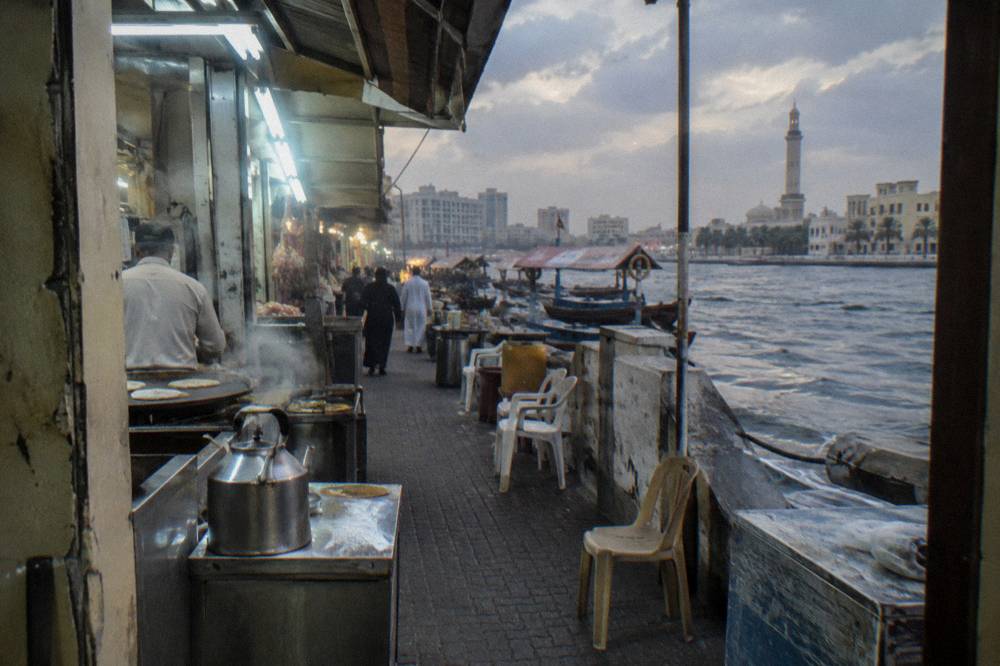
The walks compared here all run the Old Dubai circuit: the Bur Dubai heritage district on one side of the Creek, an abra crossing, and the Deira souks on the other. During Ramadan the format flexes. Some listings describe the same tastings and route with adjusted hours; others lean into the evening, when the iftar period turns the district into the liveliest food street in the city. The meeting points seen on listings include Al Khayma Heritage Restaurant in Al Fahidi, Al Ras Metro Station exit 2 in Deira, and the Al Seef Heritage Hotel entrance.
If you are weighing options, these three walks cover the range:
This site, Dubai Food Tours, compares the guided walks across the old district so you can match a route to your dates rather than gambling on a meeting point. A Ramadan booking deserves one extra step: message the operator before you pay and confirm the departure time for the fasting month, because a listing's standard schedule and its Ramadan schedule are not always the same document.
What The Featured Old Town Walk Covers During The Month
The featured premium Old Town walk runs about 4 hours through street food stops, the souks and a boat ride, and its listing describes the meeting point and inclusions in full. During Ramadan the format suits the month well: the long route can absorb a shifted schedule, and the boat ride and souk stretches work in daylight while the food stops can sit at either end of the day.
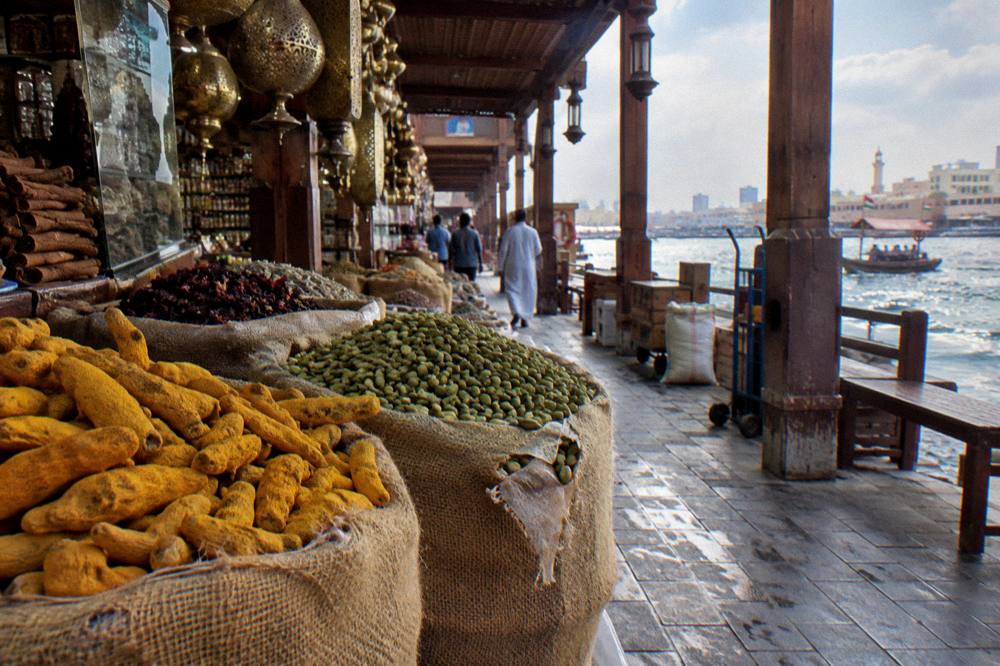
The listing for the premium Old Town street food walk describes a route built on the classic Bur Dubai to Deira arc: heritage lanes, the Textile Souk, the Creek crossing, and the Gold and Spice Souk side, with street food stops along the way. Four hours is the longest of the three walks compared here, which during Ramadan cuts both ways. It gives the operator room to hold food stops until the evening if the departure is timed toward iftar, but a midday departure means more of the walk happens before anything fried is being handed over a counter.
That is the single most useful question to ask before booking any walk in the fasting month: does this departure eat before sunset or after? The answer changes the entire day. A morning or midday start is a sightseeing walk with indoor café stops; a late-afternoon start rolls straight into the best eating window of the Ramadan calendar.
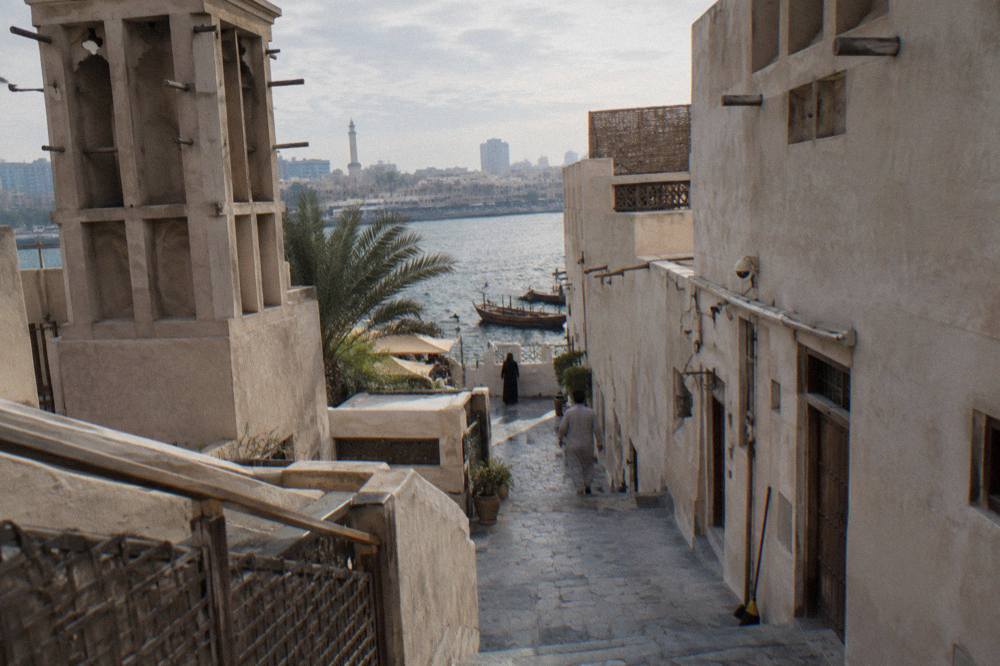
The same operator's listing carries the inclusions, the meeting point and the cancellation terms, and those are the three details worth reading line by line during Ramadan, when schedules move. Check availability
How Iftar Timing Shifts Tour Schedules
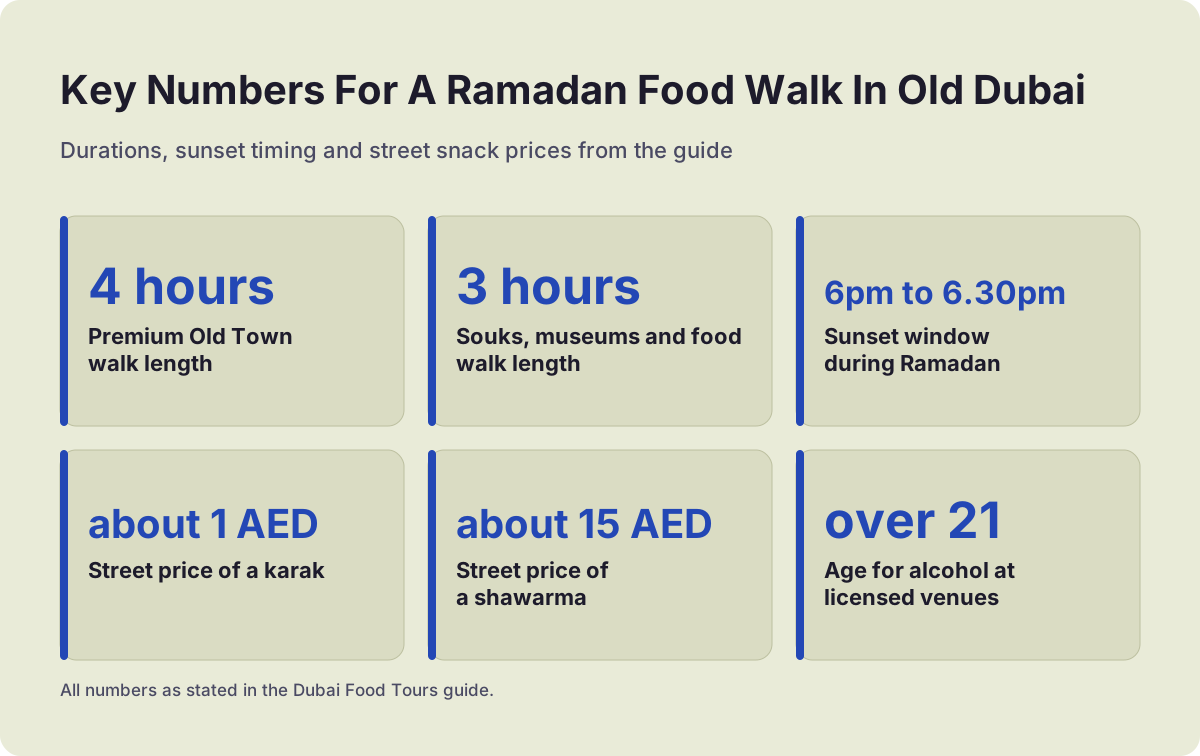
Iftar is the sunset meal that breaks the fast, and it reorganizes every evening in Old Dubai around it. Tours shift departures later so their food stops land after sunset, when the souks and cafés are at their busiest. Sunset in the Ramadan months falls in the early evening, around 6pm to 6.30pm, so a walk that starts in the late afternoon eats in the dark.
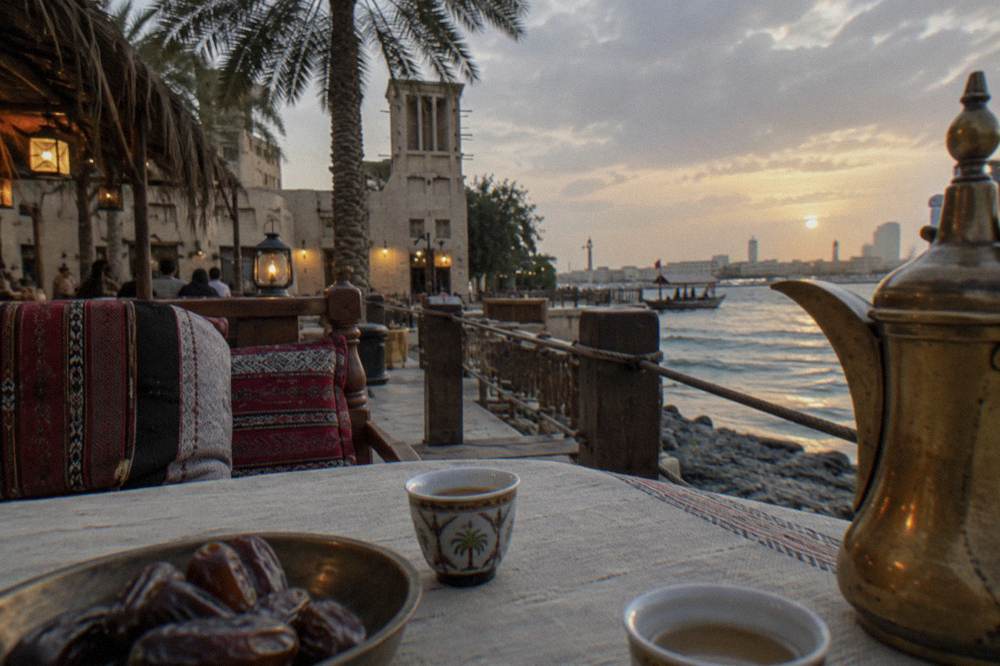
The fasting day has a shape a visitor can plan around. Suhoor, the pre-dawn meal, happens in the small hours. The daytime is quiet: souks keep reported hours but with softer footfall, and many shops take midday breaks. Then the break of the fast at sunset brings iftar, traditionally opened with dates and water or Arabic coffee, followed by a full meal, and the district stays lively well past midnight. Ramadan nights in Old Dubai are among the busiest food nights of the year.
| Part Of The Day | What Happens In Old Dubai | Best Use For A Visitor |
|---|---|---|
| Pre-dawn (suhoor) | Cafés serve late meals into the small hours. | Only if your body clock is already flipped. |
| Morning to midday | Streets calm, heritage lanes quiet, shops open gradually. | Sights and photography, indoor café stops. |
| Afternoon | Souks pick up; many take a midday break first. | Souk browsing, indoor stops, water indoors. |
| Sunset (iftar) | The fast breaks; streets and cafés fill fast. | The single best eating window of the day. |
| Night | Souks stay busy late; the district stays lively. | Food stops, night walking, dessert stalls. |
The 3-hour souks, museums and local food testing walk is a good example of a format that flexes around this shape: with three hours, a late-afternoon departure can spend its first half on the souks and museums in daylight and land its food stops just after the fast breaks. The listing describes the route and inclusions; the departure time for the month you travel is the detail to confirm on the booking page.
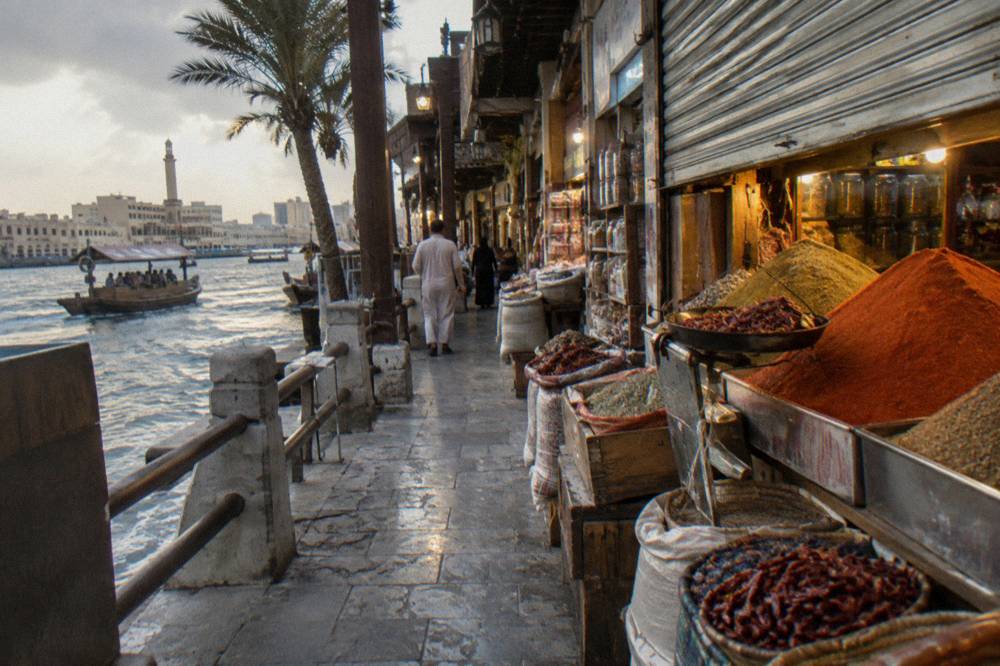
One planning note on the calendar: Ramadan moves about eleven days earlier each year against the Gregorian calendar, so the month you travel in can fall in the cool season one year and the hot season a few years later. The Dubai walks in summer heat guide covers the timing problem from the other end of the year.
What A Ramadan Walk Costs To Plan Around
Tour prices during Ramadan sit where they sit the rest of the year: on each operator's listing, and this guide does not print a number the listing does not confirm. The honest cost planning happens around the tour: street snacks in Old Dubai run at reported prices from about 1 AED for a karak to about 15 AED for a shawarma, so a walk that includes tastings replaces spending you would otherwise make stall by stall.
The cheap-eats layer of Old Dubai is well documented, and during Ramadan the same items appear at iftar stalls and evening cafés. Reported prices from 2026 sources:
| Item | Reported Price (AED) | Notes |
|---|---|---|
| Karak chai | 1 to 3 at local cafeterias | Café versions run higher. |
| Samosa / samboosa | 2 to 3 each, bags of about 5 for 10 to 12 | Evening stalls sell by the bag. |
| Falafel wrap | 1.50 to 8 | Widest range of any item. |
| Shawarma | 7 to 15 at local spots | Tourist-area versions run higher. |
| Luqaimat | 10 to 18 | Served warm, eaten immediately. |
These are reported figures from 2026 sources and they move; check the stall or café price before you order. A casual Emirati or neighbourhood cafeteria meal runs a reported 15 to 40 AED per person, against a reported 80 to 150 AED per person in a mid-range restaurant, which is the gap a well-chosen walk bridges: tastings counted and listed up front, at street-level venues, with a guide who knows which counter to stand at.
The Aladdin tour, at 3 hours through the souks, the Creek and Old Dubai with tastings, sits in the middle of the range compared here: long enough to cover the full circuit, short enough to schedule as an evening walk whose food stops land after sunset. Its listing carries the price, the inclusions and the meeting point.
For the fuller cost picture, including what tour listings include and what they leave you to pay for, the food tour cost guide breaks the pricing down by format.
Getting To Old Dubai During The Fasting Month
The Metro is the reliable way in, running from 5am to midnight most days and from 8am on Sundays, with Green Line stations at Baniyas Square, Gold Souq and Al Ras on the Deira side and Sharaf DG serving the Al Fahidi area. A Nol card costs a reported 25 AED including initial credit. Taxi pickups start at a reported 5 AED in daytime and 5.5 AED at night.
Nothing about Ramadan suspends the transport network. The reported hours and fares from official transport sources:
| Option | Reported Details | Ramadan Notes |
|---|---|---|
| Metro, Monday to Thursday and Saturday | 05:00 to 24:00 | Evening frequency covers post-iftar crowds. |
| Metro, Friday | 05:00 to 01:00 next day | Latest running day of the week. |
| Metro, Sunday | 08:00 to 24:00 | Late morning start on Sundays. |
| Nol card | 25 AED for Silver or Gold, including initial credit | Buy at station machines; keep it for the abra too. |
| Taxi pickup | 5 AED from 06:00 to 22:00; 5.5 AED from 22:00 to 06:00 | Starting fares only; the meter does the rest. |
| Creek abras | RTA routes CR1 to CR6 link Bur Dubai, Deira, Al Seef and Al Fahidi docks | The fare is paid at the dock; check the RTA page. |
The abra crossing is the hinge of any Old Dubai walk, and the RTA operates several routes across the Creek between the Bur Dubai and Deira docks, with one 2026 flyer noting a route temporarily on hold, so the dock-side sign or the official RTA timetable is the check before you ride. The RTA metro map confirms the station names and interchanges.
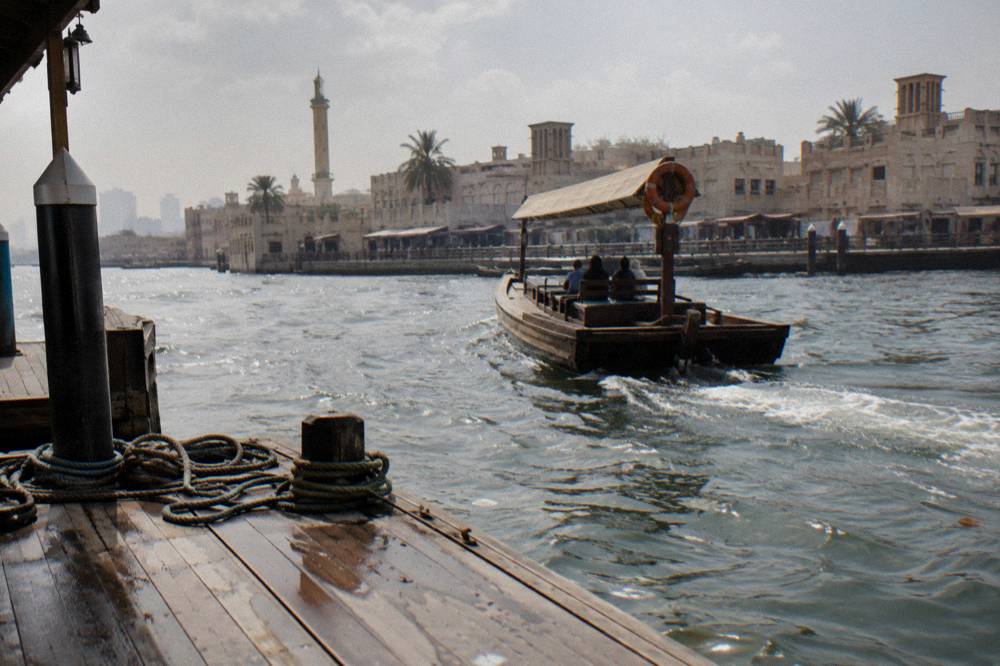
Walking connections between Al Fahidi, Al Seef, the Textile Souk, the abra stations and the Deira souks are all standard and open, with no reported route closures affecting the core circuit. The Al Fahidi Historical Neighbourhood is open for walking daily with free access to its lanes and courtyards, and the Al Seef promenade runs about 1.8 km open daily. The one closure to know about is Al Fahidi Fort, the district's oldest building, closed for restoration since 2021 with reopening preparations reported in late 2026.
Etiquette, Dress And Photography On A Ramadan Walk
Cover shoulders and knees in the souks and heritage areas, ask before photographing anyone, and keep daytime eating and smoking discreet. Tipping stays as it is the rest of the year: 10 to 15 per cent at restaurants per official guidance, with a service charge of up to 10 per cent on many bills. None of this is Ramadan-specific beyond the discretion, but the month raises the stakes on courtesy.
Dress is the first thing a guide will notice about a group. There is no single dress-code law for tourists, but heritage areas, souks and malls all read better with shoulders and knees covered, and in a fasting month the courtesy lands harder. The dress code for walking tours guide covers the details.
| Situation | The Etiquette | Why It Matters More In Ramadan |
|---|---|---|
| Dress in souks and heritage lanes | Shoulders and knees covered. | Respect reads louder in a fasting month. |
| Eating and drinking in public, daylight | Keep it indoors or out of plain view. | Those around you are fasting until sunset. |
| Smoking in daylight | Use designated zones, avoid crowds. | Discouraged out of respect. |
| Photographing people | Ask permission first, always. | Families gathering for iftar deserve extra space. |
| Gahwa or tea offered by a host | Accept with the right hand; shake the cup gently side to side when finished. | Hospitality peaks during the month. |
| Tipping | 10 to 15 per cent at restaurants; check that card tips reach staff. | Unchanged by the month. |
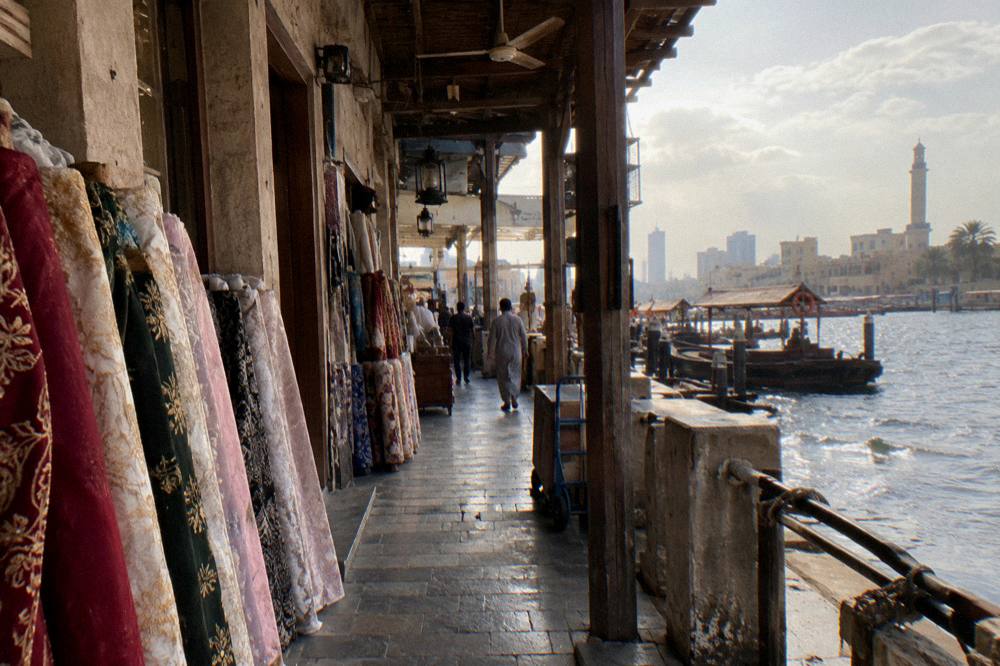
The gahwa etiquette is worth learning before a Ramadan visit in particular, because the small cups of cardamom coffee and the dates that accompany them are the standard opening of hospitality across the month. Accept the cup with your right hand, and when you have had enough, shake the empty cup gently from side to side so your host knows not to refill it.
Booking Questions To Settle Before You Pay
Three details settle every Ramadan booking: the departure time for the fasting month, the meeting point, and the cancellation terms. Operators shift schedules around iftar, listings state their own cancellation windows, and the free-cancellation and pay-later options on many booking pages make a Ramadan booking low-risk if you confirm the timing first. Message the operator with dietary needs before booking, since listings that do not state vegetarian or other accommodations may simply not say.
The dietary point deserves the message, not the assumption. All meat sold and served in Dubai restaurants and markets follows halal rules, with pork only in designated licensed sections, so that side of the question answers itself. Vegetarian, vegan, gluten-free and other needs are different: a listing that does not mention them has not confirmed them, and a Ramadan-period menu is the most flexible thing to check in advance because iftar spreads are large and a guide who knows ahead can steer a vegetarian to the right stalls.
The best time to visit for walking, Ramadan or not, is the December to February window, when daytime highs average 24 to 26 C against summer months far above them; the best time to visit guide works through the calendar. And if your dates fall outside the fasting month entirely, the how to choose between walks guide is the broader comparison of formats, prices and routes.
Common Questions About Food Tours During Ramadan
Can You Join A Guided Food Walk During Ramadan?
Yes. Guided walks in Old Dubai continue through the fasting month, usually with schedules shifted toward the evening. Confirm the Ramadan departure time on the booking page before you pay.
Can Visitors Eat During The Day In Ramadan?
Non-Muslims are not required to fast, and restaurants operate as normal indoors. The local courtesy is discretion: eat at tables indoors and keep street snacking and smoking out of public view until sunset.
What Is Iftar And Why Does It Change Tour Times?
Iftar is the sunset meal that breaks the fast, traditionally opened with dates and Arabic coffee. Tours shift departures later so their food stops land after sunset, when the souks and cafés are busiest.
Do Dubai Food Tours Cost More During Ramadan?
Prices sit on each operator's listing, and this guide does not print numbers the listing does not confirm. The planning value of a walk in Ramadan is that counted, listed tastings replace stall-by-stall spending at iftar prices.
What Should You Wear On A Ramadan Food Walk?
Shoulders and knees covered in the souks and heritage areas. There is no single dress-code law for tourists, but in a fasting month the courtesy carries more weight, so choose the same modest kit you would wear to a mosque district.
Is Alcohol Available During Ramadan?
Visitors over 21 can drink at licensed venues, and public drinking remains prohibited. Some hotel bars adjust hours during the month, so check the venue before you plan an evening around one.