Is Deira A Good Area In Dubai?
Is Deira a good area in Dubai? An honest look at the souks, street food, transport links and reported costs of the city's oldest commercial district, with guided food walk options.
Yes, for most visitors Deira is a good area, with one honest caveat. It is the historic trading heart of the city, holding the Gold Souk, the Spice Souk and the Creek waterfront, all connected by the Green Line of the metro. It is louder and less polished than Downtown or the Marina, and its charm is exactly that: working markets, cheap food, and the Dubai that existed before the skyscrapers.
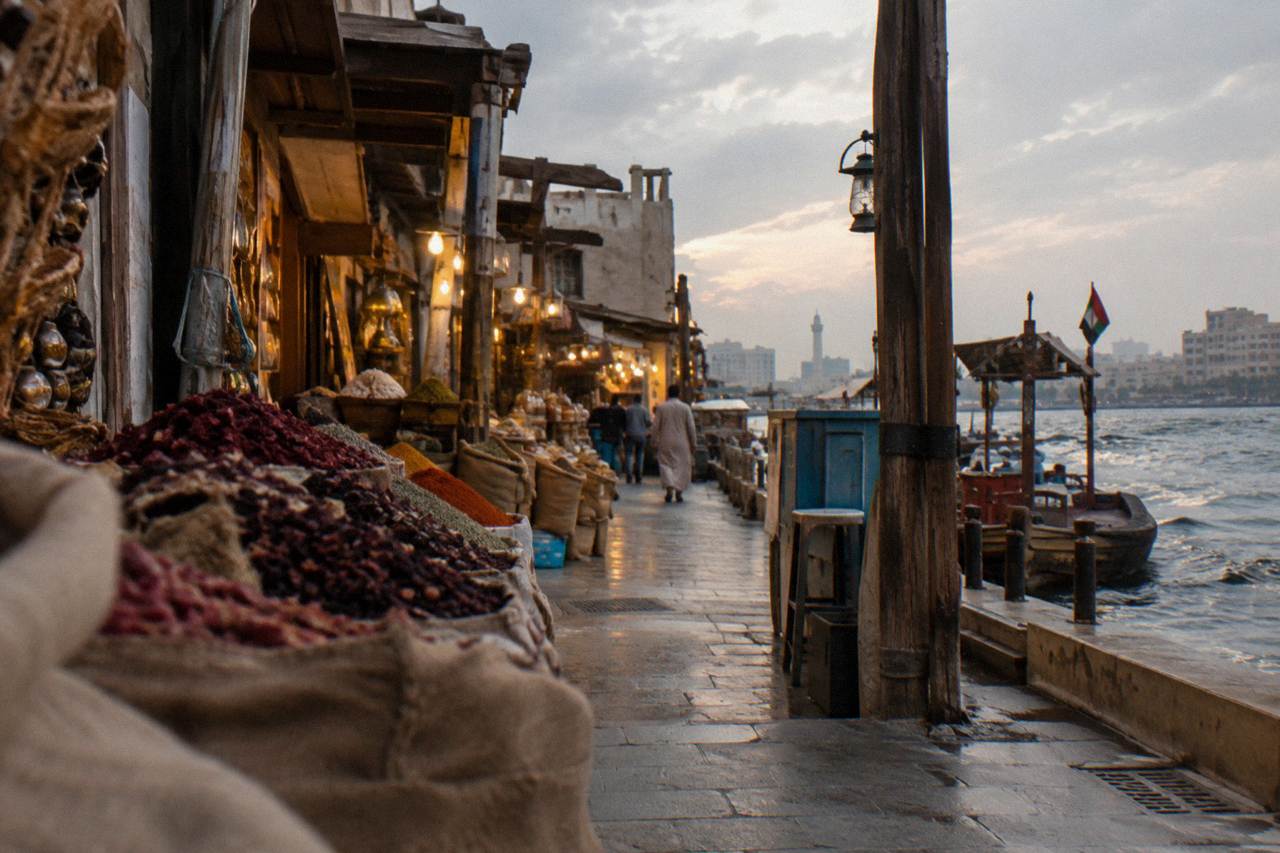
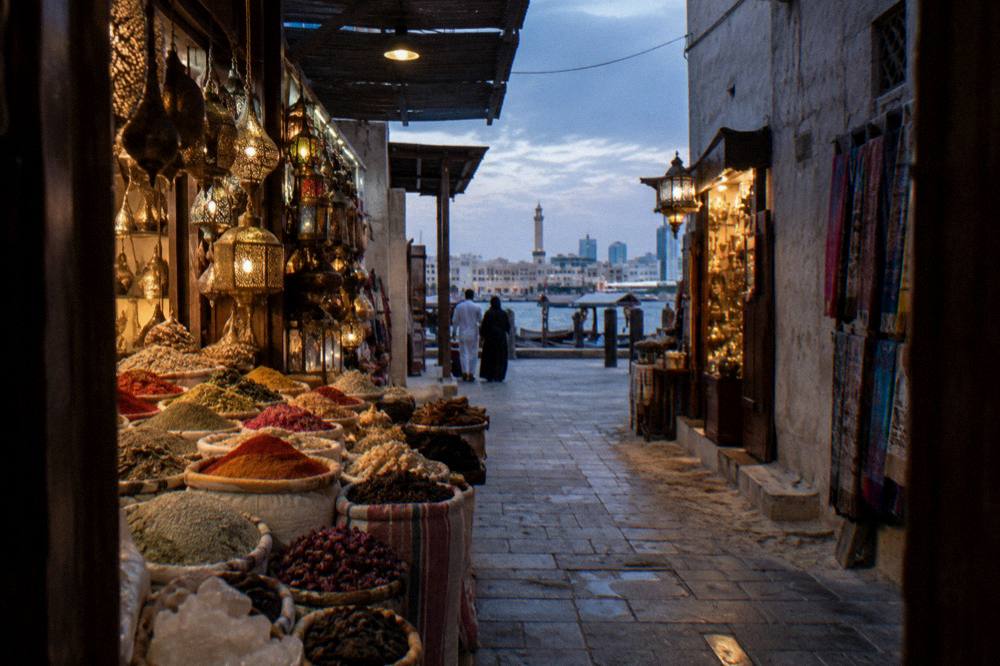
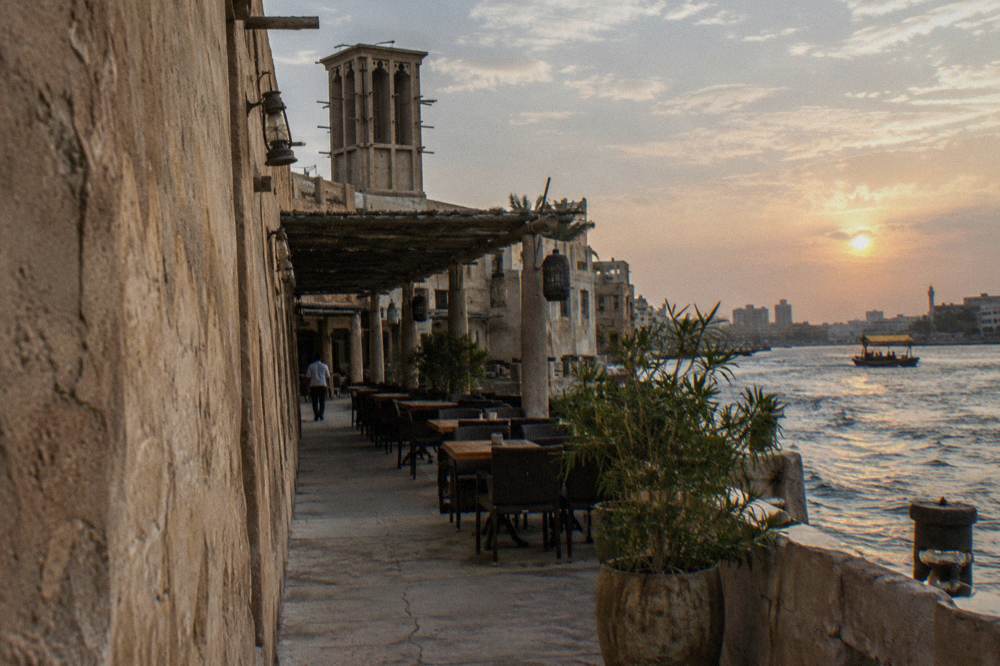
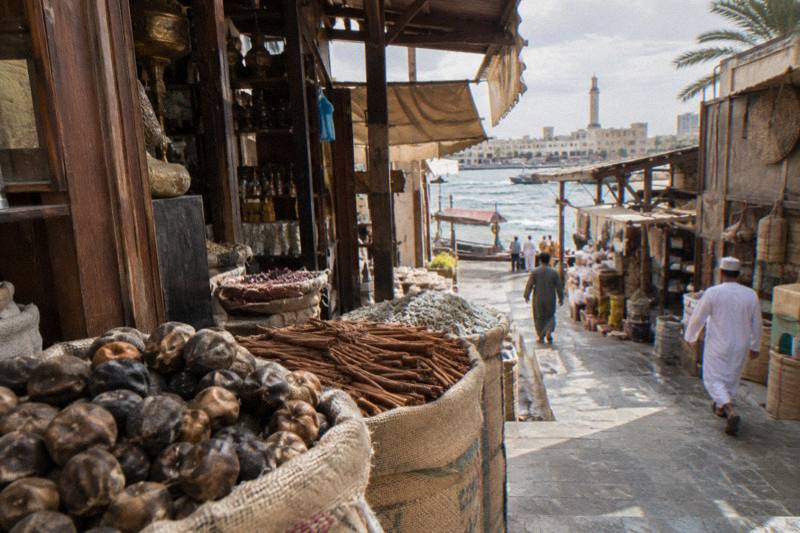
Deira sits on the eastern side of Dubai Creek, facing Bur Dubai. This is where the city did business for generations, and it still does. The Gold Souk alone is a covered market of jewellery shops that, per Visit Dubai figures reported by local guides, mostly open from around 10am to 10pm. The Spice Souk next door is a lane of sacks of cardamom, saffron, dried limes and frankincense, and the surrounding streets hold Iranian, Afghan, Indian, Pakistani and Lebanese cafes that serve some of the cheapest food in Dubai. Before you plan a visit, the guide to bargaining and costs at the Gold Souk explains what to expect and how to pair the market with a food walk through Deira.
The honest caveat is atmosphere. Deira is not the glossy Dubai of hotel beaches and brunch terraces. Sidewalks are crowded, traffic is constant, and the district's appeal depends on enjoying that density rather than escaping it. Travelers who want calm and marble should sleep elsewhere and visit Deira for a half day. Travelers who want markets, street food and the old city should base themselves here and be very happy about it.
The question this article answers is a common one, and the short version is: yes, and it pairs naturally with a guided food walk. Several of the food experiences covered on Dubai Food Tours run through or near Deira, and the area rewards a guide more than most, because the best eating streets are unmarked and easy to walk past. A guide also handles the small negotiations of souk shopping, from spice weights to gold pricing, which first time visitors often find the hardest part of the district. If you are planning a first trip, the guide on what a first timer should eat covers the dishes you will meet here.
What Makes Deira Worth Visiting?
Deira is worth visiting for three concentrated things: the souks, the street food, and the Creek crossing itself. The Gold Souk and Spice Souk sit a few minutes' walk from each other, the metro reaches both directly, and the abra stations on the waterfront connect the district to Bur Dubai in minutes. Almost everything worth seeing sits within a walkable rectangle. Since the Gold Souk is the district's biggest draw, the honest breakdown of Deira Gold Souk pricing explains what actually moves prices there and whether the deals live up to the hype.
“We did a late afternoon tour and it was a great experience. From the beginning our tour guide Hossam made sure we were looked after and had a relaxed manner that easily conveyed information and answered questions. Would recommend.”
Start with the souks, because they are the reason most visitors come. The Gold Souk is the famous one, a covered arcade of hundreds of shopfronts displaying window after window of gold. It is a working wholesale and retail market, not a museum piece, and traders expect browsers as much as buyers. The Spice Souk is the more atmospheric of the two for many visitors, narrow lanes where vendors sell whole spices, incense and dried rose by weight. Reported opening patterns matter for planning: Visit Dubai states most Gold Souk shops open around 10am to 10pm, while the Spice Souk generally runs from before 8am to past 9pm, with many shops closed during the daytime on Fridays and some taking midday breaks. Individual shops vary, so treat those as reported patterns rather than promises.
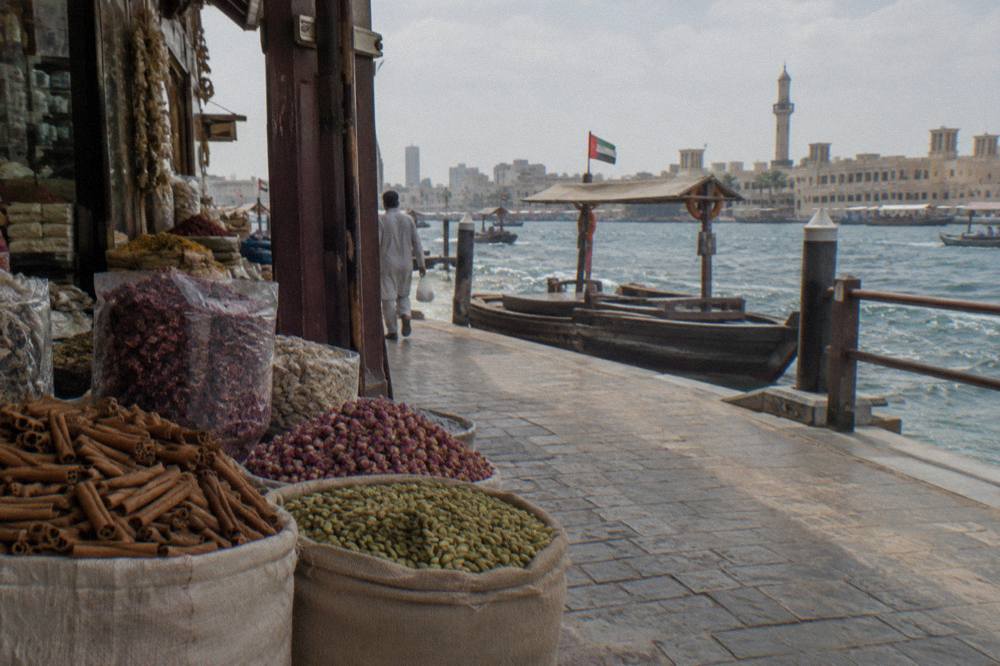
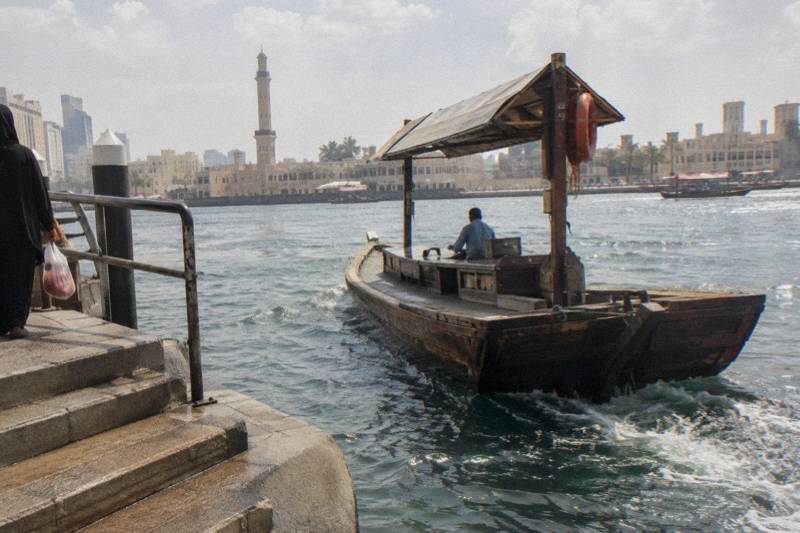
Then the Creek. Deira's waterfront abra stations connect across to the Bur Dubai side, and the RTA lists several commuter abra routes across the Creek, including the CR1 route between Bur Dubai and Deira Old Souq, the CR2 between Dubai Old Souq and Al Sabkha, and further routes connecting Al Seef, Baniyas and Al Fahidi. The crossing itself is one of the oldest experiences in the city, a short boat ride between two halves of old Dubai, and it drops you straight into the heritage lanes of the Bur Dubai side, from the Al Fahidi Historical Neighbourhood to the Al Seef promenade. Do not print or rely on any fare figure for the traditional abra, as sources conflict; check the RTA marine page for the current fare before you ride.
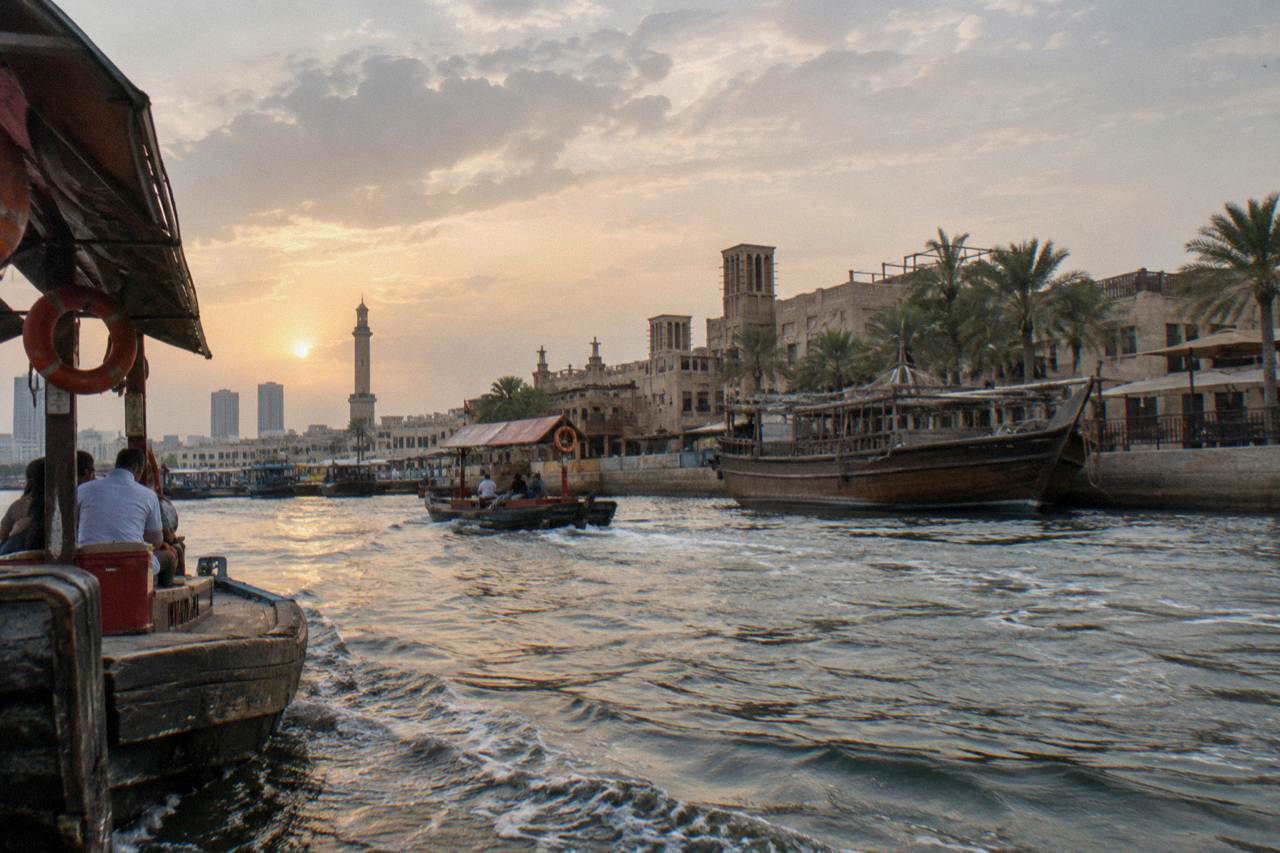
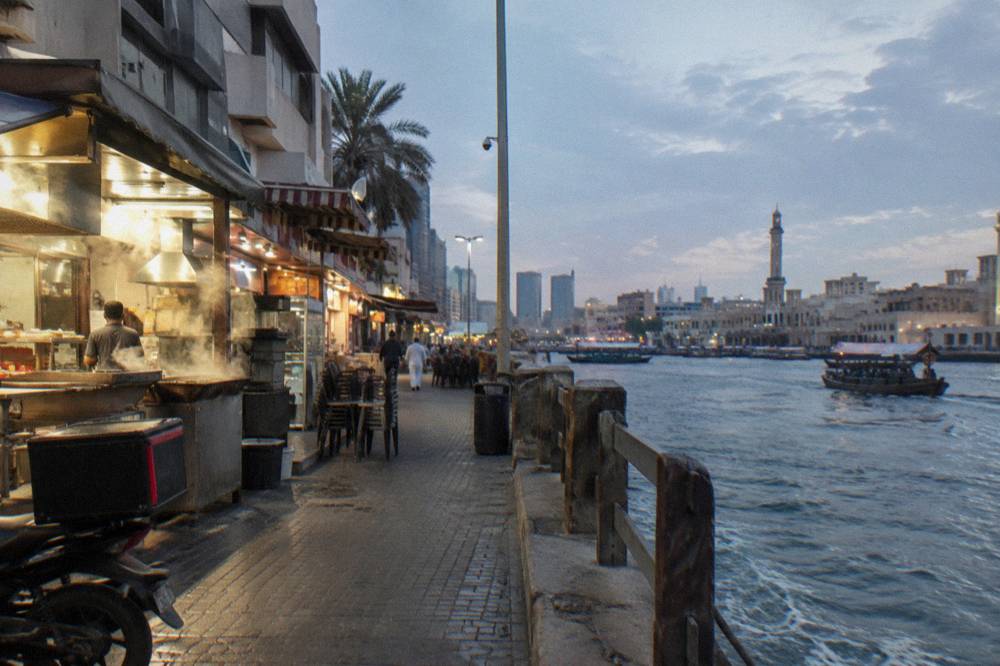
One more thing worth knowing: the area is being actively invested in. Dubai Municipality's Dubai Creek Lights project is underway along roughly 8 km of the Creek, including the Gold Souq promenade, with more than 5,000 lighting units and promenade upgrades, scheduled for completion in Q1 2027. The district is being polished, not replaced, which tells you something about its long term value to the city. For visitors, that means the waterfront walk between the souks and the abra stations is improving as a place to linger in the evening, and the lighting makes the after dark hours, already the best time in the souks, even more of a draw.
“We had a fantastic tour today facilitated by Hossam. He was a very friendly and engaging guide and we found the pace of the tour excellent. I would definitely recommend this activity to others and will likely rebook when other family members visit Dubai.”
A few practical notes will make the visit smoother. The souks are covered but the connecting streets are not, so in the hotter months the early morning and late evening windows line up better with the reported opening hours anyway. Carry some cash in small denominations for the Spice Souk, where vendors sell by weight and a purchase can be as small as a handful of one spice; gold shops are a different affair, with prices quoted per gram and posted daily, so comparing a few windows before you engage is normal practice rather than rude. Photography is generally tolerated in the lanes, but ask before pointing a camera directly at a trader or a shopfront display.
For routing, the walkable rectangle makes a simple loop possible: start at one souk, cross to the other through the lanes between them, then finish at the waterfront for the abra crossing. Doing the crossing in the late afternoon means you arrive on the Bur Dubai side with time to explore before dark, and you can ride back the same way to see the souks lit up. If you would rather not plan the details yourself, a guided food and souk walk covers the same ground with a local who knows which lanes are worth the detour.
What Does Deira Cost Compared To Other Areas?
Deira is among the cheapest areas of Dubai for food, and mid range for hotels. Reported street food prices run from 1 to 15 AED for most single items, a casual cafeteria meal runs 15 to 40 AED per person, and a mid range restaurant meal runs roughly 80 to 150 AED per person. Comparable meals in Downtown or the Marina sit at the top of, or above, those ranges.
The street food figures come from 2026 price reporting for Deira and the surrounding districts, and they are worth seeing side by side:
| Item | Reported price (AED) | Notes |
|---|---|---|
| Karak chai | 1 to 3 at local cafeterias | Cafe versions run higher, one example around 14 |
| Samosa / samboosa | 1 to 5 per piece, 10 to 12 for a bag of about 5 | Common Deira street snack |
| Falafel wrap | 4 to 15 | One reported example at 13 AED |
| Shawarma | 8 to 15 at local spots | Tourist spots run 20 to 40 |
| Casual cafeteria meal | 15 to 40 per person | Biryani or mezze sets |
| Mid range restaurant meal | 80 to 150 per person | Mains often 40 to 80 |
All of those are reported local prices, not tour prices, and they move; check the current bill when you arrive. The gap between the local and tourist shawarma prices is the clearest signal in the table: the same item more than doubles once you leave the neighborhood cafeterias, which is why staying inside Deira's back streets pays off at meal times.
Add the standard extras: restaurants commonly add a 10 per cent service charge, which is venue retained rather than a mandatory government fee, plus 5 per cent VAT, and some hotel affiliated venues add a 7 per cent municipality fee. Tipping is voluntary; Visit Dubai's guidance suggests 10 to 15 per cent in restaurants if you choose to tip, and smaller amounts in cafes. Most card terminals let you add a tip, but it is worth checking with the waiter that the amount reaches staff rather than the venue, as the official tipping guidance notes.
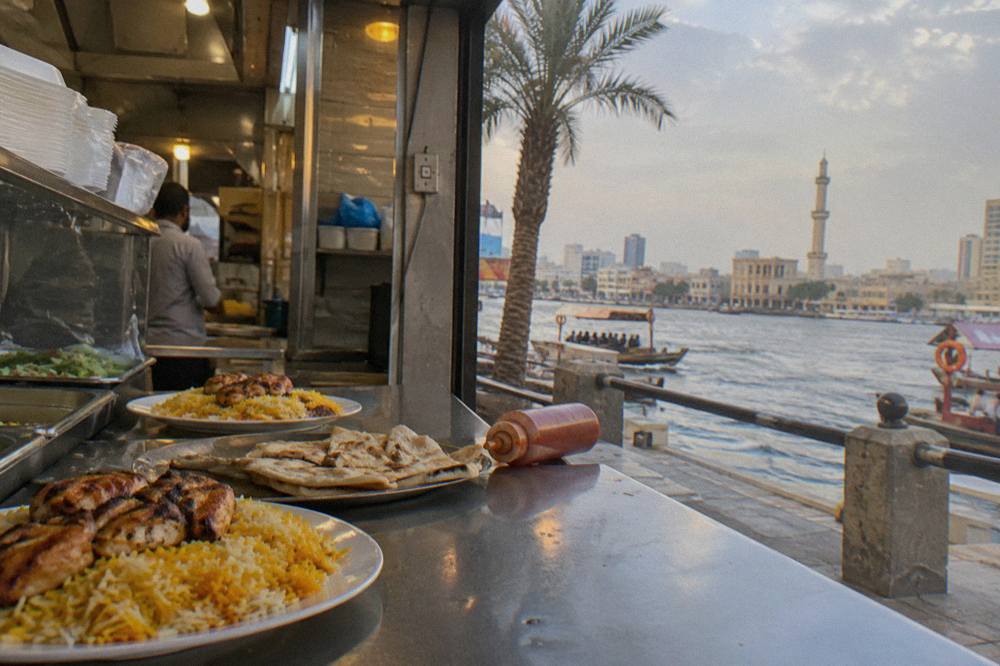
For context on the wider city, the guide to Dubai food prices and meal costs breaks down what a meal costs across neighborhoods. The short version: Deira is where the low end of those ranges lives. The budget question is covered in more depth in free and cheap things to do in Dubai, which includes the souks and Creek views among the free sights.
Is Deira Safe And Easy To Reach?
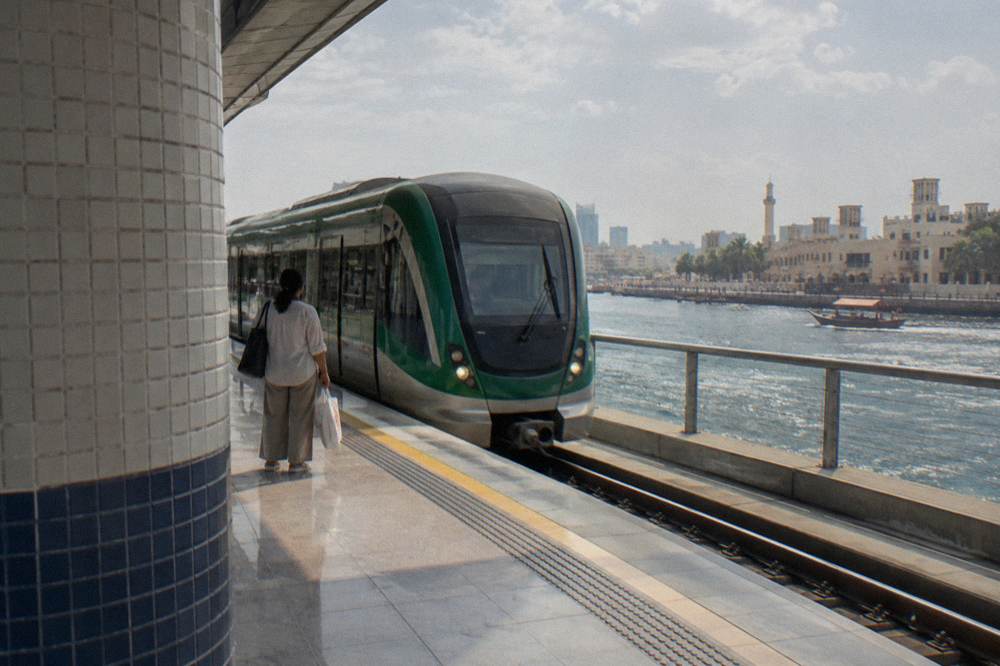
Deira is a normal, safe, working district, and it is one of the best connected areas in Dubai by metro. The Green Line runs directly through it, with Baniyas Square, Gold Souq and Al Ras stations all serving the souk area, and Union station shared with the Red Line. Taxis start at a reported AED 5 during daytime hours. Standard city precautions apply, nothing more.
The metro is the practical answer to reaching Deira. The RTA's official Green Line station list includes Union (an interchange with the Red Line), Baniyas Square, Gold Souq and Al Ras, all within walking distance of the souks. The Nol card, the reloadable smart card for metro, tram and buses, costs AED 25 for an anonymous Silver or Gold card including initial credit, per the RTA's fare page. Metro operating hours per the RTA timetable are 5am to midnight Monday to Thursday and Saturday, 5am to 1am the next day on Fridays, and 8am to midnight on Sundays. That Friday morning start matters if you plan an early souk visit, since the first trains do not run until 8am.
On safety, there is nothing unusual to report about Deira specifically. It is a busy commercial district with heavy foot traffic late into the evening. The etiquette notes that apply to heritage districts apply here: cover shoulders and knees around the souks, ask permission before photographing individuals, especially Emirati women and families, and note that all meat served in restaurants and markets in Dubai is halal, with pork sold only in designated licensed sections. Alcohol is served only at licensed venues, and drinking in public places outside licensed venues is not allowed. The full picture is in the guide on alcohol and pork on a Dubai food tour.
Weather is the one planning variable worth taking seriously. December to February offers the lowest average daytime highs for walking Old Dubai, 24 to 26 °C per NCM derived normals for the airport station, with December's mean daily range around 17 to 26 °C. Summer walks are possible but early morning or evening timing matters; the guide on Dubai food tours in summer heat covers that trade off in full.
What Food Experiences Run Through Deira?
Deira sits at the center of most Old Dubai food routes. Guided options range from a 3 hour private walk with 12 tastings alongside local hosts, to a 3 hour walking tour of the souks, museums and local food, to a VIP 3 hour experience with more than 7 tastings and Burj Khalifa access. Prices and current schedules are on each operator's booking page. To see how a guided food walk fits into a full week's spending, the breakdown of a seven day Dubai trip budget covers meals, transport, and tour costs in one place.
The private option is the one most Deira researchers end up comparing. The private food tour with 12 tastings runs 3 hours with local hosts, and the listing describes tastings across the old city's food streets rather than a single restaurant meal. Because it is private, the pace flexes around what you want to linger on, which suits Deira's dense, stop heavy layout. The meeting point, inclusions and the per person price are on the booking page, and it is worth checking the cancellation terms there before committing; the details vary by date and group size.
The souks and museums walking tour is the budget conscious alternative: 3 hours covering the souks, museums and local food testing, per the listing. It trades the private format and the tasting count for a lower price point and a group walk, and for many first visitors that trade is the right one. Check availability if that format fits; the tour has its own page with the full route description.
At the other end of the range, the VIP food tour runs 3 hours with more than 7 tastings and access to the Burj Khalifa, pairing the old city's food with the skyline view that most Deira visitors also want. It is a different proposition from a souk walk, part meal, part sightseeing, and the listing carries the current price and inclusions.
One planning note that applies to all of them: dietary needs. Listings do not universally describe themselves as vegetarian or gluten free, so if that matters, message the operator before booking rather than assuming. The guide on vegetarian and dietary needs on a Dubai food tour covers what to ask.
“Be prepared to receive historical information, learn about the culture, eat, and shop with Mohammad. This is a must-try when visiting Dubai. Wear comfortable walking shoes and bring a mini hand fan…you’ll thank me later for this tip. Thank you Mohammad for a great experience!!”
Should You Stay In Deira Or Just Visit?
Stay in Deira if cheap eating, walkable souks and metro access matter more than poolside polish; visit for a half day if they do not. Hotels here sit at the low to mid end of Dubai's range, the Green Line connects you to Downtown in minutes, and every guided walk in the area starts within walking distance. The trade is noise and older buildings, which some travelers count as the point.
The case for staying is efficiency. Deira's souks, the Creek waterfront and the abra stations are all walkable from a central Deira base, and the Green Line's Union interchange puts the Red Line and Downtown within a short ride. Evening is when the district is at its best, the souks lit, the cafes full, and staying in the area means you get that hour without a taxi back. It also means breakfast options like karak and a fresh samosa are a two minute walk from the lobby rather than a trip across the city.
The case against is comfort. Deira's hotel stock is older and more business oriented than the beach districts, and the streets do not quiet down early. If your trip is short and centered on Downtown, Jumeirah or the Marina, a half day in Deira, ideally with a guided walk, captures the food and the souks without relocating. The comparison is laid out in the guide on where to stay in Dubai for Old Dubai food. Before you go, check what a hundred dirhams actually buys, since the guide to what 100 AED gets you in Dubai prices out street food, transport and souvenirs in Old Dubai terms.
Common Questions About Deira
Is Deira A Good Area In Dubai?
Yes, for most visitors. Deira holds the Gold Souk, the Spice Souk and the Creek waterfront, is served directly by the Green Line metro, and offers some of the cheapest reported food prices in the city. It is busier and less polished than Downtown or the Marina, which is either its charm or its drawback depending on what you want from a trip.
Is Deira Safe For Tourists?
Yes. Deira is a normal, busy commercial district with heavy foot traffic into the evening. Standard city precautions apply. Cover shoulders and knees around the souks, ask before photographing individuals, and keep in mind that alcohol is served only at licensed venues, not in public places.
How Do I Get To Deira From Downtown Dubai?
The Green Line runs directly through the souk area, with Baniyas Square, Gold Souq and Al Ras stations serving the markets, and Union station interchanging with the Red Line. A Nol card costs AED 25 including initial credit. Taxis are also plentiful, with a reported starting fare of AED 5 during daytime hours.
What Food Is Deira Known For?
Street food above all: shawarma, falafel, samosa, karak chai and luqaimat, served from Iranian, Afghan, Indian, Pakistani and Lebanese cafes around the souks. Reported prices run from 1 to 3 AED for karak to 8 to 15 AED for a local shawarma. Guided food walks through the area add counted tastings and a route through the unmarked best stops.
When Is The Best Time Of Day To Visit The Souks?
Evenings are the busiest and most atmospheric, with most Gold Souk shops reported open until around 10pm. The Spice Souk is reported to open before 8am and run past 9pm, but many shops close during daytime on Fridays and some take midday breaks. Check individual shop hours on arrival, as patterns vary.
Is Deira Cheaper Than Downtown Dubai?
For food, clearly yes. Reported casual meals in Deira run 15 to 40 AED per person and mid range restaurant meals around 80 to 150 AED, at or below the bottom of comparable Downtown ranges. Add the standard 10 per cent service charge and 5 per cent VAT where they apply. Hotels in Deira also sit at the low to mid end of the city's range.