Which Area In Dubai Is Best To Stay For Tourists?
Which area in Dubai is best to stay for tourists? A plain comparison of Old Dubai, Downtown, the Marina and the beaches for food-first travellers, with transport facts and walking times.
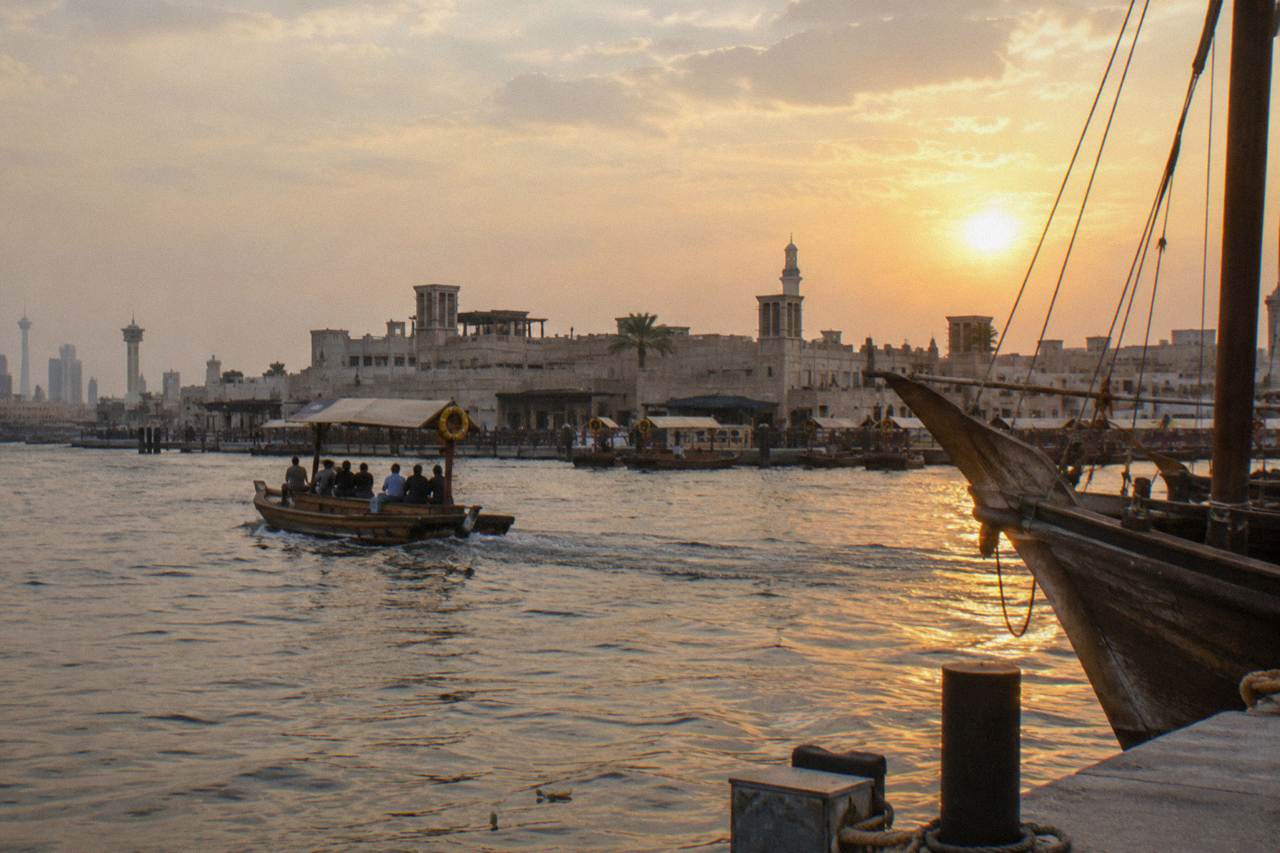
For most first-time visitors the best area to stay in Dubai is either Old Dubai, around Al Fahidi and Al Seef, or Downtown Dubai near the Burj Khalifa. Old Dubai wins for food, souks and heritage walks on foot; Downtown wins for the skyline, the fountain shows and fast metro links. Beach seekers should look at JBR or the Marina, about 30 minutes from the historic centre.
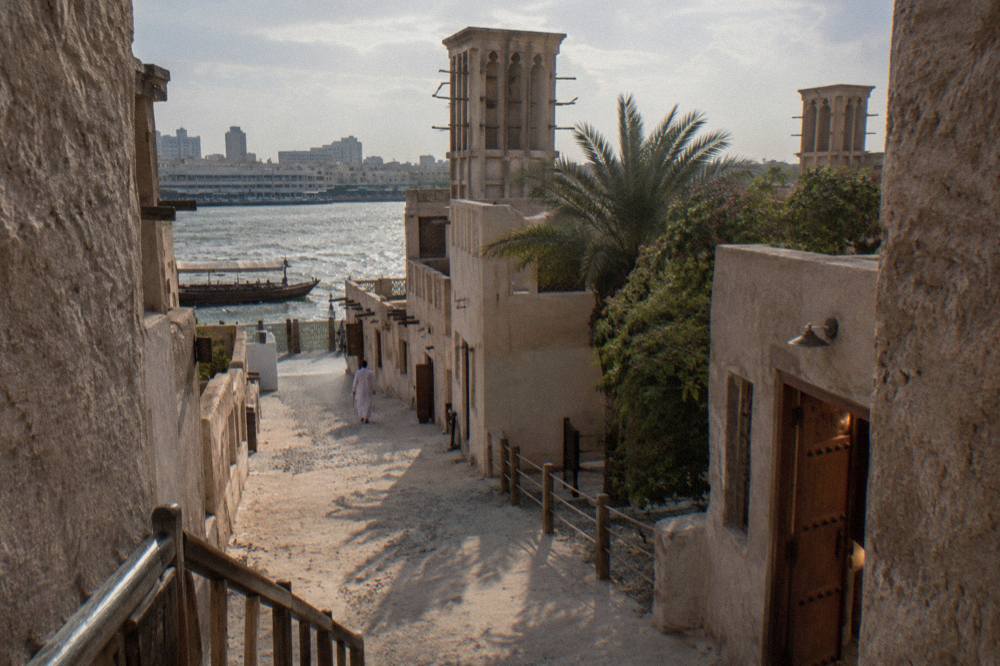
Both choices work, but they produce completely different trips. Staying in Bur Dubai puts the Textile Souk, the Al Fahidi Historical Neighbourhood and the Creek within a short walk of your hotel, and the Deira souks sit one short abra crossing away. Staying in Downtown puts you beside the Dubai Mall and the Burj Khalifa instead, with a metro ride of roughly 15 to 20 minutes to the historic districts. Neither is wrong. The mistake is assuming Dubai is one compact city, because it is not: it is a chain of districts strung along a metro line, and your base decides how much of each day you spend in transit.
Food matters in this decision more than most guides admit. The shawarma stalls, karak cafeterias and Emirati kitchens worth travelling for cluster in Bur Dubai and Deira, and the guided food walks that visit them start from meeting points in exactly those districts: Al Khayma Heritage Restaurant in Al Fahidi, Al Ras Metro Station exit 2 in Deira, the Al Seef Heritage Hotel entrance. If eating well is the point of the trip, a base in Old Dubai saves you two crossings a day.
For travellers who want a guided introduction to that food rather than self-navigation, the Dubai Half-Day Street Food Tour covers Old Dubai with a guide over about 4 hours, and the listing details the current price and meeting arrangements. Two private alternatives suit families or small groups who want the same idea at their own pace: the Private Food Tour with 10 Tastings, which pairs you with a local host, and the 12-tastings version for groups that want a longer table. Prices for all three are on the operator's live listing, since they vary by date and group size.
The differences come down to pace and how much of the meal is guided conversation versus independent wandering afterwards.
A practical way to decide between the two bases is to look at where your evenings will end. If you plan to be at the Dubai Mall and the fountain shows after dark, staying in Downtown means you walk back to your hotel rather than riding the metro at the end of the night. If your evenings run toward the souks, the Creek and the food stalls of Bur Dubai and Deira, the reverse applies, and a base in Old Dubai keeps you close to where the day actually finished.
The beach districts work best as a second stop rather than a first base. Because JBR and the Marina sit about 30 minutes from the historic centre, splitting a longer trip between a few nights in Old Dubai or Downtown and a few nights on the coast gives you both the heritage walks and the beach without daily cross-city travel. For a short first visit, though, one base beside the metro line keeps every district reachable and keeps transit time to the minimum.
Where Should Food Lovers Stay In Dubai?
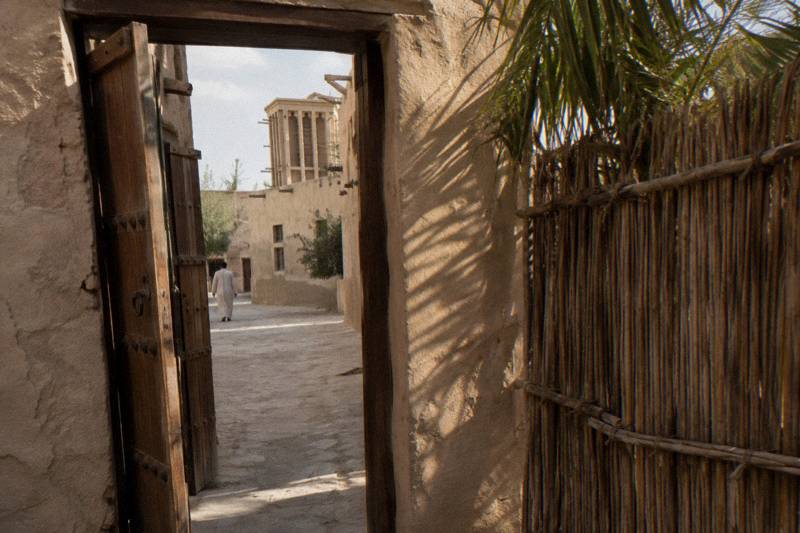
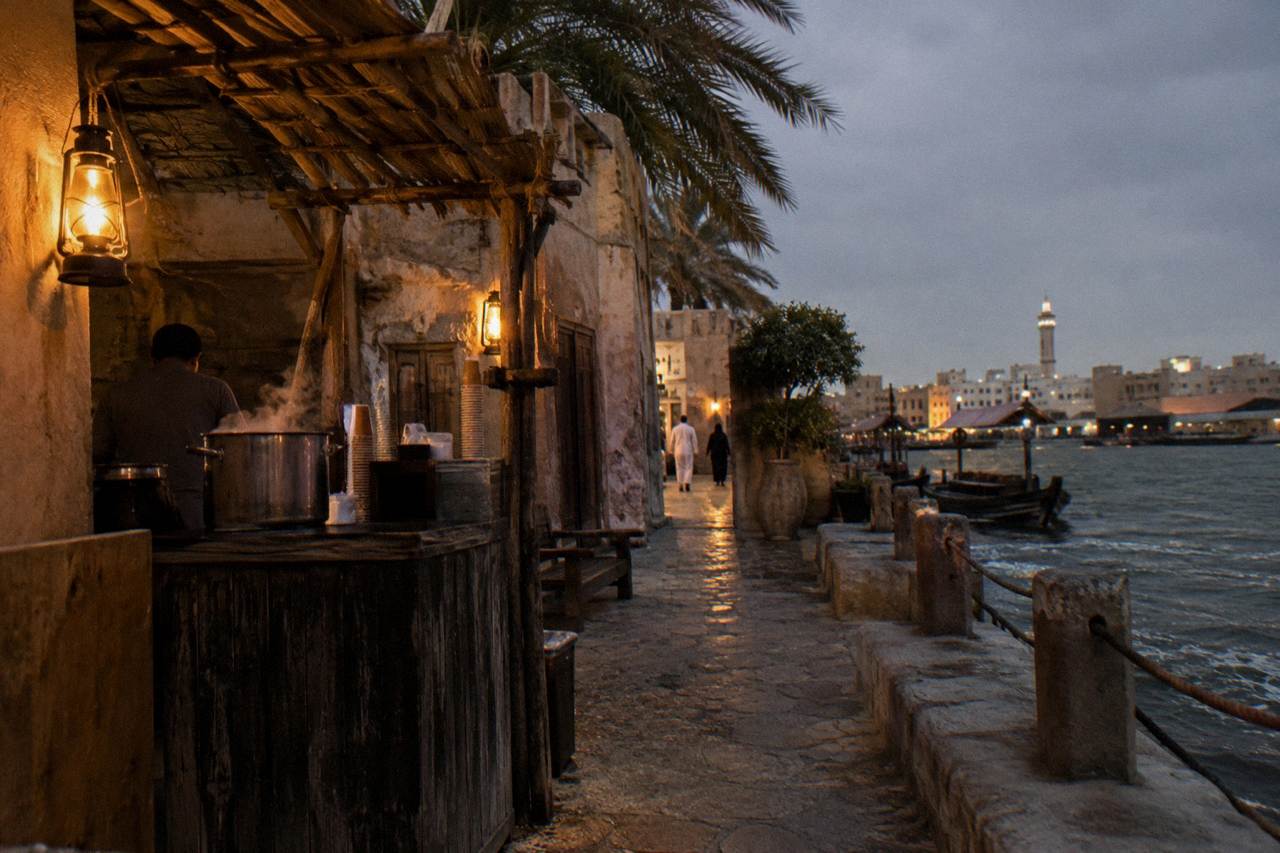
Food-first travellers should stay in Bur Dubai or Deira, the two districts that make up Old Dubai. Al Fahidi, Al Seef and the Textile Souk sit on the Bur Dubai side of the Creek, while the Spice Souk and Gold Souk sit in Deira across the water. A hotel within walking distance of either side puts the city's best cheap eating and every major food walk start point at your feet.
Old Dubai is where the city's food culture actually lives. The reported street prices tell the story: shawarma at around 8 to 15 AED at local spots, falafel wraps from around 4 to 15 AED, karak chai at 1 to 3 AED from neighbourhood cafeterias, and samosas at roughly 1 to 5 AED each. A casual Emirati or Levantine cafeteria meal runs about 15 to 40 AED per person, reported in 2026 data, against roughly 80 to 150 AED per person in a mid-range restaurant. Staying near those cafeterias means breakfast costs pocket change.
There is a cultural layer too. The Sheikh Mohammed Centre for Cultural Understanding in Al Fahidi runs 1.5-hour cultural meals with Emirati hosts, with reported prices of AED 130 for breakfast, AED 145 for lunch, AED 150 for a tea-time fuala and AED 160 for dinner, booking required. That programme sits inside the Al Fahidi Historical Neighbourhood, which Dubai Culture lists as open 7am to 8pm with free access to its lanes and courtyards. A hotel in Bur Dubai puts all of it within a walk.
The box above is worth a look if you want the Old Dubai food scene decoded on day one. The half-day street food format runs with a guide who handles the ordering and explains each dish, and the listing states its cancellation terms before you pay.
One caveat on the heritage side: Al Fahidi Fort, which houses Dubai Museum, has been closed for a major restoration since 2021, with 2026 reports indicating preparations for a reopening in the coming weeks or months. Anyone booking a stay around museum visits should check the current status rather than assuming it.
What Does Each Area Of Dubai Offer Visitors?
Downtown Dubai delivers the skyline, the Dubai Mall and the fountain; the Marina and JBR deliver beach and waterfront dining; Deira and Bur Dubai deliver souks, street food and heritage lanes; Al Seef delivers a polished heritage-waterfront mix. Business Bay suits long stays, and the beach hotels along Jumeirah suit resort travellers who accept a drive to Old Dubai.
The table below compares the districts tourists actually weigh up. Distances are travel-time realities, not marketing copy: Dubai's districts are far apart, and the metro is the honest way to judge them.
| Area | Best for | Food character | Getting to Old Dubai |
|---|---|---|---|
| Bur Dubai / Al Seef | Heritage walks, food tours, souks | Street food, Emirati kitchens, cafeterias | You are already there |
| Deira | Souk shopping, old-city eating | Spice Souk, Gold Souk, shawarma and karak stalls | Same district, abra crossing to Bur Dubai |
| Downtown Dubai | Skyline, Dubai Mall, fountain shows | Mid-range to fine dining, mall food courts | Roughly 15 to 20 minutes by metro |
| Dubai Marina / JBR | Beach, promenade, nightlife | Waterfront restaurants, higher price tier | Around 30 minutes by metro |
| Business Bay | Modern apartments, longer stays | New restaurants, brunch culture | Metro plus a short transfer |
| Jumeirah beaches | Resort stays, quiet | Hotel dining, beach clubs | Taxi or metro plus transfer |
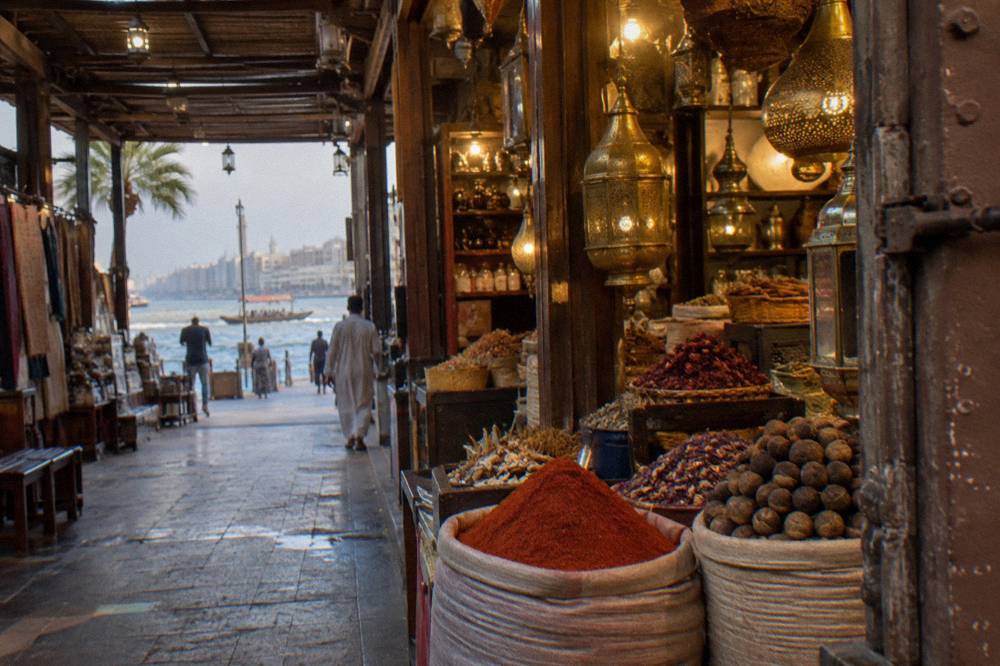
The trade-off is simple. The Marina is pleasant and photogenic, but nothing in it explains Dubai; the lanes of Al Fahidi and the souk stalls of Deira do. Travellers who stay beachside and take one guided food day in Old Dubai get a reasonable version of both, and the Dubai Old Town, Souks, Street Food, Guided Tour and Abra Ride is built for exactly that: a 3 to 4 hour loop that covers the souks, the street food and a Creek crossing in one guided block, with the price and inclusions on the live listing.
That guided loop suits beach-based visitors especially well, since it compresses the Old Dubai essentials into a single half-day with a guide handling the route.
How Does Getting Around Affect Where You Stay?
The Dubai Metro's Red and Green lines decide most of your travel times, so a hotel near a metro station beats a hotel near a landmark. The Green Line serves Old Dubai directly, with stations at Baniyas Square, Gold Souq, Al Ras and Sharaf DG for the Al Fahidi area, while the Red Line links Downtown and the Marina. A Nol card costs AED 25 including initial credit.
The station geography is worth knowing before you book. Sharaf DG serves the Al Fahidi area; Baniyas Square, Gold Souq and Al Ras sit in Deira beside the souks; BurJuman is the interchange between the lines. The RTA's official metro map lays out the full station list, and it is the single most useful planning page for choosing a hotel: the RTA metro stations map. The Nol card details, including the AED 25 anonymous card price and the AED 1,000 maximum balance, come from the RTA's Nol card page.
Metro hours matter for evening plans. The RTA timetable lists Monday to Thursday and Saturday as 05:00 to 24:00, Friday as 05:00 to 01:00 the next day, and Sunday as 08:00 to 24:00. A late dinner in Deira followed by a metro ride back to the Marina is realistic on a Friday, tighter on a weeknight.
Taxis fill the gaps. The RTA lists road-pickup starting fares of AED 5 between 06:00 and 22:00 and AED 5.5 overnight for regular and family taxis, reported as of 2026 data. For a family of four, a taxi often costs close to four metro fares for short hops, which makes a metro-adjacent hotel less essential for groups than for solo travellers.
One more transport fact shapes an Old Dubai stay: the Creek crossings. The RTA operates traditional commuter abra routes including CR1 between Bur Dubai and Deira Old Souq, CR4 between Al Sabkha and Al Fahidi, CR5 between Al Fahidi and Deira Old Souq, and CR6 between Al Seef and Baniyas. The fare is paid at the dock; check the RTA page for current details. A hotel near any of those docks turns the crossing into a two-minute commute between the two halves of Old Dubai.
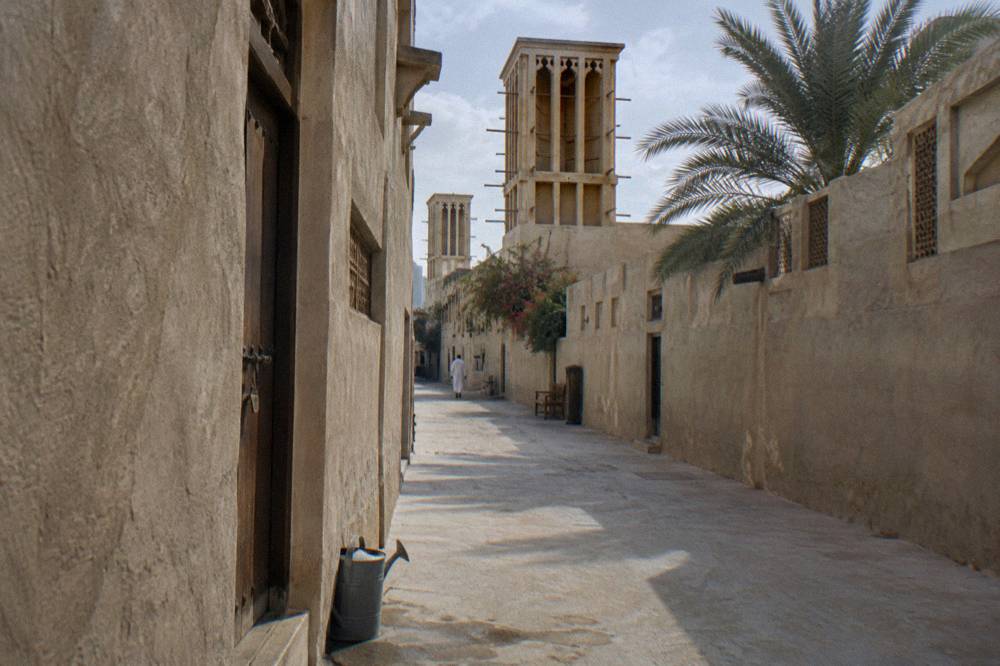
What Does A Day In Old Dubai Look Like From A Local Base?
A Bur Dubai or Deira base lets you walk the whole historic core without a car: morning karak and a heritage-lane wander in Al Fahidi, souk browsing before the midday heat, an abra crossing to Deira, and an evening guided food walk finishing near your hotel. The 1.8 km Al Seef promenade is free to walk and open daily.
The rhythm of a day matters as much as the district list. Mornings are for walking: December mean temperatures run about 26.5 °C daily maximum and 17.3 °C minimum at the airport station, with January slightly cooler at 24.4 °C and 15.3 °C, so the heritage lanes are comfortable before noon. Souk hours shape the afternoon: Visit Dubai reports Gold Souk shops mostly open around 10am to 10pm, while Spice Souk traders open earlier than 8am, run past 9pm, and close during the daytime on Fridays, with many taking midday breaks. Plan souk time for late afternoon or evening rather than midday.
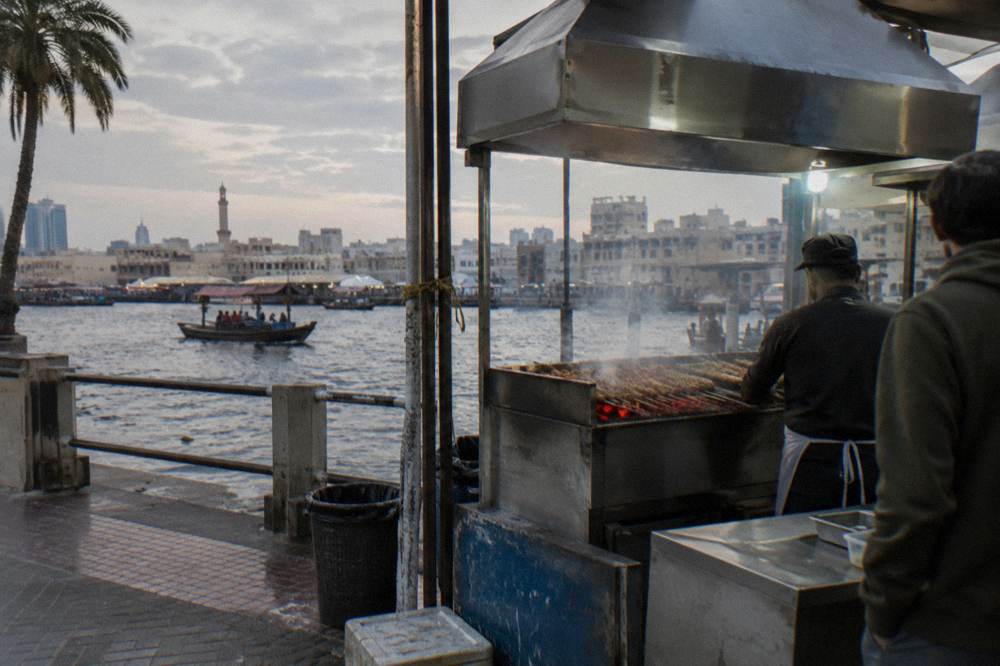
Evening is when the food walks run, and this is where a local base pays off twice: you start fed and you finish near your bed. The Dubai VIP Food Tour with 7+ Tastings and Burj Khalifa Access takes the opposite approach, pairing tastings with skyline access for travellers who want dinner and the view in one booking; the listing carries the current price and the full inclusion list.
That skyline-and-tastings format suits Downtown-based visitors best, which is the point: the right tour format follows from the right base, not the other way round.
When Is The Best Time To Stay And Walk In Dubai?
December to February is the best window for a walking-first stay, with reported mean daytime highs of 24 to 26 °C and mid-December sunrise around 06:57 and sunset around 17:32. March warms to about 28.9 °C daytime highs, still walkable, while summer makes Old Dubai's unshaded lanes a morning-only proposition.
Winter light matters for planning. A mid-December day gives roughly 10 and a half hours of daylight, with the sun setting near 17:32, so evening food walks start under lights, and the souks' late hours, most shops to 10pm, fit inside it. January shifts sunset to around 17:51. If you book a stay outside these months, plan the outdoor hours before 10am and after 5pm and keep the middle of the day for malls, museums and meals indoors.
Ramadan changes the texture rather than the availability of food. Non-Muslims are not required to fast, and restaurants operate as normal, though etiquette suggests discretion when eating outdoors during daylight fasting hours. 2026 Ramadan ran roughly 18 February to 19 March; exact 2027 dates depend on lunar sighting and are not yet published, so check official pages before booking a February or March stay. The Sheikh Mohammed Centre adjusts its dinner programme to iftar during Ramadan, which is worth knowing for a cultural-meal booking.
Dress and etiquette are minor but real planning items for heritage districts: cover shoulders and knees in souks and heritage areas, and always ask before photographing individuals, especially Emirati women and families. Alcohol rules are simple to state: visitors over 21 may drink at licensed venues only, and drinking in public outside licensed venues is not allowed. None of this restricts a food walk; Old Dubai's food culture runs on karak, not cocktails.
How Do You Match The Area To Your Trip Length?
For a stay of two or three nights, pick one base and stay in it: Old Dubai for food, Downtown for the skyline. For four to seven nights, split the trip, two or three nights Downtown or Marina followed by two or three in Bur Dubai, or keep one base beside a metro interchange and accept the rides. Splitting beats a single beach base for any trip where food is a priority.
Short trips punish transit. A two-night stay in the Marina with a food-first agenda means two round trips to Old Dubai, each around 30 minutes by metro each way, which quietly costs half a day. The same two nights based in Bur Dubai cost nothing in transit and put the evening food walks a few minutes from your hotel.
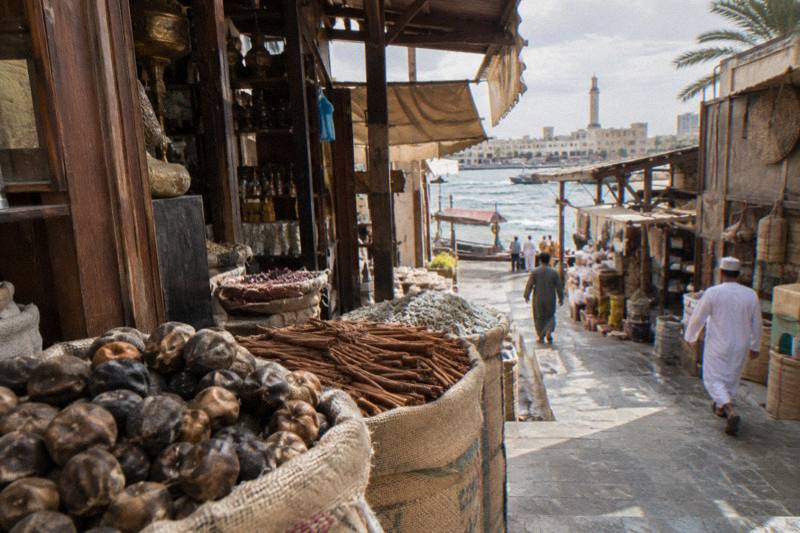
Longer trips can afford both worlds, and the guided formats scale with them. A half-day guided street food walk on day one, then independent eating once you know the lanes, is the pattern most food-first travellers land on. The Dubai Half-Day Street Food Tour is the natural first-day booking for that pattern, with its meeting point and inclusions stated on the booking page.
For travellers weighing the budget side of a longer stay, the cost clusters are documented in our guide to what a meal costs in Dubai. The short version: an Old Dubai base and cafeteria eating keep daily food costs in the tens of dirhams, while a Marina base with waterfront dining pushes them into the hundreds. Whatever your base, Dubai Food Tours covers the districts, the dishes and the guided walks in one place.
Whichever area wins, the guided formats above are the fastest way to learn it: one half-day with a local turns a district of anonymous stalls into a map you can read for the rest of the trip.
Common Questions About Where To Stay In Dubai
Which Area In Dubai Is Best To Stay For Tourists?
Old Dubai, around Al Fahidi, Al Seef and the Textile Souk, is best for food and heritage; Downtown Dubai is best for the skyline and mall; the Marina and JBR suit beach-focused stays. Food-first travellers get the most from a Bur Dubai or Deira base.
Is It Better To Stay In Downtown Or Old Dubai?
Downtown suits a skyline-and-shopping trip with metro rides to the historic districts, roughly 15 to 20 minutes. Old Dubai suits a walking trip built around souks and street food, where every food walk meeting point is within a short walk.
Can You Walk Everywhere In Old Dubai?
Yes, the historic core is compact and pedestrian-friendly. The Al Fahidi Historical Neighbourhood is open 7am to 8pm with free access, the Al Seef promenade runs about 1.8 km, and the Deira souks sit across the Creek, a short abra ride from the Bur Dubai docks.
What Is The Cheapest Area To Stay And Eat In?
Deira and Bur Dubai have the cheapest eating, with reported shawarma at 8 to 15 AED, karak chai at 1 to 3 AED and casual cafeteria meals at 15 to 40 AED per person. Hotel prices vary by season, so compare rates for your dates directly.
How Far Is The Marina From Old Dubai?
Around 30 minutes by metro, changing between the Red and Green lines, or longer by taxi depending on traffic. It is a manageable day trip but a poor base if Old Dubai food is your daily priority.
Do Food Tours In Dubai Depend On Where You Stay?
Most Old Dubai food walks start from meeting points in Al Fahidi, Al Seef or Deira, so a nearby base removes all travel stress. Beach or Marina visitors can still join by planning the metro ride, and tour pages state each meeting point before you book.