Dubai Chocolate And Sweet Treats Guide
Dubai chocolate became a global search term almost overnight, but the city's sweet story started centuries earlier with luqaimat, fresh rutab dates and cardamom-scented gahwa. This guide separates the viral bar from the traditional plates, explains what each costs as reported, and shows which guided walks reach the best of both.
Short answer
Dubai chocolate is a pistachio-filled chocolate bar that went viral online, sold at varying prices you must check before travelling. Traditional Emirati sweets include luqaimat, reported at 10 to 18 AED, fresh dates from around 15 AED per kilogram, and karak chai at 1 to 3 AED. A dessert-minded guided walk through Old Dubai reaches both worlds in one route.
What Is Dubai Chocolate And Why Is Everyone Asking For It?
Dubai chocolate refers to a filled chocolate bar, typically milk chocolate stuffed with a pistachio and kadayif filling, that spread across social media and turned into a travel souvenir hunt. It is a modern product, not a traditional Emirati sweet, and it sits beside a much older dessert culture of luqaimat, dates and saffron pancakes. Prices and availability shift constantly, so treat any figure you see online as something to confirm before travelling.
The bar itself is a recent invention. Its fame came from short videos showing the crunchy pistachio filling being cut open, and demand quickly outran supply, with queues, resales and imitations following. That fame is real, but it is a fame of the internet age, roughly a decade or two younger than the souks that sell it. Visitors arriving with the bar on their list often discover that the traditional sweets beside it have far deeper roots in the city.
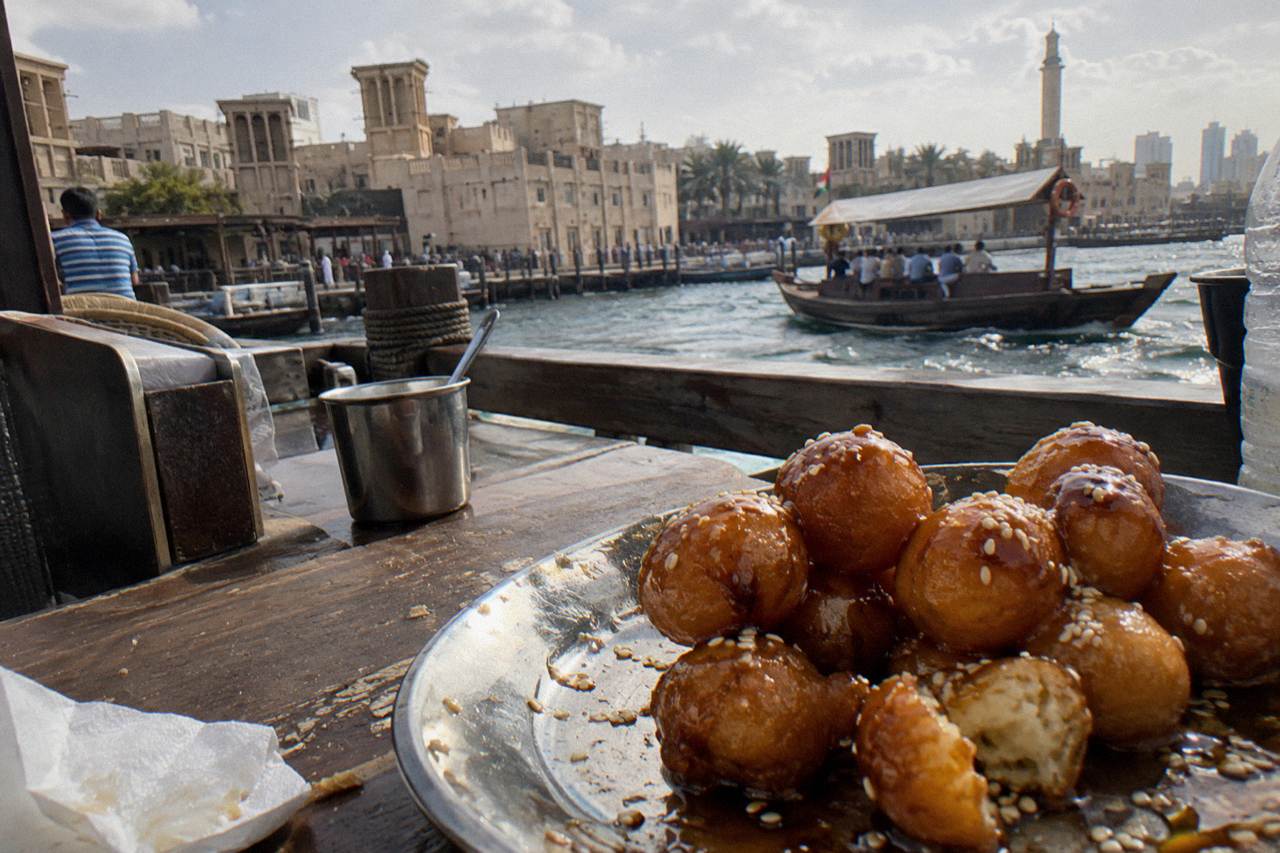
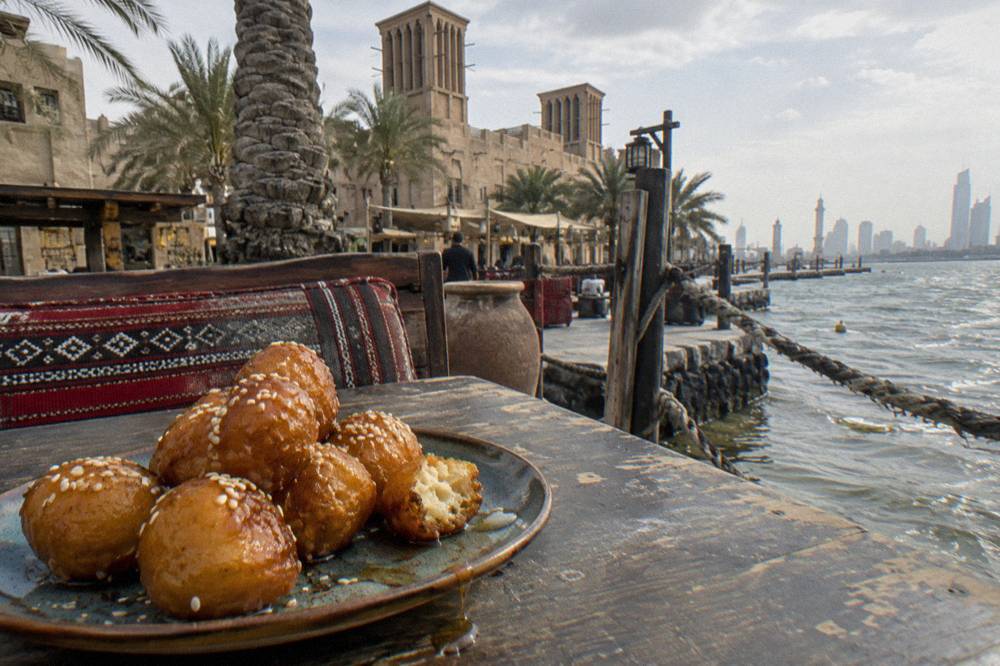
The older sweet story is worth knowing before you shop. Emirati dessert culture centres on luqaimat, crisp fried dough dumplings drizzled with date syrup and sesame seeds, served warm and eaten immediately. Around them sit fresh rutab dates, cardamom-scented gahwa coffee, balaleet sweet vermicelli with egg, and chebab pancakes with cream cheese and date syrup. None of these need a viral moment; they have been on Dubai tables for generations.
If your interest is specifically where to buy the famous bar, the companion piece where to get Dubai chocolate covers the shopping side in detail. This guide stays with the fuller picture: the viral bar, the traditional plates, and how a walking route through Old Dubai connects them.
One planning note before the practical sections. Everything sweet in Dubai is halal by default, since all meat and most food production follows halal rules, but chocolate fillings, nut sourcing and factory lines vary by product. Where a detail matters to you, check with the shop or the operator's booking page directly rather than assuming.
Where To Find Dubai Chocolate And Traditional Sweets In Old Dubai
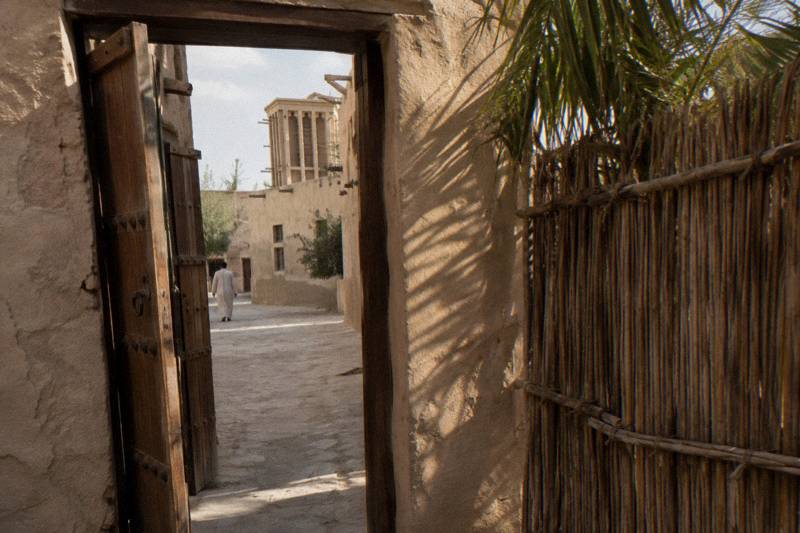
Old Dubai, the Al Fahidi Historical Neighbourhood, Al Seef, the Textile Souk and the Deira souks, is where the viral bar and the traditional sweets share the same streets. Al Fahidi's lanes are open to walkers, Dubai Culture states neighbourhood hours of 7am to 8pm daily, and the Al Seef promenade stretches about 1.8 km with free entry. Chocolate stock moves fast, so check availability before you make a special trip.
The geography works in a sweet-seeker's favour. On the Bur Dubai side of the Creek, Al Fahidi's wind-tower lanes and the Al Seef waterfront hold heritage-style cafes and small confectioners. Cross the Creek by abra and the Deira side adds the Spice Souk, with its bins of dates, dried rose and cardamom, and the Gold Souk district around it. A single walking day can cover both, and the standard pedestrian connections between Al Fahidi, Al Seef, the Textile Souk, the abra stations and the Deira souks have no reported closures.
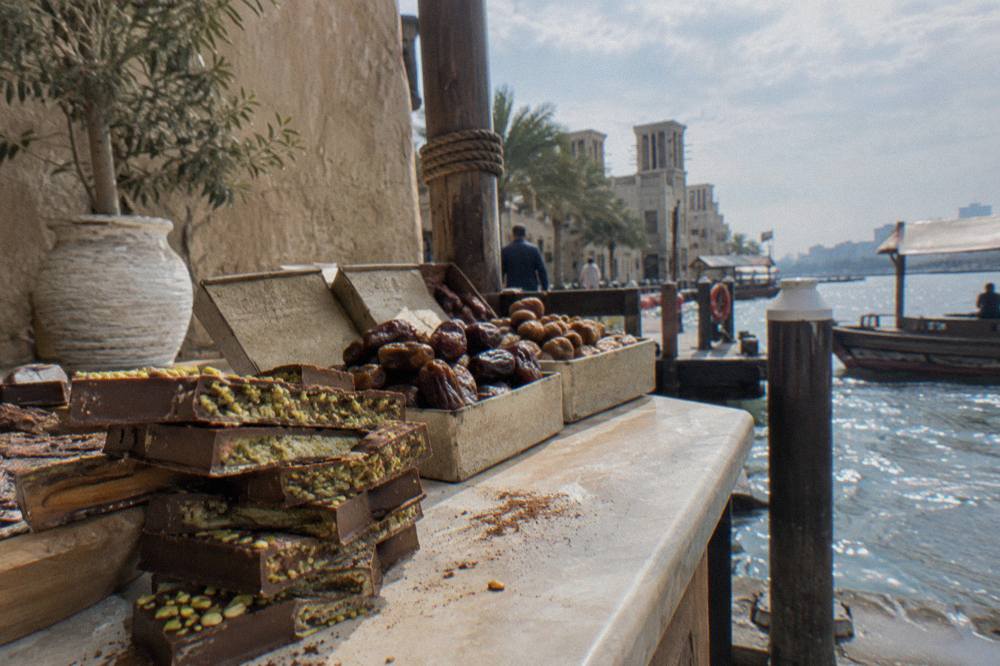
For the chocolate itself, be flexible about where you buy. Stock has been uneven since demand exploded, shops sell out, and imitation versions circulate. No shop verdicts here, and no shop named with a price: availability and prices must be checked at the point of sale. What you can plan is the area, and Old Dubai concentrates both the bar and its traditional rivals within a walkable radius.
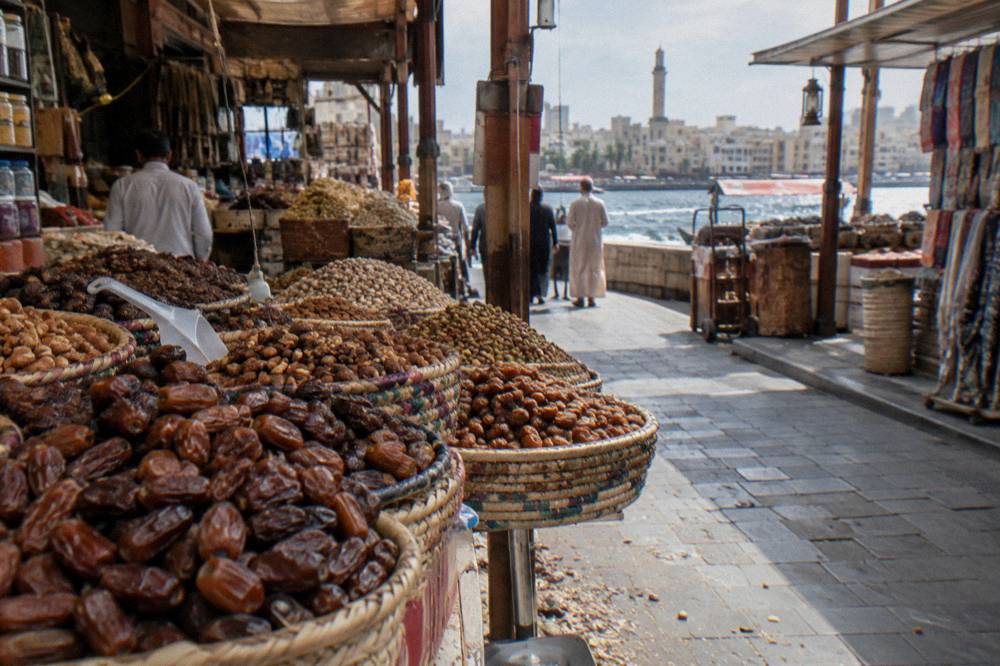
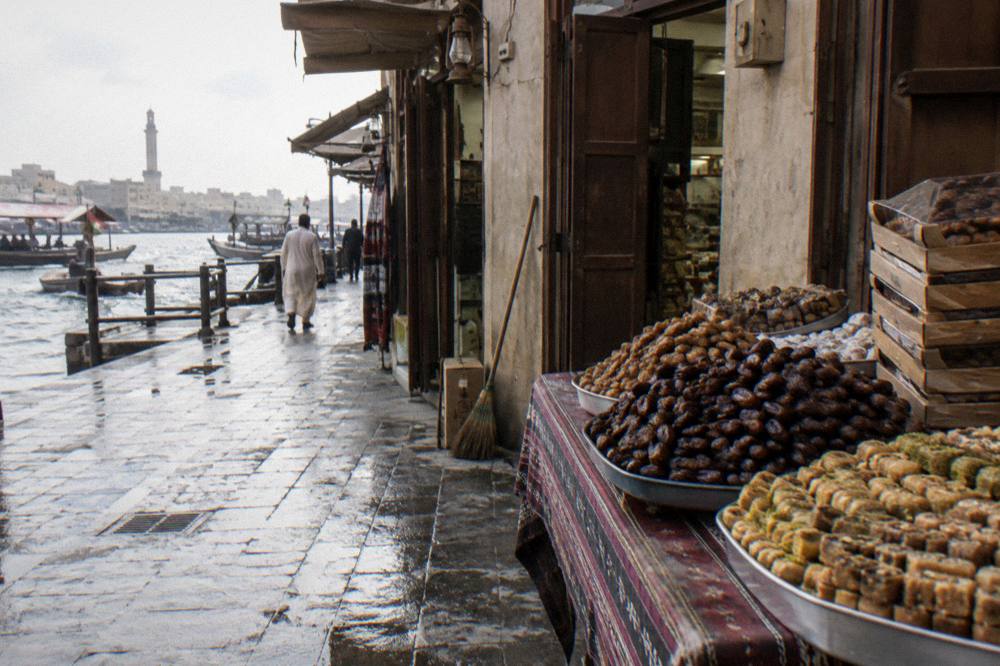
The traditional side is easier to pin down. Fresh rutab dates have a harvest season that runs primarily through summer, peaking between June and September, with around 150 varieties including Khalas, Barhi and Fard reported across the country, and fresh dates appearing from around AED 15 per kilogram at festivals and markets. Dried dates are available year-round, so a winter visitor misses nothing on that front. The Deira Spice Souk guide covers what to taste and buy in the market itself.
| Area | Sweet highlights | Access notes |
|---|---|---|
| Al Fahidi Historical Neighbourhood | Heritage cafes, gahwa and dates | Lanes open daily, stated hours 7am to 8pm |
| Al Seef promenade | Confectioners and waterfront cafes | Free entry, about 1.8 km stretch |
| Textile Souk, Bur Dubai | Karak stalls and sweet counters near the abra dock | Vendor hours vary, no official timetable |
| Spice Souk, Deira | Date bins, dried rose, cardamom | Reported closed daytime on Fridays |
| Gold Souk district, Deira | Chocolate shops and sweet stalls nearby | Most shops reported 10am to 10pm |
A guided walk is the simplest way to thread these together, and three options fit a sweet-minded route:
Luqaimat, Dates And Karak: The Traditional Sweet Route
Luqaimat are the signature Emirati sweet, reported at 10 to 18 AED from Old Dubai stalls, and they are best eaten warm within minutes of frying. Karak chai, the spiced milky tea that pairs with them, runs 1 to 3 AED at local cafeterias. Fresh dates from around 15 AED per kilogram and gahwa coffee complete the traditional plate, and all figures are reported prices that individual stalls may vary from. For more savory stops alongside these sweets, the guide to where locals eat in Dubai covers the cafeterias and dining rooms residents actually frequent.
Luqaimat deserve their headline status. The dumplings are crisp outside, soft inside, drizzled with date syrup and scattered with sesame, and sources agree on one point of technique: eat them immediately, because they lose their crunch as they sit. Stalls in Deira and Bur Dubai sell them alongside shawarma and falafel counters, which makes them an easy dessert stop at the end of a street food crawl rather than a destination requiring a separate trip. If you want to build an entire evening around these bites, the guide to Dubai's signature dishes and a tasting walk explains how luqaimat fit alongside shawarma, karak, and machboos.
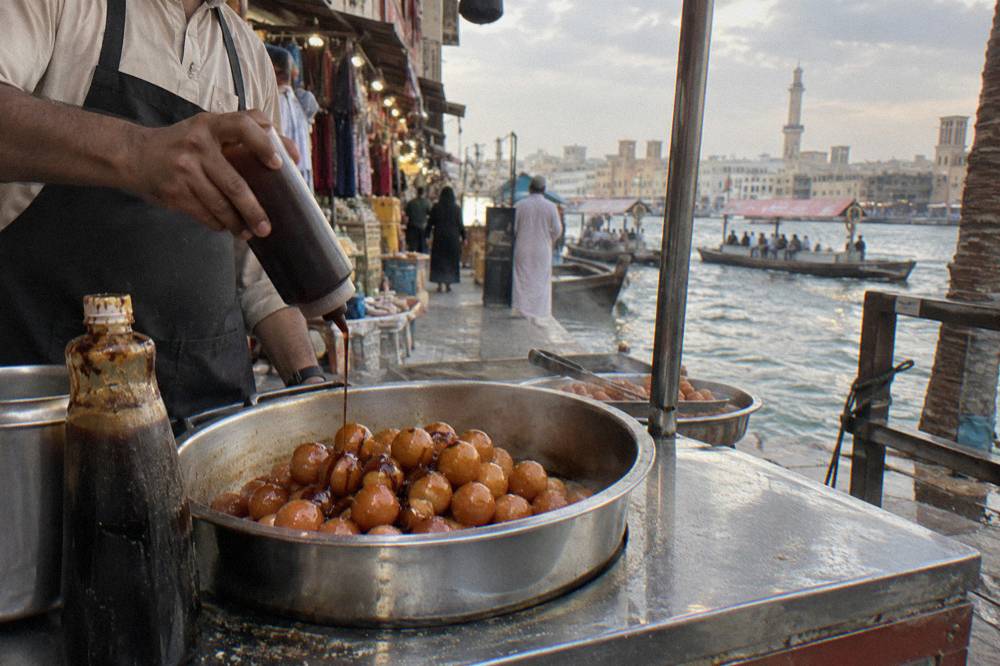
Dates are the quiet constant. The UAE's own harvest brings fresh rutab to markets and festivals in summer, with around 150 varieties grown across the country and festival prices reported from about AED 15 per kilogram, while dried dates stock souk bins all year. For the cultural layer around them, the traditional Emirati food guide explains how luqaimat and their savoury companions fit the wider table.
Karak is the drink that binds the route together. The spiced milky tea costs a reported 1 to 3 AED at local cafeterias and street stalls, with cafe versions running higher, one example at 14 AED. It pairs naturally with breakfast sweets like balaleet, the saffron vermicelli dish topped with a thin omelette, and with chebab pancakes served with cream cheese and date syrup.
Gahwa, the lightly spiced unsweetened cardamom coffee served in small finjan cups, comes with its own etiquette, worth knowing if a host offers it. It is traditionally served with dates, accepted and received with the right hand only, and finished by gently shaking the empty cup side to side to signal no more refills. A guide will usually walk you through this; a solo visitor guessing can miss the cue.
| Traditional sweet or drink | What it is | How it is served |
|---|---|---|
| Luqaimat | Crisp fried dough dumplings | Warm, drizzled with date syrup and sesame |
| Balaleet | Sweet saffron and cardamom vermicelli | Topped with a thin omelette, a breakfast dish |
| Chebab | Saffron, cardamom and turmeric pancakes | With cream cheese and date syrup |
| Fresh rutab dates | Seasonal soft dates, around 150 varieties | With gahwa coffee, in season June to September |
| Karak chai | Spiced milky tea | In small cups from cafeterias and stalls |
| Gahwa | Lightly spiced unsweetened cardamom coffee | Small finjan cups, right hand, with dates |
What A Sweet-Focused Guided Walk Actually Covers
Guided food walks through Old Dubai typically run 3 to 4 hours and combine souk browsing, street tastings and a Creek crossing, with the dessert stops folded into the route rather than booked separately. The premium Old Dubai walk covers street food, souks and a boat ride in one booked route, and its tasting list, meeting point and inclusions are stated on the operator's booking page. Check the inclusions before assuming sweets are counted. If you're still unsure where to track down the city's signature chocolate bars and what they cost, the guide to finding Dubai's famous chocolate covers the best stops and prices.
The featured option here is the premium Old Town street food and boat ride walk, a 4-hour route through the old town, souks and street food with a boat ride included. Its listing describes tastings of shawarma, falafel, karak, samosa, rogag and luqaimat, which makes it one of the walks where the traditional dessert course is named in the inclusions rather than left to chance. Meeting point details and what is covered are on the booking page, and check availability to see current dates and group sizes.
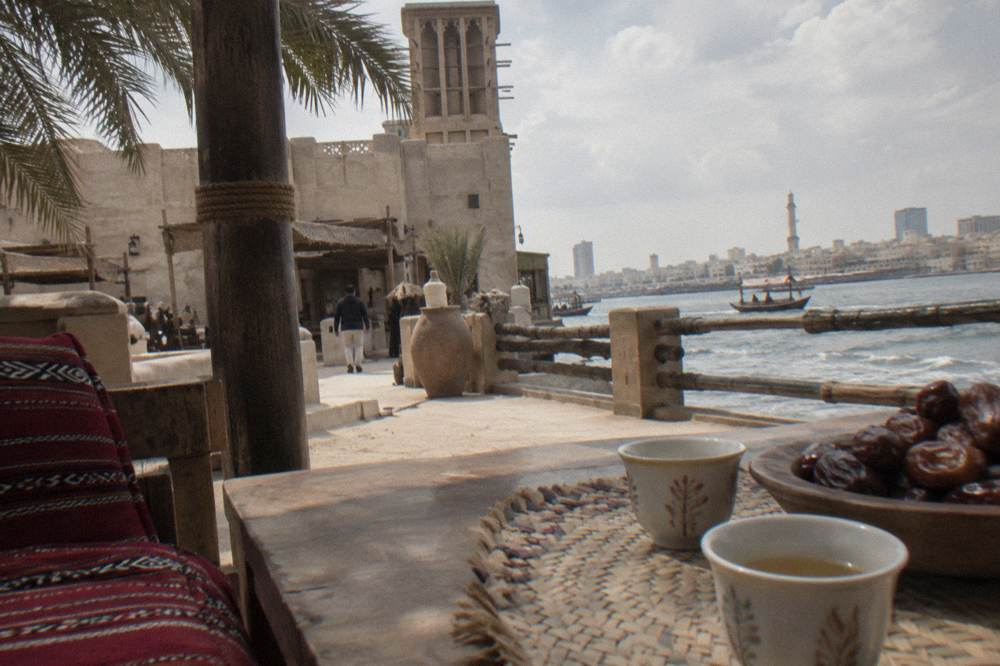
A different flavour of the same idea is the souks, museums and local food testing walk, a 3-hour route that leans into the market and museum side while still including local food tasting. For a visitor whose sweet interest is really a culture interest, the museums and heritage stops give the dessert course its context.
The Aladdin tour is the third fit: a 3-hour guided route through the souks, the Creek and old Dubai with tastings included. Its framing is heritage-first, which suits travellers who want the sweet stops to arrive with a story attached rather than as a shopping errand.
A note on what to expect from any of these. The listings describe routes and tastings, but individual stops, stall availability and what a guide shows on a given day vary with the operator and the crowd. Nothing here is a promise of a specific shop or a specific dish count beyond what the booking page states. Where a detail matters, message the operator before booking.
Chocolate And Sweets On A Budget: What Things Cost
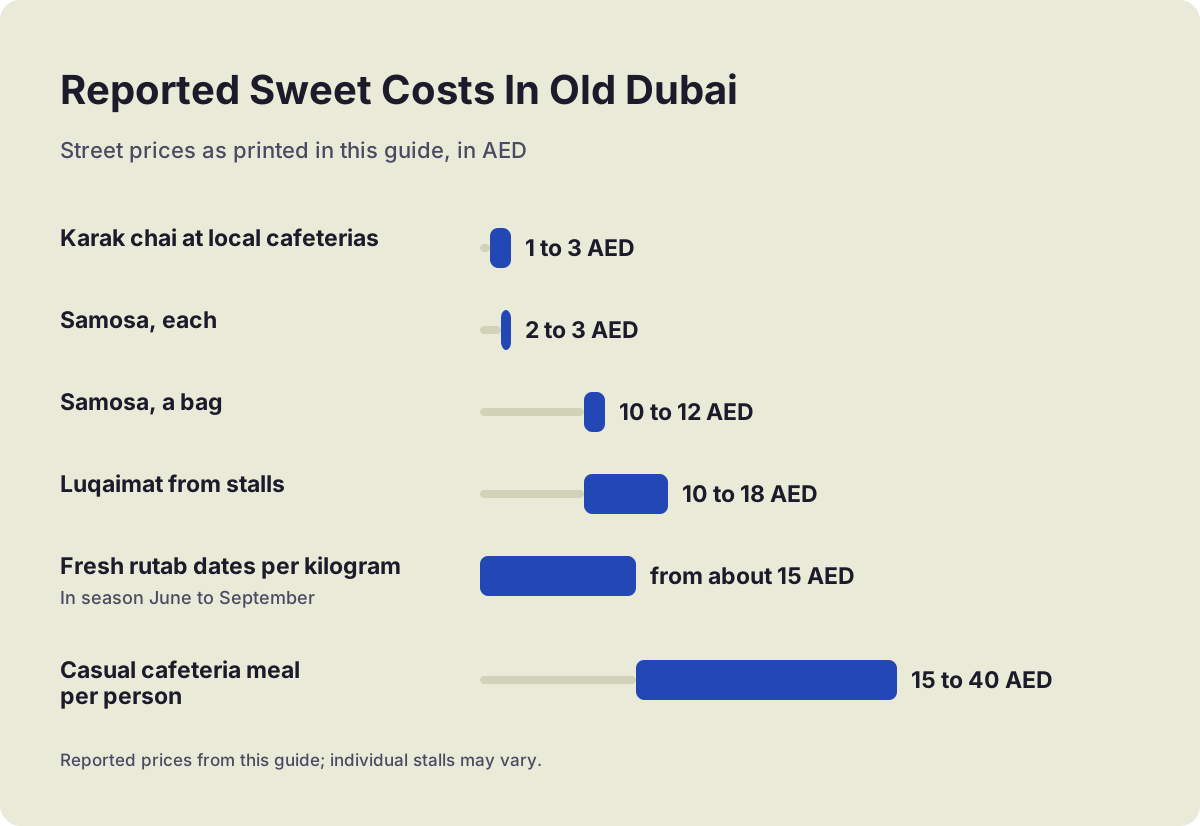
Reported sweet costs in Old Dubai are low outside the viral bar: karak chai 1 to 3 AED at local cafeterias, samosa 2 to 3 AED each or 10 to 12 AED a bag, luqaimat 10 to 18 AED, and fresh dates from around 15 AED per kilogram in season. The viral chocolate bar is the outlier, with prices that move too often to print. Casual cafeteria meals run a reported 15 to 40 AED per person for context.
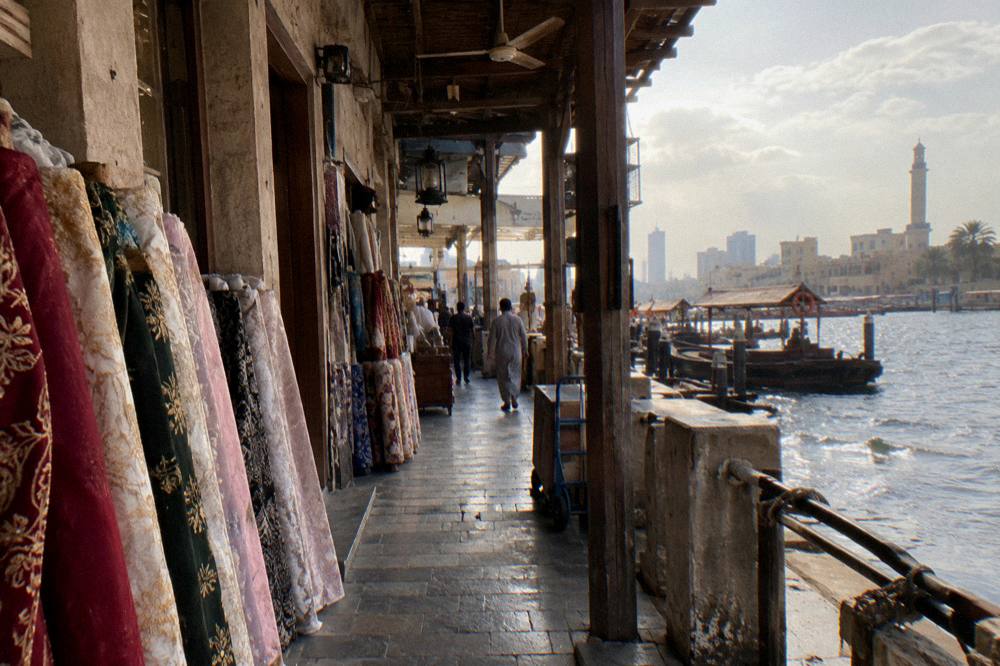
The contrast is the useful part. A traditional sweet afternoon in Deira, karak, a bag of samosas, a portion of luqaimat, costs less than most single desserts in a mid-range restaurant, where mains alone often run a reported 40 to 80 AED. The chocolate bar sits outside this economy entirely, priced as a novelty souvenir rather than a street snack, and its price is the one figure in this article deliberately left blank: check the shop. The rest of the planning pages sit on Dubai Food Tours.
| Sweet item | Reported cost | Where to find it | Notes |
|---|---|---|---|
| Karak chai | 1 to 3 AED | Local cafeterias and stalls | Cafe versions run higher, one example 14 AED |
| Samosa / samboosa | 2 to 3 AED each, 10 to 12 AED per bag of about 5 | Deira and Bur Dubai stalls | Bags suit sharing |
| Luqaimat | 10 to 18 AED | Old Dubai street stalls | Eat warm, immediately |
| Fresh rutab dates | From around 15 AED per kilogram | Festivals and markets in season | Season peaks June to September |
| Dried dates | Year-round, souk pricing varies | Spice Souk and markets | Available in all seasons |
| Dubai chocolate bar | Check at point of sale | Varies, stock moves fast | Availability and prices must be checked |
Two small budget notes from the dining costs data. Restaurants commonly add a service charge of up to 10 per cent, retained by the venue rather than a government fee, plus 5 per cent VAT, so a sit-down dessert costs a little more than the menu suggests. And bottled water runs a reported 1 to 2 AED per litre from supermarkets against 6 to 12 AED per bottle in restaurants, which matters on a long sweet walk in warm weather.
For the fuller money picture, including what a full meal costs across the city, the Dubai food prices guide breaks down casual, mid-range and guided-tour spending side by side.
Dietary Questions: Halal, Vegetarian Options And Allergies
All meat in Dubai restaurants and markets is halal, and pork appears only in designated licensed sections, so sweets and chocolate are halal by default, though individual products vary and certifications should be checked on the packet. Vegetarian sweets like luqaimat, dates and karak are widely available, but no tour is described as vegetarian, vegan, gluten-free or allergen-safe unless its listing says so. Message the operator before booking with any dietary need.
The halal framework is federal: meat and poultry sold and served in restaurants and markets follow halal rules, and pork is confined to segregated, clearly labelled sections of licensed venues. For a chocolate buyer this means the mainstream product is halal, but fillings, additives and production lines differ between makers, and the packet or the shop is the place to confirm.
Vegetarian travellers are well served by the traditional list. Luqaimat, dates, karak, balaleet and chebab are all meatless, and falafel wraps at a reported 4 to 15 AED make the savoury side of a sweet walk vegetarian-friendly too. Gluten is harder: luqaimat are wheat-based, and a tour listing that does not mention gluten-free options means the question is open, not answered. The vegetarian and dietary needs guide covers this in depth.
Nut allergies deserve a specific warning here. The viral bar's defining filling is pistachio, and cross-contact between nut products is common in the shops and stalls that stock it. Traditional stalls frying luqaimat alongside nut-heavy sweets carry the same risk. Ask at the point of sale, and if a guided walk is on your itinerary, tell the operator about the allergy when you book, not on arrival.
Timing Your Sweet Walk: Weather, Seasons And Hours
December to February brings the lowest average daytime highs, 24 to 26 °C per NCM-derived normals, making it the comfortable walking season for a sweet route through Old Dubai. Summer visitors should walk early or late, since rutab date season peaks June to September while fried sweets and karak are year-round. Souk hours vary by shop, the Spice Souk is reported closed during daytime on Fridays, so check individual hours before planning around a single stall.
The weather numbers come from Dubai International Airport's monthly normals: December highs average 26.5 °C, January 24.4 °C, February 26.1 °C, with winter sunrise around 6:57 and sunset around 17:32 in December. That gives a December walker a long, mild window for a route that links Al Fahidi, Al Seef, an abra crossing and the Deira souks on foot.
Souk timing matters more than the season. Reported patterns for the Deira souks put most Gold Souk shops at roughly 10am to 10pm, the Spice Souk opening earlier than 8am and running past 9pm but closed during daytime on Fridays, with many shops taking midday breaks. Individual shop hours vary and no single official timetable is published, so a chocolate stop is best treated as a daytime-to-evening errand rather than a morning one.
| Season | Weather for walking | Sweet season notes |
|---|---|---|
| December to February | Average highs 24 to 26 °C, mild | Dried dates, luqaimat and karak all year-round |
| March | Average high around 28.9 °C | Comfortable mornings, warmer afternoons |
| June to September | Peak heat, walk early or late | Fresh rutab dates at their peak harvest |
| October to November | Cooling again | Festival and market date stock reported |
Seasonality cuts both ways. Summer visitors catch fresh rutab at their peak, the harvest running primarily June to September with the best two to three months reported mid-season, but they walk in serious heat, so an early start or a guided route with shade stops is the practical choice. Winter visitors miss fresh rutab but get the walking weather, and dried dates, luqaimat and karak wait for them regardless. The best time to visit guide weighs the whole year.
Choosing Between A Chocolate Hunt And A Sweet Tasting Walk
If the viral bar is the goal, plan a self-guided shopping stop in Old Dubai with availability checked ahead, since no guided walk promises a specific chocolate shop. If traditional sweets are the goal, a guided tasting walk is the better buy: the premium 4-hour route names luqaimat among its tastings, and the 3-hour souks and museums walk adds heritage context. Both kinds of trip can share one day, with the guided walk first and shopping after.
The honest division of labour is this: guides are good at the traditional side, and the chocolate hunt is a self-directed errand. Walk listings describe tastings of shawarma, falafel, karak, samosa and luqaimat, but none promises a chocolate bar stop, and stock unpredictability would make such a promise fragile anyway. A traveller who books a walk for the culture and the counted tastings, then shops for the bar afterwards with the route knowledge a guide has just given them, gets the best of both.
For a wider comparison of formats, private versus group, cost versus coverage, the choosing between Dubai food tours guide lays out the decision points. And for a sweet-seeker who wants the counted, listed tastings rather than a self-planned crawl, the 4-cuisines street bites walk is a further option worth a look, with its inclusions on the 4 cuisines tour page.
Whatever you book, read the cancellation terms before paying. Free-cancellation windows vary by operator and by product, and the booking page states them for each walk. Nothing in this guide is a promise of a specific dish, stall or queue: the listings describe the routes, and the operators run them.
Common Questions About Dubai Chocolate And Sweet Treats
What Is Dubai Chocolate?
It is a filled chocolate bar, typically milk chocolate with a pistachio and kadayif filling, that spread through social media and became a travel souvenir. It is a modern product, not a traditional Emirati sweet, and its availability and prices must be checked at the point of sale, since stock moves quickly and imitation versions circulate.
What Are The Traditional Emirati Sweets?
Luqaimat lead the list: crisp fried dough dumplings drizzled with date syrup and sesame, reported at 10 to 18 AED and eaten warm. Around them sit fresh and dried dates, balaleet sweet vermicelli with egg, chebab pancakes with cream cheese and date syrup, and karak chai at a reported 1 to 3 AED from local cafeterias.
Where Can I Buy Dubai Chocolate In Old Dubai?
Shops around Al Fahidi, Al Seef and the Deira souk area stock it, but no specific shop is named here and no price is given, because availability and prices must be checked before you travel. Treat the bar as a flexible stop on a walking route rather than a guaranteed purchase, and check stock ahead if it is the main purpose of your trip.
Do Dubai Food Tours Include Dessert Tastings?
Some do, and the listing states it. The premium Old Dubai walk's listing describes tastings including luqaimat alongside shawarma, falafel, karak, samosa and rogag, while other walks describe tastings without naming sweets. Read the inclusions on the booking page for each walk, and message the operator if the listing does not say.
Are Dubai Sweets Halal And Vegetarian-Friendly?
All meat sold in Dubai restaurants and markets is halal, so mainstream sweets and chocolate are halal by default, though individual products vary and the packet is the place to confirm. Luqaimat, dates, karak, balaleet and chebab are meatless and widely available, but no tour is described as vegetarian or allergen-safe unless its listing says so, so message the operator before booking.
When Is The Best Season For A Sweet Walk In Old Dubai?
December to February has the lowest average daytime highs, 24 to 26 °C per NCM-derived normals, making it the comfortable walking season. Fresh rutab dates peak June to September, from around AED 15 per kilogram at festivals and markets, while dried dates, luqaimat and karak are year-round, so the traditional sweet route works in any month.