Where Do You Get Dubai's Famous Chocolate?
Where to find Dubai's famous chocolate and sweets, what the treats cost, and how a dessert-minded tasting walk through Old Dubai fits the search into a full food day.
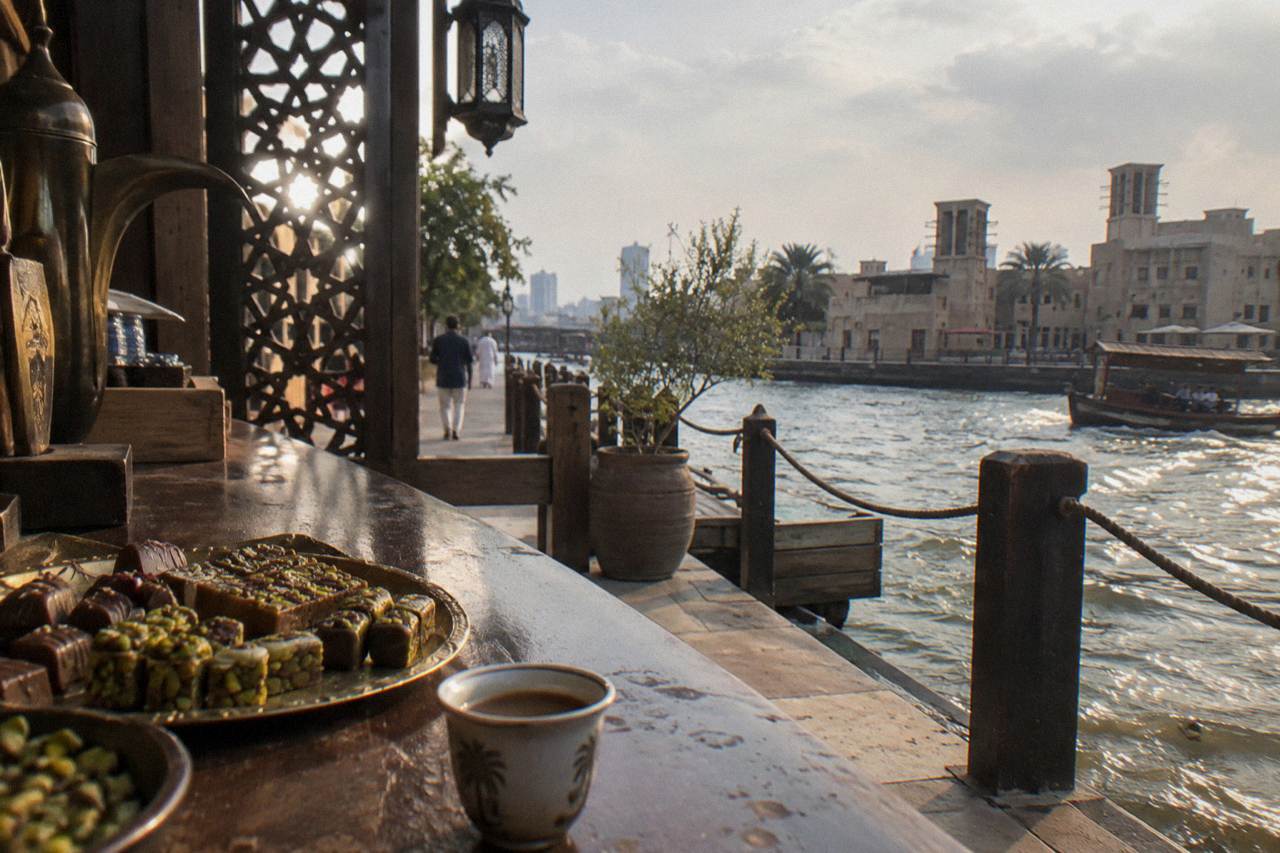
Dubai's famous chocolate is not sold from one address: it is a pistachio-and-knafeh-style filled bar that spread from the city's dessert counters to shops worldwide, and in Dubai you find it in sweet shops, date stores and souvenir stalls around the souks, the malls and the airport. Availability moves fast, stock sells out, and prices vary shop to shop, so check each shop's current stock and price before you travel.
That last point matters more than it sounds. The bar that made Dubai's chocolate famous became a global trend, and trends behave strangely in a tourist city. Some shops sell out within hours of a delivery, others quietly raise prices when demand spikes, and copycat versions sit next to the originals on the same shelf. No shop name, price or queue length can be promised here, because none of those things stay still. What stays still is the setting: the search happens in a district, Deira and Bur Dubai, where the sweet trade has been running for generations, and where a chocolate hunt can be folded into a morning of spice souks, date stalls and fried dough.
The practical framing for a visitor is simple. If the chocolate is the mission, plan the hunt inside a bigger food walk, because the walk gets you to the shops, the souks and the dessert counters in one loop, and a guide who works the district daily knows which stores currently hold stock. That is exactly what a dessert-minded tasting walk does, and it is why this site pairs the chocolate question with the Old Dubai food experiences rather than treating it as a shopping errand.
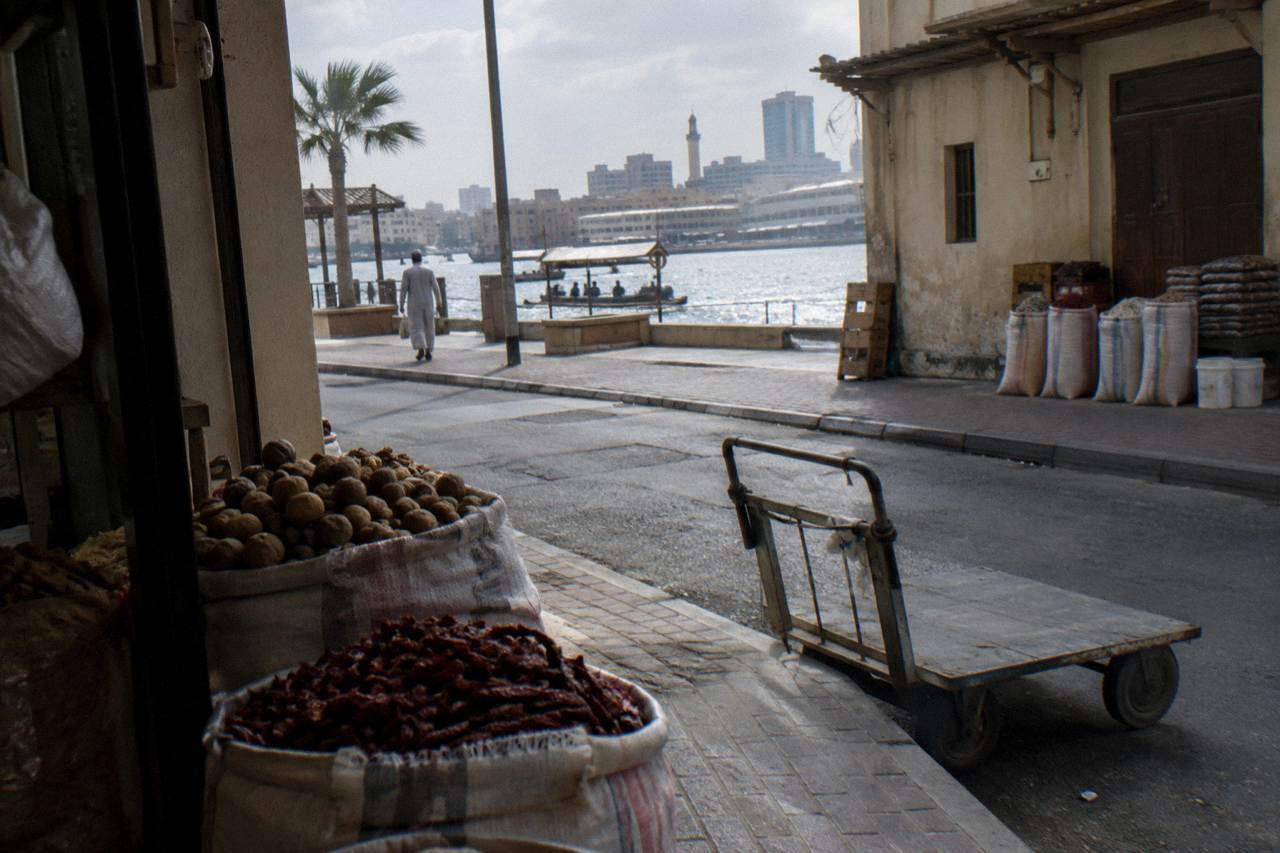
Each of those walks runs through the lanes where the chocolate shops cluster, and each pairs the sweet stops with the savory street food that makes the district worth the metro ride in the first place. The tasting lists differ from walk to walk, so check each booking page for exactly what is included before choosing one.
What Makes Dubai's Chocolate And Sweets Scene Famous?
Two things happened at once: a single filled chocolate bar, pistachio cream with crisp knafeh-style strands inside a milk chocolate shell, became a worldwide viral product traced to Dubai, and the city's older sweet traditions, luqaimat, dates, kunafa and karak, were already there waiting to be discovered by the same visitors. The result is a dessert scene with two layers, a new global trend over an old Gulf sweet culture.
The viral layer is real but slippery. The original bar inspired versions in shops across Europe, the United States and Asia, and in Dubai itself the number of places selling something similar has grown quickly. What a visitor needs to know is that there is no single official outlet, no flagship address that owns the product, and no fixed price. Shops stock it when they can, sell out when demand runs hot, and some label their bars more confidently than others. If a shop claims to be the original, treat the claim as marketing, check the price against what you would happily pay for a souvenir, and keep the receipt.
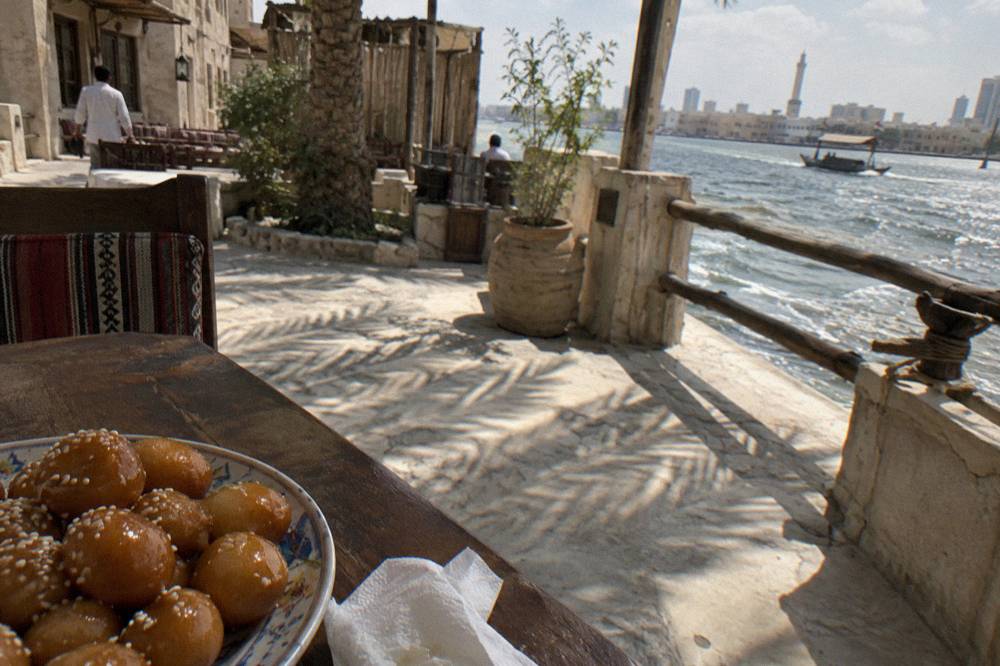
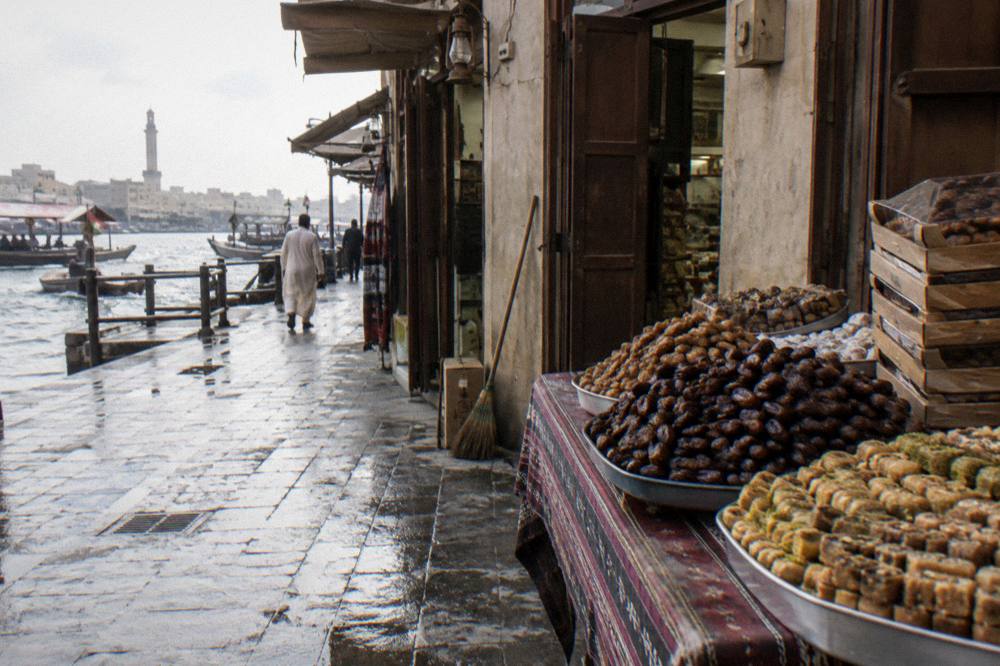
The older layer is far more reliable, and it is the one this site spends most of its time on. Luqaimat, crisp fried dough dumplings drizzled with date syrup and sesame seeds, are served warm and eaten immediately. Kunafa, the syrup-soaked cheese pastry that inspired the chocolate filling, sits in bakery windows across Deira. Dates, which the UAE grows in roughly 150 varieties including Khalas, Barhi and Fard, sell from around AED 15 per kilogram at markets and festivals, as reported by local coverage of the harvest season, with the fresh rutab season peaking through the summer months. Karak, spiced milky tea, costs a reported AED 1 to 3 at local cafeterias and pairs with almost everything above.
None of this is hidden. The sweet stalls and date shops of Deira have been selling to traders, sailors and travelers since long before the chocolate trend existed, which is why the district, not any single shop, is the real answer to the chocolate question. The Dubai Food Tours site exists because that district rewards a guided route far more than a shop list ever could.
A good way to see the two layers side by side is a walk that covers souks, street food and a Creek crossing in one loop. The Premium Old Town, Street Food, Souks & Boat Ride Tour runs 4 hours through exactly these lanes, with a boat ride on the Creek as part of the route; the tasting list is as the listing describes, so check the booking page for what is included and what the current price is.
Where In Old Dubai Do You Find Sweets And Chocolate?
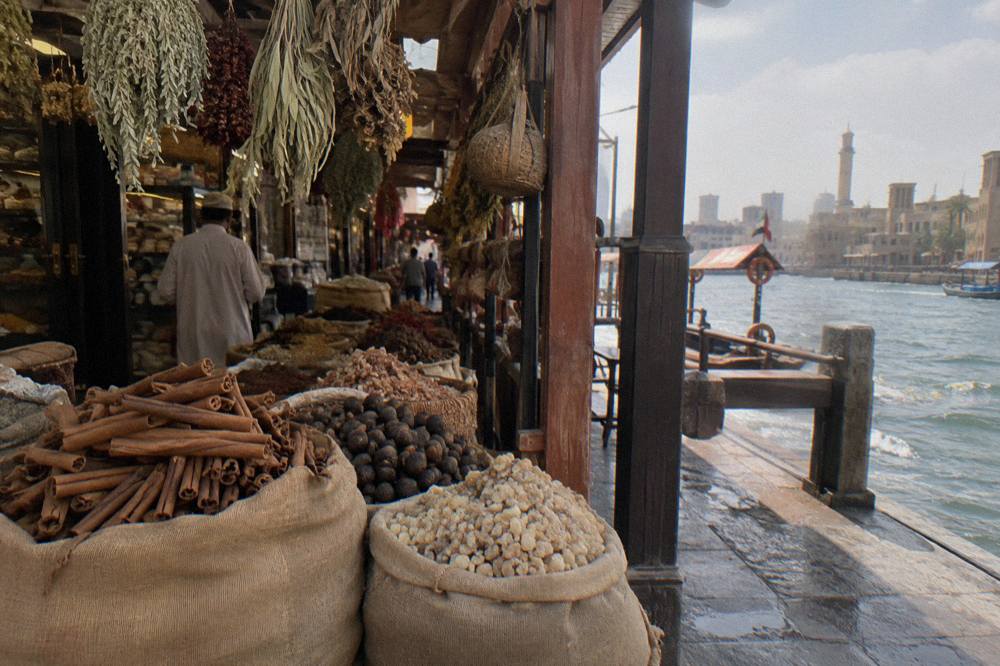
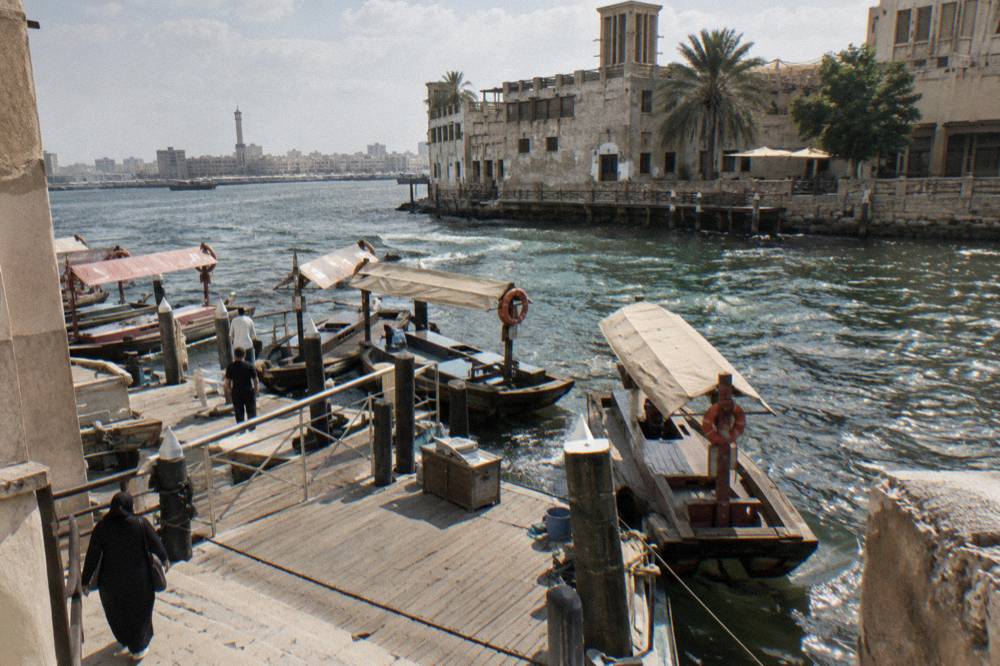
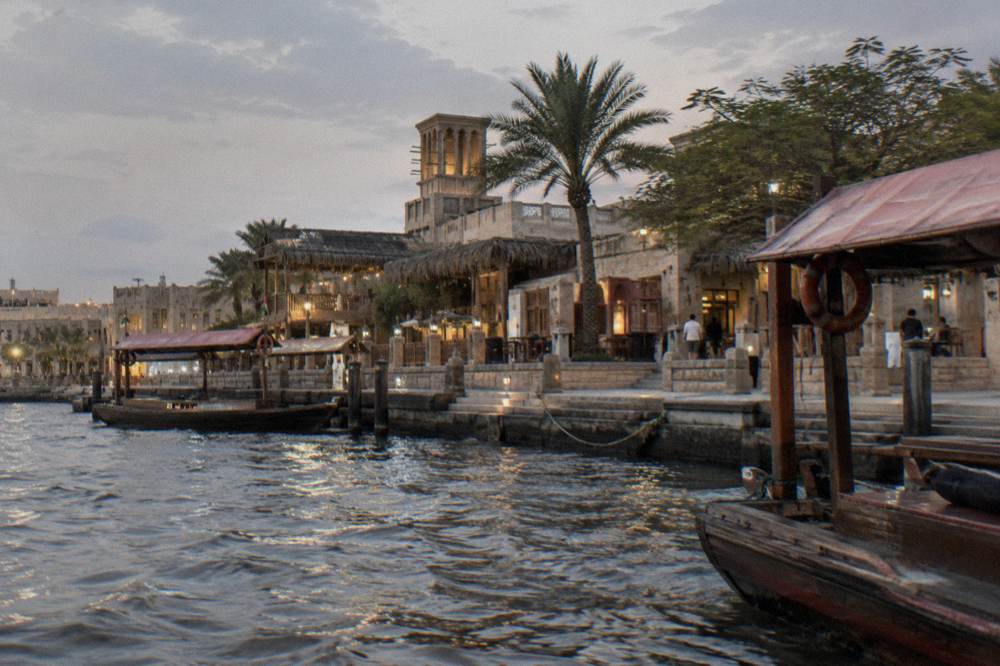
The sweet trail runs between two souk districts on opposite banks of the Creek: Bur Dubai, where Al Seef and the Al Fahidi Historical Neighbourhood hold dessert cafes, heritage restaurants and modern sweet shops, and Deira, where the Spice Souk, the Gold Souk and the lanes around Al Ras hold the date stores, bakeries and chocolate sellers. The two sides connect by abra, the small wooden boats that cross the Creek, and the whole loop is walkable in a morning.
Start on the Bur Dubai side. Al Seef is a roughly 1.8 km waterfront stretch with free entry, open daily, mixing heritage-style architecture with modern cafes, and it is where several dessert shops and chocolate sellers cluster. The Al Fahidi Historical Neighbourhood next door keeps public lanes open from 7am to 8pm per Dubai Culture's stated hours, and its courtyards hold coffee houses serving gahwa, Arabic coffee, with dates. The etiquette for gahwa is worth knowing before you go: accept and receive the small finjan cup with the right hand, and shake the empty cup gently side to side when you have had enough.
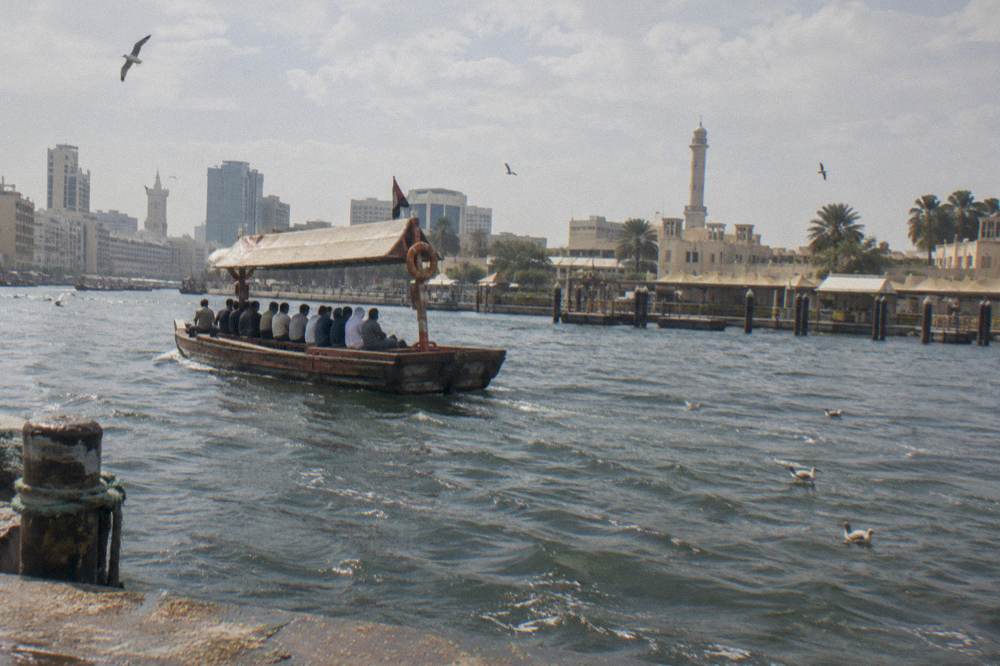
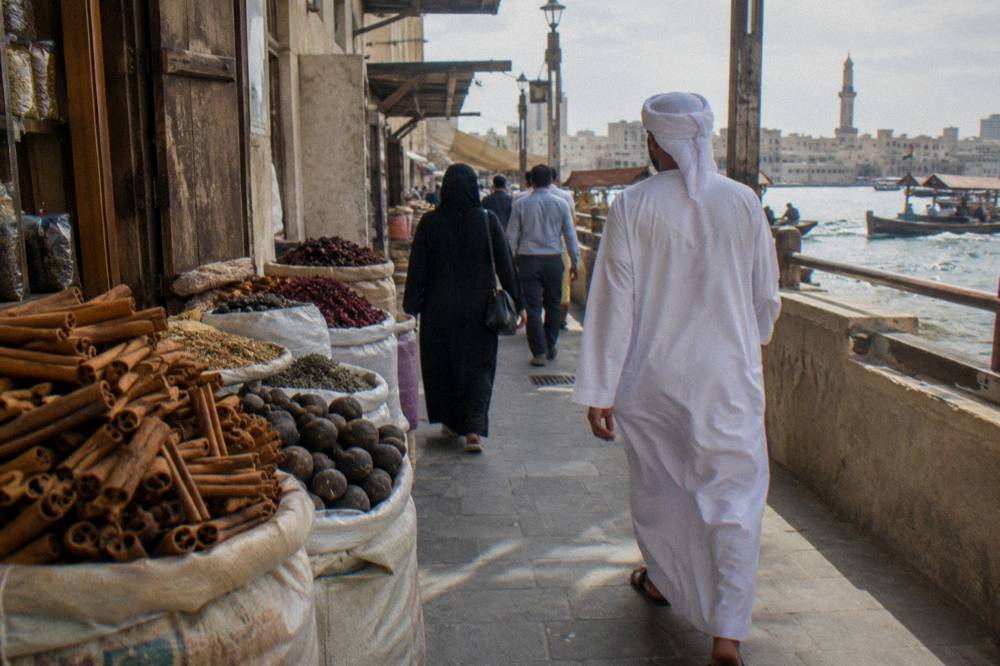
Cross the Creek by abra and you are in Deira. The Spice Souk is where the flavor side of the story lives, sacks of cardamom, saffron and dried lime that show up in the desserts themselves, and the shops there generally open earlier than 8am and run past 9pm, with many closing during daytime on Fridays and taking midday breaks, as reported. The Gold Souk, where most shops open around 10am to 10pm per Visit Dubai's descriptive hours, is surrounded by side lanes holding the date stores and sweet shops that carry chocolate alongside the traditional stock. Individual shop hours always vary, so check before you set out.
For readers planning the wider route, the Deira spice souk tasting and shopping guide covers what to taste and buy on that side of the water, and the Old Dubai food walk route guide explains what a guided loop through both banks actually covers, stop by stop.
The 4 Cuisines, Souks & Street Bites tour runs 3 to 4 hours and moves through the souk lanes with tastings as the listing describes. As with every walk here, the exact stops and what is tasted should be confirmed on the booking page, since menus and stall availability shift with the season.
How Much Do Dubai's Sweets And Chocolate Cost?
The traditional sweets are cheap and the famous chocolate is not: reported local prices put karak at AED 1 to 3 a cup, luqaimat at AED 10 to 18 a serving, and dates from around AED 15 per kilogram, while the viral chocolate bar sells at souvenir prices that vary shop to shop and shift with stock. Budget the chocolate as a gift purchase, budget the traditional sweets as an everyday snack, and check current prices at each shop.
The table below pulls together the reported sweet-treat costs from local price coverage. All figures are as reported by local sources for 2026, in dirhams, and every one of them can move, so treat them as planning ranges and check the room.
| Treat | Reported price range | Where you find it |
|---|---|---|
| Karak chai | AED 1 to 3 at local cafeterias, cafe versions higher | Cafeterias and stalls across Deira and Bur Dubai |
| Luqaimat | AED 10 to 18 per serving | Sweet stalls and heritage restaurants in the old district |
| Dates | From around AED 15 per kilogram at festivals and markets | Date stores in Deira, souk stalls, fresh rutab in season |
| Falafel wrap | AED 4 to 15 | Street stalls and cafeterias, a savory anchor for the sweet trail |
| Bottled water | AED 6 to 12 per bottle at restaurants | Any restaurant; supermarket multipacks cost far less |
The chocolate bar sits outside this table deliberately, because no reliable fixed price exists for it. Shops price it individually, prices have moved repeatedly since the trend took off, and a bar bought in a souk shop can cost a different amount from the same product in a mall or at the airport. The honest advice is to decide what the bar is worth to you as a souvenir before you shop, compare two or three shops, and check availability first, since stock is the bigger problem, not price.
One cost question that comes up alongside the sweets: restaurant bills. Dubai restaurants commonly add a 10 per cent service charge, which is venue-retained rather than a government fee, plus 5 per cent federal VAT, and some hotel-affiliated venues add a municipality fee. Tipping is personal preference; Visit Dubai's own guidance suggests 10 to 15 per cent at restaurants and AED 5 to 10 at cafes. None of this applies to a souk stall selling you a bag of dates, where the price on the tag is the conversation.
Can A Food Walk Cover The Sweet Stops?
Yes, and for most visitors it is the better way to do it: the dessert-minded tasting walks through Old Dubai include sweet tastings alongside the savory stops, and a guide who works the district daily knows which shops currently hold stock of the famous chocolate, which stalls fry luqaimat fresh, and where the karak is worth stopping for. The walks do not promise the chocolate itself, since no operator can guarantee a product that sells out. For a fuller picture of the city's dessert scene beyond the chocolate hunt, the guide to Dubai's sweet treats and dessert stops covers where luqaimat, fresh dates, and karak chai fit into an Old Dubai food walk.
Think about what a self-guided chocolate hunt actually involves. You research shops, ride the metro to Deira, walk the souk lanes, compare prices, hope the stock is there, and repeat on the other bank of the Creek. That is a fine plan for a confident traveler with time. What a walk adds is the counted and listed tastings: the tour listings describe what is sampled, from shawarma and falafel to karak, samosa, rogag and luqaimat, and the guide handles the route, the timing and the local context. For a first-time visitor, the difference between a shopping trip and a food day is usually the difference between a rushed afternoon and the reason the district is famous. If you want to know which of those dishes Dubai is genuinely famous for before you book anything, the guide to Dubai's most famous foods covers the origins, prices and stories behind each one.
“We were fortunate enough to be the only couple on the tour. Our guide for the day was Malick and he was brilliant.”
The meeting points tell you how these walks are built. Listings in the old district gather guests at spots like Al Khayma Heritage Restaurant in Al Fahidi, Al Ras Metro Station exit 2 in Deira, the Al Seef Heritage Hotel entrance and Sharaf DG Metro exit 4, all of which sit within the loop described above. Getting there is straightforward: the Green Line serves the area, with Al Ras station for the Deira souks and Sharaf DG for the Al Fahidi side, per the official RTA metro station map.
Its inclusions are as the listing describes, so check the booking page for the tasting list and the current price. If sweets are the whole point of your day, the Dubai chocolate and sweet treats guide goes deeper on the dessert side of the city than this article can.
When Is The Best Time To Go Chocolate Hunting In Dubai?
The walking season runs roughly December through February, when the NCM-derived airport normals put daytime highs at 24 to 26 °C, warm enough for cold drinks but cool enough to walk souk lanes for hours; the chocolate itself is sold year-round, so the timing question is really about how comfortable the hunt is. Start mornings on the Deira side, when the Spice Souk shops open early, and save Al Seef for late afternoon.
The weather numbers are worth trusting because they come from 30-year station normals rather than forecasts: December averages a high of 26.5 °C and a low of 17.3 °C, January 24.4 °C and 15.3 °C, February 26.1 °C and 16.4 °C. Sunrise in mid-December is around 06:57 with sunset near 17:32, so a full souk morning needs an early start. Outside those months the heat changes the plan: summer walks shift to early morning or after sunset, and indoor stops matter more than outdoor ones.
Dress for the district rather than the weather app. Covering shoulders and knees is the respectful choice in souks and heritage areas, per the dress-code guidance for traditional districts, and comfortable shoes matter more than anything fashionable, because the loop between Al Seef, Al Fahidi, the abra dock and the Deira souks adds up. Photography etiquette is simple and worth knowing: always ask before photographing individuals, especially in traditional dress or in the souks, since photographing people without consent can breach privacy rules.
One seasonal note that pairs naturally with the sweets: the UAE's fresh date season, rutab, runs primarily through the summer with a peak between June and September, and the fresh crop is when the date stalls are at their best. Dried dates are available year-round, so a winter visitor misses nothing but the fresh-rutab experience. Local coverage of the harvest reports roughly 150 varieties grown across the country, which is why a good date store in Deira is worth ten minutes of any chocolate hunt.
What Should You Check Before You Shop?
Three things: current stock, current price, and what you are actually buying, because the famous chocolate has no single official seller, prices vary shop to shop, and copycat bars sit beside originals on the same shelves. Check the shop's own page or a recent review before traveling to a specific address, confirm the price in person before paying, and keep expectations anchored to the traditional sweets, which are cheap, fresh and everywhere.
There is also a dietary angle worth a sentence. All meat sold in restaurants and markets in Dubai follows halal rules, which does not affect chocolate, but visitors with other dietary needs, vegetarian, vegan, gluten-free or otherwise, should message a tour operator before booking, because a listing that does not state a dietary accommodation means the listing does not say, not that it is impossible. The vegetarian and dietary needs guide covers this in detail.
For travelers who want the cultural layer under the sweets, the Sheikh Mohammed Centre for Cultural Understanding in Al Fahidi runs 1.5-hour cultural meals with Emirati hosts, Arabic coffee and dates, with reported prices of AED 130 for breakfast or brunch, AED 145 for lunch, AED 150 for fuala tea time and AED 160 for dinner, booking required, per its official programme page. It is not a chocolate stop, but it is where the coffee-and-dates ritual that underpins the whole sweet culture is explained properly.
If the chocolate hunt is one part of a longer trip, the three days in Dubai with a food tour itinerary shows where a sweets-focused morning fits into a fuller eating plan, and the first-timer food list is the broader menu to work from.
The short version: go for the chocolate if it matters to you, but plan the day around the district that sells it, because the district is the part that never sells out.
Common Questions About Dubai's Famous Chocolate
Where Do You Get Dubai's Famous Chocolate?
You find it in sweet shops, date stores and souvenir stalls around the souks of Deira, the Al Seef and Al Fahidi area of Bur Dubai, and the malls and airport, with no single official seller. Stock and prices vary shop to shop and shift often, so check each shop's current availability before traveling to a specific address, and treat the hunt as one stop on a wider Old Dubai sweets trail.
Is Dubai's Famous Chocolate Worth The Price?
That depends on what you are buying. The bar is a souvenir of a trend, priced accordingly and with no fixed price, so decide what it is worth to you before shopping and compare two or three shops. The traditional sweets around it, luqaimat at a reported AED 10 to 18 and karak at AED 1 to 3, are cheap, fresh and made in front of you, and many visitors end up rating those higher than the bar itself.
Does Dubai Chocolate Sell Out?
Yes, frequently. Demand has repeatedly outrun stock since the bar went viral, and shops restock on their own schedules. No queue length or availability can be promised here. The workaround is to check a shop's page or recent reviews before going, and to build the hunt into a food walk so the district delivers value even when the bar does not.
What Traditional Dubai Sweets Should I Try Instead?
Luqaimat, crisp fried dumplings with date syrup and sesame, eaten warm; kunafa, the syrup-soaked cheese pastry behind the chocolate's filling; dates in the UAE's many varieties, from around AED 15 per kilogram at markets as reported; and karak chai, spiced milky tea, alongside them. Balaleet and chebab, sweet saffron and cardamom breakfast dishes, appear on Emirati breakfast menus in the Al Fahidi area.
Can A Food Tour Include The Chocolate And Sweet Stops?
The dessert-minded tasting walks through Old Dubai cover the souk lanes where the sweet shops and date stores sit, with tastings as each listing describes. No operator can guarantee a product that sells out, but a walk puts you inside the district with a guide who tracks what is currently stocked. Check each booking page for the tasting list, inclusions and current price before choosing.