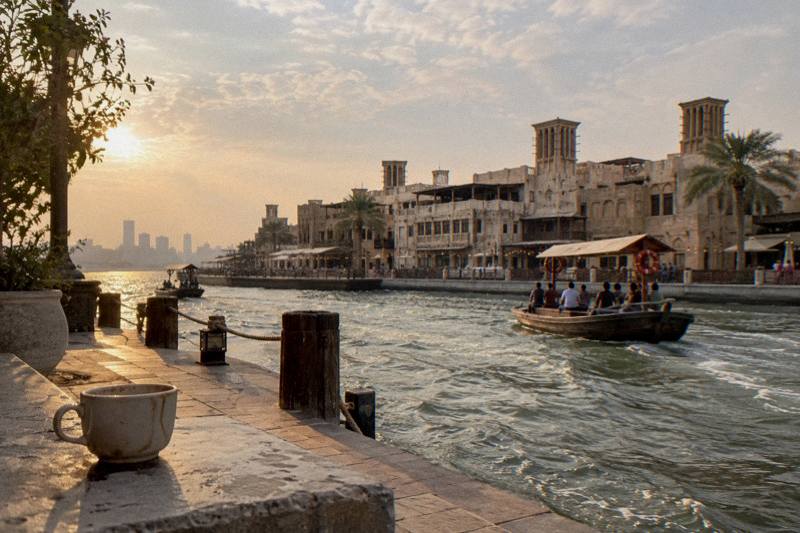
Arabic Coffee, Karak And Dates In Dubai
Gahwa, karak chai and dates are the three drinks and bites that anchor hospitality in Dubai, and each has its own etiquette, price range and best setting.
Short answer
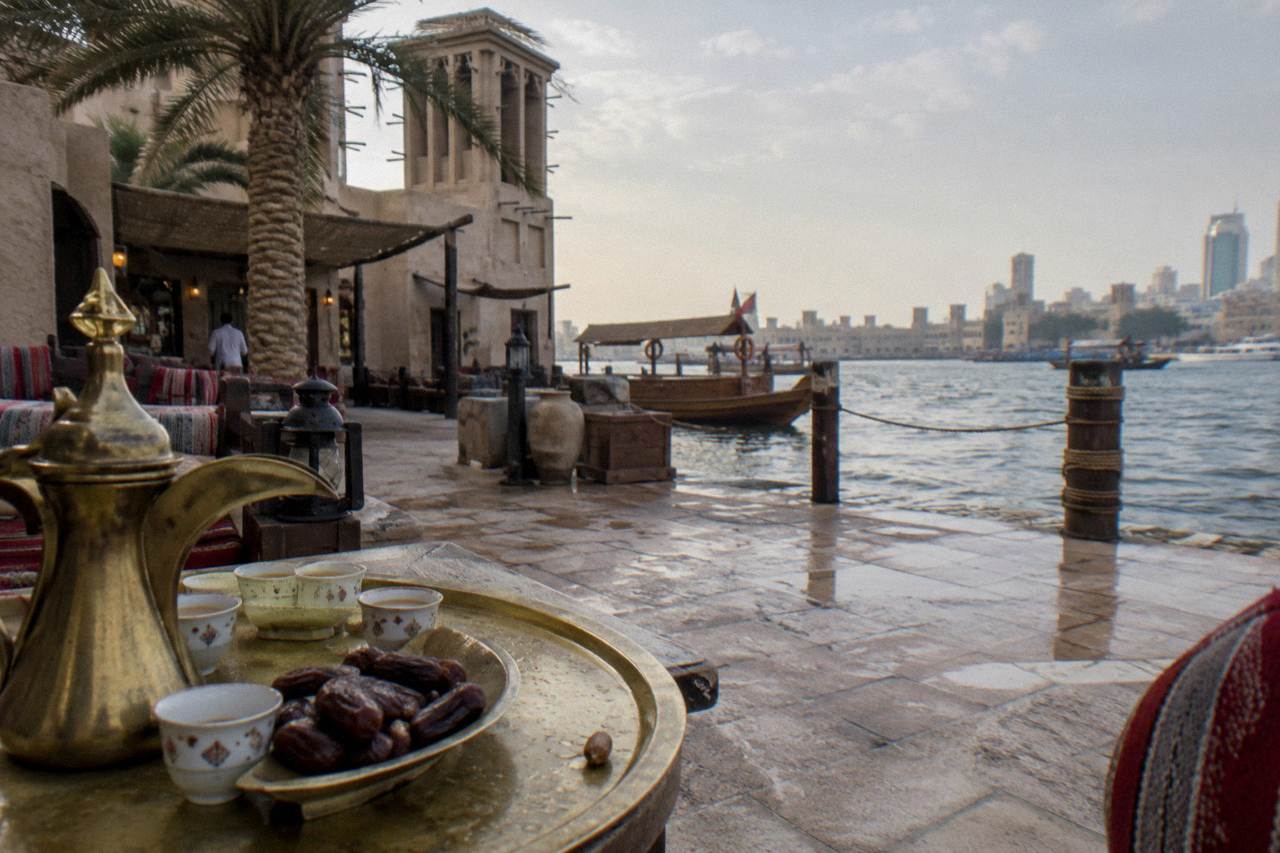
Gahwa is lightly spiced, unsweetened cardamom coffee served in small cups with dates; karak chai is spiced milky tea that costs a reported 1 to 3 AED at local cafeterias; and the UAE grows around 150 date varieties, with fresh rutab from around 15 AED per kilogram at markets. Together they open nearly every Emirati table and most guided tasting walks.
Three things appear together on almost every Emirati table in Dubai: a small cup of cardamom coffee, a glass of spiced milky tea, and a plate of dates. They are not decoration. Gahwa, the unsweetened Arabic coffee, is the formal welcome; karak chai is the everyday fuel of Old Dubai's cafeterias; and dates carry the sweetness, from the cheap dried staples sold by the kilogram to fresh rutab that appears only in the summer harvest. This guide covers how each one is served, what it costs, and how a visitor drinks them without stumbling over the etiquette. If those three drinks raise questions about what else lands on an Emirati table, the guide to Emirati spices and slow cooking methods explains the flavors behind them.
What Is Karak Tea In Dubai?
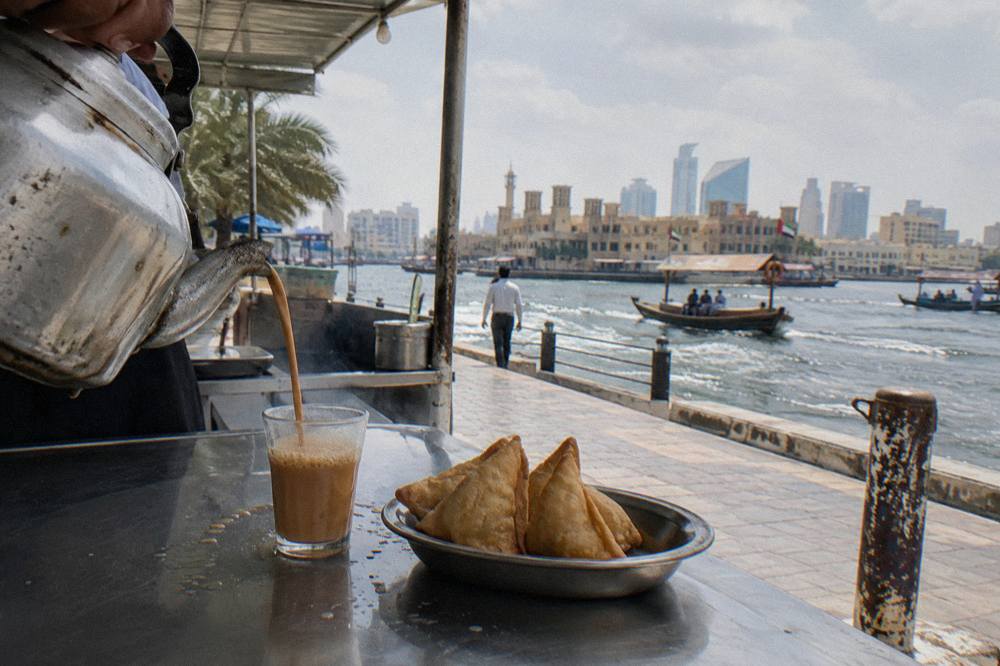
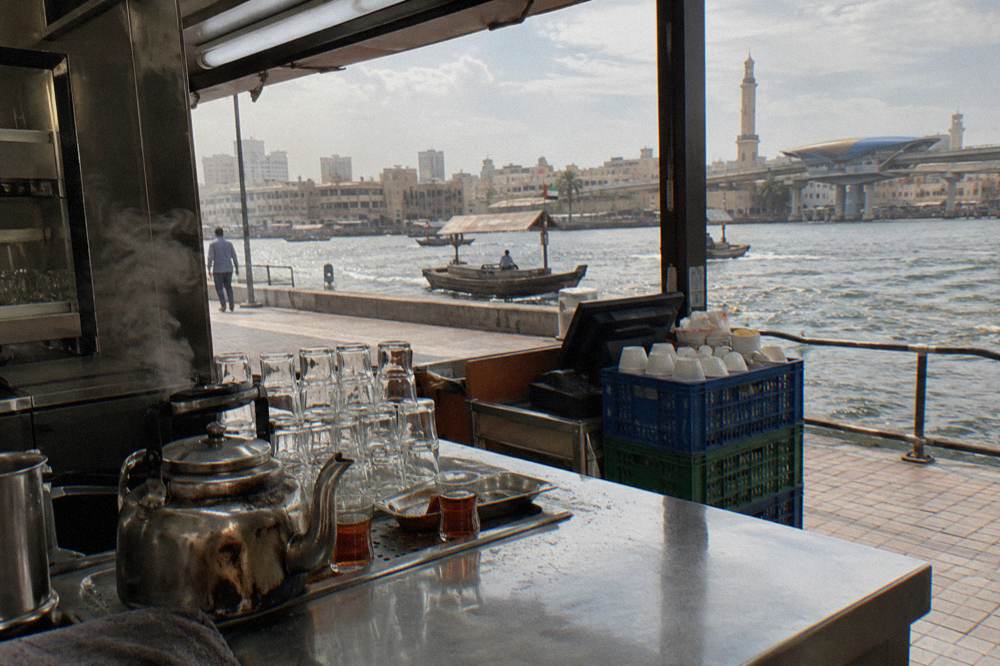
Karak chai is spiced milky tea boiled with cardamom, and sometimes saffron or ginger, until it is thick, sweet and strong. It arrived with South Asian workers and became Dubai's default cheap drink, sold at reported prices of 1 to 3 AED a cup at local cafeterias and street stalls, with cafe versions running higher, one reported example at 14 AED. It is the drink most locals grab on the way to work, not a tourist novelty.
The name comes from "kadak," the Hindi word for strong, and the brewing method is the opposite of the delicate pour-over most visitors expect. The tea leaves, milk, sugar and spices are boiled together, often twice, until the mixture reduces and the flavours concentrate. Street-side cafeterias in Deira and Bur Dubai make it in huge pots from before dawn, and the drink pairs naturally with the samosas and parathas sold alongside it. Reported prices put samosas at 1 to 5 AED per piece, or 10 to 12 AED for a bag of about five, which makes a full karak-and-samosa snack cost less than a coffee-shop muffin in most Western cities.
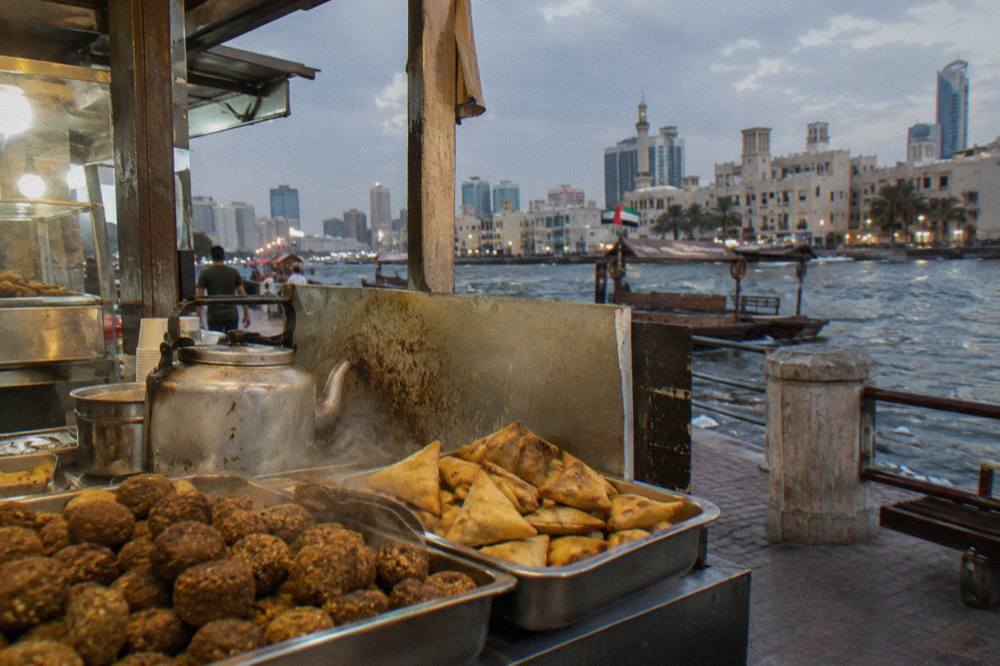
Karak is also the bridge between Dubai's two food worlds. It appears on Emirati breakfast tables next to balaleet, the saffron and cardamom vermicelli dish, and it shows up in the same sentence as gahwa in most guides to local hospitality. On guided walks through Old Dubai, a karak stop is standard: the listing for one popular street food walk describes tastings of shawarma, falafel, karak tea, samosa, rogag and luqaimat in a single route. For a fuller picture of the street food surrounding the karak kettle, see the Dubai street food guide.
How Do You Take Gahwa, Arabic Coffee, Properly?
Gahwa is lightly spiced, unsweetened cardamom coffee poured into small handleless cups called finjan, always served with dates. The etiquette is specific: receive and hold the cup with the right hand, and when you have had enough, shake the empty cup gently from side to side to signal that you do not want a refill. Hosts pour continuously, so without that signal the cup keeps coming.
The coffee itself is lighter than most visitors expect. It is roasted pale, ground fine, and steeped with cardamom, sometimes with a whisper of saffron, and it is never sweetened at the pot. Sweetness comes from the dates on the tray, which is why the pairing is traditional rather than accidental. The dates are eaten between sips, and the combination of bitter coffee and dense fruit sugar is the whole point. An etiquette guide published in October 2026 sets out the right-hand rule and the cup-shake signal plainly, and the gesture matters: a host who misses the signal will keep pouring, because refusing outright is not part of the ritual.
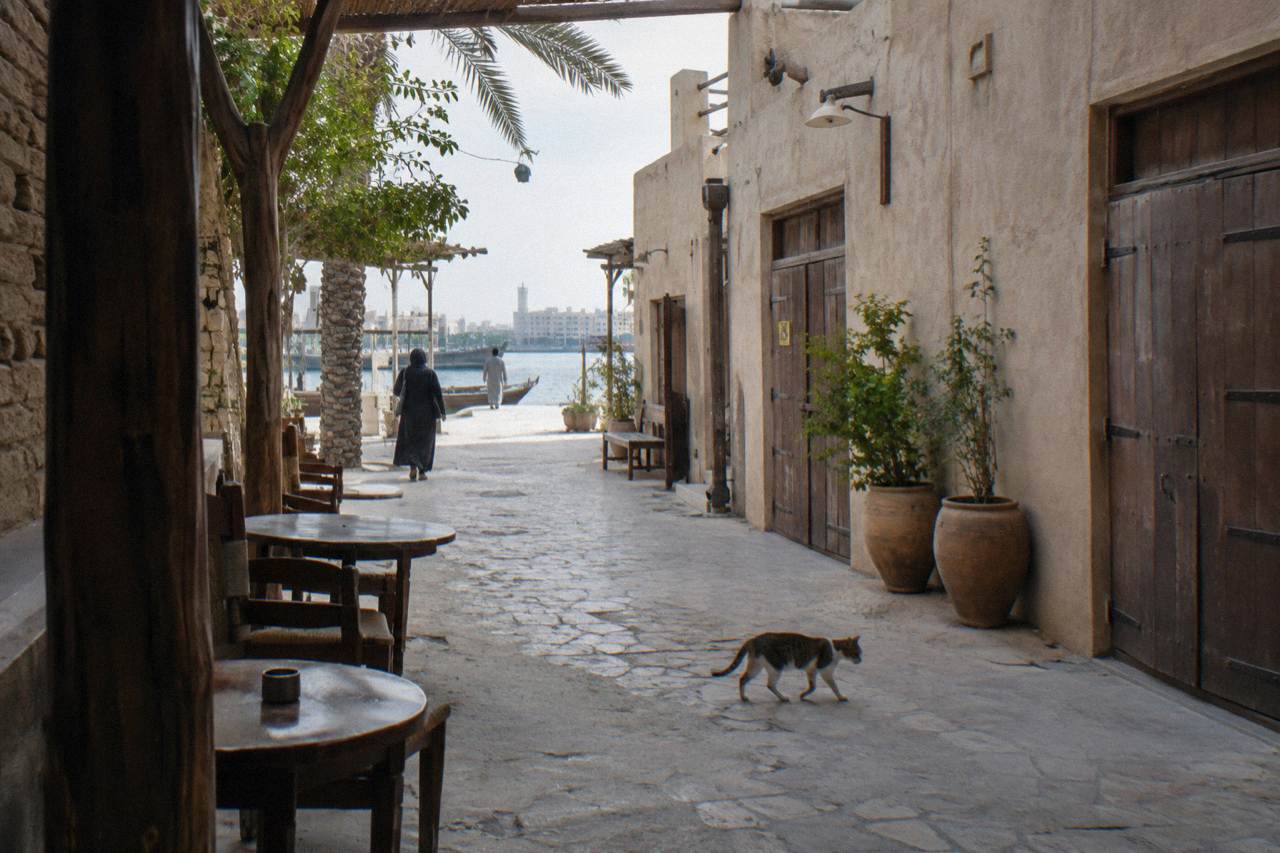
Where you meet gahwa matters. At a private majlis or a cultural meal, the coffee service is formal and unhurried. In Old Dubai's cafes and heritage venues, it is more relaxed but the same rules apply. The Sheikh Mohammed Centre for Cultural Understanding in the Al Fahidi Historical Neighbourhood runs 1.5-hour cultural meals with Emirati hosts that include Arabic coffee and dates plus an open question session on customs and daily life; reported prices are AED 130 for breakfast or brunch, AED 145 for lunch, AED 150 for fuala tea time and AED 160 for dinner, with booking required. For the wider coffee culture of the historic district, the Al Fahidi coffee stops guide covers the venues.
A cultural meal is one way in; a guided souk walk is another. The Dubai Flavors of Arabia souk tour with tastings and dinner, a 2.5-hour walk in the emirati-cultural-dining family, suits exactly this kind of evening: the listing describes souk browsing, tastings and a dinner, which is where gahwa, karak and dates usually enter the picture. The current price and meeting point are on the operator's listing, so check there before planning the evening around it. Check availability
Which Date Varieties Should You Taste In Dubai?
The UAE grows around 150 date varieties, and the ones visitors most often meet are Khalas, Barhi and Fard. Fresh rutab, the soft early-season stage, appears mainly in summer, with the peak from June to September, and reported market prices start from around 15 AED per kilogram at festivals and markets. Dried dates are available year-round, so there is always something to taste no matter when you visit.
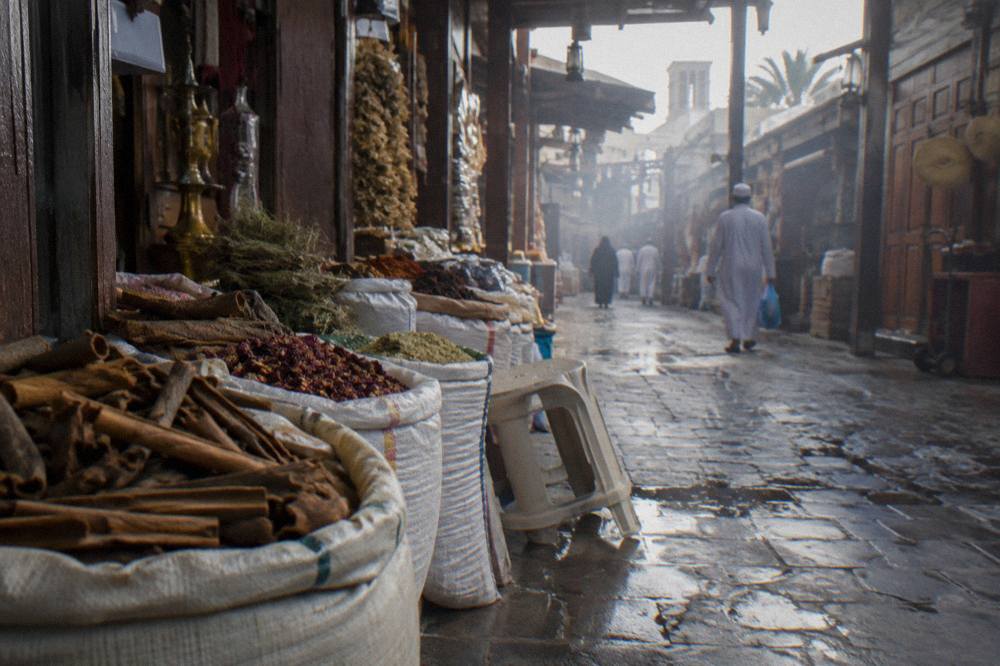
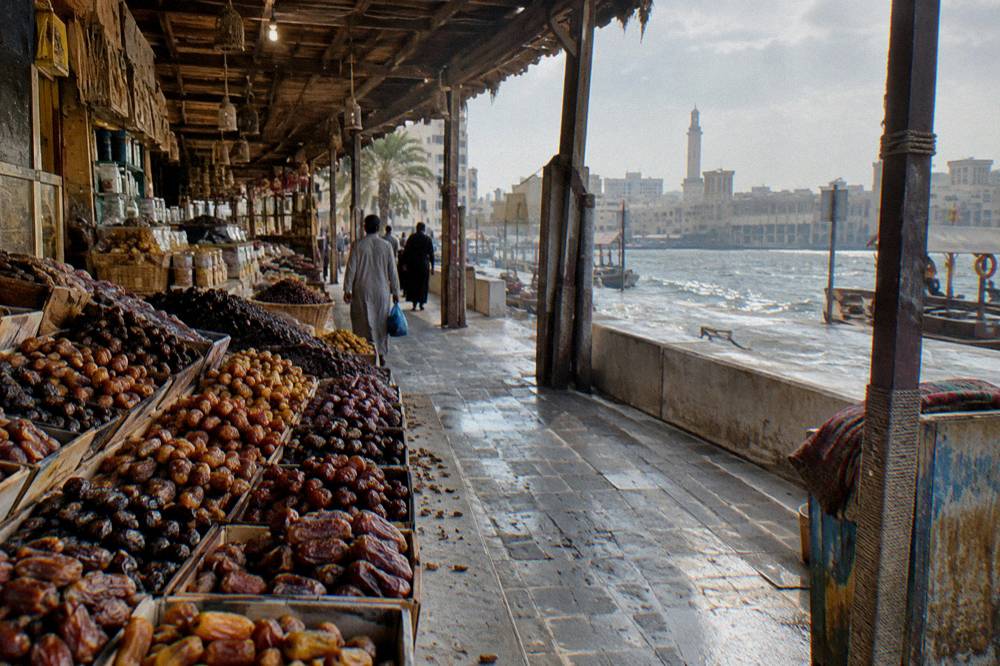
Dates are the backbone of Emirati hospitality, and the variety matters more than most visitors realise. Khalas is the classic: medium-sized, caramel-sweet and soft, the variety most often served with gahwa. Barhi goes from crunchy and golden to soft and honeyed as it ripens, and Fard is the dark, dense everyday date sold by the kilogram in the Spice Souk. The fresh rutab season is short, roughly the best two to three months of the summer, and during it farmers sell fruit that never makes it to the export market because it is too delicate to ship. A July 2026 report from the Khaleej Times put fresh dates from about 15 AED per kilogram at markets, and the same reporting described the harvest blending traditional practice with modern farming.
Buying dates in the souk is straightforward if you know what the grades mean. Loose dried dates are the cheapest and keep for months; fresh rutab must be eaten within days. Stallholders in the Spice Souk generally open earlier than 8am and past 9pm, with a daytime closure on Fridays and many midday breaks, though individual shops vary and it is worth checking before making a special trip. The Deira Spice Souk guide covers what else to buy on the same visit.
| Date variety | Texture | Flavour profile | Best use |
|---|---|---|---|
| Khalas | Soft, medium-sized | Caramel sweetness | The classic gahwa pairing |
| Barhi | Crunchy when young, soft when ripe | Honeyed, less intense | Eating fresh in rutab season |
| Fard | Dense, dark | Deep, everyday sweetness | Buying by the kilogram |
What Do Karak, Gahwa And Dates Actually Cost?
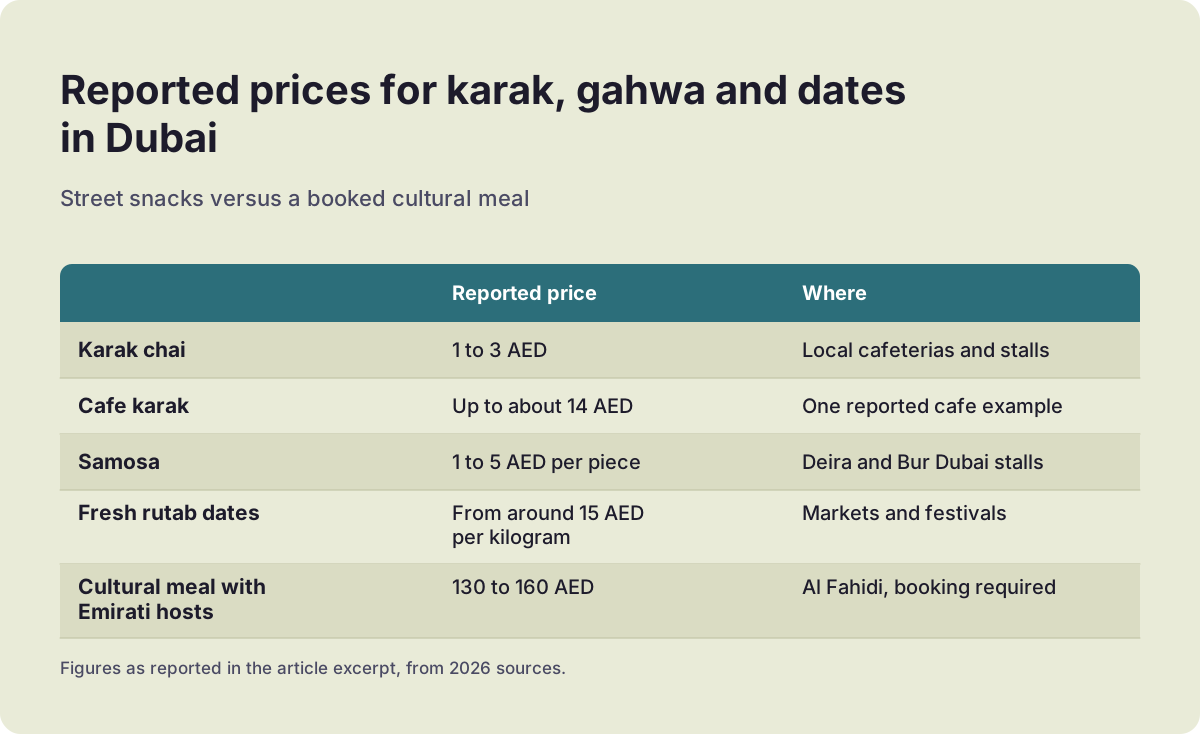
At street level, a karak chai costs a reported 1 to 3 AED, a falafel wrap 4 to 15 AED, and dried dates from around 15 AED per kilogram at markets. At the formal end, a cultural meal with Emirati hosts runs a reported 130 to 160 AED depending on the sitting.
The numbers come with a caveat: these are reported figures from 2026 sources, not quotes, and individual venues set their own prices. A cafeteria karak in Deira and a heritage-cafe karak in Al Fahidi are different products with different rent behind them, which is why the reported range for cafe versions stretches to 14 AED in one example. Restaurant bills add a service charge of up to 10 per cent, which venues often retain rather than pass to staff, plus 5 per cent VAT, so the menu price is not the final number. Tipping is personal preference; Visit Dubai's guidance suggests 10 to 15 per cent at restaurants and AED 5 to 10 at cafes, and it is worth checking with the waiter that a card-terminal tip actually reaches the staff.
| Item | Reported price | Where |
|---|---|---|
| Karak chai | 1 to 3 AED | Local cafeterias and stalls |
| Cafe karak | Up to about 14 AED | One reported cafe example |
| Samosa | 1 to 5 AED per piece | Deira and Bur Dubai stalls |
| Fresh rutab dates | From around 15 AED per kilogram | Markets and festivals |
| Cultural meal with Emirati hosts | 130 to 160 AED | Al Fahidi, booking required |
Where Do Guided Walks Fit These Drinks In?
Guided food walks in Old Dubai treat drinks and sweets as standard stops, not extras. Listings describe karak tea, Arabic coffee, dates and luqaimat among their tastings, and the emirati-cultural-dining options add a full meal with a host who explains the customs. If you want the etiquette taught rather than read, the guided route is the efficient version.
The advantage of a guide is context delivered at the counter. A walk through the souks can put a karak cup in your hand at a cafeteria locals actually use, then cross the Creek and explain what the date varieties in the Spice Souk are, in the space of an afternoon. The Aladdin tour of souks, Creek and Old Dubai with tastings runs about 3 hours and is built around that shape. Its price and current availability are on the operator's listing.
Longer formats stretch the same idea. A walk combining souks, museums and local food testing, also around 3 hours, adds heritage context to the tasting stops, which suits visitors who want the history alongside the karak. As with every option here, the exact stop list varies by day and guide, so treat the listing's description as the promise and check the booking page for the current itinerary.
For visitors who want the skyline after the souk, one 3-hour VIP option pairs more than seven tastings with access to the Burj Khalifa. It is a different animal from a heritage walk, but the tasting list still leans on the same Emirati and street classics, and the contrast between old and new Dubai is the point of the format.
The formats differ enough that a side-by-side read helps before booking. The table below sets out the guided options named in this guide against their shape and duration, with prices left to the operators' listings since they move with dates and group size.
| Guided option | Duration | Shape | Where the drinks fit |
|---|---|---|---|
| Flavors of Arabia souk tour with tastings and dinner | 2.5 hours | Souk walk, tastings, dinner | Gahwa and dates at the table, karak en route |
| Aladdin tour: souks, Creek, Old Dubai and tastings | 3 hours | Souks, Creek crossing, tastings | Karak stop plus sweet tastings |
| Souks, museums and local food testing walk | 3 hours | Heritage sites plus tasting stops | Drinks between museum stops |
| VIP walk with 7+ tastings and Burj Khalifa access | 3 hours | Tastings plus skyline finish | Street classics first, skyline after |
When Is The Best Time To Drink What?
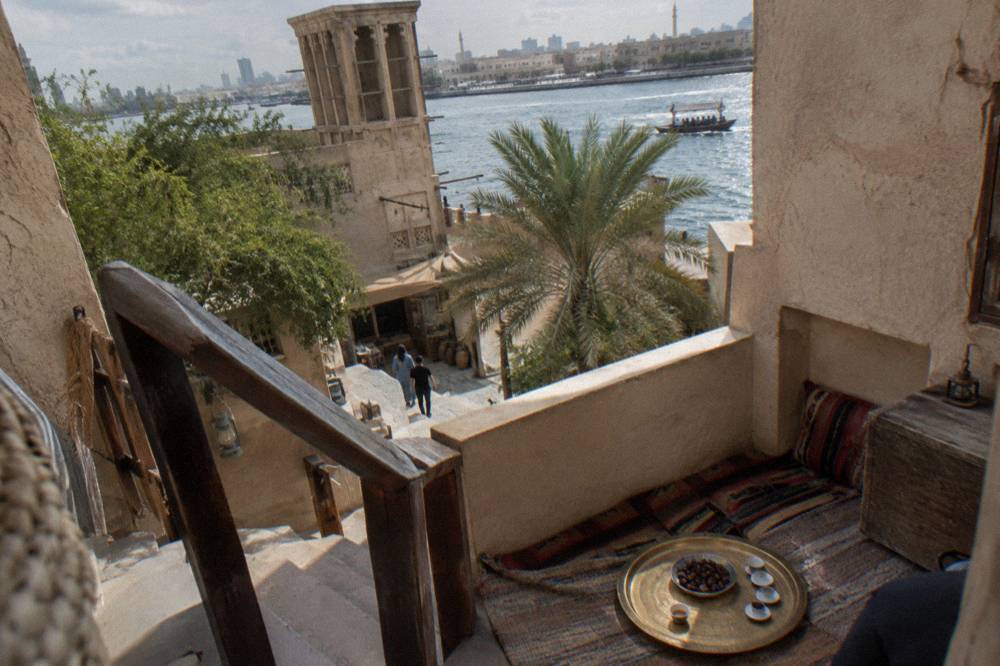
Winter, December to February, is the walking season: NCM-derived normals put average daytime highs at 24 to 26 C, which suits a warm-drink crawl through open-air souks. Karak is a morning and evening drink at street level, gahwa follows the hospitality clock of its host, and fresh rutab dates are a summer phenomenon, from roughly June to September, so the date you taste in January will be dried, not fresh.
The weather shapes the plan more than the menu does. December mean temperatures at the airport station run from a high of 26.5 C to a low of 17.3 C, and January is cooler still, 24.4 C to 15.3 C, which makes the roughly 1.8 km Al Seef waterfront promenade and the lanes of Al Fahidi comfortable at a walking pace. Sunrise in mid-December is around 06:57 with sunset around 17:32, so an afternoon karak stop lands in daylight and an evening gahwa service lands after dark. Summer flips the logic: the heat makes short, shaded stops the only sane format, and a hot karak in July is a braver order than it sounds.
Timing also collides with Ramadan, when the rhythm of the whole city shifts. Non-Muslims are not required to fast and restaurants operate as normal, but etiquette in shared public spaces during daylight fasting hours calls for discretion, and a street karak at noon in Ramadan is the wrong read of the room. The food tours during Ramadan guide covers the adjustments in full.
How Do You Order Karak Without A Word Of Arabic?
You say "karak, one," or hold up fingers, and pay a few dirhams; the word is the whole order. In cafeterias the tea is already made, the cups are stacked by the pot, and the transaction takes seconds. The only real decisions are sugar level, which you can gesture, and whether you want it in a proper glass cup or a takeaway, which you can also gesture.
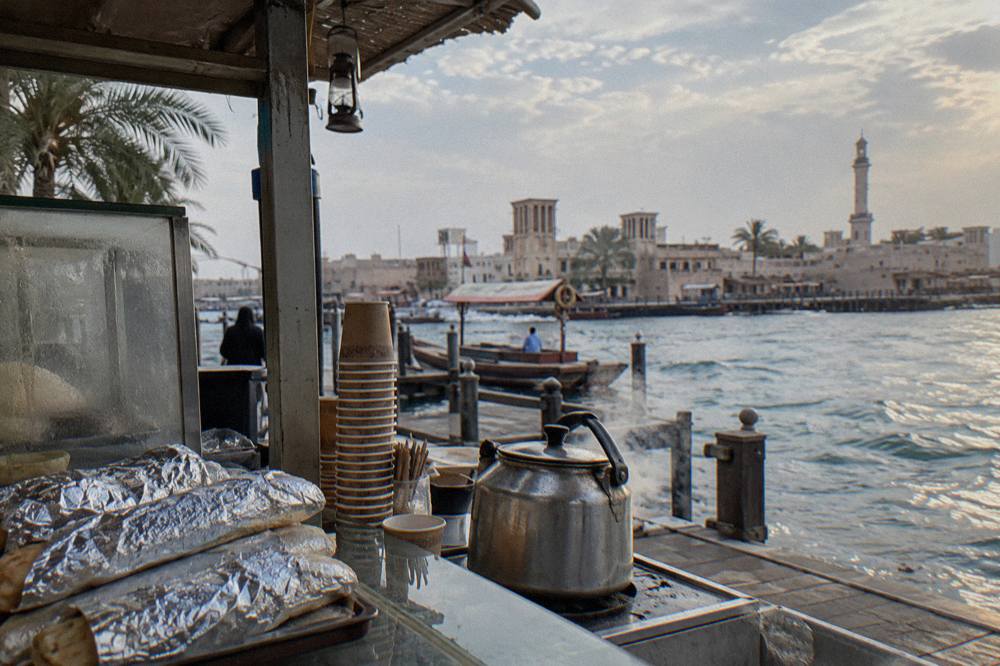
Cafeteria culture is built for speed and for workers on breaks, so nobody expects a conversation. The classic move is to order karak with a samosa or two, stand at the counter or lean on a parked car, and be done in ten minutes. In the souks, the same logic applies to dates: stallholders will offer a taste before you commit to a kilogram, and tasting before buying is normal, not cheeky. The one etiquette that genuinely matters elsewhere in Old Dubai is photography: always ask permission before photographing individuals, especially women and families in traditional dress, and in the souks ask before shooting a stallholder's goods at close range.
A few practical notes round out the picture. Dress with shoulders and knees covered in heritage areas and souks, not because of fines but because it reads as respect in traditional districts. Meat everywhere is halal, and pork appears only in segregated licensed sections, so nothing on a karak-and-dates crawl touches that question. Alcohol is a separate world: licensed venues only, over 21, never in public, and Old Dubai food walks serve none unless a listing says otherwise. The dress code guide has the details.
What Should A First-Timer Actually Do First?
Start with a cafeteria karak and a samosa in Deira or Bur Dubai, reported cost under 10 AED total, to calibrate the street version. Then take a cultural meal or a guided souk walk with tastings to get gahwa served properly and the etiquette explained. Finish with a kilogram of dates from the Spice Souk, tasted before bought, choosing Khalas if you want the classic gahwa pairing.
The order matters less than the contrast. Drinking a 2 AED karak standing at a counter, then sitting for a hosted gahwa service, teaches you more about Dubai in one day than either does alone. The first is the city's working pulse; the second is its formal welcome. Between them, the dates do the quiet work of connecting the two, because the same fruit appears on the cafeteria counter and the majlis tray.
For planning the wider day around these stops, the Old Dubai food walk guide lays out the route logic between Al Fahidi, the souks and the Creek crossing, and Dubai Food Tours covers the full range of guided options across the city. The Al Fahidi Historical Neighbourhood keeps public access to its lanes and courtyards, with Dubai Culture stating hours of 7am to 8pm daily, and the Al Fahidi Fort museum building remains closed for a major restoration begun in 2021, with 2026 reports pointing to a reopening in the coming months. A first-timer who walks that district, crosses to Deira, and drinks both drinks is doing Old Dubai correctly.
Common Questions About Arabic Coffee, Karak And Dates In Dubai
What Is Karak Tea In Dubai?
Karak chai is spiced milky tea boiled with cardamom until strong and sweet, sold at a reported 1 to 3 AED a cup at local cafeterias. It is Dubai's everyday street drink, usually paired with samosas.
How Do You Drink Arabic Coffee Correctly?
Receive the small finjan cup with your right hand, drink it unsweetened, and take sweetness from the dates served alongside. When you have had enough, shake the empty cup gently from side to side to signal no more refills.
Which Dates Should I Buy In Dubai?
Khalas is the classic soft caramel variety served with gahwa, Barhi ranges from crunchy to honeyed as it ripens, and Fard is the dense dark everyday date sold by the kilogram. Taste before buying; it is normal practice in the souk.
How Much Do Karak, Gahwa And Dates Cost?
Reported prices: karak 1 to 3 AED at cafeterias, samosas 1 to 5 AED each, dried dates from around 15 AED per kilogram, and cultural meals with Emirati hosts 130 to 160 AED. Restaurant bills add up to 10 per cent service charge plus 5 per cent VAT.
When Is Fresh Rutab Date Season In Dubai?
Fresh rutab appears mainly in summer, with the peak from June to September and the best fruit in roughly two to three months of that window. Dried dates are available year-round, so there is always something to buy.
Do Guided Food Walks Include Karak And Arabic Coffee?
Many do: listings for Old Dubai walks describe karak tea, samosas, luqaimat and similar tastings among their stops, and the emirati-cultural-dining options add hosted meals with gahwa and dates. Check the operator's listing for the current tasting list and price.