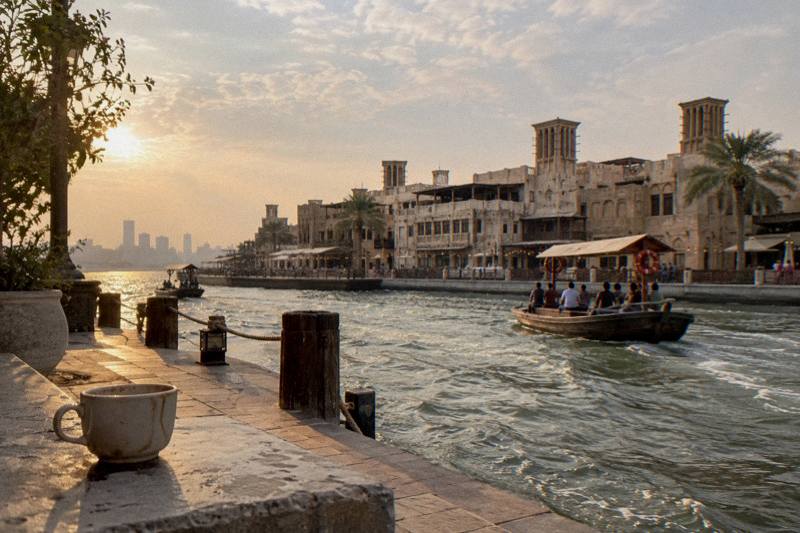
Al Fahidi Historic District: Food And Coffee Stops
Al Fahidi is the oldest surviving neighbourhood in Dubai, a grid of coral stone houses and wind towers where the eating is slow, courtyard based and built around Emirati breakfast dishes and cardamom coffee. This guide covers what to eat, where the coffee stops are, and how a guided walk changes the visit.
Short answer
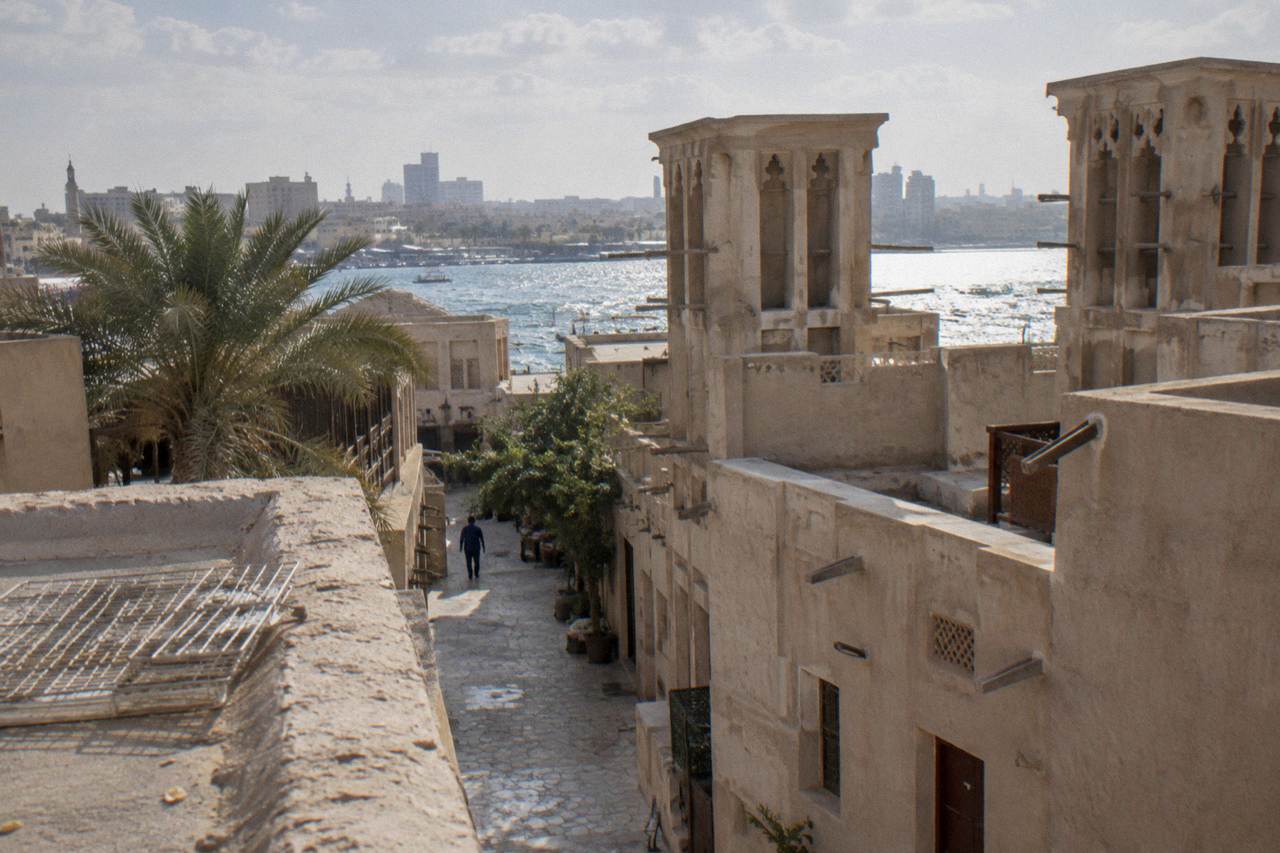
Al Fahidi is open to walkers from 7am to 8pm daily, and the eating centres on courtyard cafes serving Emirati breakfast dishes such as balaleet and chebab, reported at around AED 52 a plate. Arabic coffee and karak cost a few dirhams nearby. Guided walks of the district run 2.5 to 4 hours and start from the Al Fahidi area.
Al Fahidi, once called Bastakiya, is a low rise rectangle of coral and gypsum houses squeezed between the Bur Dubai creekfront and the busy roads behind it. Wind towers rise over lanes barely two metres wide, and the district's reported opening window for walkers is 7am to 8pm, Monday to Sunday, with free public access to the lanes, galleries and courtyards. The food here is not the shawarma and falafel strip of Deira, though both are minutes away. It is a slower, courtyard style of eating: Emirati breakfast plates, dates, Arabic coffee poured from a dallah, and karak chai from the cafeterias just outside the district walls. This guide walks through the district stop by stop, then looks at the guided walks that use Al Fahidi as a meeting point, including the featured Dubai Food Tours option that starts in the neighbourhood and finishes with a Creek crossing.
What Is The Al Fahidi Historic District?
Al Fahidi is Dubai's oldest surviving residential neighbourhood, a compact grid of restored wind tower houses on the Bur Dubai side of the Creek, open to walkers daily from 7am to 8pm with free entry to its lanes and courtyards. Today it holds small museums, galleries, courtyard cafes and craft shops rather than restaurants on every corner.
The district sits a short walk from the Al Seef waterfront promenade, a reported 1.8 km stretch on the same side of the Creek, and from the Textile Souk. That triangle, Al Fahidi, Al Seef and the souk, is the standard walking circuit for Bur Dubai, and no route closures were reported for pedestrian connections in 2026. The nearest metro stations are Sharaf DG on the Green Line, which serves the Al Fahidi area, and BurJuman a little further south.
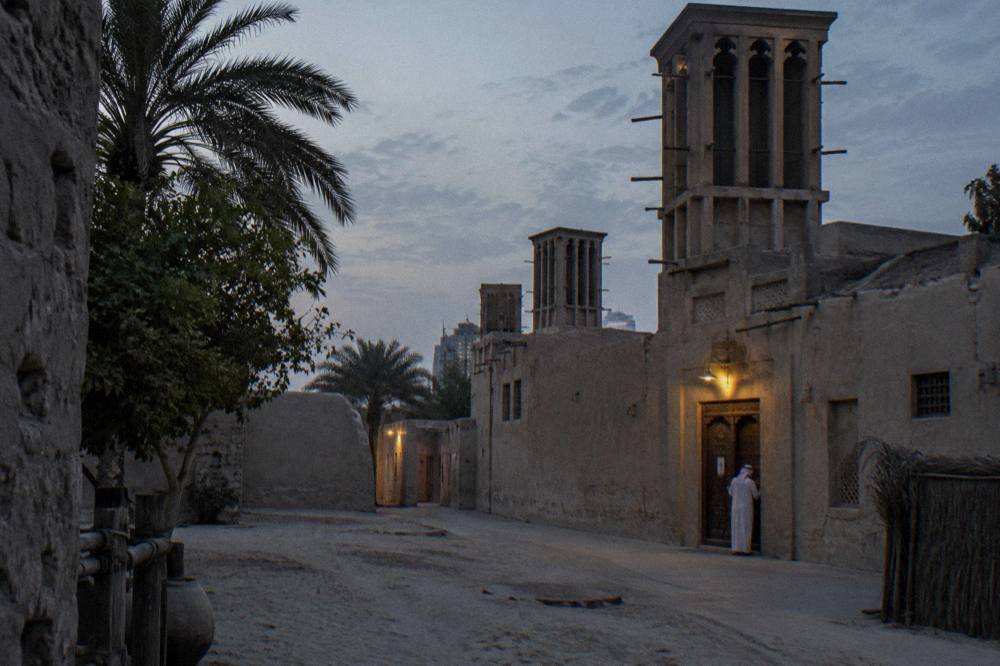
One thing to know before planning: Al Fahidi Fort, which houses Dubai Museum on the district's edge, has been closed for a major restoration since 2021. Reports from late 2026 indicate preparations for a reopening in the coming weeks or months with new galleries, but until it opens, the fort is a construction site to walk past, not a stop to book around. The district's merchant history is visible in the architecture itself, coral stone walls, wind towers and carved teak doors, and the guided walks of the area tell that story lane by lane.
Where Do You Actually Eat Inside Al Fahidi?
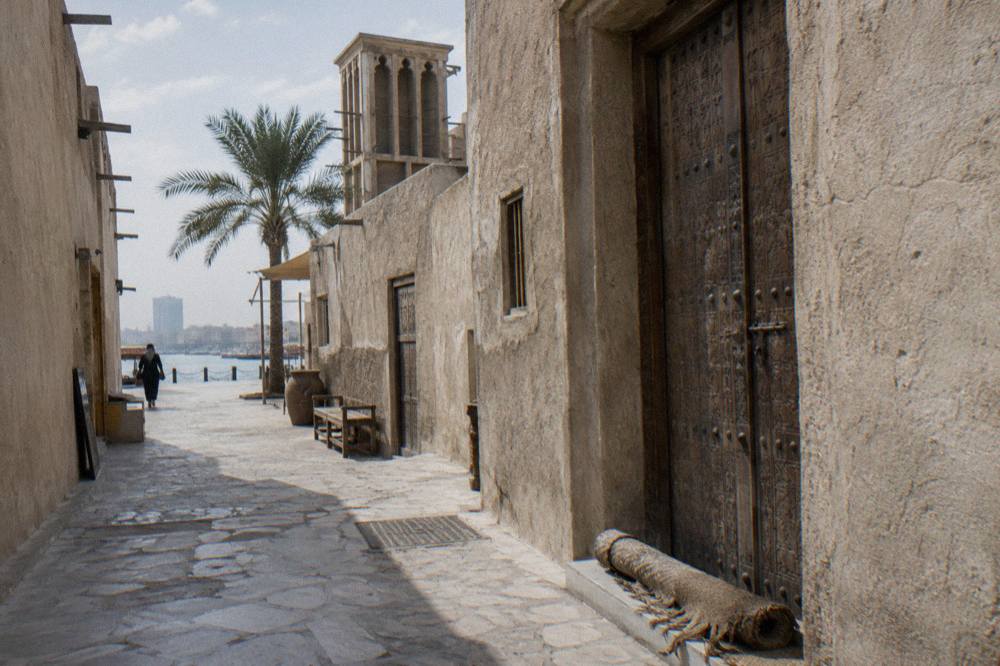
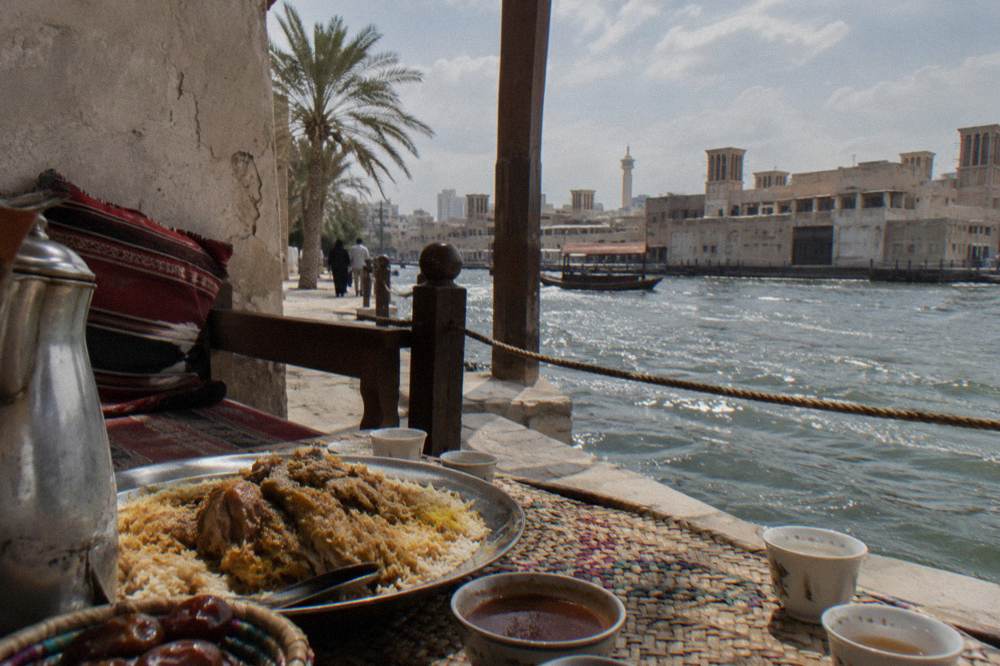
Eating inside the district happens in courtyard cafes and heritage style venues rather than street stalls, and the signature order is the Emirati breakfast: balaleet, chebab pancakes, regag bread and dates, reported at around AED 52 for a balaleet plate at the best known courtyard cafe. For a sit down Emirati meal with hosts, the Sheikh Mohammed Centre for Cultural Understanding runs 1.5 hour cultural meals, booking required.
Arabian Tea House in Al Fahidi serves the dishes most visitors come to the district to try: balaleet, the sweet saffron and cardamom vermicelli topped with a thin omelette, plus regag with egg or cheese and Emirati breakfast boards. Around AED 52 is the reported figure for a balaleet plate there. Chebab, saffron and cardamom pancakes eaten with cream cheese and date syrup, is the other breakfast to look for, and karak chai is the drink poured alongside almost all of it. For a fuller picture of how these dishes are served in a home setting, the guide to an Emirati meal hosted in Old Dubai explains the rituals, costs and who it suits.
“We were fortunate enough to be the only couple on the tour. Our guide for the day was Malick and he was brilliant.”
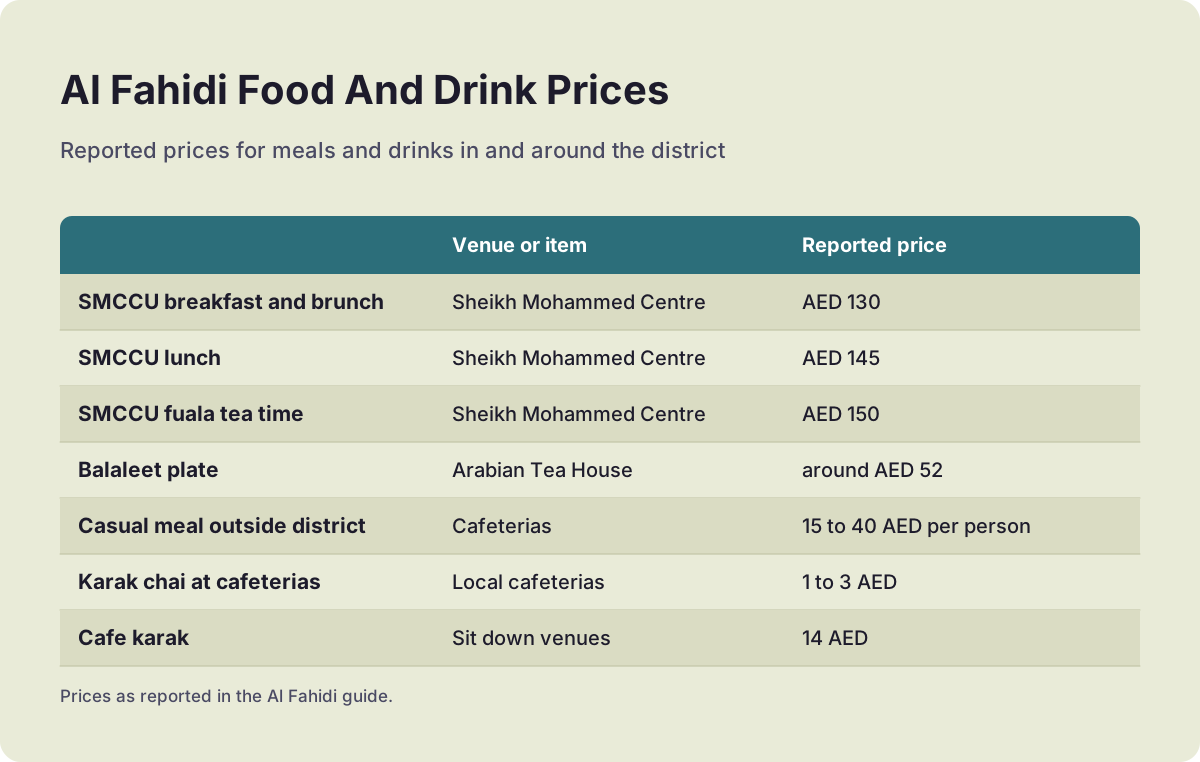
The Sheikh Mohammed Centre for Cultural Understanding, known widely as SMCCU, sits inside the Al Fahidi Historical Neighbourhood and offers something no cafe can: a meal with Emirati hosts and an open question and answer session on customs, Islam and daily life, with Arabic coffee and dates served as part of it. Reported prices are AED 130 for breakfast and brunch, AED 145 for lunch, AED 150 for the fuala tea time and AED 160 for dinner, and booking is required. The centre's own programme page carries the current schedule and booking details.
Beyond those two anchors, the eating thins out. The lanes hold coffee stops and small heritage venues, and the cheap cafeterias cluster on the roads just outside the district, where a casual Emirati or Levantine meal runs a reported 15 to 40 AED per person. That split, courtyard plates inside and cafeteria prices outside, is worth knowing before you budget a morning. For a wider picture of the neighbourhood's food scene, the Bur Dubai food walk guide covers the creekfront side of the district.
Visitors to Al Fahidi often pair it with a guided tasting, since the guides know which courtyards serve what and how the dishes fit together. These are the three options that fit the district best:
What Are The Coffee Stops, And How Does Gahwa Etiquette Work?
Coffee in and around Al Fahidi comes in two traditions: gahwa, the unsweetened cardamom Arabic coffee served in small finjan cups with dates, and karak chai, the spiced milky tea sold for a reported 1 to 3 AED at local cafeterias. Gahwa etiquette is specific: accept and receive the cup with the right hand, and when you have had enough, shake the empty cup gently side to side to signal no more refills.
Gahwa is lightly spiced with cardamom and served unsweetened, traditionally alongside dates so the sweetness comes from the fruit, not the cup. The pouring ritual matters in a majlis setting and at SMCCU's cultural meals: the host keeps refilling until you signal. The side to side shake of the empty cup is the polite stop. Getting this right in a heritage district earns quiet approval, and getting it wrong is forgiven quickly, but knowing it changes how a coffee stop feels.
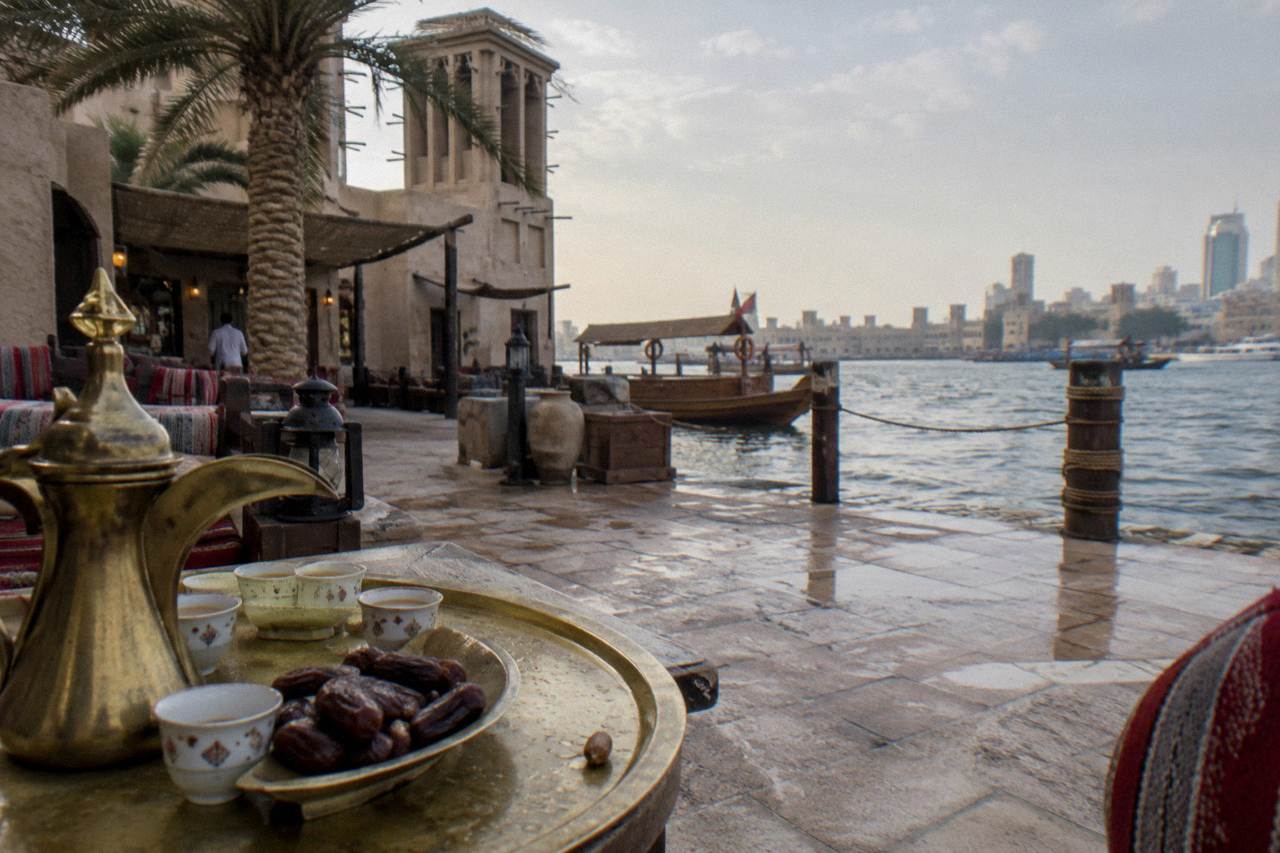
Karak is the other half of the district's drinking culture, spiced milky tea that pairs with Emirati breakfast dishes like balaleet. At local cafeterias and stalls a cup runs a reported 1 to 3 AED, while cafe versions climb to a reported 14 AED at sit down venues. The Arabic coffee, karak and dates guide traces both drinks in more depth.
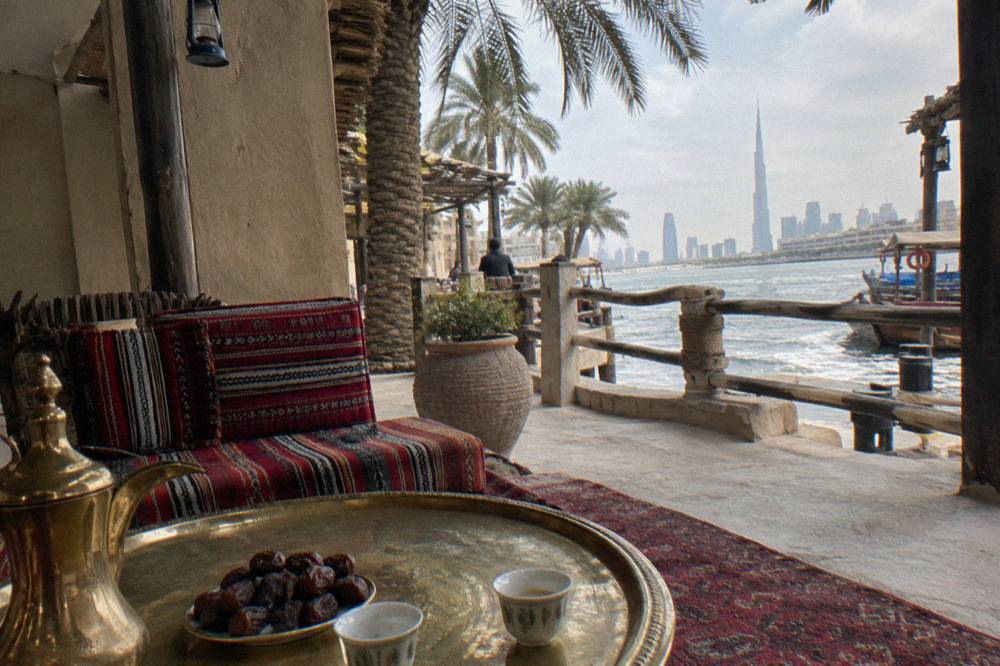
The featured tour of this district, Al Fahidi Old Town, Souks, Street Food and Abra Cruise, runs 2.5 to 4 hours and strings the neighbourhood together with the Bur Dubai souks, street food tastings and a Creek crossing by boat. Its price varies by date and group size, so check the operator's booking page for the current figure, and check availability if a morning slot fits your plans.
What Dishes Should You Look For Around Al Fahidi?
The dishes worth seeking out near the district are the Emirati breakfast and comfort plates: balaleet, chebab, regag bread, machboos, harees and luqaimat, plus the shawarma, falafel and samosa sold at the cafeterias outside. Machboos, the national dish, is rice slow cooked with meat, dried limes and baharat spices, while harees is wheat and meat cooked for 6 to 8 hours into a smooth porridge. Luqaimat, crisp dumplings in date syrup, are the dessert.
A short dish list keeps the district manageable. Balaleet and chebab are the breakfast pair, sweet and saffron scented. Machboos arrives family style on a platter with tomato sauce or pickles. Harees is the comfort dish of gatherings and Ramadan. Thareed, a meat and vegetable stew ladled over thin regag bread, and madrouba, a thick spiced salted fish porridge, are the deeper cuts. Restaurants a short ride away in Deira serve machboos at a reported 58 to 65 AED and harees at around 42 AED, figures to check on the day.
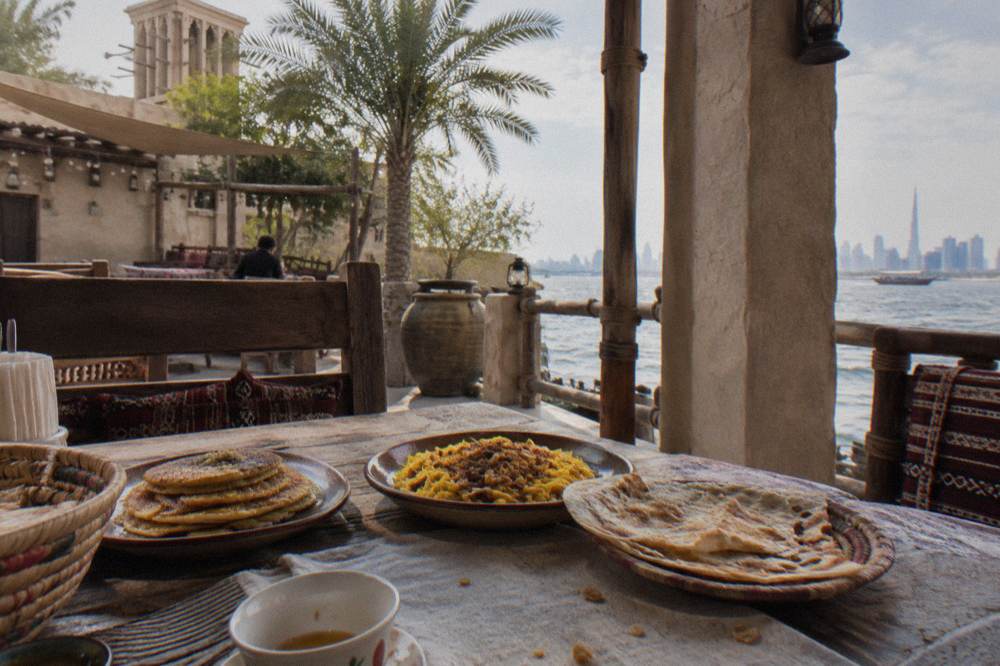
The street food layer is cheaper and faster. Around Al Fahidi and the lanes toward Al Seef, reported prices run shawarma 7 to 15 AED at local spots, falafel from 1.50 to 8 AED, samosa 2 to 3 AED each or 10 to 12 AED for a bag, and luqaimat 10 to 18 AED. The Dubai street food guide maps where each of these is strongest across the city.
| Dish | What it is | Where to find it near Al Fahidi | Reported cost |
|---|---|---|---|
| Balaleet | Saffron vermicelli with a thin omelette | Courtyard cafes in the district | Around AED 52 a plate |
| Chebab | Saffron and cardamom pancakes | Emirati breakfast venues | Check the menu on the day |
| Machboos | Rice with meat, dried limes, baharat | Emirati restaurants in Deira | AED 58 to 65 |
| Harees | Wheat and meat porridge, 6 to 8 hours cooked | Emirati restaurants in Deira | Around AED 42 |
| Luqaimat | Fried dumplings, date syrup, sesame | Sweet stalls and cafeterias | AED 10 to 18 |
| Karak chai | Spiced milky tea | Cafeterias around the district | AED 1 to 3 |
One tour that leans into the Emirati side of this list is the Old Town, Street Food, Creek, Souks and Emirati House tour, a 3 hour walk that includes an Emirati house stop alongside the street food. Inclusions vary by date, so the booking page is the place to confirm what is served.
What Do The Guided Walks Of Al Fahidi Cover?
The guided walks that use Al Fahidi run 2.5 to 4 hours and combine the district's lanes with the Textile Souk, a Creek crossing and tastings in the Deira souks, with the premium 4 hour version adding a boat ride and a fuller street food route. The 3 hour souks and museums walk adds museum stops and local food tasting.
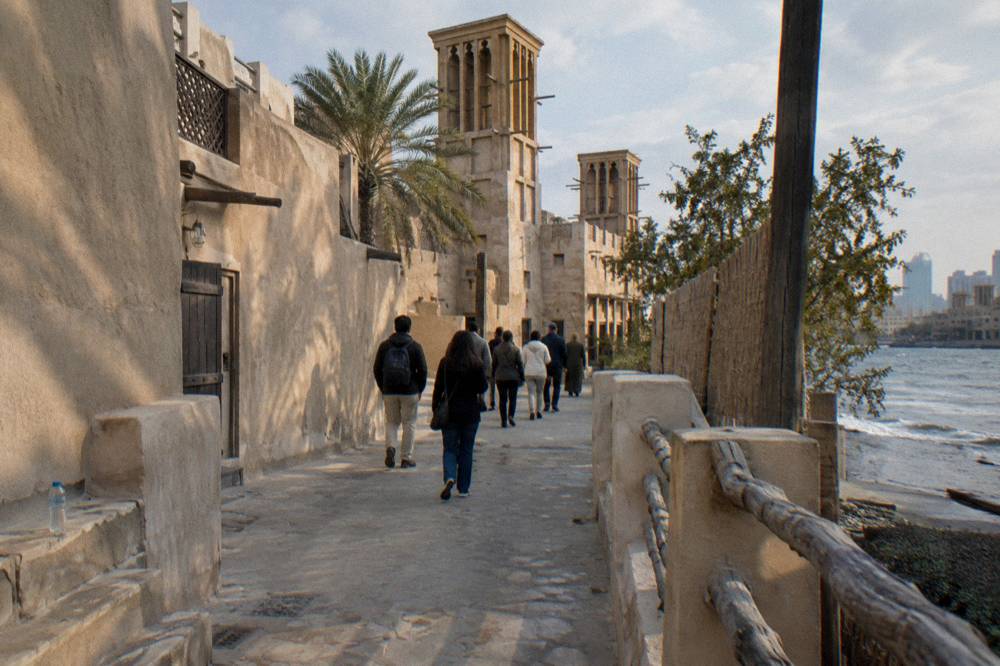
The featured Al Fahidi walk, 2.5 to 4 hours, starts in the historic district and moves through the souks with street food stops and an abra cruise across the Creek. The premium version, a 4 hour tour, covers the Old Town, street food, souks and a boat ride with a longer route. The souks, museums and local food testing walk runs 3 hours and suits visitors who want the museums of the area folded in. All three list their exact tastings and meeting points on their booking pages, and meeting points in the district commonly include the Al Khayma Heritage Restaurant in Al Fahidi and the Al Seef Heritage Hotel entrance.
| Tour | Duration | Focus | Category |
|---|---|---|---|
| Al Fahidi Old Town, Souks, Street Food and Abra Cruise | 2.5 to 4 hours | District lanes, souks, tastings, Creek crossing | Old Dubai street food walks |
| Premium Old Town, Street Food, Souks and Boat Ride | 4 hours | Extended street food route with a boat ride | Old Dubai street food walks |
| Walking Tour: Souks, Museums, Local Food Testing | 3 hours | Museums plus souks and tastings | Old Dubai street food walks |
| Flavors of Arabia Souk Tour with Tastings and Dinner | 2.5 hours | Souk tastings with a seated dinner | Emirati cultural dining |
The souks, museums and food testing walk suits travellers who want the district's small museums as much as its food, and it keeps the pace gentle at 3 hours.
The premium 4 hour option is the pick for visitors who want the fullest route: more street food, the boat ride and the souks in one block, with the district as the opening act rather than the whole show.
What Does Food And Coffee Cost Around The District?
A day of eating around Al Fahidi can cost very little or a fair amount: cafeteria karak at a reported 1 to 3 AED at the bottom, courtyard breakfast plates at around AED 52, a cultural meal at SMCCU at a reported AED 130 to 160, and a mid range restaurant meal at a reported 80 to 150 AED per person. Restaurant bills commonly add a 10 per cent service charge plus 5 per cent VAT.
The cost ladder is steep but legible. At the bottom, the cafeterias around the district walls sell a filling shawarma for a reported 7 to 15 AED and a bag of samosa for 10 to 12 AED. A casual Emirati or Levantine cafeteria meal runs a reported 15 to 40 AED per person. Inside the district, the courtyard cafes sit a step above that, and SMCCU's cultural meals are a fixed, bookable price. At the top, mid range restaurant meals average a reported 80 to 150 AED per person with mains often 40 to 80 AED.
On the bill itself, a 10 per cent service charge is common and venue retained rather than a government fee, and 5 per cent VAT applies to food and drink. Additional cash tips of 5 to 10 per cent, or rounding up, are common but voluntary, and Visit Dubai's own guide to tipping suggests 10 to 15 per cent in restaurants as the usual practice. Card terminals let you add a tip, but it is worth checking with the waiter that it reaches staff.
| Eating level | Reported cost | Notes |
|---|---|---|
| Karak chai, cafeteria | AED 1 to 3 | Cafe versions higher, around AED 14 |
| Samosa, falafel, street snacks | AED 2 to 8 per item | Bags of samosa 10 to 12 AED |
| Casual cafeteria meal | AED 15 to 40 per person | Biryani or mezze sets |
| Courtyard breakfast in the district | Around AED 52 a plate | Balaleet at a known courtyard cafe |
| SMCCU cultural meal | AED 130 to 160 | Booking required, 1.5 hours |
| Mid range restaurant meal | AED 80 to 150 per person | Mains often 40 to 80 AED |
How Do You Get There And Time The Visit?
Al Fahidi is reached on the Green Line of the metro: Sharaf DG station serves the Al Fahidi area, with the metro running 5am to midnight most days and from 8am on Sundays. The district's stated hours are 7am to 8pm daily, and the souks around it open roughly 10am to 10pm, with the Spice Souk closing during the daytime on Fridays. Winter, December to February, brings the lowest average daytime highs, 24 to 26 °C.
The metro is the simplest approach. The RTA's official metro map lists Sharaf DG as the Green Line station for the Al Fahidi area, a short walk from the district's lanes. A Nol card, the reloadable smart card for metro, tram and buses, costs AED 25 including initial credit. Taxis start at a reported AED 5 between 6am and 10pm and AED 5.5 overnight, per the RTA fare page. The getting to Old Dubai by metro and abra guide covers the full route logic, including the Creek crossing by abra.
Timing matters more than most visitors expect. The district's lanes hold heat, and the December to February window, with mean daily maxima of 24.4 to 26.5 °C and minima in the mid teens, is when the walking circuit is pleasant at midday. In warmer months, go early: sunrise in December is around 6:57am and sunset around 5:32pm, so a 7 or 8am start beats both the heat and the crowds. Souk hours around the district vary by shop, and the Spice Souk's Friday daytime closure is the main scheduling trap. Across the Creek, Baniyas Square, Gold Souq and Al Ras stations serve the Deira side if your route continues there.
| Timing factor | Reported figure | Note |
|---|---|---|
| Al Fahidi neighbourhood hours | 7am to 8pm daily | Free public access |
| Metro hours | 5am to midnight, most days | Friday to 1am, Sunday from 8am |
| Winter daytime highs | 24 to 26 °C | December to February, NCM derived normals |
| Gold Souk shops | About 10am to 10pm | Individual shops vary |
| Spice Souk | Before 8am to past 9pm | Closed daytime on Fridays |
What Should You Wear And How Should You Behave?
Cover shoulders and knees in Al Fahidi and the surrounding souks, not because of a fine but because the district is a heritage and residential area where modest dress avoids unwanted attention. Always ask permission before photographing individuals, especially Emirati women, families or anyone in traditional attire. All meat served in restaurants and markets in Dubai is halal, and pork appears only in designated licensed sections.
The dress guidance is consistent across official and local sources: no single law polices tourist clothing, but heritage areas, souks and malls call for covered shoulders and knees. Photography etiquette is firmer. Taking pictures of people without consent can breach privacy rules, so a spoken question first is the standard, and in the souks it is both polite and expected.
For visitors with dietary requirements, the honest position is that listings describe vegetarian, vegan, gluten free or kosher options only when they say so. Where a listing does not say it, message the operator before booking rather than assuming. The vegetarian and dietary needs guide sets out how those conversations usually go.
Can You Do Al Fahidi On Your Own, Or Do You Need A Guide?
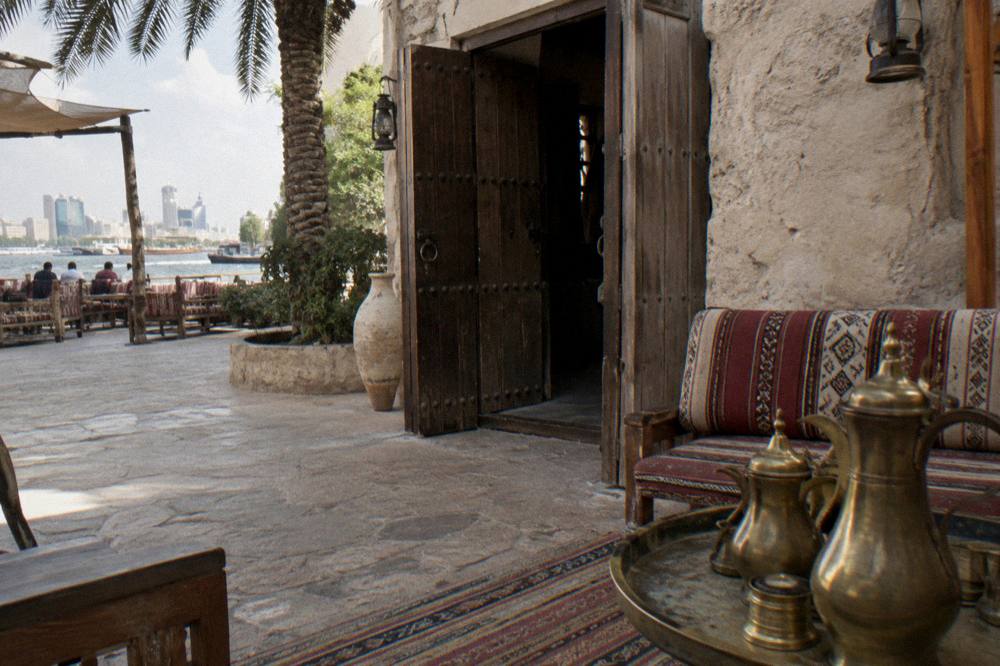
You can walk Al Fahidi entirely on your own for free, the lanes are open 7am to 8pm with no ticket, and a self guided morning of lanes, courtyard coffee and the Al Seef promenade works well. What a guide adds is counted and listed tastings, the stories behind the wind towers and merchant houses, and a route across the Creek that connects the district to the Deira souks without guesswork.
The self guided version is genuinely good. Walk the lanes early, take coffee in a courtyard, follow the creekfront to Al Seef, and cross to Deira for the spice and gold souks when they open. The gap is food knowledge: which cafeteria's karak is worth the stop, which dish to order at an Emirati table, and what gahwa etiquette expects of you. SMCCU's cultural meal covers part of that, and its programme page lists the current meal schedule and prices.
The guided version converts the same few hours into a counted tasting route. The featured Al Fahidi walk pairs the district with the souks and an abra cruise, the premium version extends to 4 hours, and the museums walk folds in the district's exhibits.
Common Questions About Al Fahidi Food And Coffee Stops
Is Al Fahidi Free To Enter?
Yes. The neighbourhood is open to walkers daily from 7am to 8pm with free public access to the lanes, galleries and courtyards. Individual museums and the SMCCU cultural meals charge separately, and Al Fahidi Fort remains closed for restoration until its reported reopening.
What Food Is Al Fahidi Known For?
Emirati breakfast dishes: balaleet, chebab pancakes, regag bread and dates, served in courtyard cafes, with a reported plate price around AED 52. Karak chai and gahwa are the drinks, and the cafeterias just outside the district sell shawarma, falafel and samosa at street prices.
How Long Do The Guided Walks Of Al Fahidi Take?
Between 2.5 and 4 hours. The featured Al Fahidi walk runs 2.5 to 4 hours, the premium Old Town version is 4 hours, and the souks, museums and food testing walk is 3 hours. Exact routes and tastings are listed on each operator's booking page.
What Is The Best Time Of Day To Visit Al Fahidi?
Early morning, from 7am when the lanes open, especially outside the December to February window. Winter daytime highs average 24 to 26 °C, the lowest of the year, so midday walking is comfortable then. Souk shops around the district open around 10am, and the Spice Souk closes during the daytime on Fridays.
How Do You Politely Refuse More Arabic Coffee?
Shake the empty cup gently from side to side. Gahwa is refilled until you give that signal, and the cup is accepted and received with the right hand. Dates on the tray provide the sweetness, since the coffee itself is unsweetened.
Do You Need To Book The SMCCU Cultural Meal In Advance?
Yes, booking is required. The 1.5 hour meals with Emirati hosts are reported at AED 130 for breakfast and brunch, AED 145 for lunch, AED 150 for the fuala tea time and AED 160 for dinner, and the centre's programme page carries current availability.