Things To Do In Old Dubai Beyond The Food
Most visitors come to Old Dubai for the food walks and stay for everything else: the heritage lanes, the souks, the Creek crossing and a stretch of waterfront that costs nothing to wander. Here is how the non-food side of the district fits together, and where a guided walk slots in.
Short answer
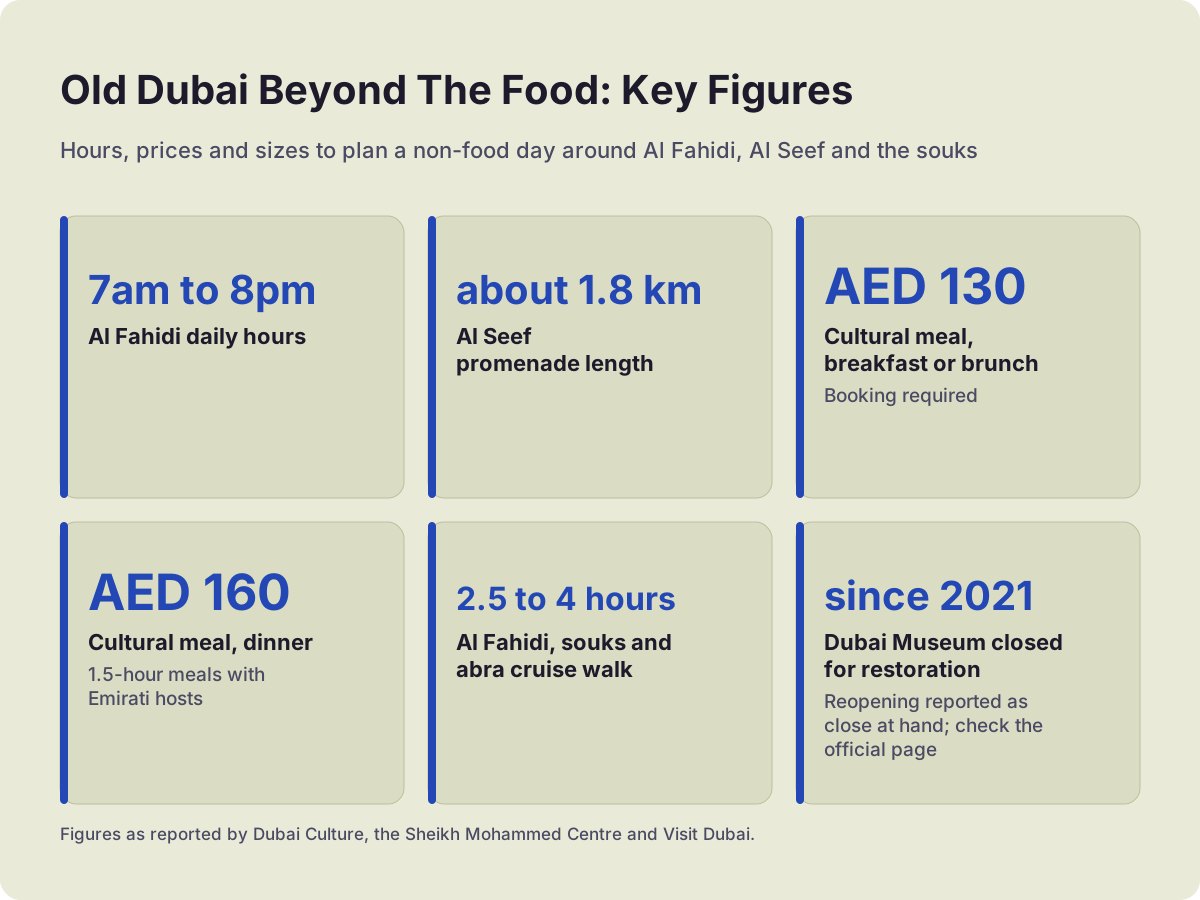
Old Dubai fills a full day beyond eating: the Al Fahidi Historical Neighbourhood is free to walk with reported hours of 7am to 8pm, the Al Seef promenade runs about 1.8 km, and the Deira souks sit across the Creek. A guided walk of 2.5 to 4 hours ties the sights and the tastings into one route.
Old Dubai is the small triangle of the city where the Creek does the work that skyscrapers do everywhere else. People arrive for the street food, then discover the district holds a whole day of non-food things to do: a heritage neighbourhood of wind tower houses, a waterfront promenade of about 1.8 km, two famous souks across the water, and a boat crossing that has been commuting between the banks for generations. This guide lays out the sights in the order a visitor would actually walk them, and shows where a guided tasting walk fits into a day that is about much more than eating.
What Can You Actually Do In Old Dubai Beyond Eating?
A full day in Old Dubai runs from the Al Fahidi Historical Neighbourhood through the Al Seef waterfront, across the Creek by abra, and into the Deira Spice Souk and Gold Souk, with museums, galleries and courtyard stops filling the gaps. The district is compact, walkable, and mostly free to enter, which makes it one of the few parts of Dubai where a long day costs very little beyond food and transport.
The geography is simple once you see it. Bur Dubai sits on the south bank: Al Fahidi's lanes, the Textile Souk and the abra docks are all within a short walk of each other. Deira sits on the north bank: the Spice Souk, the Gold Souk and the Al Ras district. The Creek between them is the reason the district exists at all, and crossing it by boat is a sightseeing activity in its own right, not just a commute.
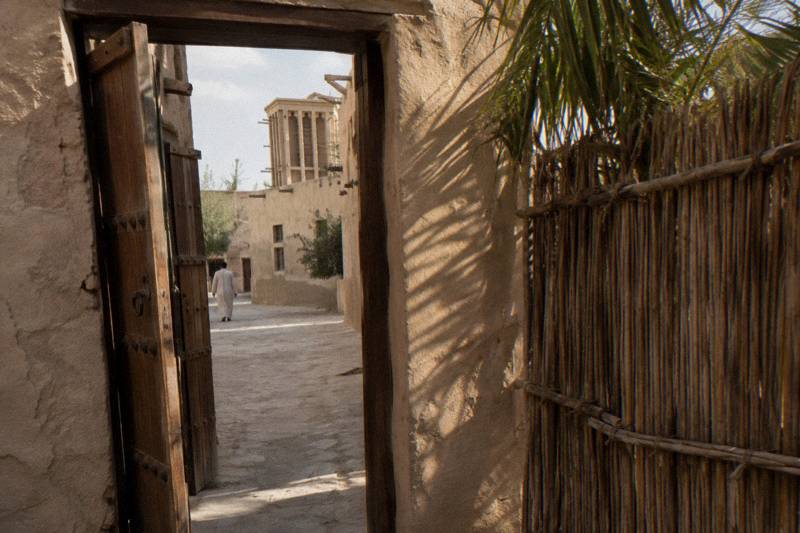
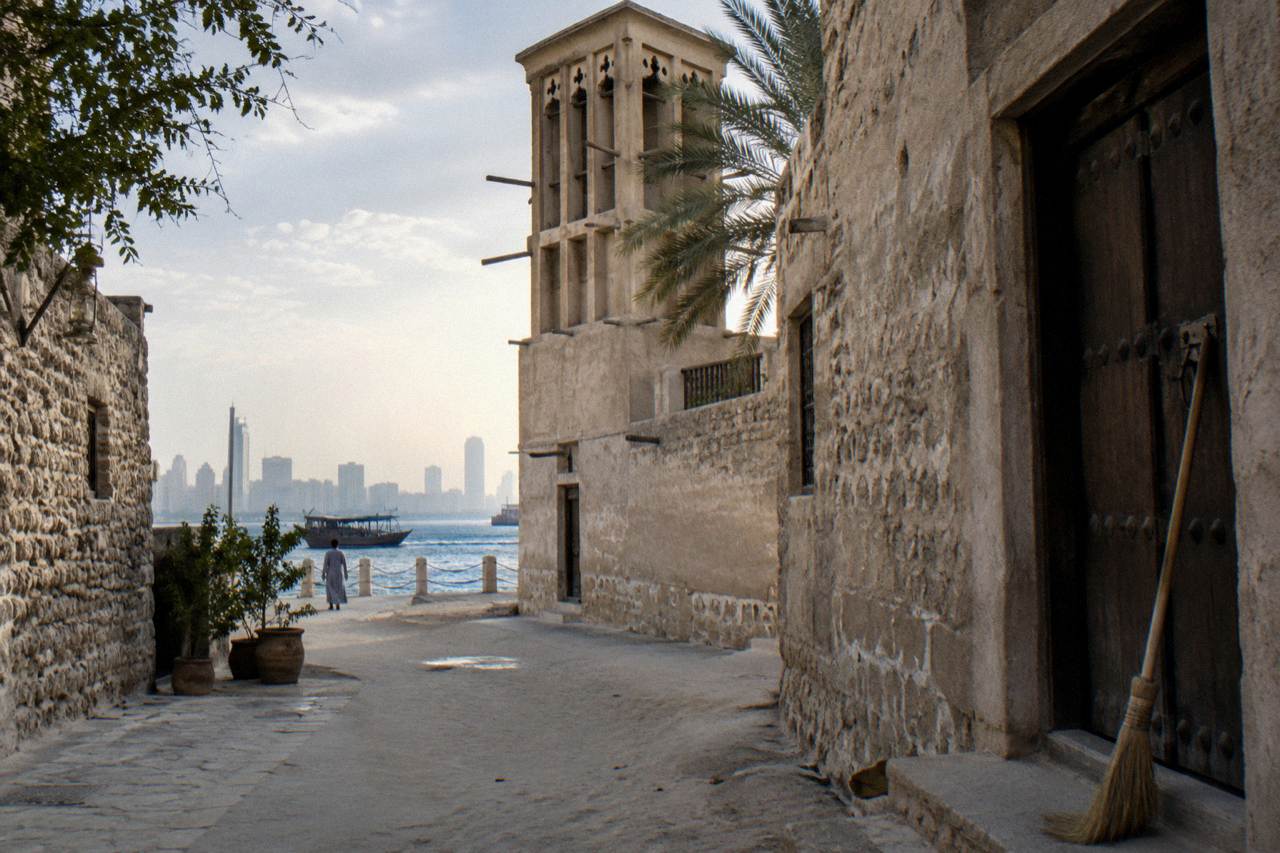
The Al Fahidi Historical Neighbourhood is the anchor. Dubai Culture's reported hours are 7am to 8pm daily, with free public access to the lanes, galleries and courtyards. It is one of the oldest surviving residential quarters in the city, built around wind tower houses that predate air conditioning. You can walk it in an hour or lose an afternoon in it, depending on how many courtyards you step into.
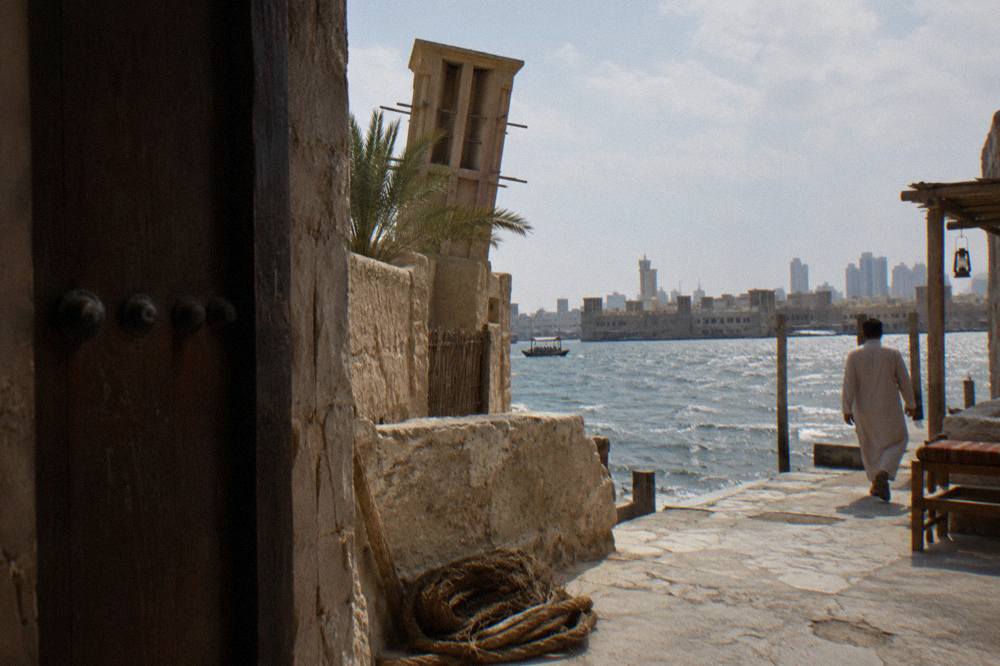
One thing to plan around: Al Fahidi Fort, which houses Dubai Museum, has been closed for a major restoration since 2021. Reports through late 2026 point to a reopening in the coming weeks or months with new galleries and interactive displays, so check the official page before counting the museum into your itinerary. The neighbourhood itself never closed, and the lanes around the fort carry the visit on their own.
Which Sights Fill A Day Between Meals In Al Fahidi And Al Seef?
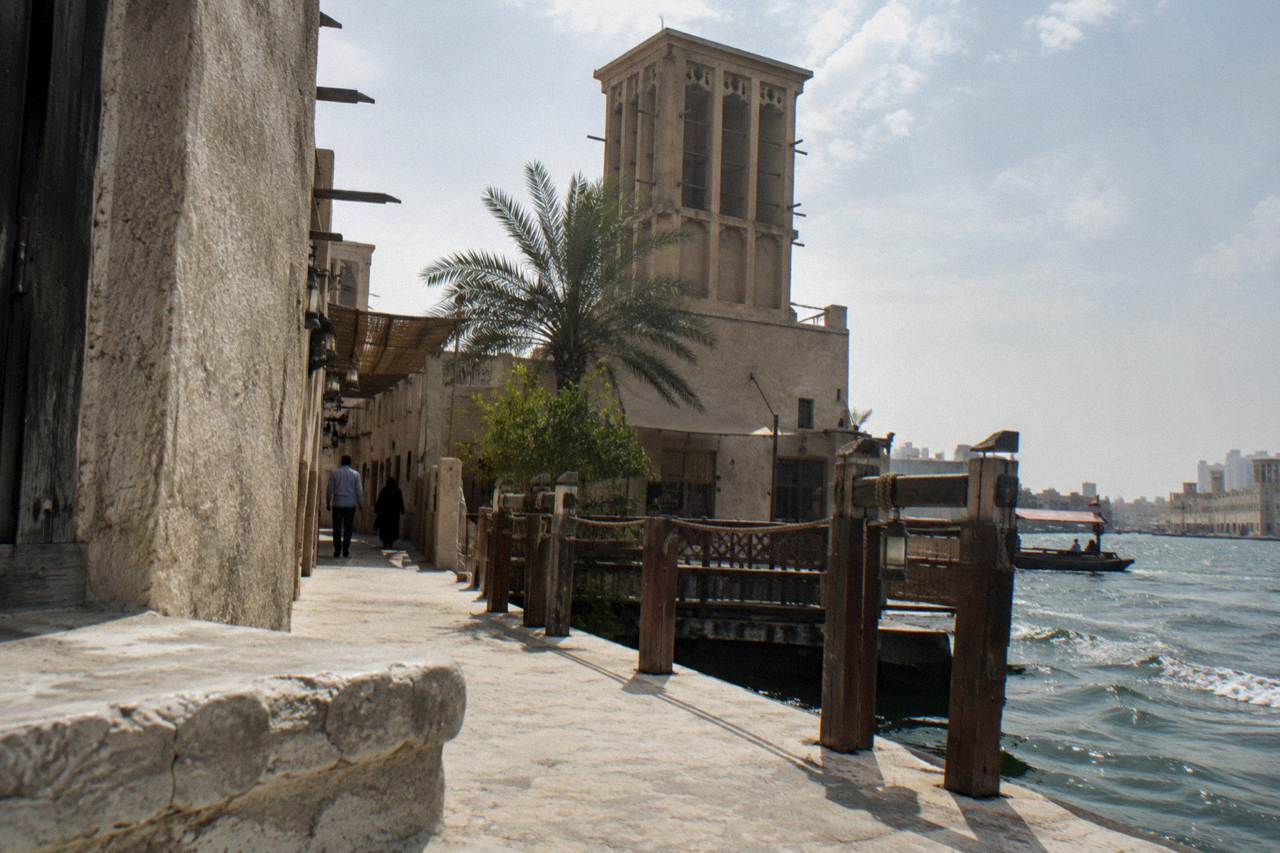
Al Fahidi and Al Seef pair naturally: the heritage neighbourhood gives you lanes, art spaces and courtyards, while the Al Seef waterfront promenade, free to enter and roughly 1.8 km long, gives you Creek views, restored architecture and seating. Together they fill three to four hours at a relaxed pace, all within one connected walk.
Start in Al Fahidi. Beyond the lanes themselves, the quarter holds small museums and cultural spaces, including the Sheikh Mohammed Centre for Cultural Understanding, which runs 1.5-hour cultural meals with Emirati hosts, question and answer sessions on customs and daily life, and Arabic coffee and dates. Reported prices run from AED 130 for breakfast or brunch to AED 160 for dinner, booking required. It is one of the few Old Dubai experiences that explains what you are looking at rather than just showing it.
From Al Fahidi, the walk to Al Seef takes minutes. The promenade runs along the Bur Dubai side of the Creek in two registers: a heritage section of reconstructed coral-stone buildings and a modern section of boardwalk and cafes. Entry is free and the stretch is open daily, which makes it the default place to slow down between the souks. The Creek Lights project, a Dubai Municipality scheme underway along roughly 8 km of the Creek including the Al Seef area, is installing more than 5,000 lighting units with promenade upgrades, scheduled to complete in the first quarter of 2027, so evening walks here are getting brighter by the month.
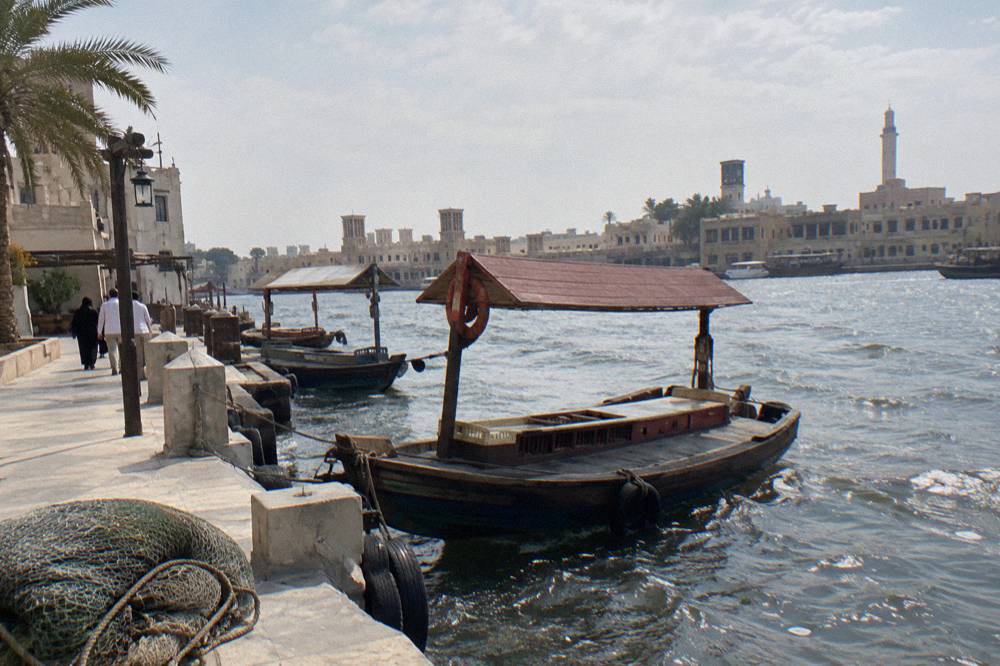
If you are pairing the sights with tastings rather than doing them separately, a guided walk is the efficient way to cover both. The Al Fahidi, souks, street food and abra cruise walk runs 2.5 to 4 hours and ties the heritage lanes, the markets and a Creek crossing into one route with food stops built in, which suits a day when you want the district explained rather than just explored.
The three walks above cover the same ground in different ways. The Al Fahidi and abra cruise option is the tasting-focused route; the Emirati House version adds a heritage house visit; the premium guided tour layers a guide's commentary over the street food and abra ride. Prices and current inclusions sit on each operator's live listing, since several of these walks vary by date and group size.
How Do The Souks And The Creek Crossing Fill The Rest Of The Day?
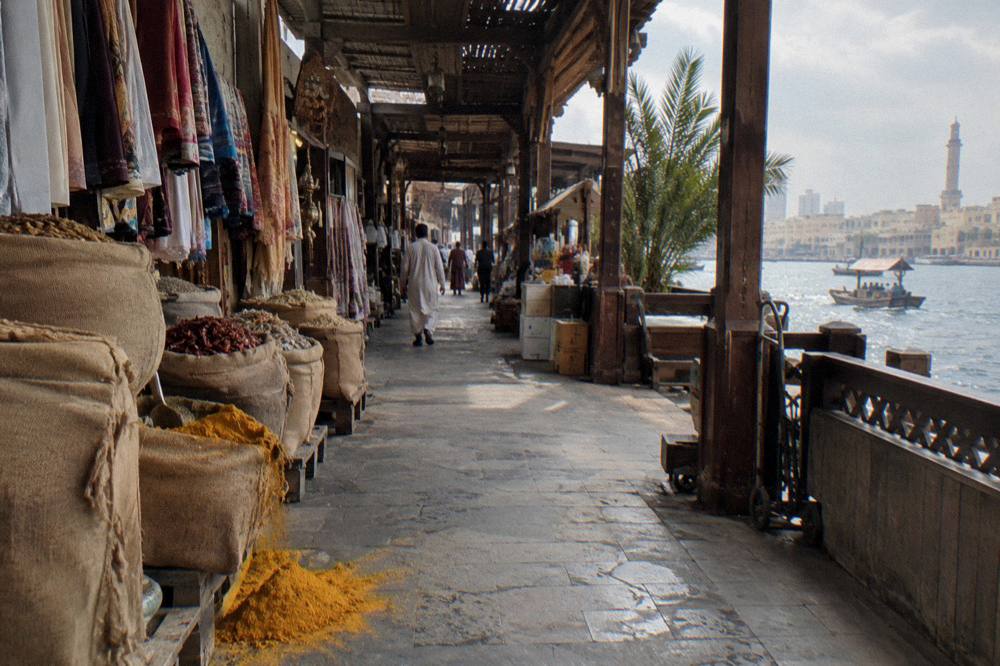
The Textile Souk sits on the Bur Dubai side within walking distance of Al Fahidi, and the Spice and Gold Souks sit in Deira across the Creek. An abra crossing connects the two banks, and the RTA operates several Creek routes including CR1 between Bur Dubai and Deira Old Souq. Together the souks and the crossing fill a half day of browsing.
The Textile Souk is the closest market to Al Fahidi, a covered arcade of fabric shops. No official opening hours are published; vendor hours vary, typically around 9am to 8pm, with some Friday afternoon closures noted in secondary sources, so treat any timing as approximate and check on the day. It is a browsing souk rather than a food one, which is exactly the point of this guide: it fills the hour between the heritage lanes and the boat.
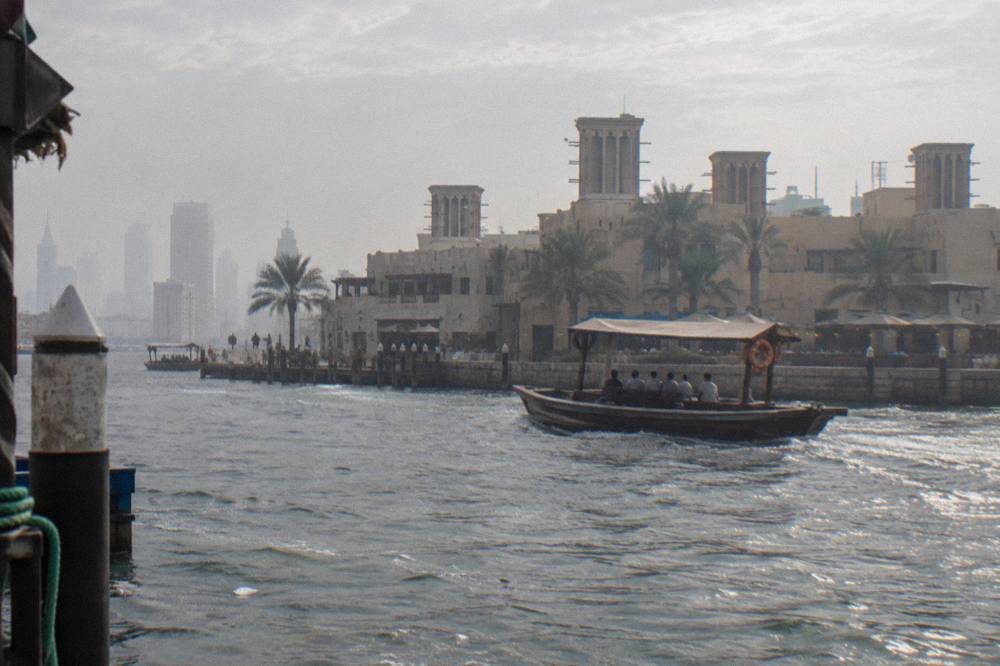
Crossing the Creek is the hinge of any Old Dubai day. The RTA operates the traditional commuter abra routes, including CR1 between Bur Dubai and Deira Old Souq, CR2 between Dubai Old Souq and Al Sabkha, and several others connecting Al Seef, Al Fahidi and Baniyas. The fare is paid at the dock; check the RTA's Creek abra page for current timings and fares. The crossing itself is short, and the view of both banks from the water is the single best sight in the district.
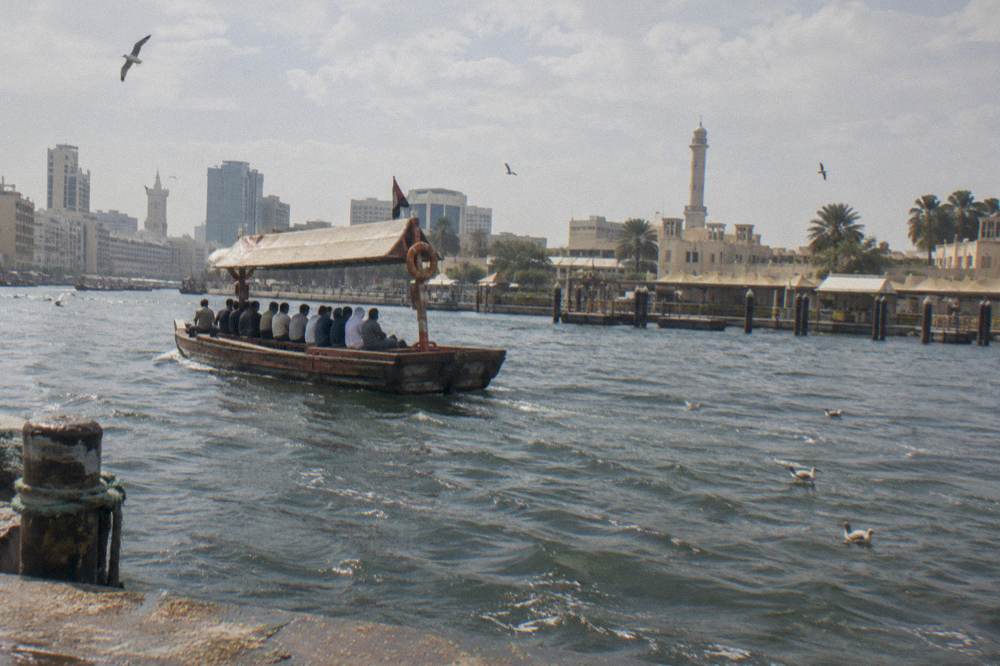
On the Deira side, the Spice Souk and the Gold Souk are a few minutes apart. Visit Dubai's reported hours have most Gold Souk shops open around 10am to 10pm, while Spice Souk shops generally open earlier than 8am and run past 9pm, with a daytime closure on Fridays and midday breaks for many traders. Individual shop hours vary and no single official timetable is published, so plan the Deira half of your day around those reported patterns rather than a fixed schedule.
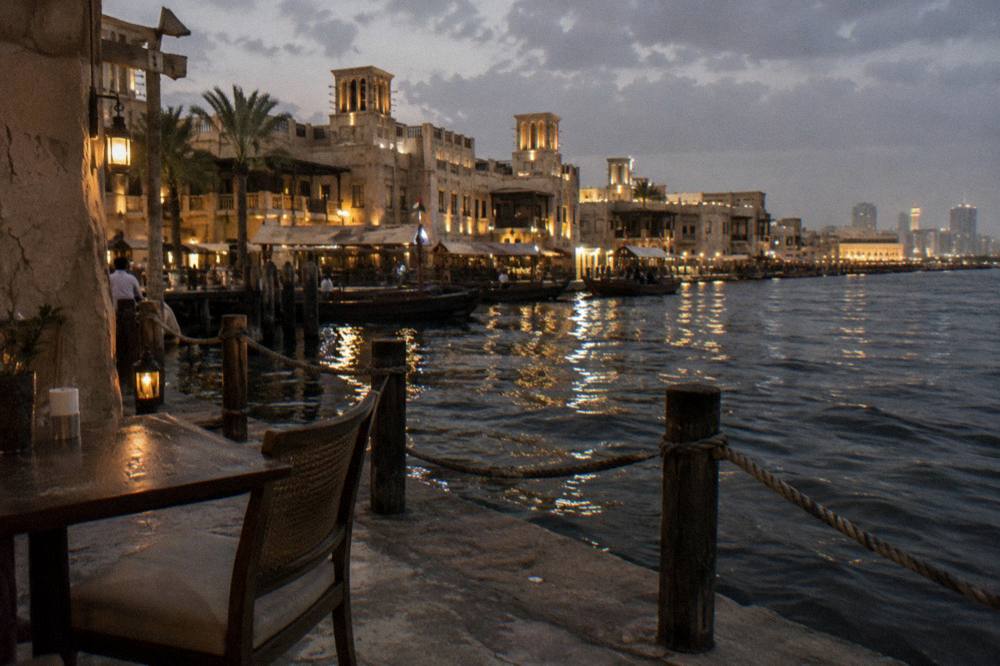
For a guided version of this exact circuit, the walk profiled on Dubai Food Tours pairs the Al Fahidi lanes with the souks, the abra crossing and tastings; the details, current price and meeting point are on the operator's live listing.
What Does A Guided Walk Add To A Sightseeing Day?
A guided walk in Old Dubai adds navigation, context and counted tastings to a day you could otherwise do alone: guides handle the route between Al Fahidi, the souks and the Creek, explain what the wind towers and the markets actually are, and book tastings that a solo visitor would have to find individually. The walks compared here run 2 to 4 hours and cost from prices listed per walk.
The honest answer is that you can walk Old Dubai alone and see the same streets. What a guide changes is the pace and the access. A 3-hour walk that includes a visit to an Emirati heritage house, for example, gets you inside a building most visitors only photograph from the lane, and the guide's commentary turns the souks from a shopping trip into a history of the trading port. The trade-off is cost and a fixed schedule against the flexibility of wandering free.
The guided options span a real range of formats. The Old Town street food and Emirati House walk runs 3 hours and adds the heritage house stop to the standard creek, souks and street food circuit. The premium guided tour with street food and abra ride runs 3 to 4 hours with a guide-led commentary through the same district. Both list prices on their booking pages rather than in fixed print, since dates and group sizes shift the figure.
For visitors who want the full commentary version, the premium guided tour covers Old Dubai's sights with street food and the abra ride folded in. It suits a first visit where you want the district explained end to end rather than tasting your way through it independently.
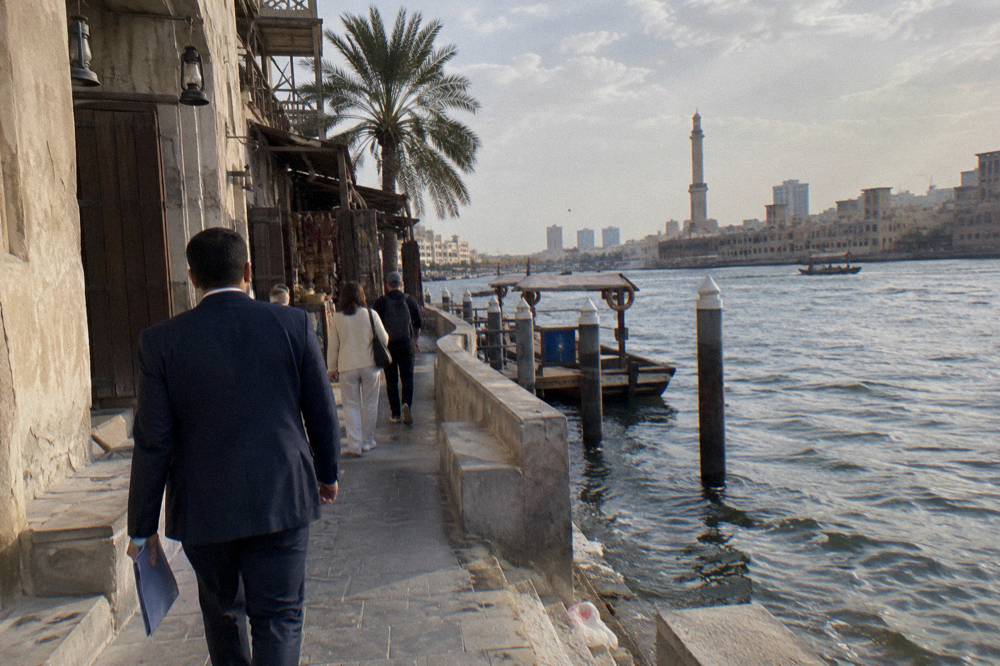
The table below shows how the main guided formats compare on paper. Durations come from the operators' listings; prices vary by date and group size, so treat the booking page as the source of truth.
| Walk | Duration | What it adds beyond the sights |
|---|---|---|
| Al Fahidi, souks, street food and abra cruise | 2.5 to 4 hours | Street food tastings plus a Creek cruise |
| Old Town, street food, creek, souks and Emirati House | 3 hours | A visit inside an Emirati heritage house |
| Premium guided tour with street food and abra ride | 3 to 4 hours | Guide-led commentary through the full district |
| Old Town, souks, street food and abra ride | 3 to 4 hours | The standard sights-plus-tastings circuit |
| Souks, museums and local food tasting walk | 3 hours | Museum stops alongside the market route |
How Do You Get Around Old Dubai Without A Car?
Old Dubai is served by the Metro's Green Line, with stations at Sharaf DG for Al Fahidi and Baniyas Square, Al Ras and Gold Souq for Deira, plus taxis starting at a reported AED 5 in daytime hours. The district itself is walked, and the abra connects the two banks, so a car is a hindrance rather than a help.
The Metro is the practical arrival route. The RTA's Green Line stations in order include Union, Baniyas Square, Gold Souq and Al Ras on the Deira side, and Sharaf DG, which serves the Al Fahidi area, with an interchange at BurJuman. Reported Metro operating hours are 5am to midnight Monday to Thursday and Saturday, 5am to 1am on Friday, and 8am to midnight on Sunday. Fares run on the Nol card, a reloadable smart card that covers metro, tram and buses; a reported anonymous Silver or Gold card costs AED 25 including initial credit.
Taxis are the fallback. The RTA's reported road-pickup starting fares are AED 5 between 6am and 10pm and AED 5.5 overnight for regular and family taxis. For a day confined to Old Dubai you will rarely need one: the sights described in this guide sit within a walkable rectangle on both banks, connected by the abra crossing.
| District | Metro station | Reported starting fare | What it serves |
|---|---|---|---|
| Al Fahidi and Al Seef | Sharaf DG | AED 25 Nol card | Heritage lanes, waterfront, Textile Souk |
| Deira souks | Gold Souq, Al Ras | AED 25 Nol card | Gold Souk, Spice Souk, Al Ras district |
| Baniyas Square | Baniyas Square | AED 25 Nol card | Deira Old Souq abra dock area |
| Anywhere by taxi | n/a | AED 5 daytime, AED 5.5 overnight | Door-to-door fallback |
For more on the boats and the banks, see the Dubai Creek abra ride and waterfront eating guide, and the getting to Old Dubai by metro and abra guide covers the transport in depth.
What Should You Know About Hours, Dress And Etiquette?
Reported souk hours run from around 10am to 10pm for the Gold Souk and earlier than 8am to past 9pm for the Spice Souk with a Friday daytime closure; dress means covered shoulders and knees in heritage areas; and etiquette centres on asking before photographing people and accepting Arabic coffee with the right hand. None of this is complicated, but it shapes the day.
The hours matter for sequencing. Because the Spice Souk opens early and the Gold Souk shops mostly open around 10am, a morning visitor does better starting in Deira and finishing in Bur Dubai, while an afternoon visitor can run the route in either direction. Friday is the exception: the reported Spice Souk daytime closure and the Textile Souk's Friday afternoon pattern mean late afternoon is the safe window.
Dress in the heritage areas and souks means covering shoulders and knees out of cultural respect. There is no single dress-code law aimed at tourists, and swimwear belongs at beaches and pools, but the traditional districts reward modest clothing with less attention. Comfortable shoes matter more than most visitors expect: the full Al Fahidi to Deira circuit, with the crossing, adds up to several kilometres on foot.
Two etiquette points are worth knowing before you go. First, always ask permission before photographing individuals, especially Emirati women and families, and in the souks; photographing people without consent can violate privacy rules. Second, if you are offered gahwa, the lightly spiced cardamom coffee served in small cups with dates, receive and drink it with the right hand, and shake the empty cup gently side to side when you have had enough. For visitors planning a wider trip, the dress code for walking tours and souks guide covers this in detail.
| Item | Reported pattern | Note |
|---|---|---|
| Al Fahidi neighbourhood | 7am to 8pm daily, free access | Hours per Dubai Culture, reported |
| Gold Souk | Most shops around 10am to 10pm | Individual shops vary |
| Spice Souk | Earlier than 8am to past 9pm | Closed daytime Fridays, midday breaks |
| Textile Souk | Around 9am to 8pm, varies | No official hours published |
| Metro | 5am to midnight most days | Friday to 1am, Sunday from 8am |
How Does A Sample Day In Old Dubai Come Together?
A workable day starts at Al Fahidi in the cooler morning, walks Al Seef before noon, crosses the Creek by abra after the Textile Souk, spends the afternoon in the Deira souks, and finishes with street food or a cultural meal. Every sight listed here is free to enter, so the day's spend beyond food and any booked tour comes down to a reported AED 25 Nol card, the abra fare paid at the dock, and any taxi rides.
Here is the shape of it. Begin at Al Fahidi around opening, when the lanes are quiet and the light is best on the wind towers. Give the neighbourhood two hours, including a courtyard stop or the cultural centre if you have booked. Walk to Al Seef and the Textile Souk, then take the abra across to Deira. The Spice Souk first, then the Gold Souk once its shops open, then a slow walk back toward Al Ras. Finish with street food, where reported prices run from around AED 1 to 3 for karak chai to AED 8 to 15 for a shawarma at local spots, or with a cultural meal if you have reserved one.
The winter months are the kindest for this plan. Reported December normals for Dubai International Airport run to a mean daily maximum of 26.5 C and a minimum of 17.3 C, with January slightly cooler, which makes the walking-heavy circuit comfortable. Mid-December sunrise sits around 6:57am with sunset around 5:32pm, so a full day has roughly eleven hours of usable daylight.
For a day built entirely around eating instead, the things to do in Dubai for food lovers guide covers the city-wide version, and the Deira food guide goes deep on the north bank. If you would rather hand the navigation to a guide and fold tastings into the sightseeing, the standard circuit walk below covers the whole route in one booked block.
Whether you walk it alone or with a guide, Old Dubai rewards the slow version. The district's sights are not ticketed attractions stacked behind turnstiles; they are lanes, markets and a river crossing that you experience by being in them, which is why a day here so easily stretches from a morning coffee into an evening by the water.
Common Questions About Old Dubai
What Can You Do In Old Dubai Besides Eat?
Walk the Al Fahidi Historical Neighbourhood, browse the Textile Souk, cross the Creek by abra, and spend the afternoon in the Deira Spice and Gold Souks. The Al Seef promenade, roughly 1.8 km and free to enter, connects the heritage area to the waterfront, and small museums and cultural spaces fill the gaps between them.
Is Al Fahidi Historical Neighbourhood Free?
Yes, free public access to the lanes, galleries and courtyards is reported, with neighbourhood hours of 7am to 8pm daily per Dubai Culture. Al Fahidi Fort and Dubai Museum have been closed for restoration since 2021, with reopening reported in the coming weeks or months, so check the official page before planning a museum stop.
How Long Do You Need In Old Dubai?
Most visitors need a full day to cover Al Fahidi, Al Seef, the Textile Souk, the abra crossing and the Deira souks at a relaxed pace. A guided walk condenses the circuit into 2 to 4 hours, which suits visitors pairing the district with other parts of Dubai.
What Are The Souk Opening Hours?
Reported hours have most Gold Souk shops open around 10am to 10pm, Spice Souk shops from earlier than 8am to past 9pm with a Friday daytime closure, and Textile Souk vendors around 9am to 8pm. Individual shops vary and no single official timetable is published, so check on the day.
How Do You Cross Dubai Creek?
The RTA operates traditional abra routes including CR1 between Bur Dubai and Deira Old Souq and several others connecting Al Seef, Al Fahidi and Baniyas. The fare is paid at the dock; check the RTA's Creek abra page for current timings and fares before you go.
Is A Guided Walk Worth It In Old Dubai?
A guide adds navigation, historical context and counted tastings to a district you could walk alone. If your day is about the sights as much as the food, a guided walk that bundles the heritage lanes, souks and abra crossing into one booked block saves you the planning; if you prefer to wander free, the district is compact enough to do it yourself.