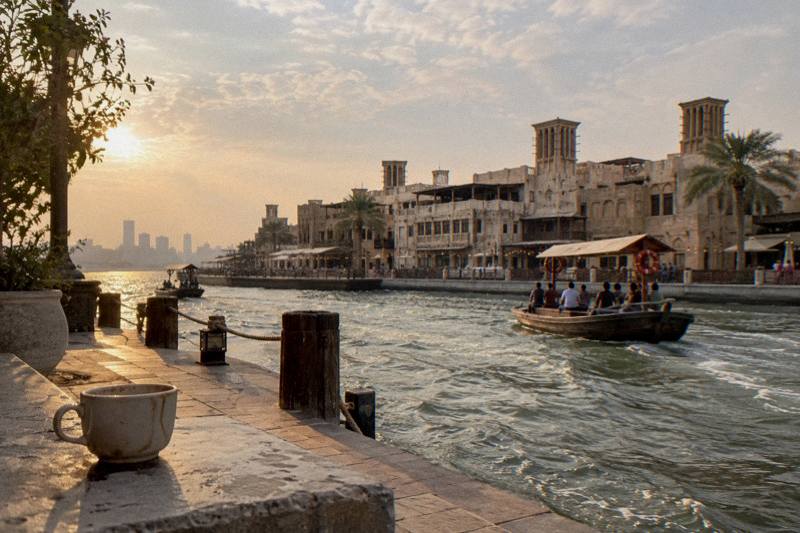
How Much Does A Food Tour In Dubai Cost
Price is the last check before a booking click, and in Dubai that check is harder than it looks because the tours differ more than their titles suggest. Here is what actually moves the number, what the fee covers, and how it compares with eating the same streets on your own.
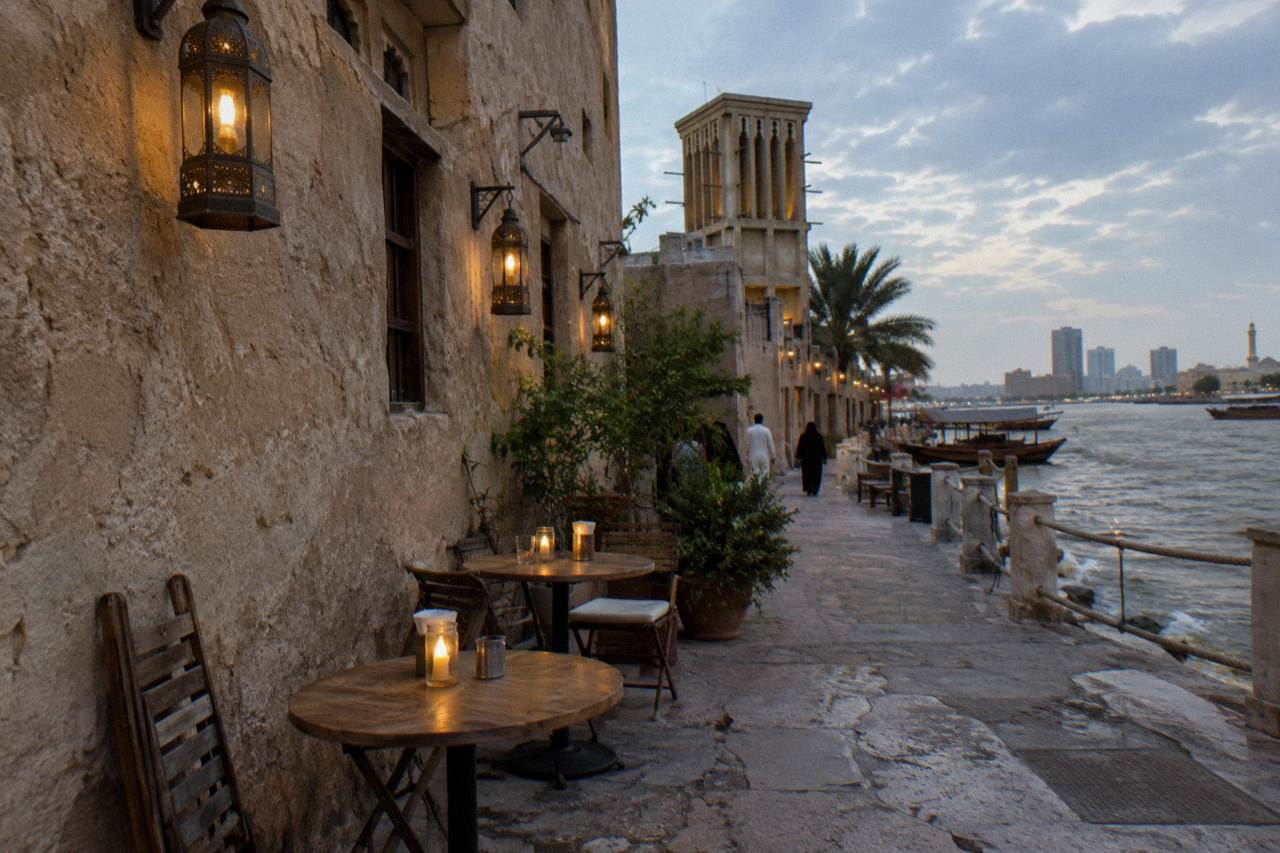
Short answer
Per-person prices sit on each operator's listing and move with format, group size and date. Group street food walks in Old Dubai run 2 to 4 hours, private tastings cost more per head, and VIP formats add skyline access. For scale, reported independent eating runs from 1 to 3 AED for karak chai to 80 to 150 AED for a mid-range restaurant meal.
Price is the last thing most people check before they book, and in Dubai it is also the least standardized number on the page. Two walks with near identical titles can differ in length, tasting count, boat crossing and group size, and every one of those moves the per-person fee. The honest starting point is that each operator's listing carries its own from-price, per person, and that figure shifts with the date and the size of the group. What a guide can do is show you the shape of the market, what the fee buys, and where the extra costs hide.
This page lays out the formats sold on Dubai Food Tours, compares them with what the same food costs when you buy it yourself, and totals the small charges, tips and transport that sit outside the ticket. The reported independent-eating figures below come from 2026 price surveys of the city's casual food scene, and the tour details come from the listings themselves.
How Much Does A Food Tour In Dubai Cost?
There is no single fixed price. Each operator's listing shows a per-person from-price that varies by format, date and group size, so the accurate answer is a range of formats rather than one number. Group street food walks in Old Dubai run 2 to 4 hours, private tastings cost more per head, and VIP formats with skyline access sit above both. The listing price is the only reliable figure.
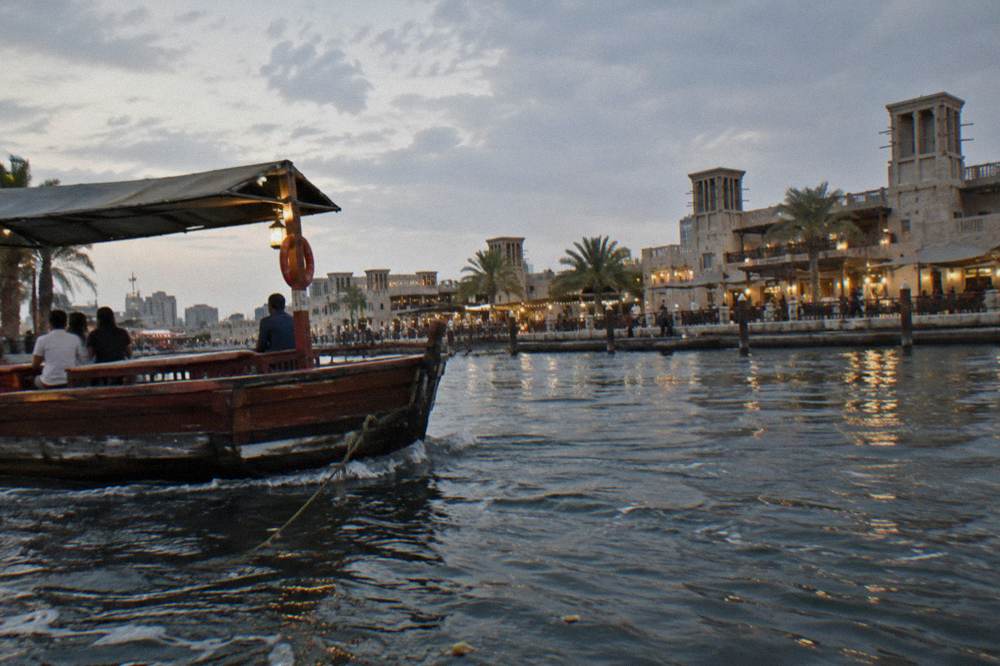
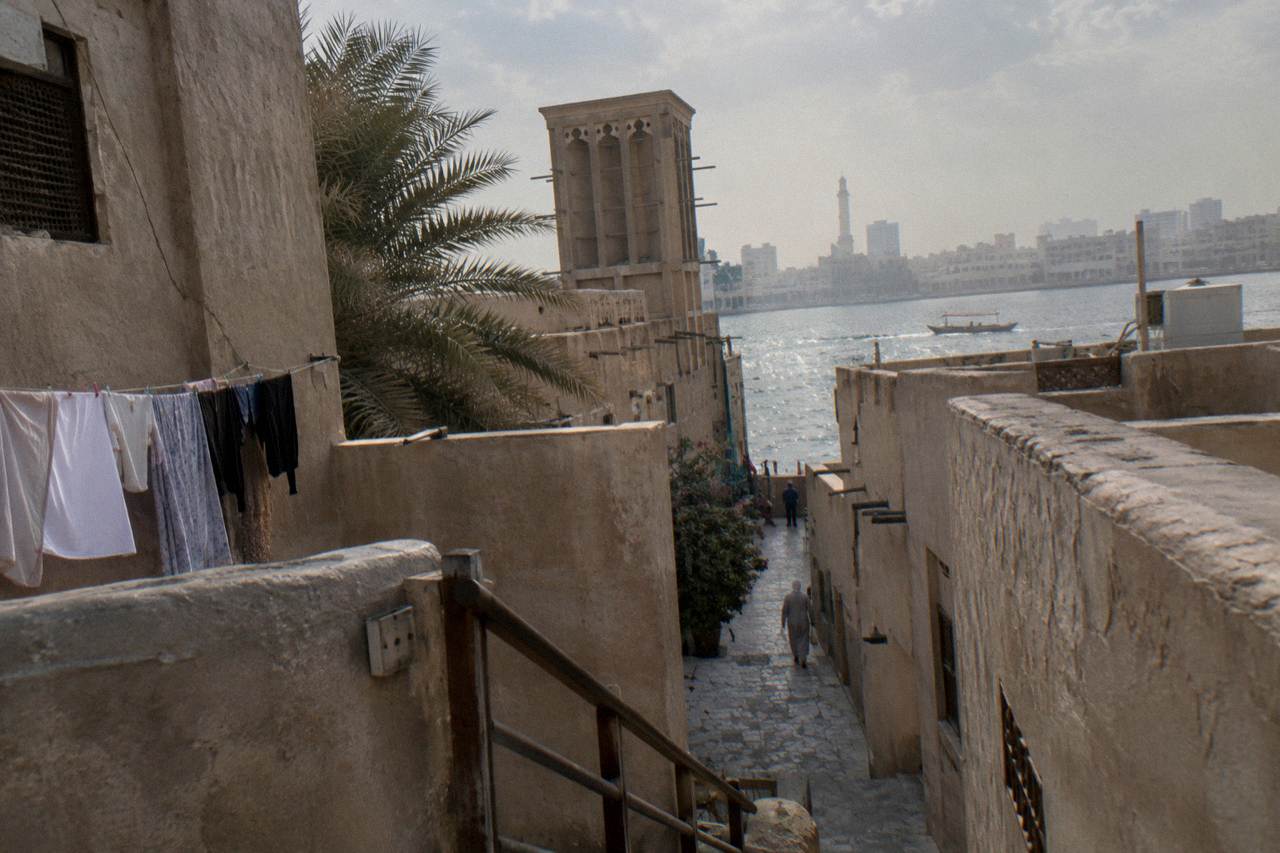
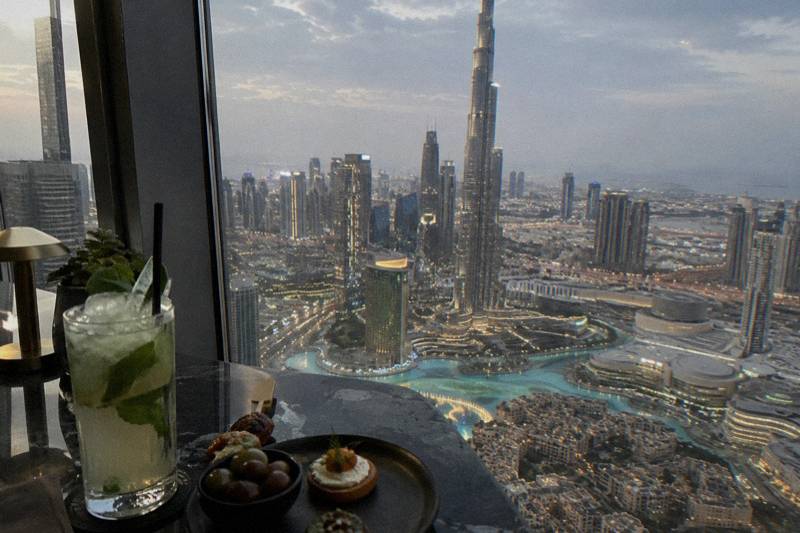
The market splits into four broad families. Group street food walks through Old Dubai are the volume product: 2 to 4 hours, a guide, several tastings, and usually a Creek crossing by abra or boat. Private food tours run around 3 to 4 hours with a guide to yourselves and a fixed tasting count, typically 10 or 12 stops. Emirati cultural dining experiences are shorter, 1 hour 30 minutes to 2 hours 30 minutes, and centre on a seated meal rather than a walk. VIP formats pair a food walk with Burj Khalifa access and sit at the top of the range.
Because the operators price dynamically, the from-price you see today may not be the price for a Friday in peak season. Group-size pricing matters on private tours: some listings price per group rather than per person, which changes the arithmetic completely for couples versus families. Read the price basis on the listing before comparing anything.
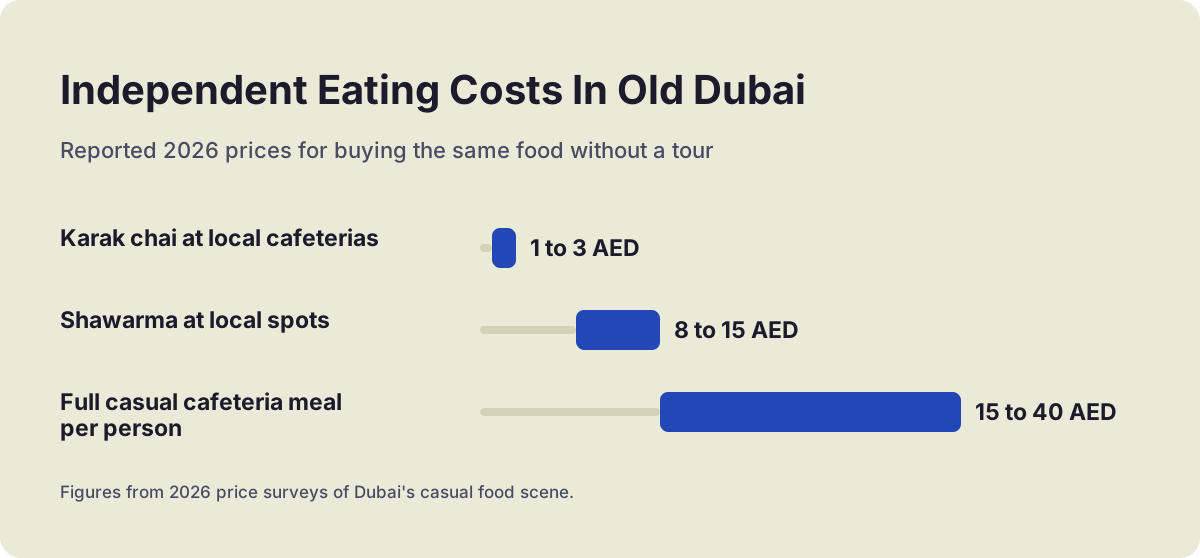
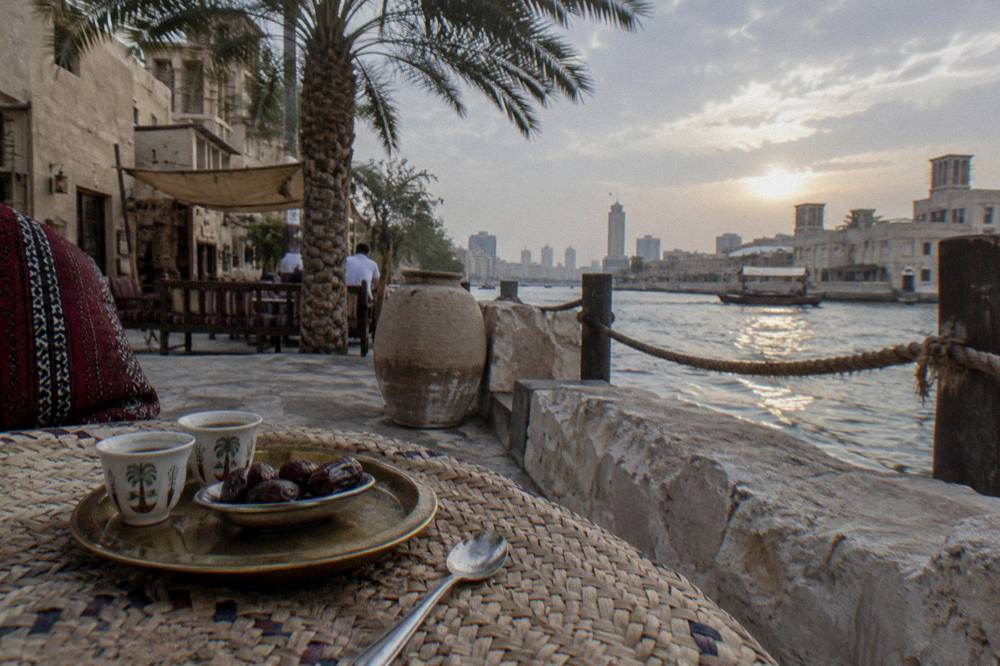
For a sense of scale, independent eating in the same neighbourhoods is cheap in a way a tour price never will be. Reported 2026 figures put karak chai at 1 to 3 AED at local cafeterias, a shawarma at 8 to 15 AED at local spots, and a full casual cafeteria meal at 15 to 40 AED per person. A guided walk is not competing with those numbers on price. It is selling the route, the explanations and the counted tastings. The question worth asking is not "why is a tour more than a falafel" but "what does the difference buy", and the sections below answer that.
If you are already comparing specific options, the guide to choosing between Dubai food tours walks through the trade-offs family by family.
What Drives The Price: Format, Tastings And Group Size?
Three variables explain almost every price difference: the format (group walk, private tour, seated cultural meal or VIP combo), the number of tastings included, and whether the price is per person or per group. Duration matters less than people assume, since most walks cluster at 3 hours. A 2-hour group walk and a 4-hour private tour are different products, not the same tour at two speeds.
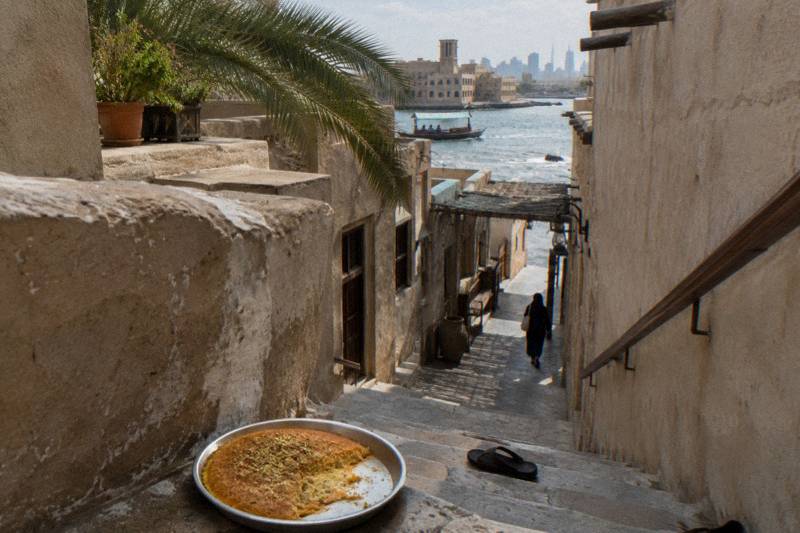
The tasting count is the clearest quality signal in this market. Listings that name a number, "10 tastings", "12 tastings", "7+ tastings", are committing to a quantity, and the food cost of that commitment is built into the fee. Listings that say "street food" without a count are usually lighter on food and heavier on sightseeing, and their price reflects that. Neither is a worse product, but comparing them on price alone is misleading.
Group size cuts both ways. A shared group walk is cheaper per head and the from-price is straightforward. A private tour prices the guide's whole time: on per-group listings, four people can make the per-head cost reasonable while a couple pays a premium for exclusivity. The private format buys pace control, dietary flexibility and the ability to ask questions for three hours without strangers listening.
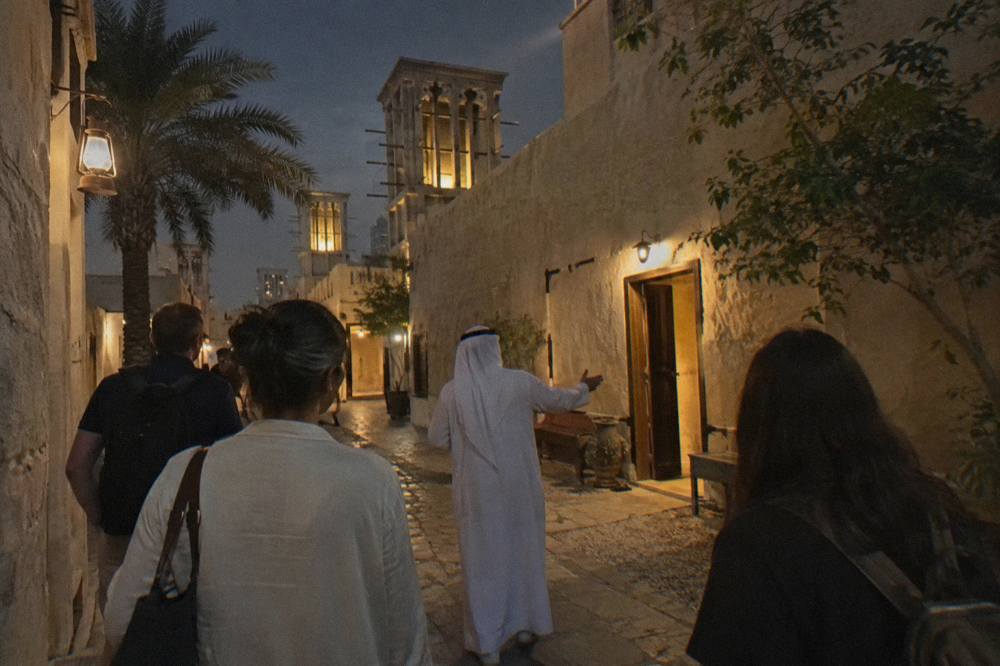
The table below shows the four families as they are actually sold, with durations taken from the listings compared on this site.
| Format | Typical duration | What the fee is built around |
|---|---|---|
| Group street food walk (Old Dubai) | 2 to 4 hours | Guide, multiple tastings, souks, usually an abra or boat crossing |
| Private tastings tour | 3 to 4 hours | A guide exclusively for your group, a named tasting count of 10 or 12 |
| Emirati cultural dining | 1 hour 30 minutes to 2 hours 30 minutes | A seated meal and cultural talk rather than a walking route |
| VIP food and skyline tour | 3 hours | Food walk tastings plus Burj Khalifa bar access |
Within the group-walk family itself, the spread is wide enough to matter. Three walks illustrate it: the premium guided tour with street food and abra ride, the most reviewed of the three, the historic guided tour covering Creek, street food and souks, and the 4-hour premium old town walk with a boat ride. Each carries its own from-price on the operator's listing.
What Is Usually Included In The Price?
The standard group-walk fee covers the guide, a set of food tastings and a non-alcoholic drink or two, plus any transport on the route such as the abra crossing. It does not cover hotel pickup unless the listing says so, it rarely includes alcohol, and extra orders beyond the counted tastings are yours to pay. Always confirm the tasting count on the booking page.
The inclusions worth checking, in order of how often they surprise people, are: the tasting count, whether drinks are included, whether the abra or boat crossing is inside the fee, and whether the meeting point requires a metro or taxi ride of your own. The listings compared here state these in their descriptions, and the titles alone tell you a lot. A walk named for an abra ride includes one. A walk named for Burj Khalifa access includes entry of some kind. A walk named only for souks and street food may be lighter on both than its price implies.
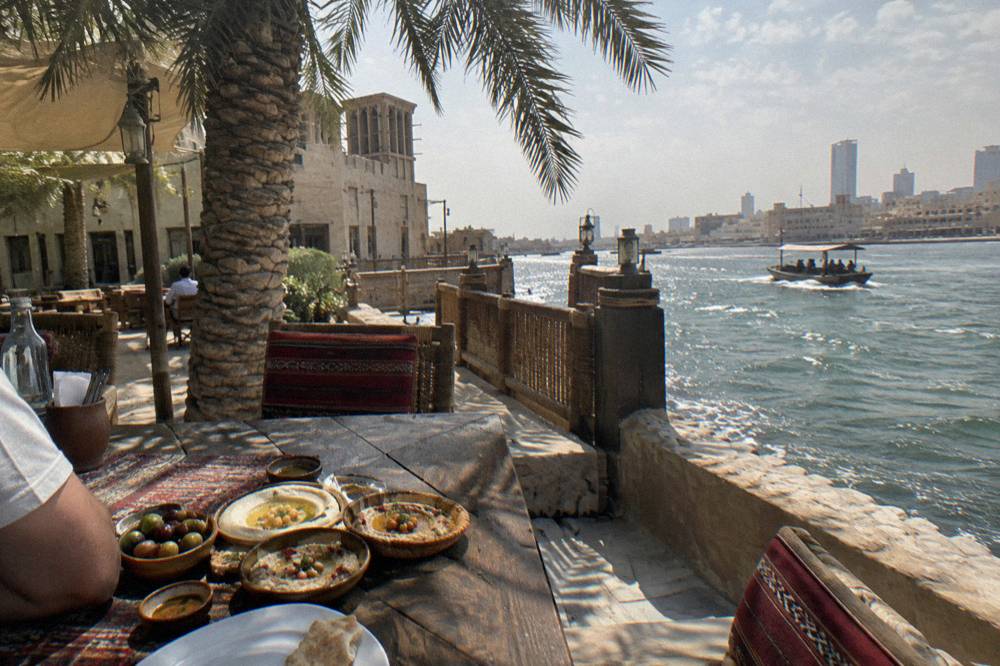
Meeting points cluster in Old Dubai: listings on this site name Al Khayma Heritage Restaurant in Al Fahidi, Al Ras Metro Station exit 2, the Al Seef Heritage Hotel entrance and Sharaf DG Metro exit 4. If your hotel is in Downtown or the Marina, budget a metro or taxi fare on top of the tour price, covered further down this page.
One inclusion question deserves a direct answer: alcohol. Food walks through Old Dubai serve no alcohol unless the listing says otherwise, and the seated cultural meals are dry by design. Visitors over 21 can drink at licensed venues only, and alcohol is not permitted in public places outside licensed venues. Check current rules before planning a drink stop after the walk.
The premium guided walk mentioned earlier is the one to open in a second tab while you read: its listing details the tastings, the abra ride and the meeting point, and it is the most reviewed walk compared on this page. Check availability on the live listing for the current price.
What Does The Private Tour Upcharge Buy?
A private food tour costs more per head, sometimes substantially more for a couple, because you are buying the guide's exclusive time for 3 to 4 hours. What the upcharge buys is pace control, a fixed tasting count of 10 or 12 stops, freedom to linger, and dietary flexibility that a shared group cannot offer. On per-group listings, the per-head gap narrows as your party grows.
The private options on this site include a 3-hour private tour with 10 tastings, a 3-hour private tour with 12 tastings, a 4-hour private street food tour, and private versions with hotel transfers included. The transfers matter: a listing that includes pickup and drop-off is folding a taxi cost into the fee, which is worth comparing against a cheaper walk plus your own metro fare.
Whether the upcharge is worth it depends on how you eat. A shared group walk moves at the guide's pace and tastes what the route offers. A private tour lets you say "more time here", skip a dish you cannot eat, and ask questions for three hours straight. Families with children and travellers with dietary restrictions get the most from the format. The private versus group food tour guide works through the decision in detail.
One honest note on dietary needs: all meat sold in restaurants and markets in Dubai is halal, and pork is sold only in designated licensed sections. No listing should be assumed vegetarian, vegan or gluten-free unless it says so. Message the operator before booking; private tours handle these requests far more easily than shared walks.
The 10-tastings private tour is the most common entry point into the format, and its listing shows the per-person or per-group price basis clearly.
How Does A Tour Price Compare With Eating Independently?
Eating the same streets on your own costs a fraction of any guided price: reported 2026 figures put karak chai at 1 to 3 AED, a falafel wrap at 4 to 15 AED, a shawarma at 8 to 15 AED at local spots, and a full casual meal at 15 to 40 AED per person. The tour fee buys the route, the counted tastings and the guide, not the raw food value.
This is the comparison every shopper runs, so it deserves real numbers rather than hand-waving. The reported figures below come from 2026 price surveys of Dubai's casual food scene. They are what you would pay walking into a Deira cafeteria or a Bur Dubai shawarma counter with no guide at all.
| Item | Reported price (AED) | Notes |
|---|---|---|
| Karak chai | 1 to 3 | Local cafeterias and stalls; café versions run higher |
| Falafel wrap | 4 to 15 | Example around 13 AED at a mid-range spot |
| Shawarma | 8 to 15 | Local spots; tourist-area versions run 20 to 40 |
| Samosa or samboosa | 1 to 5 per piece | Around 10 to 12 for a bag of roughly five |
| Casual cafeteria meal | 15 to 40 per person | Biryani or mezze sets at neighbourhood places |
| Mid-range restaurant meal | 80 to 150 per person | Mains often 40 to 80 |
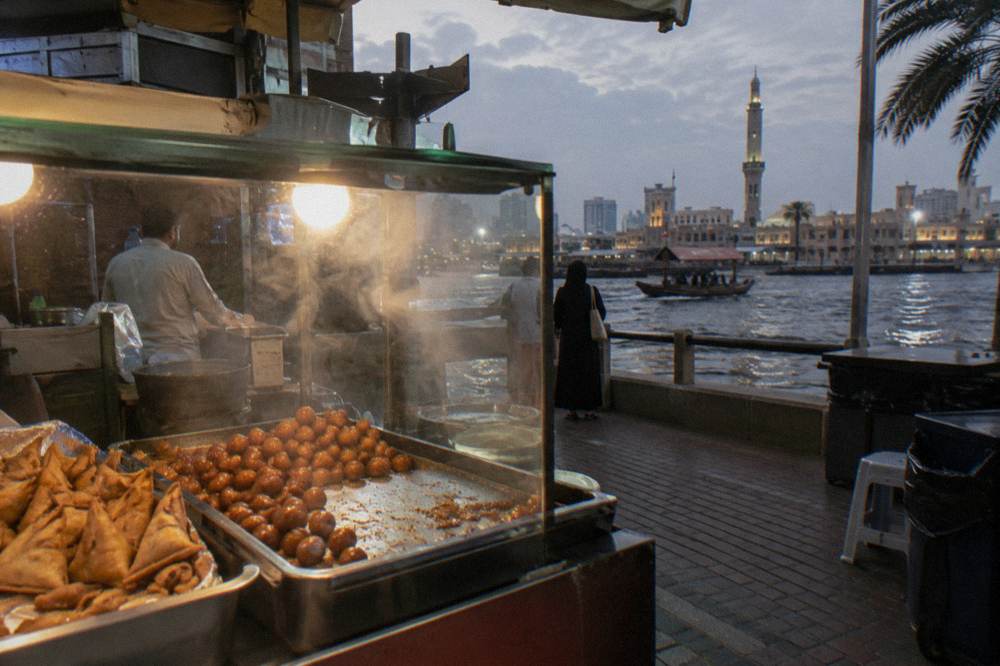
Read that table honestly and the tour premium looks large. It is large, and pretending otherwise would be dishonest. What the fee actually covers is the difference between eating and understanding: a guide who knows which counter to stop at, the counted tastings listed on the booking page, the history between bites, and a route stitched between Al Fahidi, the Creek and the Deira souks without you working out the way yourself. Some travellers do the souks alone in an afternoon and eat brilliantly for the price of two shawarmas. Others stand in the Spice Souk unsure what to buy and wish someone had told them.
The seated Emirati dining format sits in between. A souk tour with tastings and dinner, at 2 hours 30 minutes, replaces the walking-and-grazing model with a proper meal, and its listing carries its own from-price. For visitors who want the cultural table experience rather than a street crawl, it is often the better spend.
The Dubai food prices guide extends this comparison across restaurant tiers if you want the fuller picture.
What About Tipping, Service Charges And Extra Costs?
Tipping on a food tour is voluntary and there are no set rules: Visit Dubai suggests 10 to 15 per cent at restaurants and 5 to 10 AED at cafes. A tour guide's tip is separate from any restaurant service charge, which is venue-retained, and the standard 5 per cent VAT applies to food and drink. Budget a small cash tip for the guide if the walk was good.
The service-charge landscape confuses visitors more than any other cost in Dubai. Restaurants commonly add a 10 per cent service charge, which is venue-retained rather than a government fee, plus 5 per cent VAT on food and beverage. Some hotel-affiliated venues add a further municipality fee. None of that reaches your tour guide automatically, and none of it is a substitute for a tip on a guided walk.
On the walks themselves, the practical extra costs are few. Extra food or drink you order beyond the counted tastings is yours to pay for. Bottled water at restaurants runs a reported 6 to 12 AED per bottle, though supermarket multipacks work out around 1 to 2 AED per litre. And if you buy spices or dates in the souks, that spending sits entirely outside the tour fee. The tipping and paying guide for Old Dubai covers the etiquette in more depth.
| Situation | Reported or official figure | What it means for you |
|---|---|---|
| Restaurant tip | 10 to 15 per cent | Visit Dubai's guidance; personal preference applies |
| Cafe tip | 5 to 10 AED | Same official guidance |
| Service charge | Up to 10 per cent, venue-retained | Not a government fee, not a guide tip |
| VAT on food | 5 per cent | Standard federal rate on food and beverage |
| Tour guide tip | Voluntary, cash | Separate from any restaurant charges on the route |
What Does Getting To The Meeting Point Cost?
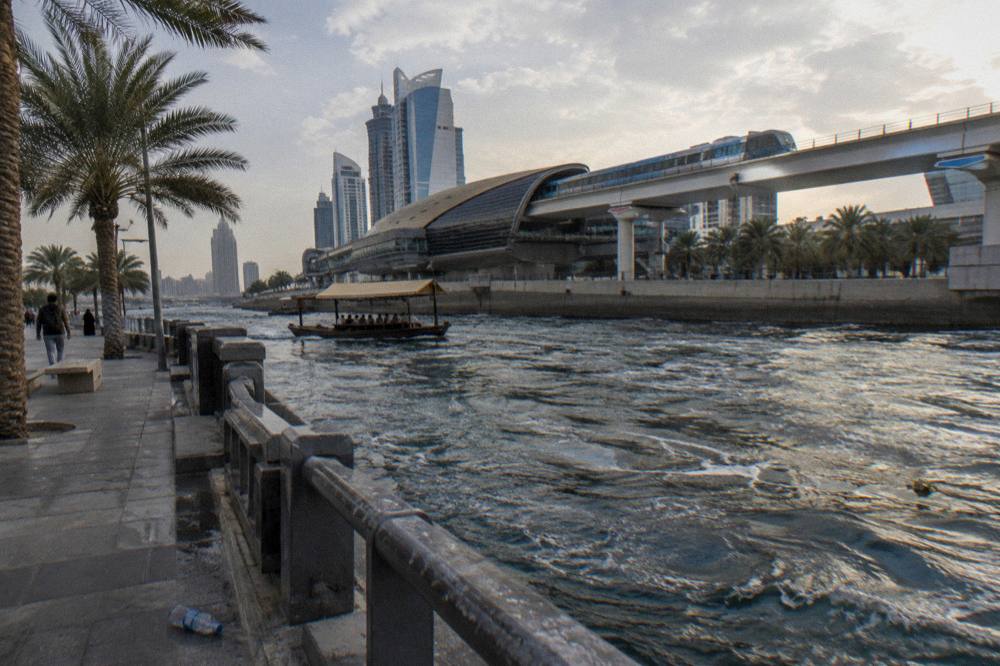
Old Dubai is cheap to reach. The Nol card costs 25 AED including initial credit and covers metro, buses and trams, the Green Line serves Al Fahidi, Al Ras and Baniyas Square directly, and reported taxi road-pickup starting fares are 5 AED daytime and 5.5 AED at night. For most visitors, transport to a meeting point is a rounding error next to the tour fee.
The metro is the obvious answer for these walks. The Green Line stations relevant to Old Dubai are Sharaf DG for the Al Fahidi area, Al Ras for the Deira souks, Baniyas Square and Union as an interchange. The metro runs from 05:00 to midnight Monday to Thursday and Saturday, from 05:00 to 01:00 on Friday, and from 08:00 on Sunday, per the official RTA timetable.
Taxis start at a reported 5 AED between 06:00 and 22:00 and 5.5 AED overnight for regular and family taxis, per the RTA fare page. If your hotel is in Downtown, the ride to Al Fahidi is short and modest; from the Marina it is longer but still small against a private tour price. The getting to Old Dubai by metro and abra guide maps the stations against the meeting points.
The VIP format changes the transport picture slightly, since it ends at the Burj Khalifa rather than in Deira. The listing for the VIP food tour with 7+ tastings and Burj Khalifa access carries its own from-price and inclusions detail.
Is A Food Tour In Dubai Worth The Price?
Judged purely on food value, no guided tour matches eating independently at reported Old Dubai prices. Judged on what most visitors actually want from a first visit, a well-chosen walk is a reasonable spend: it compresses a neighbourhood, a cuisine and a Creek crossing into 3 hours with zero planning. The travellers who regret the spend are those who book a 3-hour walk when they wanted a 2-hour stroll, or vice versa.
The value case is strongest for first-time visitors with limited days, anyone nervous about ordering at a counter where the menu is in Arabic and English at best, and eaters with specific interests the tour names in its title. It is weakest for long-stay visitors who will find their own favourite cafeteria by week two, and for anyone who treats the tour as a meal rather than an experience. The fee is not a food budget, it is an access fee.
Timing affects the value too. December through February brings the lowest average daytime highs, 24 to 26 °C, which is walking weather; a summer booking at the same price is a hotter product. The best time to visit Dubai guide works through the seasons, and the are food tours worth it guide takes the value question head on.
The practical buying advice is short. Open the listing for the format that matches your appetite, read the price basis and the tasting count, and check the cancellation terms before you click. The three walks below are the strongest options compared on this page for the classic Old Dubai route.
Common Questions About Food Tour Costs In Dubai
How Much Does A Food Tour In Dubai Cost?
There is no single fixed price. Each operator's listing shows a per-person from-price that varies by format, date and group size. Group street food walks run 2 to 4 hours, private tastings tours cost more per head, and VIP formats with Burj Khalifa access sit at the top. Check the live listing for the current figure.
What Is Usually Included In The Price Of A Dubai Food Tour?
A group walk fee typically covers the guide, a set of food tastings, a non-alcoholic drink or two, and transport on the route such as the abra crossing. Hotel pickup is included only on listings that say so, and alcohol is not served on Old Dubai walks unless the listing states it.
Why Are Private Food Tours More Expensive?
Private tours buy the guide's exclusive time for 3 to 4 hours, a fixed tasting count of 10 or 12 stops, pace control and dietary flexibility. Some listings price per group rather than per person, so the per-head gap narrows as your party grows.
Should I Tip My Food Tour Guide In Dubai?
Tipping is voluntary with no set rules. Visit Dubai suggests 10 to 15 per cent at restaurants and 5 to 10 AED at cafes. A guide's tip is separate from restaurant service charges, which are venue-retained, and a small cash tip for good guiding is a common practice.
Is A Food Tour Cheaper Than Eating On My Own In Old Dubai?
No. Reported 2026 figures put karak chai at 1 to 3 AED, shawarma at 8 to 15 AED and a casual meal at 15 to 40 AED per person, far below any guided fee. The tour sells the route, the counted tastings and the guide's knowledge, not raw food value.
Are There Extra Costs On Top Of The Tour Price?
Possibly. Extra food or drink beyond the counted tastings, souk purchases, your own transport to the meeting point and a guide tip all sit outside the fee. Reported taxi starting fares are 5 AED daytime and 5.5 AED overnight, and a Nol card costs 25 AED including initial credit.