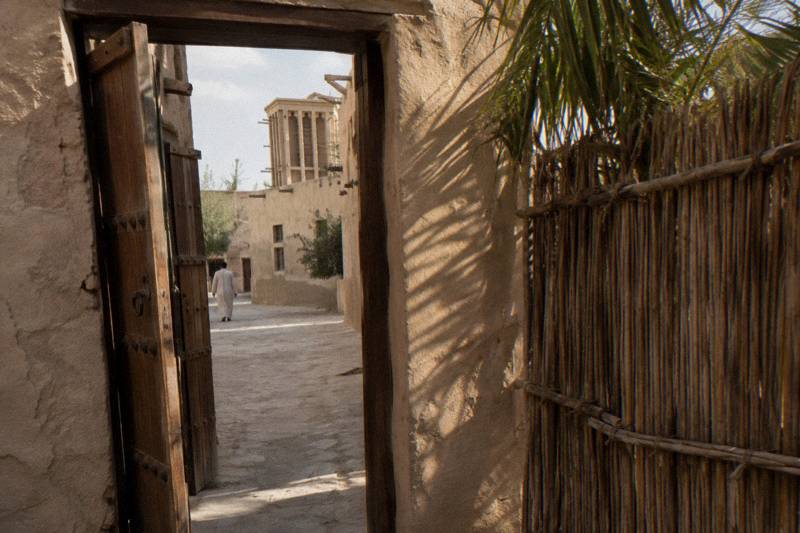
Halal Food In Dubai: What Visitors Should Know
Almost every kitchen in Dubai cooks halal by default, and that single fact shapes menus, restaurant layouts and even which food tour makes sense for you. Here is what halal actually means in practice, where pork and alcohol sit in the picture, and how the rules touch a walking food route through Old Dubai.
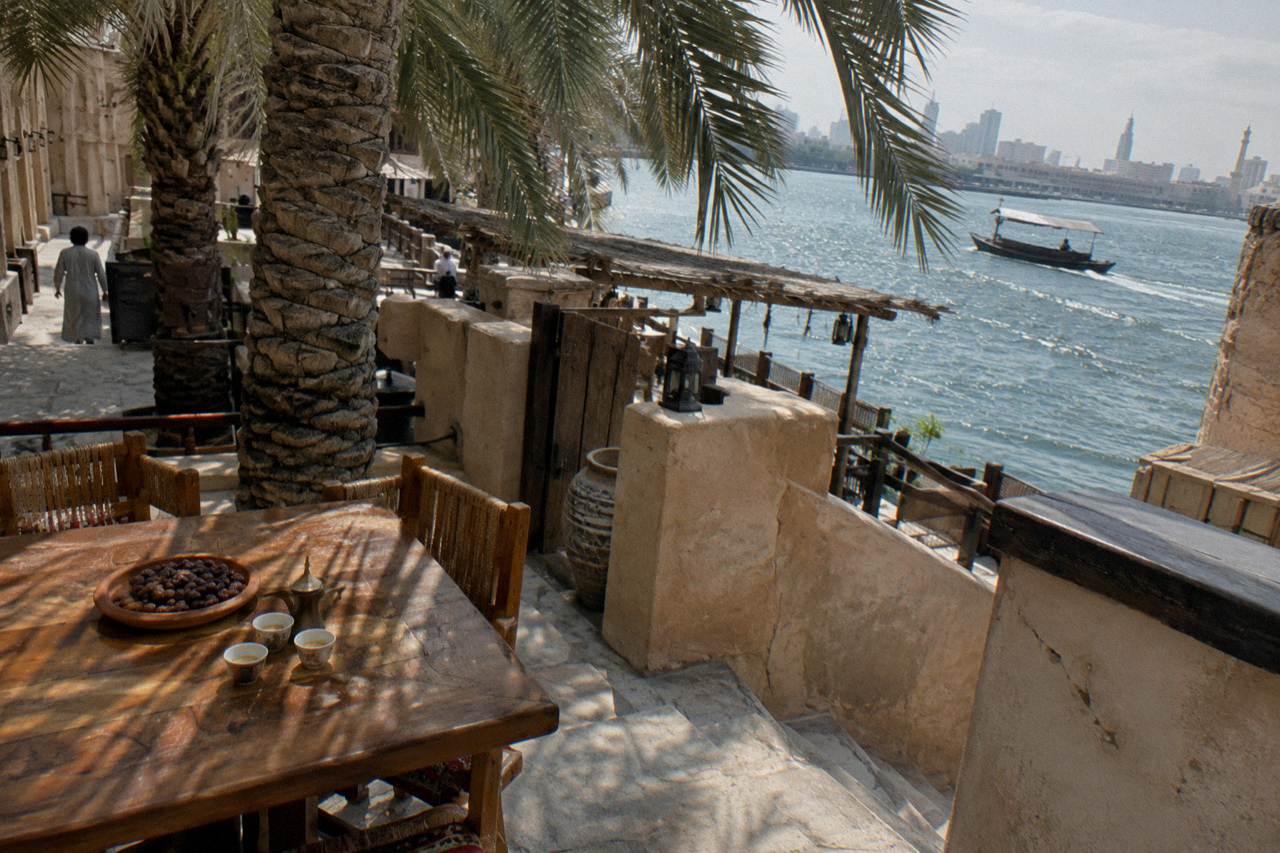
Short answer
Virtually all meat served in Dubai restaurants and markets is halal, and pork appears only in segregated, clearly labelled sections of licensed venues. Visitors over 21 can drink at licensed venues only. Food walks through Old Dubai serve no alcohol unless a listing says otherwise, so dietary rules genuinely shape which tour fits.
Every plate of shawarma, every bowl of harees and every skewer of grilled meat you encounter in Dubai is prepared under halal rules, and that is not a marketing claim, it is how the city's food supply works. Federal standards require meat and poultry sold in restaurants and markets to be halal-certified, which means visitors arrive in one of the most consistently halal food environments on earth, whether they sought one or not.
That fact surprises travellers in both directions. Muslim visitors sometimes expect to hunt for halal certification the way they would in a non-Muslim country, and find they do not need to. Non-Muslim visitors sometimes worry the rules will narrow their options, and find the opposite: the constraint sits almost entirely on pork and alcohol, two categories most street food never touches anyway. Dubai Food Tours covers the practical side of eating in this city, and this guide takes the halal question in full: what the word means, where pork and alcohol actually appear, what it means for a guided food walk through the souks, and the etiquette that comes with the food.
What Does Halal Actually Mean In Dubai?
Halal is an Arabic word meaning permissible, and in food terms it sets out which meats may be eaten and how they must be slaughtered. In Dubai the term carries legal weight, not just religious weight: federal certification standards require meat and poultry sold in restaurants and markets to be halal. The result is that eating halal in Dubai requires no effort at all, it is the default setting of the entire food scene.
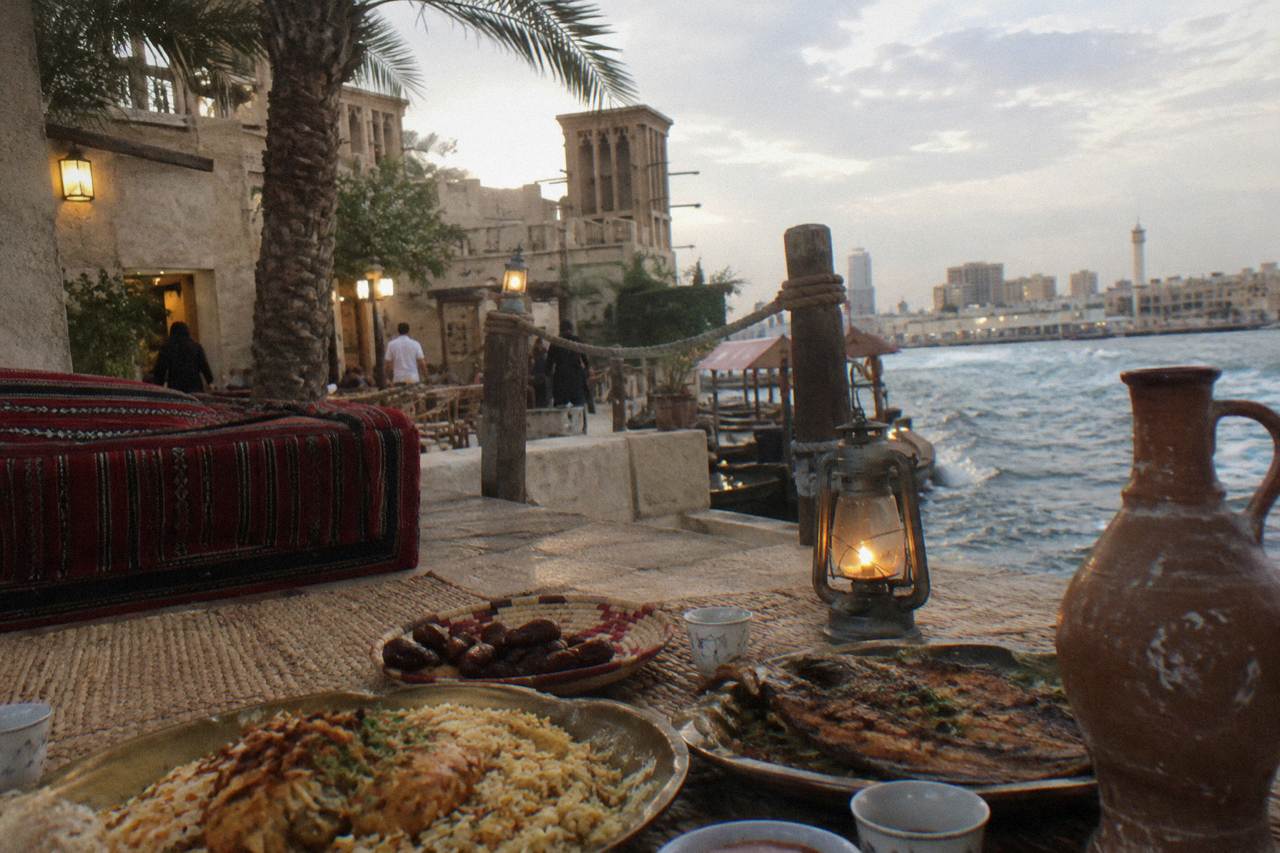
The rules themselves are straightforward. Permitted meats must come from an animal slaughtered according to Islamic procedure, with a swift cut and a prayer. Pork is entirely excluded, as are animals not slaughtered in the prescribed way. Fish and most seafood are generally considered halal without the same slaughter requirements, which is why grilled fish and shrimp appear everywhere in Emirati cooking without any special certification drama.
What trips visitors up is not the meat, it is the assumptions around it. Halal does not mean Middle Eastern, and it does not mean spicy or heavy. A biryani stall in Deira is halal, a Japanese restaurant in a mall is almost certainly halal, and a hotel breakfast buffet serving bacon in a corner station is operating within the rules too, because pork is allowed in designated, segregated and clearly labelled sections of licensed venues. The system is built on separation rather than absence.
For a visitor planning a food experience, the practical takeaway is simple: you will not need to ask whether the chicken shawarma is halal. It is. The questions worth asking instead are about alcohol, pork and specific dietary needs, which the rest of this guide covers. For a wider look at the dishes themselves, the Emirati dishes worth knowing guide breaks down what actually arrives on the plate.
Is All Food In Dubai Halal?
Almost, but not quite, and the exceptions are contained and clearly marked. All meat and poultry served in ordinary restaurants and markets follows halal rules, so a street food walk, a cafeteria meal or a mid-range restaurant dinner is halal by default. Pork exists in Dubai, but only in segregated sections of licensed hotel restaurants and supermarkets, physically separated and labelled. You will not stumble onto it accidentally. The same containment applies to drinking, and the guide to alcohol rules and halal dining on a Dubai food tour explains where licensed venues fit into a tasting route.
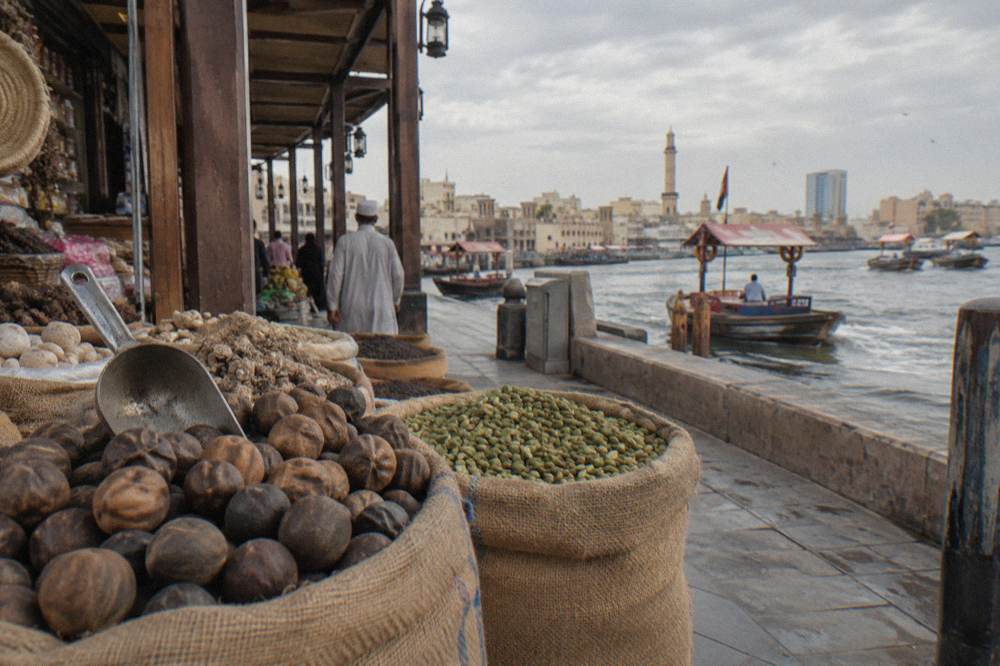
The legal framing comes from federal food standards, which require halal certification for meat and poultry across the retail and restaurant market. A guide to halal food in Dubai reports the same picture: certification is standard, pork is segregated to licensed sections, and labelling is explicit. In practice this means a hotel breakfast buffet might have a separate, signed pork station with its own tongs and servingware, and a supermarket will keep pork behind a marked door rather than on the general shelves.
For tours, the implications are tidy. The street food walks through Old Dubai operate entirely within the halal mainstream: shawarma, falafel, karak chai, luqaimat, samosas and Emirati mains like machboos and harees contain no pork and involve no alcohol. One premium Old Dubai listing describes tastings of shawarma, falafel, karak, samosa, rogag and luqaimat, a fully halal lineup from start to finish. If a tour dinner is served at a licensed venue, the venue may have a pork section elsewhere on the premises, but the tour menu itself stays within halal cooking.
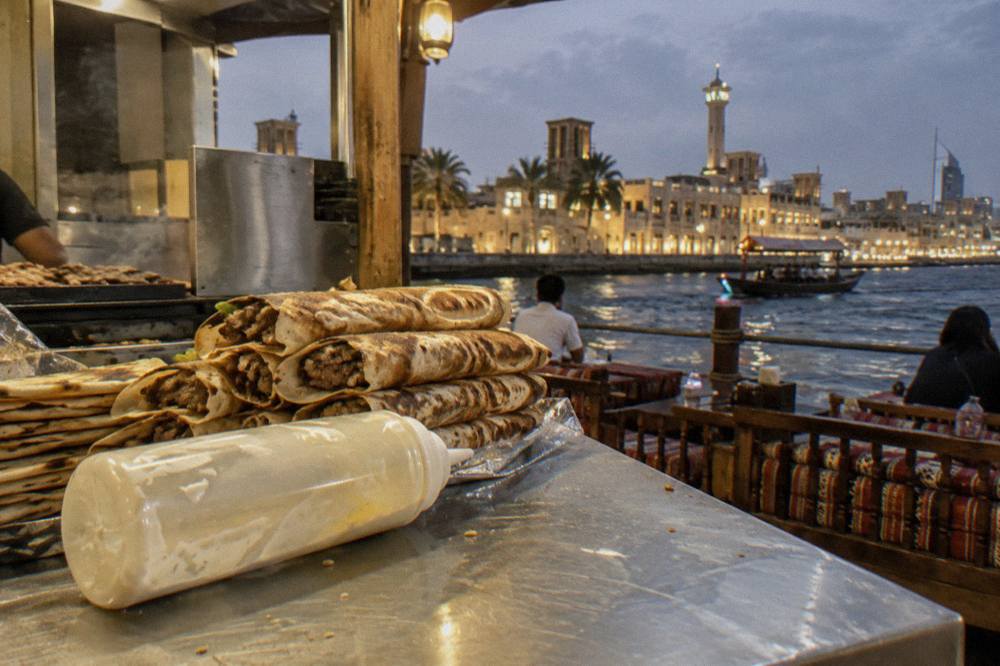
The table below sums up where each category sits.
| Category | Availability in Dubai | Where you meet it |
|---|---|---|
| Halal meat and poultry | Standard across restaurants and markets | Everywhere, default status |
| Fish and seafood | Generally halal without special certification | Grilled fish, Emirati seafood dishes |
| Pork | Segregated sections of licensed venues only, clearly labelled | Some hotel buffets, marked supermarket sections |
| Alcohol | Licensed venues only, age 21 and over | Hotel bars, licensed restaurants, lounges |
| Street food and souk food | Halal by default, no alcohol served | Food walks, cafeterias, market stalls |
This is also why the question of which food tour to book is less about halal compliance, which is universal, and more about format. The Al Fahidi old town walk runs 2.5 to 4 hours through the souks with street food and an abra cruise, all inside the halal mainstream, and it is a good benchmark for what a guided route covers. The current price and inclusions are on the operator's listing, and it is worth checking the meeting point details there before you commit.
Where Does Pork Fit In Dubai Restaurants?
Pork is not banned in Dubai, but it lives in a parallel, tightly controlled channel. It is sold only in designated licensed sections of hotel restaurants and approved supermarkets, physically separated from other food and clearly labelled. Ordinary restaurants and street food stalls do not serve it at all, so on a food walk through Old Dubai you will not encounter pork in any form.
The separation is taken seriously at the operational level. In a supermarket, pork sits behind a marked door or in a signed cabinet, with its own storage and often its own checkout handling. In a licensed hotel restaurant, a pork dish is identified on the menu and prepared apart from the halal kitchen. This is why the system works for everyone: Muslim residents and visitors can eat with total confidence in the unmarked mainstream, and non-Muslim visitors who want pork can find it without ambiguity.
For travellers used to European or North American dining, the one habit worth unlearning is the assumption that breakfast means bacon. Hotel buffets in Dubai frequently run a pork-free main line, with a separate signed station if they serve pork at all. The rest of the buffet, the eggs, breads, fruits, curries and Arabic mezze, is halal. Nobody is being deprived, the buffet simply reflects the market it serves.
The same logic applies to cooking equipment and servingware, which is why you should not expect a halal restaurant to grill a pork sausage you brought yourself. The rules are not negotiable at the venue level, and staff will decline politely. If pork matters to your trip, the honest answer is that licensed hotel venues are where it lives, and everything else in the city carries on without it.
Can You Drink Alcohol On A Food Tour In Dubai?
Alcohol in Dubai is legal for visitors aged 21 and over, but only inside licensed venues such as hotels, restaurants and lounges, and no tourist permit is needed for on-site drinking. Drinking in public places outside licensed venues is prohibited. Food walks through Old Dubai serve no alcohol unless a listing explicitly says so, so a standard souk food tour is an alcohol-free experience.
The age rule and the venue rule are the two that matter. A visitor over 21 with a passport can order a drink at a licensed hotel bar or restaurant without any additional licence. What they cannot do is carry that drink outside, drink on the street, in parks, on the beach or on public transport. Enforcement around public intoxication is strict, and the stakes are high enough that the sensible rule is simply to keep drinking inside the venue that served you.
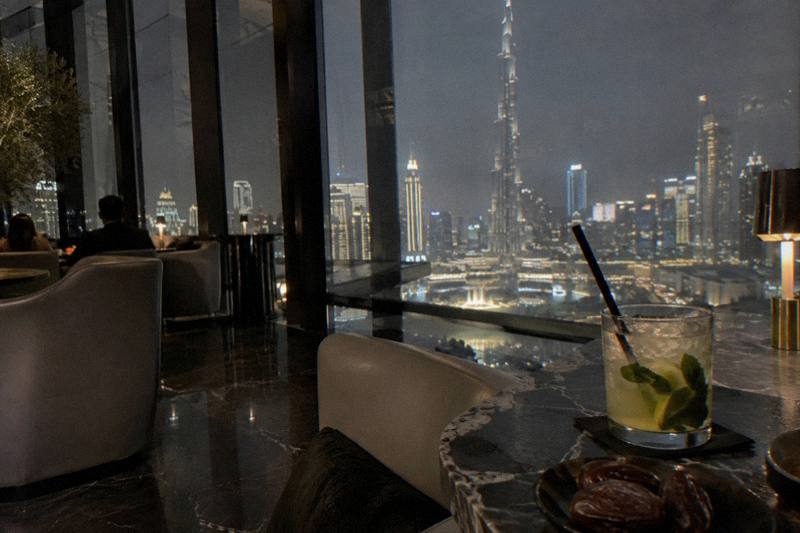
For guided food experiences, the practical question is whether the route includes a licensed stop. The street food walks through Al Fahidi, the Textile Souk and the Deira souks move through public lanes and market stalls, where alcohol would not be served even if a tour wanted it. A listing that pairs food with a drink, such as the food tour with access to a Burj Khalifa bar, states that bar access explicitly in its description. Where a listing does not mention drinks, assume none are included and check the booking page if it matters to you.
The Aladdin tour above is a good example of the format: a 3 hour walk through the souks, the Creek and Old Dubai with tastings, operating entirely in the halal, alcohol-free mainstream. If a drink with dinner is part of your ideal evening, the alcohol and pork on a Dubai food tour guide goes deeper on licensed venues and how they interact with guided eating.
What Halal Dishes Will You Meet On An Old Dubai Walk?
A guided walk through Old Dubai serves an almost entirely Emirati and regional lineup: machboos, harees, luqaimat, balaleet, karak chai and Arabic coffee with dates, alongside street staples like shawarma, falafel and samosas. Every one of these is halal by nature, and most are pork-free and alcohol-free without any special adaptation. The food is the point, and the rules are invisible.
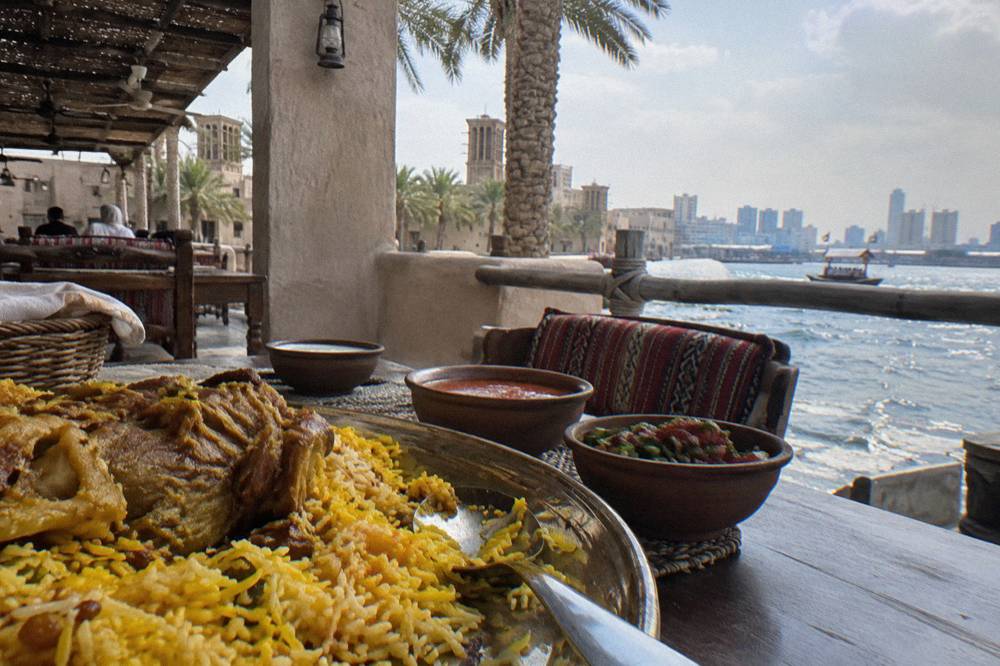
Machboos is the national dish: long-grain rice slow-cooked with lamb, chicken or fish, dried limes, baharat spices, cardamom, saffron and cinnamon, served family-style. Harees is wheat and meat cooked for six to eight hours until it turns into a smooth, porridge-like comfort dish, finished with ghee. Luqaimat are crisp fried dough dumplings drizzled with date syrup and sesame, eaten warm. Balaleet, sweet saffron and cardamom vermicelli topped with a thin omelette, and chebab, saffron pancakes served with cream cheese and date syrup, anchor the Emirati breakfast table.
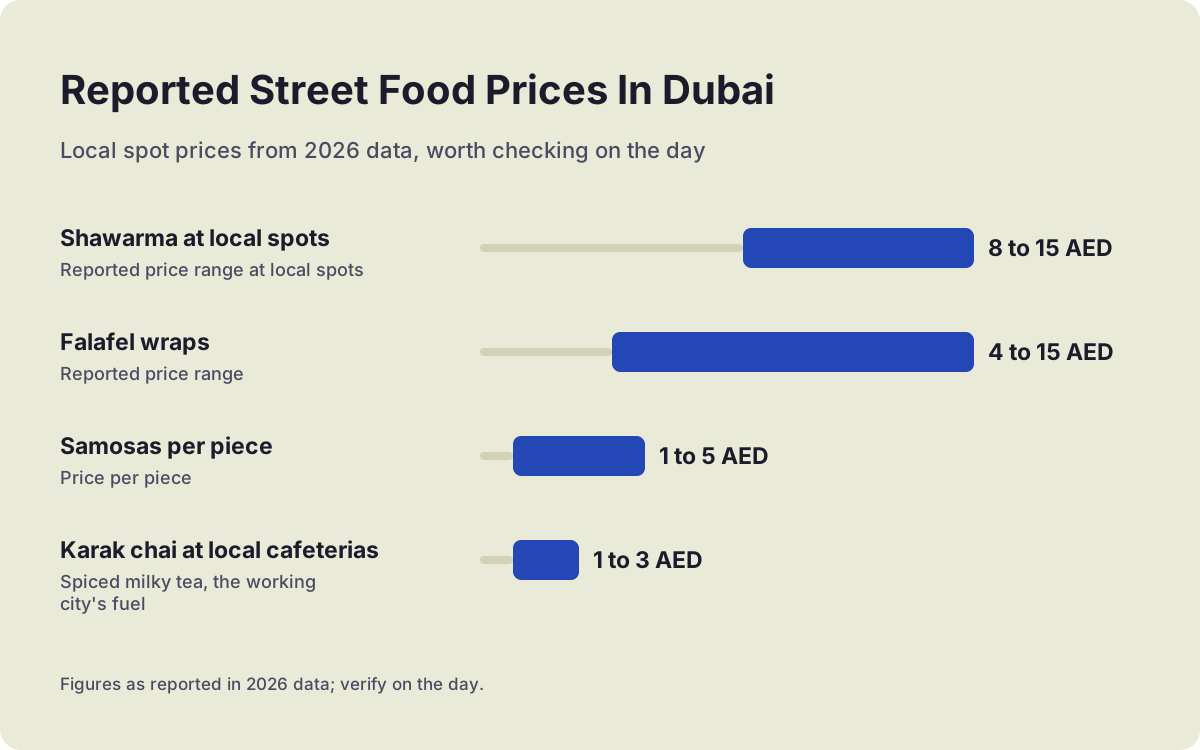
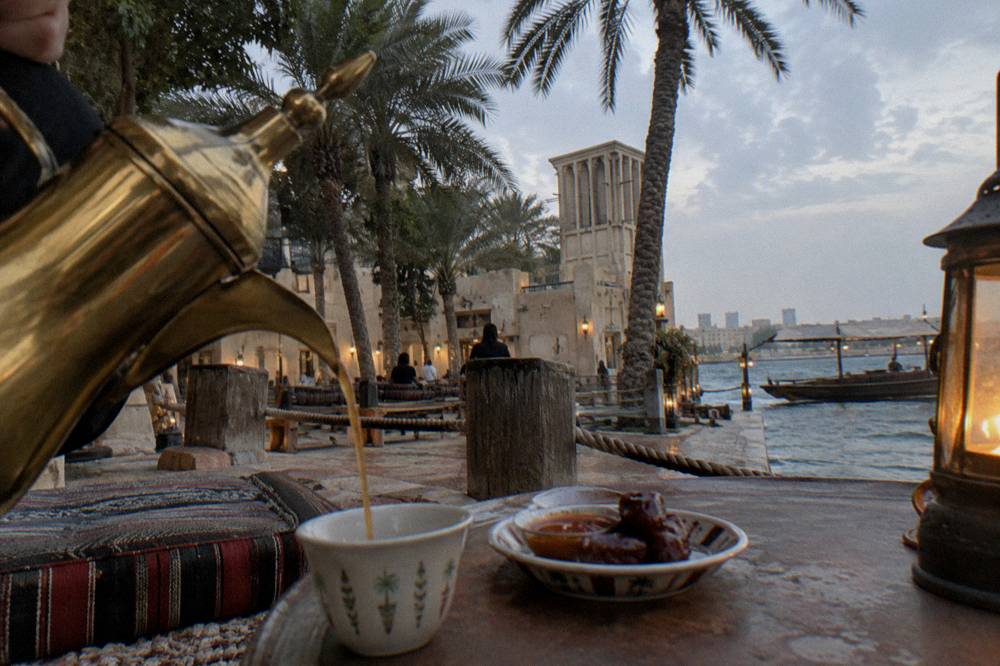
The drinks are their own ritual. Karak chai, spiced milky tea, is the working city's fuel, reported at 1 to 3 AED at local cafeterias. Gahwa, lightly spiced unsweetened Arabic coffee, is served in small finjan cups alongside dates, and it comes with etiquette: accept and hold the cup with the right hand, and gently shake the empty cup side to side to signal you are done. The Arabic coffee, karak and dates guide covers the full ritual.
| Dish | What it is | When it appears |
|---|---|---|
| Machboos | Rice slow-cooked with meat, dried limes and spices | Main meal, family-style platter |
| Harees | Wheat and meat slow-cooked to a smooth porridge | Gatherings, comfort dining |
| Luqaimat | Fried dumplings with date syrup and sesame | Dessert, served warm |
| Balaleet | Sweet saffron vermicelli with a thin omelette | Emirati breakfast |
| Karak chai | Spiced milky tea | Any hour, everywhere |
| Gahwa | Unsweetened cardamom coffee in small cups | With dates, as welcome |
On the street side, the lineup is just as halal by default. Reported prices from 2026 data put shawarma at 8 to 15 AED at local spots, falafel wraps at 4 to 15 AED, samosas at 1 to 5 AED per piece and karak at 1 to 3 AED at local cafeterias, all figures reported and worth checking on the day. A tasting walk that counts and lists its stops turns this scattered street menu into a coherent meal, which is exactly the gap a paid guided route fills.
How Do Dietary Needs Beyond Halal Work?
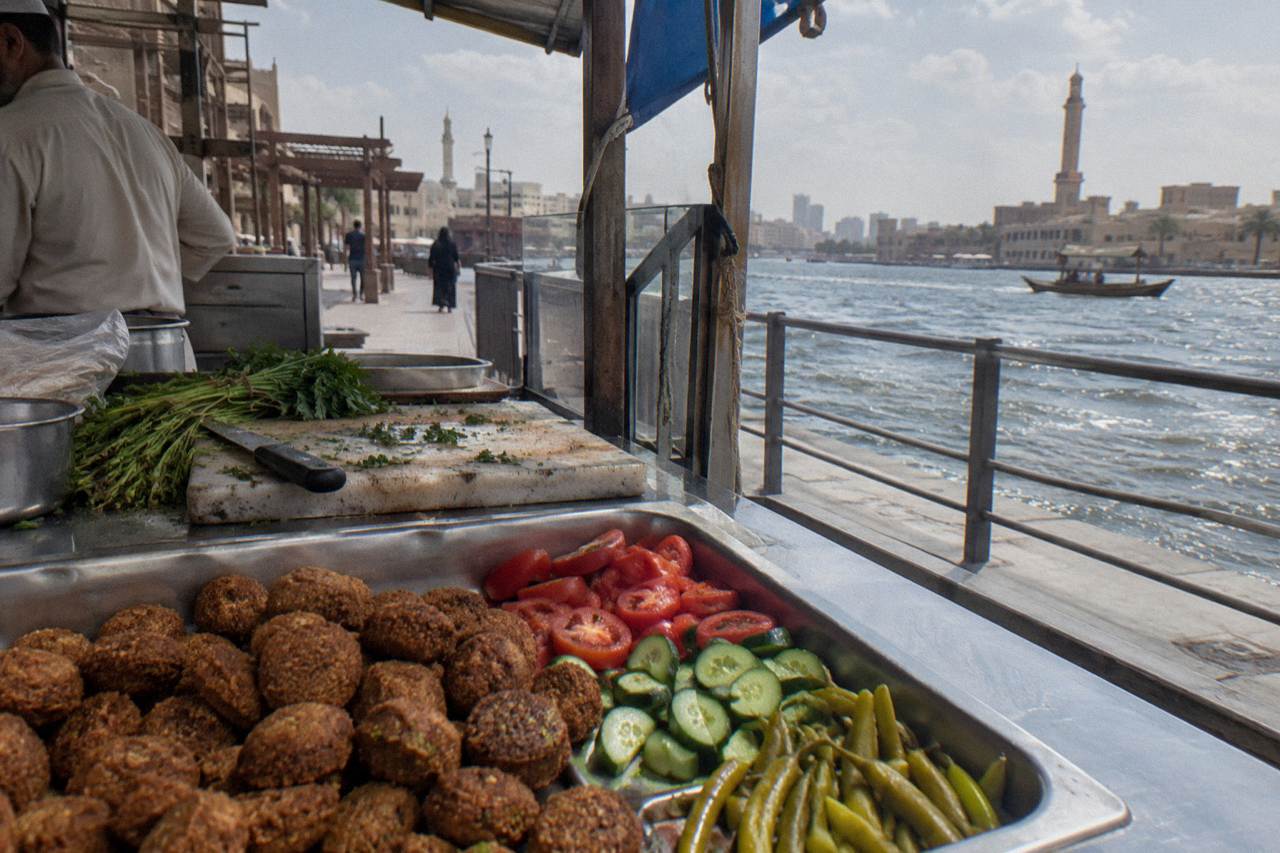
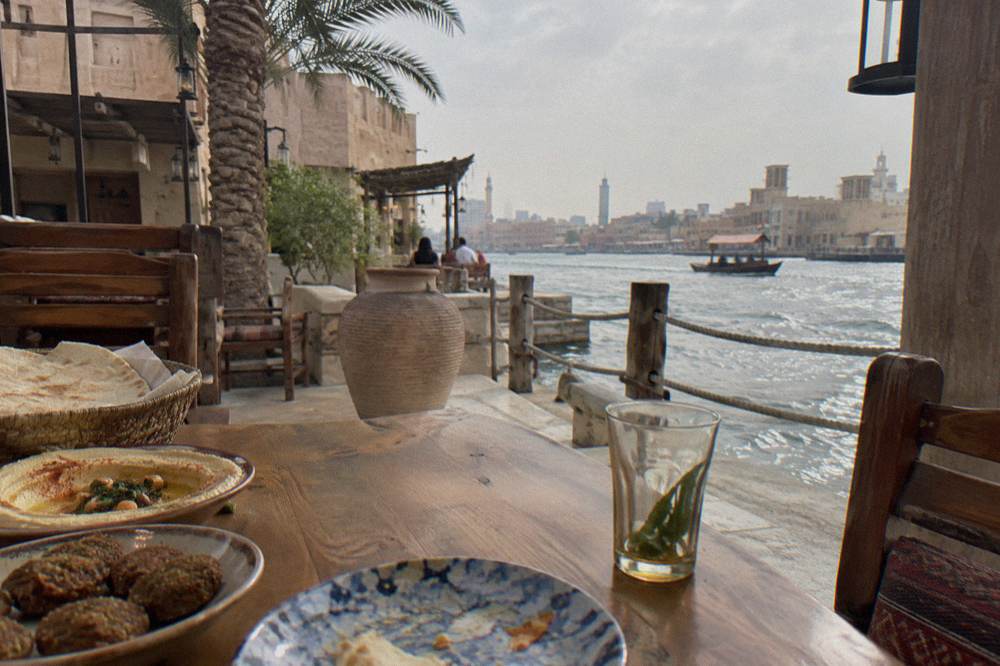
Halal certification says nothing about vegetarian, vegan or gluten-free suitability, and no tour in Dubai should be described as any of those unless its listing explicitly says so. The honest advice is to message the operator before booking with your specific needs. In practice the street food canon is friendly to vegetarians at the falafel, bread and tea end, and much less so for vegans at the meat-centred end.
The trap here is assumption in both directions. A vegetarian visitor sees a food scene built around grilled meats and assumes there is nothing for them, when in fact falafel, hummus, regag bread, luqaimat and karak are all meat-free. A vegan visitor sees the falafel and assumes the walk works, then meets ghee, dairy-based tea and honey or date syrup in nearly everything sweet. Neither assumption survives contact with the actual menu, which is why the pre-booking message matters.
Halal rules also interact with other restrictions in ways worth knowing. All meat in the city is halal, which answers the sourcing question for observant Muslim visitors completely. There is no kosher certification infrastructure equivalent to the halal one, so Jewish visitors with strict requirements should check directly with venues. The vegetarian and dietary needs on a Dubai food tour guide handles this territory in detail, tour by tour.
The one thing not to do is book a standard walk and hope. Operators report that they can often adapt tastings when they know in advance, substituting a vegetarian stop for a meat one, but they cannot rebuild a route on the spot. A message before booking costs a minute and changes the whole day.
How Does Ramadan Change Eating In Dubai?
During Ramadan, non-Muslims are not required to fast, and restaurants and dining establishments operate as normal, so visitors can eat and drink during the day. The old penalties for public daytime eating are gone, but etiquette still favours discretion outdoors during fasting hours. Ramadan 2026 ran roughly 18 February to 19 March, and the 2027 dates are not yet published.
The shift is real but smaller than most travellers fear. Restaurants serve food indoors as normal, without the screening and curtaining of earlier decades. A food tour during Ramadan is entirely possible, and some formats adjust, for example the cultural meal experiences in Al Fahidi move their dinner programming to iftar, the fast-breaking meal, during the month. The food tours in Dubai during Ramadan guide covers the practical differences in full.
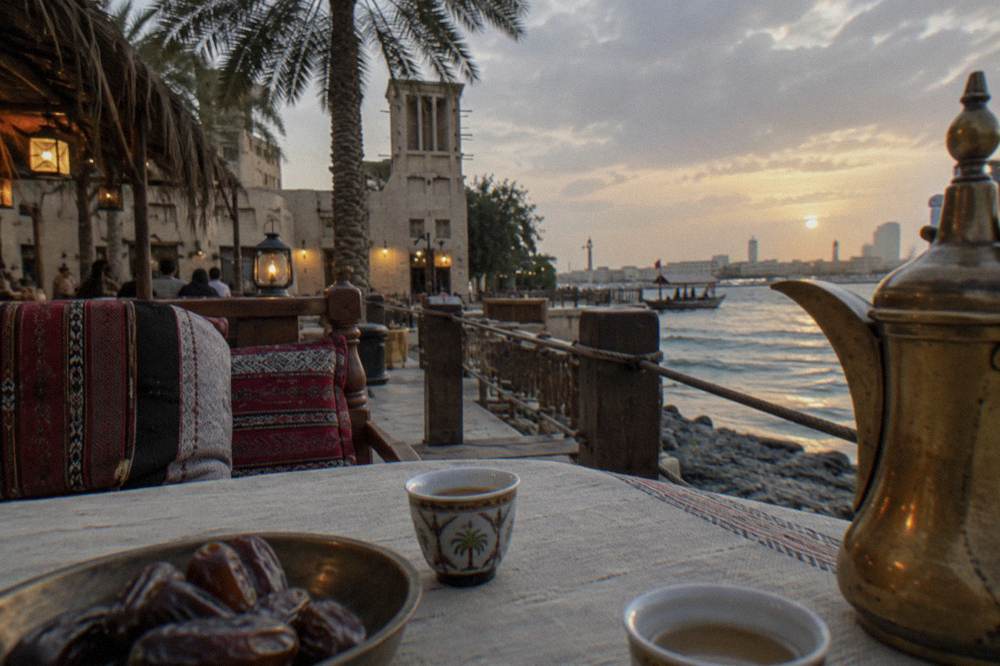
For the halal question specifically, Ramadan changes nothing about what is permitted, only the rhythm of when the city eats. Harees and thareed, a meat and vegetable stew ladled over thin regag bread, both carry strong Ramadan associations. Dates and Arabic coffee, already everyday items, take on a ceremonial role at iftar. A visitor eating during daylight hours indoors is breaking no rule at all, and one eating discreetly on a street is simply being considerate.
What Etiquette Comes With The Food?
Dubai table etiquette is light-touch for visitors, but a few habits matter: cover shoulders and knees in souks and heritage areas, accept Arabic coffee with the right hand and shake the cup side to side when finished, ask before photographing people, and treat the service charge question with a simple rule, a 5 to 10 per cent cash tip is common but voluntary. None of it is difficult, and all of it is noticed.
The dress expectation is cultural rather than legal in most cases: covering shoulders and knees in heritage districts and souks avoids attention and shows respect, and there is no single dress-code law for tourists. Photography etiquette is firmer, always ask permission before photographing individuals, particularly Emirati women and families, and especially in souks where people are working rather than performing.
The bill has its own mechanics. Standard 5 per cent federal VAT applies to food and beverage, and restaurants commonly add a service charge of up to 10 per cent, which is discretionary and typically retained by the venue rather than being a government fee. Visit Dubai's own tipping guidance suggests 10 to 15 per cent in restaurants and AED 5 to 10 in cafes, with no set rules, personal preference governs. One practical warning from the same guidance: card terminal tips do not always reach staff, so check with the waiter or tip in cash.
| Situation | The norm | The polite move |
|---|---|---|
| Arabic coffee offered | Served unsweetened in small cups | Right hand, shake cup side to side when done |
| Restaurant bill | 5% VAT, service charge up to 10% | Add 5 to 10% cash if service was good |
| Photographing people | Consent required, privacy rules apply | Ask first, especially in souks |
| Dress in souks | Shoulders and knees covered | Light layers, no strict legal fine |
| Eating in Ramadan daylight | Legal indoors, discretion outdoors | Eat inside venues |
How Do Halal Rules Shape Which Tour You Book?
Because every tour kitchen is halal by default, the rules rarely eliminate an option, they redirect your choice toward the format that fits: a souk walk with street tastings, an Emirati cultural meal with a host, or a longer private route. The real filters are alcohol inclusion, dietary adaptations and the depth of the cultural explanation, and each of those is stated on the listing or worth asking about before booking.
The format families on this site make the point. The Old Dubai street food walks, including the Al Fahidi route with its abra cruise and the Aladdin tour through the souks and the Creek, run 2 to 4 hours through the halal street mainstream with tastings along the way. The Emirati cultural dining options go deeper, pairing a meal with explanation: the cultural meal and talk in Old Dubai runs 1 hour 30 minutes and sits diners with a host, and the Flavors of Arabia souk tour pairs tastings with dinner over 2.5 hours. The private tours, at 3 to 4 hours with 10 or 12 tastings, buy pace control and a menu the operator can adapt to dietary needs.
Prices and current inclusions for every one of these live on the operator's listing, and the honest advice is to read the inclusions block before comparing prices: a walk with six tastings and a boat crossing is a different product from a hosted meal with a talk, whatever the headline figures say. The how to choose between Dubai food tours guide works through the comparison in detail.
The halal framing, in the end, is a comfort rather than a constraint. Muslim visitors book anything on the site knowing the kitchen is compliant. Non-Muslim visitors lose almost nothing, gain a food culture where the meat supply is uniformly certified, and make their real choices about format, pace and depth, which is exactly where the interesting decisions live.
Common Questions About Halal Food In Dubai
Is All Food In Dubai Halal?
Virtually all meat and poultry served in Dubai restaurants and markets is halal-certified under federal standards, so street food, cafeterias and ordinary restaurants are halal by default. Pork is the exception, sold only in segregated, clearly labelled sections of licensed venues. You will not need to check certification at a normal restaurant.
Can I Eat Pork In Dubai?
Yes, but only in designated licensed sections of hotel restaurants and approved supermarkets, where it is physically separated and labelled. Ordinary restaurants and street food stalls do not serve pork at all, and staff will not prepare pork you bring yourself.
Can I Drink Alcohol On A Food Tour In Dubai?
Not on a standard one. Food walks through Old Dubai serve no alcohol unless the listing explicitly says so, since the routes move through public lanes and market stalls. Visitors over 21 can drink at licensed venues like hotel bars and licensed restaurants, and a few tours pair food with bar access, which the listing states.
Are Dubai Food Tours Suitable For Vegetarians?
Partly, and it depends on the tour. Falafel, hummus, breads, luqaimat and karak chai are meat-free and appear on most routes, but the canon is meat-centred. No tour should be assumed vegetarian or vegan unless its listing says so, so message the operator before booking with your specific needs.
Does Halal Affect Where I Can Eat During Ramadan?
No. Non-Muslims are not required to fast, restaurants operate as normal, and visitors can eat and drink during the day. Etiquette favours discretion outdoors during fasting hours, and eating indoors at a venue is entirely normal.
Do I Need To Tip In Dubai Restaurants?
Tipping is voluntary, with no set rules. A service charge of up to 10 per cent is commonly added and typically retained by the venue, and Visit Dubai suggests 10 to 15 per cent in restaurants or AED 5 to 10 in cafes. Cash tips are safer if you want the money to reach staff.