Alcohol And Pork On A Dubai Food Tour
Dubai's food walks run through halal kitchens and dry streets. Here is what that means for what your tour serves, where a drink fits into the day, and what to ask before you book.
Short answer
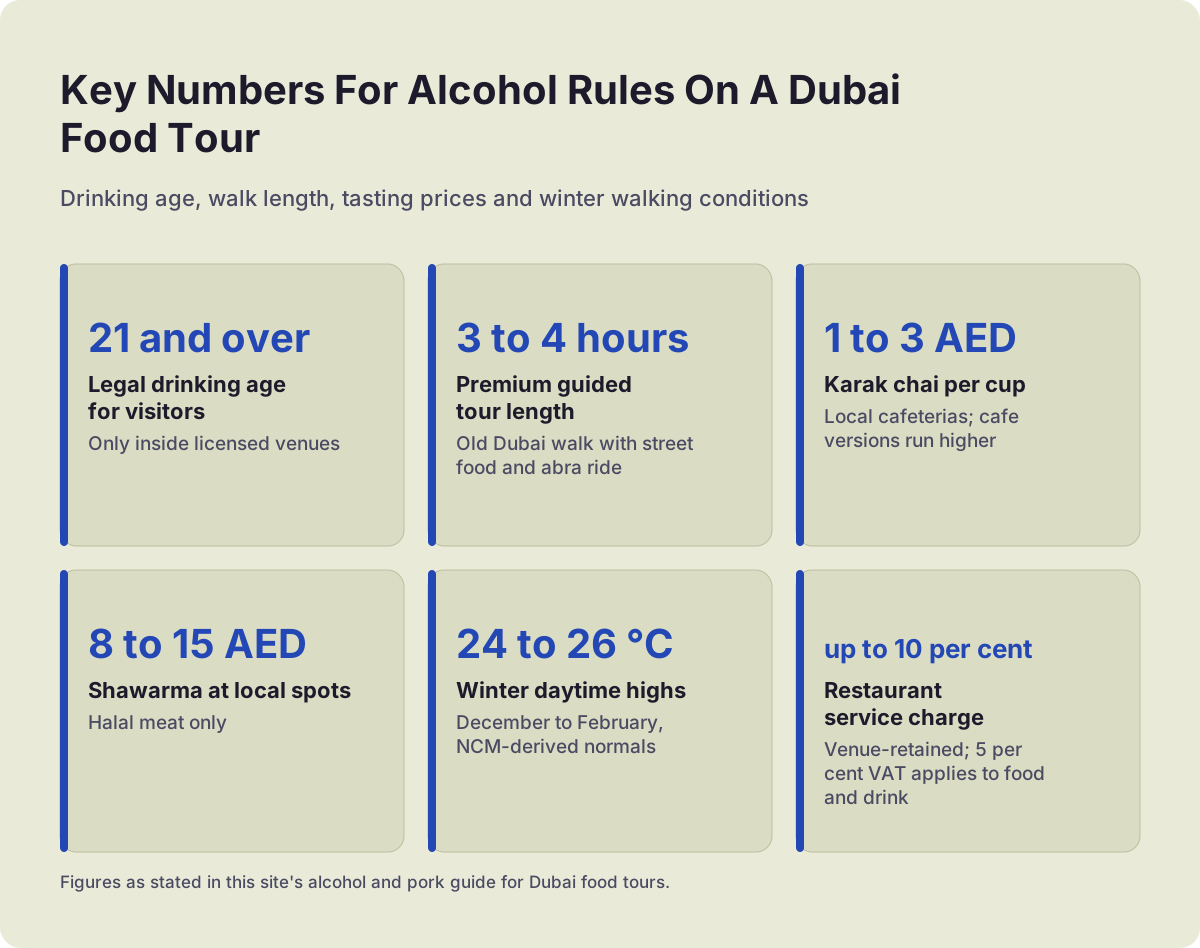
Visitors aged 21 and over can drink alcohol in Dubai, but only at licensed venues such as hotels, restaurants and lounges. Street food walks through Old Dubai serve no alcohol unless a listing says otherwise, and all meat is halal, so pork appears only in designated licensed sections and is not part of a standard tasting route.
Old Dubai runs on karak chai, not cocktails. The lanes around Al Fahidi and the Deira souks are halal kitchens, licensed-venue drinking rules, and dry street corners, and that shapes every tasting walk that passes through them. Visitors aged 21 and over can drink in Dubai, but only inside licensed places, and pork is confined to designated licensed sections of hotels and supermarkets. Neither fact ruins a food tour, but both change what a tour can serve, and knowing them before you book prevents the most common disappointment: expecting a wine-paired evening in a district that has never poured one. For a fuller picture of what halal kitchens mean for the dishes a tour can actually serve, the guide to halal food for Dubai visitors covers the specifics before you book.
This guide lays out the rules plainly, then connects them to the actual experience on a guided food walk, what the tastings are, where a drink fits if you want one, and what to message an operator about before paying. The rules themselves come from official sources; the tour specifics come from what the listings describe. Where a detail is not stated on a booking page, the honest answer is to check with the operator, and this page says so rather than guessing.
What Are The Dubai Alcohol Rules For Visitors?
The rule is simple and strictly two-part: you must be 21 or over, and you must be inside a licensed venue. Hotels, restaurants, bars and clubs with a licence may serve alcohol to tourists, and no personal liquor permit is needed for drinking on site, a passport or ID card suffices. Outside licensed venues, alcohol is not allowed in public places, and public intoxication is firmly enforced.
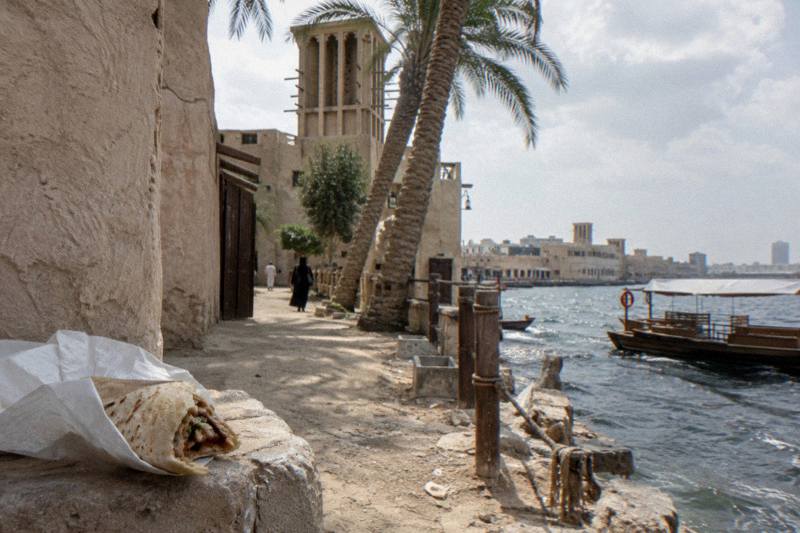
That second part is the one that matters on a food walk. A street corner in Deira, a bench on the Al Seef promenade, the deck of a traditional abra: all of these are public places, and drinking there is prohibited, full stop. The rules are set out on the official Dubai visitor FAQ, which states that visitors over 21 may consume alcohol at licensed venues and that drinking in public places outside them is not permitted on the official visitor FAQ page. Enforcement of public drinking and intoxication is described as strict, with fines and worse possible, so the practical advice for a touring day is not to carry an open drink between stops.
None of this makes Dubai dry. The licensed venue network is large, and hotel bars and restaurants in the newer districts pour freely. But the geography matters: the food walk districts, Bur Dubai, Al Fahidi, Al Seef, Deira and the souks, are where the licensed venues thin out and the halal street kitchens dominate. A visitor planning a food day in Old Dubai and a drink afterwards is best served by treating them as two separate legs of the evening, in two separate places.
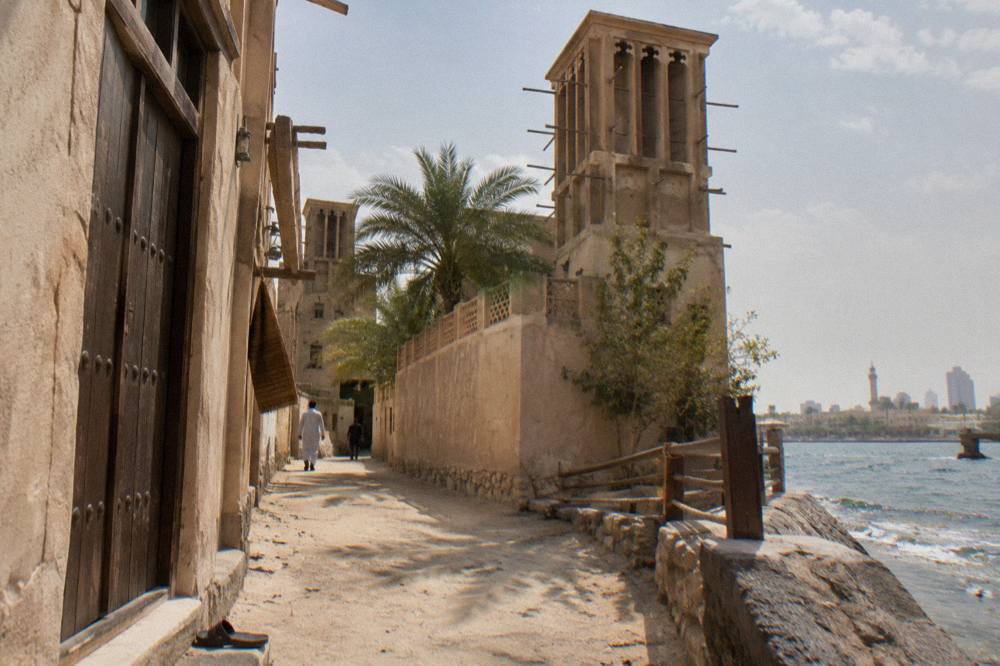
For timing, the winter months are the comfortable walking season: December to February bring the lowest average daytime highs, around 24 to 26 °C per NCM-derived normals, which is when the long walking routes through the souks feel best. Alcohol rules do not change with the season; only the comfort of the walk does. Winter daylight is short too, with December sunrise around 06:57 and sunset around 17:32, so a walk that starts in mid-afternoon finishes under lights, which suits the lantern-lit lanes of the old district well.
Is Alcohol Ever Served On A Dubai Food Tour?
Almost never on a street food walk, and the honest reason is structural: the tours run through halal kitchens and public lanes where alcohol cannot be served or consumed. A listing that includes drinks serves soft drinks, karak chai, Arabic coffee and water. If a tour includes a licensed restaurant stop where alcohol is available, the listing says so, and any drinks there are bought separately by the guest.
The guided walks compared here are tasting routes first: shawarma, falafel, karak, samosa, regag and luqaimat are the currency of the day, with the drinks being tea, coffee and water. The premium guided tour with street food and abra ride, runs 3 to 4 hours through Old Dubai, and its tastings are the street staples listed on its page; nothing in the listing describes alcohol, so the safe assumption is that none is served. Where you want certainty, the booking page states the inclusions, and a quick message to the operator settles anything it does not.
That is not a gap in quality so much as a fact of the district. The same rule that keeps the lanes dry keeps them halal, and the food traditions of the area, Emirati, Iranian, Indian, Pakistani and Lebanese cooking, developed around exactly these constraints. A dry walk with excellent chai is the authentic version of this district, not a compromise on it.
The drinks you will actually be handed are worth a sentence of their own, because they are not an afterthought in this food culture. Karak chai, the spiced milky tea sold at local cafeterias for a reported 1 to 3 AED a cup, is the working drink of the district, and the cafe versions run higher. Gahwa, the lightly spiced unsweetened cardamom coffee, comes in small finjan cups with dates, and it carries its own etiquette that a guide will usually demonstrate at the first stop. Water is always on the table. The table below shows how the drinks on a walk map to the rules.
| Drink on a walk | What it is | Where it fits the rules |
|---|---|---|
| Karak chai | Spiced milky tea, reported 1 to 3 AED at local stalls | Served anywhere, halal by default |
| Gahwa | Unsweetened cardamom coffee in small cups, with dates | Traditional welcome drink, served with etiquette |
| Soft drinks and water | Standard bottled or fountain options | Sold at every stop |
| Alcohol | Not served on street food walks | Only at licensed venues, bought separately |
If a drink with dinner is part of your plan, the workable pattern is a guided walk that ends near a licensed area, then a separate dinner at a hotel or licensed restaurant afterwards. Several of the longer routes finish in the early evening, which leaves the night open for exactly that. For a fuller picture of how a route like this actually runs, the pace, stops and dress guide covers the walking side, and the night food tour guide covers what Old Dubai looks like after dark, licensed venues and all.
Where Can You Drink Alcohol Legally In Dubai?
Licensed hotels, restaurants, bars, clubs and lounges, if you are 21 or over and can show ID. No tourist permit is needed for on-site drinking. Drinking on the street, at the beach, in parks, on public transport or in any unlicensed space is prohibited, and being visibly intoxicated in public carries real consequences. Licensed venues are concentrated in the hotel and tourism districts rather than the souk lanes.
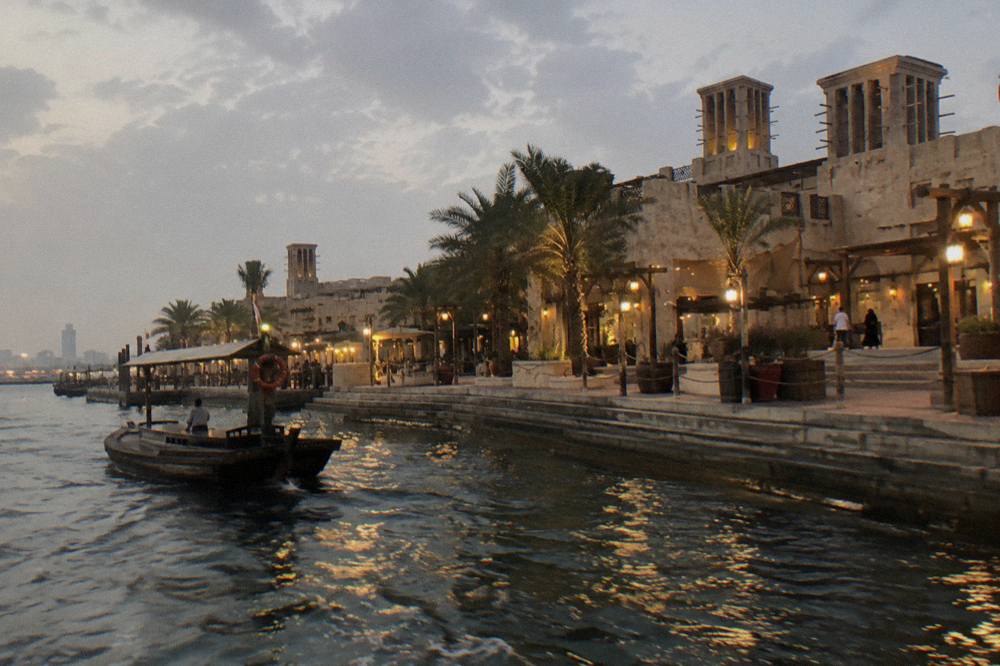
The split is geographic and worth planning around. Downtown Dubai, the Marina and the beach districts have dense licensed coverage, and hotel bars there operate like hotel bars anywhere. Old Dubai has licensed venues too, but they are individual restaurants and heritage cafes rather than a strip, and a food walk will not pass a bar every hundred metres the way a Downtown walk would. A guest review of a walk through this district is more likely to mention the tea than any tipple, and the listings themselves describe drinks in terms of karak, Arabic coffee and water.
One practical note on paying and tipping, since licensed dinners often follow the walk: restaurants commonly add a service charge of up to 10 per cent, which is venue-retained rather than a government fee, and the standard 5 per cent VAT applies to food and drink. Cash tips of 5 to 10 per cent are common but voluntary, and the official visitor guidance on the subject is that tipping is personal preference, with 10 to 15 per cent at restaurants being the usual straightforward choice per the official tipping guide. The tipping and paying guide breaks down how bills work across the old district.
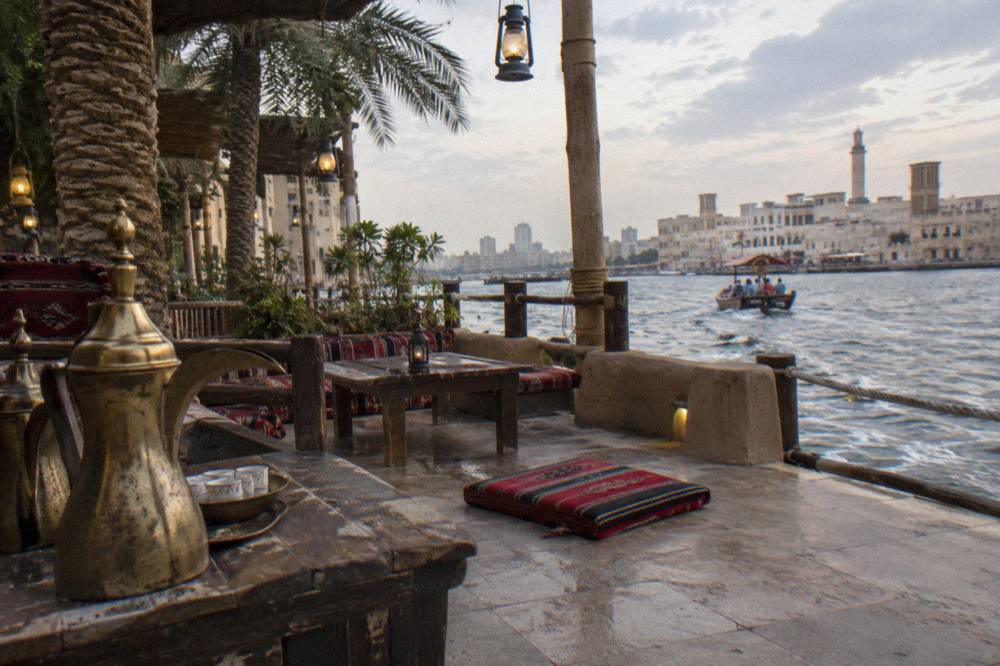
The table below is a plain-language summary of where drinking stands in each setting you might encounter on a food day. It is a planning summary, not a legal text, and the official pages carry the final word.
| Setting | Alcohol status | What applies |
|---|---|---|
| Licensed hotel bars and restaurants | Allowed, 21 plus, ID on request | Tourists need no permit for on-site drinking |
| Licensed standalone restaurants | Allowed where the venue holds a licence | Check the venue, not the street |
| Street, beach, parks, metro | Prohibited | Public drinking is strictly enforced |
| Souk lanes and abra decks | Prohibited | Public places, no exceptions |
| Guided food walk tastings | Not served unless the listing says so | Drinks are typically karak, coffee, water |
| Licensed dinner after a walk | Allowed at the licensed venue | Bought separately by the guest |
Why Is Pork Not On A Dubai Food Tour Menu?
Because virtually all meat sold and served in Dubai's restaurants and markets is halal, and pork is available only in designated, clearly labelled sections of licensed hotel restaurants and supermarkets, physically separated from other goods. A tasting walk through Old Dubai will not serve pork, will not pass a pork counter, and cannot include it even on request. The kitchens the tours work with are halal kitchens by law and by tradition.
This is not a tour policy, it is the regulatory and cultural baseline of the country. Federal halal certification requirements cover the meat supply, and the pork exception exists only inside segregated, licensed spaces, as the halal food guides for the city report in current halal guidance for Dubai. For a visitor this has a practical upside that rarely gets mentioned: the entire street food landscape, shawarma, falafel, machboos, harees, luqaimat, everything a walk serves, comes from a single consistent supply chain, and questions about meat sourcing have one answer everywhere.
What it means for the tour is that the tasting list is drawn from a deep and varied halal tradition. A three-hour walk might cover Emirati, Iranian, Indian and Lebanese stops, and none of them will be missing anything the district's regulars eat. If pork matters to you as a traveller, the honest framing is this: Dubai is one of the easier cities in which to skip it without noticing, because the food culture was never built around it. Everything else covered here is indexed on Dubai Food Tours.
The dishes themselves show how little the absence costs. Machboos, the UAE national dish, is long-grain rice slow-cooked with lamb, chicken or fish, dried limes and baharat spices. Harees is wheat and meat cooked for six to eight hours until smooth, finished with ghee. Luqaimat are crisp fried dumplings with date syrup and sesame. Every one of them is halal by nature, not by adaptation, and the table below shows how the main tasting staples sit inside the rules.
| Tasting staple | What it is | Pork or alcohol involved |
|---|---|---|
| Shawarma | Grilled meat wrap, reported 8 to 15 AED at local spots | Neither, halal meat only |
| Falafel with hummus | Chickpea fritters and dip | Neither, fully plant-based |
| Machboos | Spiced rice with lamb, chicken or fish | Neither, halal by tradition |
| Harees | Slow-cooked wheat and meat porridge | Neither, halal by tradition |
| Luqaimat | Fried dumplings with date syrup | Neither, sweet and sober |
| Karak chai | Spiced milky tea | No alcohol, served everywhere |
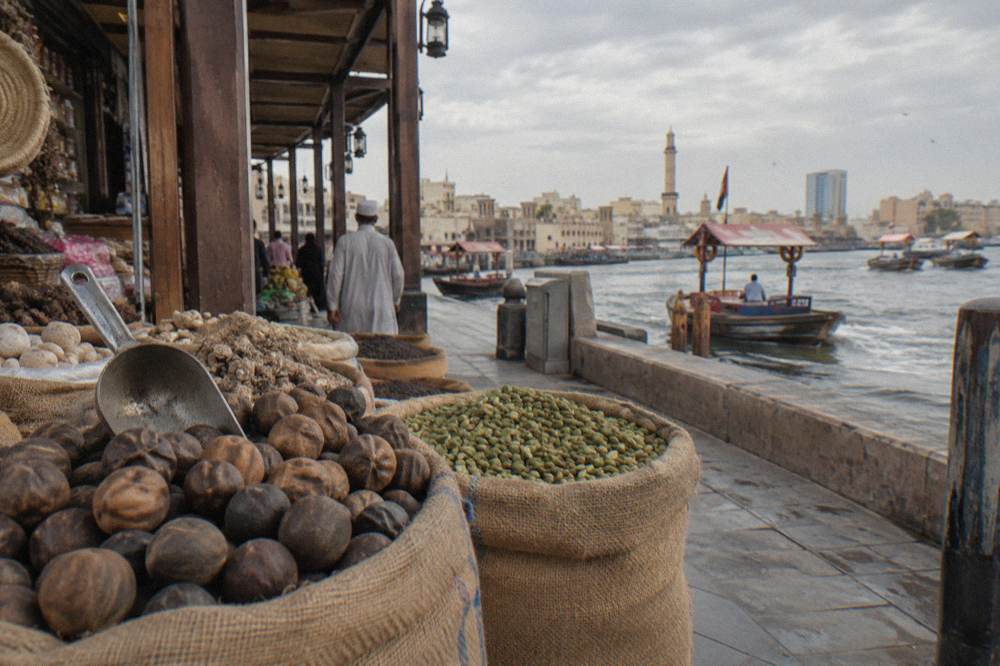
For the wider context on the halal system and what visitors should know about eating in the Emirates, the halal food guide covers certification, labels and what the rules mean for everyday dining.
How Do Dietary Needs Work On A Halal Food Tour?
Halal is the default, so the questions worth asking before booking are the other ones: vegetarian, vegan, gluten-free and allergy needs. A listing only counts as able to accommodate a diet if it says so, and where it does not say, the right move is to message the operator before paying, not to assume the route can flex on the day. Guides report that vegetarian stops exist on most routes, since falafel, hummus, breads and sweets anchor the cuisine.
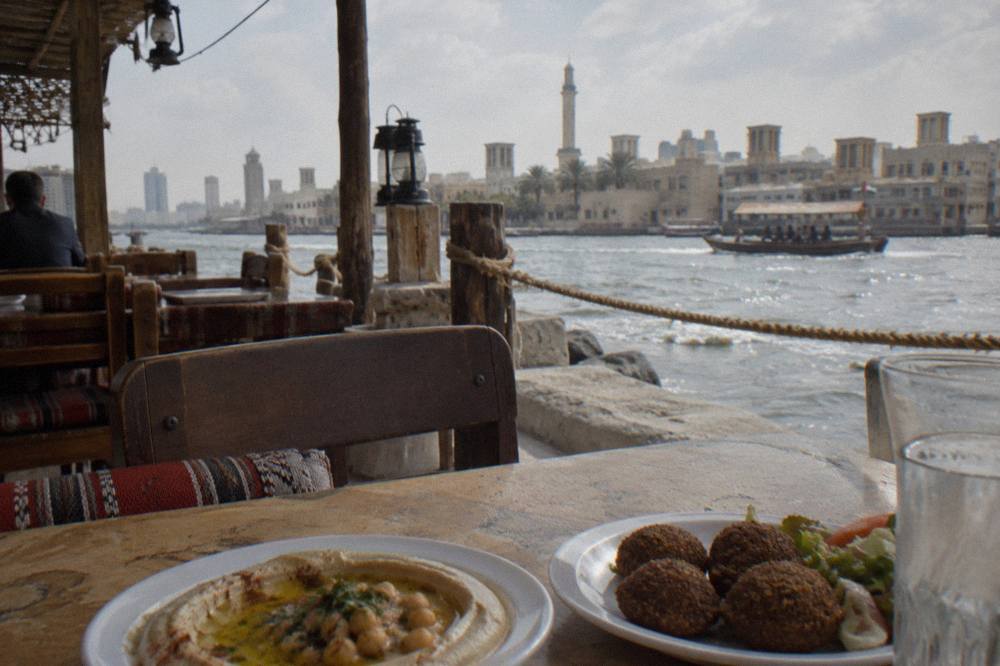
The listings describe their own accommodations, and where a listing is silent, silence means the listing does not say, not that the answer is no. The practical habit is a short message at booking time: state the diet, ask which stops change, and get the answer in writing from the operator. Old Dubai's food landscape makes this easier than most cities, because the staples that carry the vegetarian side of the cuisine, falafel at a reported 4 to 15 AED a wrap, hummus, regag bread, luqaimat and karak, are the same staples the tours already feature.
For the full picture on eating plant-based on a guided route, including what to ask and which dishes travel well, the vegetarian and dietary needs guide is the dedicated page.
What About Ramadan, Coffee Etiquette And The Rest Of The Day?
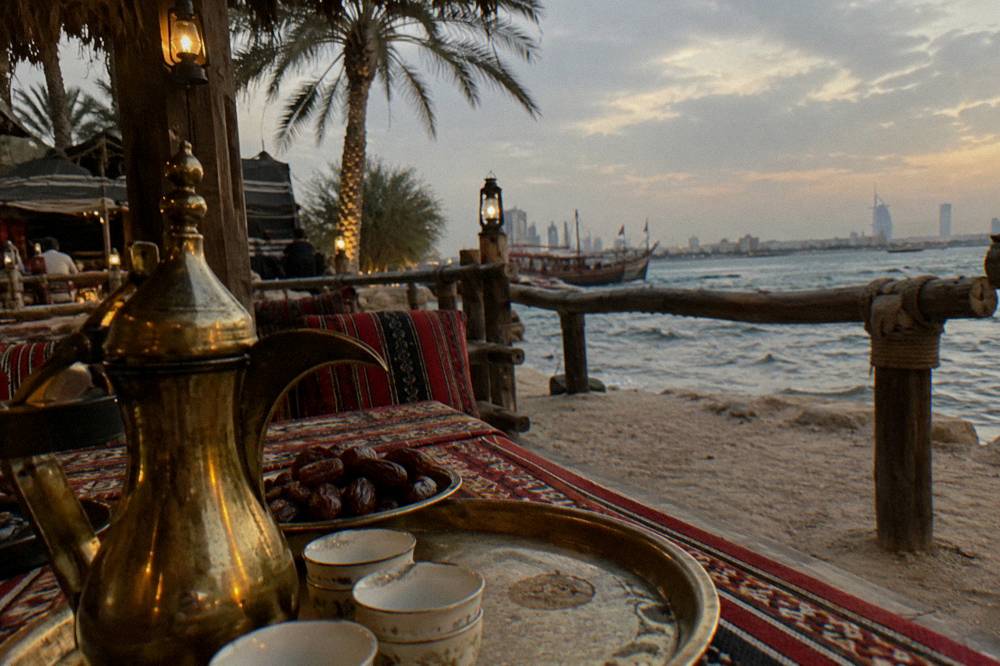
During Ramadan, non-Muslims are not required to fast, and restaurants and dining establishments operate as normal, so food tours continue, with etiquette advising discretion outdoors during daylight fasting hours. Gahwa, the unsweetened cardamom coffee served in small cups, carries its own etiquette: accept with the right hand, and shake the cup gently side to side when you are finished. Neither the coffee nor the calendar needs to change your booking, but both are worth knowing before the day.
The Ramadan facts are the reassuring ones: official guidance states that people not fasting can eat and drink during the day and that dining operates as normal, and the penal provisions that once criminalised public daytime eating have been repealed. The 2026 Ramadan ran roughly 18 February to 19 March, and exact 2027 dates are lunar and not published in advance, so a traveller booking for that window should check the official pages closer to the time. The dedicated Ramadan food tours guide covers what changes on a walk during the holy month.
The coffee etiquette is a small thing that lands well. Gahwa is served with dates, poured in small amounts, and refilled until you signal; the signal is the gentle side-to-side shake of the empty cup. Guides on heritage walks often explain this at the first stop, and a guest who already knows it gets the better version of the conversation. Dress follows the same respect logic: shoulders and knees covered in the souks and heritage districts, which the dress code guide details in full.
A few more day-of details round this out. Smoking, including vapes and shisha, is banned in enclosed public spaces and permitted only in licensed designated zones, so a cigarette between tastings needs a proper spot, not a souk lane. Photography etiquette asks permission before photographing individuals, particularly in traditional districts. And the meeting points used by the Old Dubai walks, heritage restaurant entrances, metro station exits and hotel lobbies, are all public, dry, halal-by-default places, which is exactly why the rules in this guide shape the whole day rather than one meal.
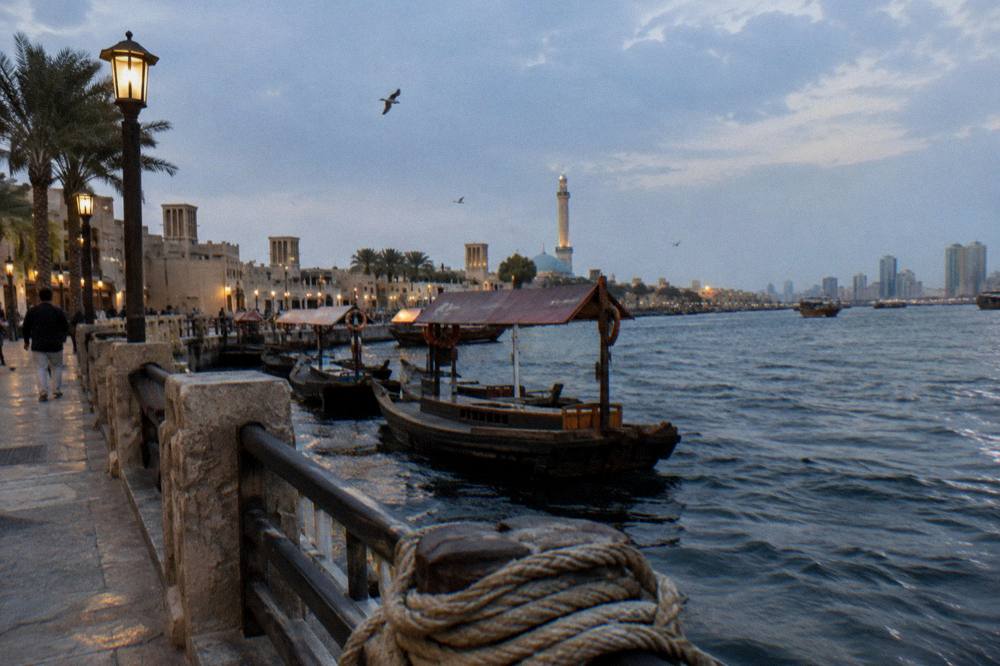
The Creek crossing that many routes include is a good example of the whole picture in one moment. The Roads and Transport Authority operates the traditional commuter abras on routes between Bur Dubai and Deira, and the crossings are short, public and dry. The Dubai Creek Lights project is underway along roughly 8 km of the Creek waterfront, including the souk promenades, with more than 5,000 lighting units and a completion scheduled for the first quarter of 2027, so evening walks along the water are getting brighter in the meantime. None of this involves alcohol or pork, and none of it suffers for that.
Which Tour Fits If You Want A Drink With Your Evening?
If the drink matters, pick a walk that ends in the late afternoon or early evening near a licensed district, and book the licensed dinner yourself afterwards; no street food walk in Old Dubai pours alcohol as part of its tastings. If the walk itself is the point, any of the guided routes serve the district honestly: halal tastings, tea and coffee, and a guide who explains the rules as you go.
The three walks below cover the range. The premium guided tour with street food and abra ride, runs 3 to 4 hours and pairs the tasting route with the Creek crossing. The historic guided tour covers the same district in a comparable frame, creek, street food and souks. The premium old town walk runs around 4 hours and adds a boat ride, the longest of the three. Prices, ratings and exact inclusions for each sit on the operator's live listing, and each listing states its own inclusions, which is where the alcohol question gets its final answer: if a listing does not mention alcohol, the walk does not serve it.
| Walk | Length | What it pairs with the tastings |
|---|---|---|
| Premium guided tour with street food and abra ride | 3 to 4 hours | Old Dubai route plus Creek abra crossing |
| Historic guided tour: creek, street food and souks | 3 to 4 hours | Heritage commentary through the souk district |
| Premium old town walk with boat ride | Around 4 hours | The longest frame, with a boat ride on the water |
Common Questions About Alcohol And Pork On A Dubai Food Tour
Can Tourists Drink Alcohol In Dubai?
Yes, at licensed venues, if they are 21 or over. Hotels, restaurants, bars, clubs and lounges with a licence may serve tourists, and no personal liquor permit is needed for drinking on site. Drinking in public places outside licensed venues is prohibited and strictly enforced.
Is Alcohol Served On A Dubai Food Tour?
Not on a standard street food walk through Old Dubai. The tastings are halal street foods, and the drinks served are typically karak chai, Arabic coffee and water. If a particular tour includes a licensed restaurant stop where alcohol can be bought, the listing says so; where it does not, assume none is served and check with the operator before booking.
Can I Eat Pork In Dubai?
Yes, but only in designated, clearly labelled sections of licensed hotel restaurants and approved supermarkets, where pork is physically separated from other goods. It is not served on food tours, and the halal kitchens of Old Dubai do not carry it.
Is All Meat In Dubai Halal?
Virtually all meat sold in restaurants and markets follows halal requirements under federal rules, and pork is the single designated exception. This is the baseline for every tasting on a guided walk.
Do Food Tours Run During Ramadan?
Yes. Non-Muslims are not required to fast, and restaurants and dining establishments operate as normal. Etiquette advises discretion when eating or drinking outdoors during daylight fasting hours, and guides adjust the route accordingly.
What Should I Ask An Operator Before Booking About Dietary Needs?
Message the operator at booking time, state the diet, and ask which stops change. A listing only accommodates a diet if it says so; silence means the listing does not say. Vegetarian staples like falafel, hummus and regag bread are common on these routes, but the confirmation should come from the operator in writing.